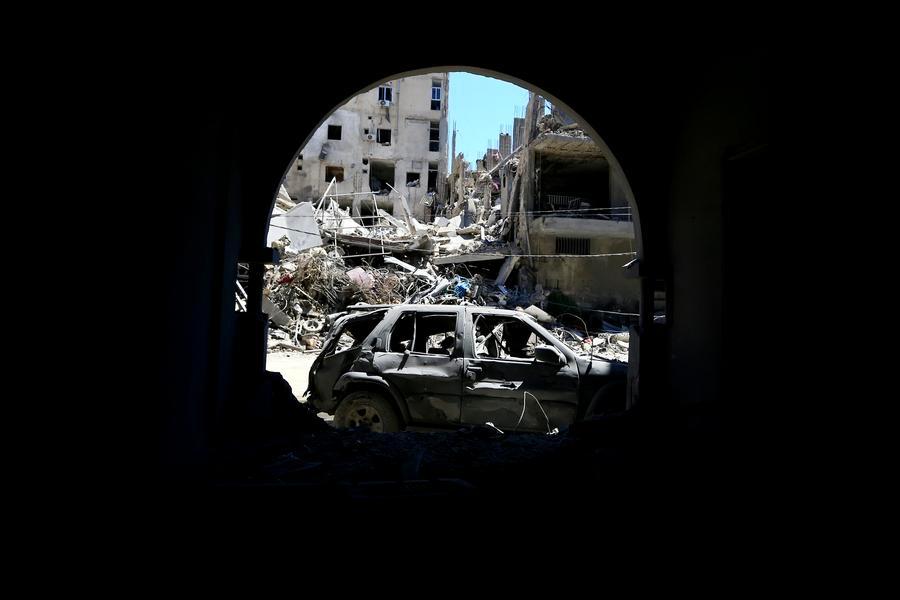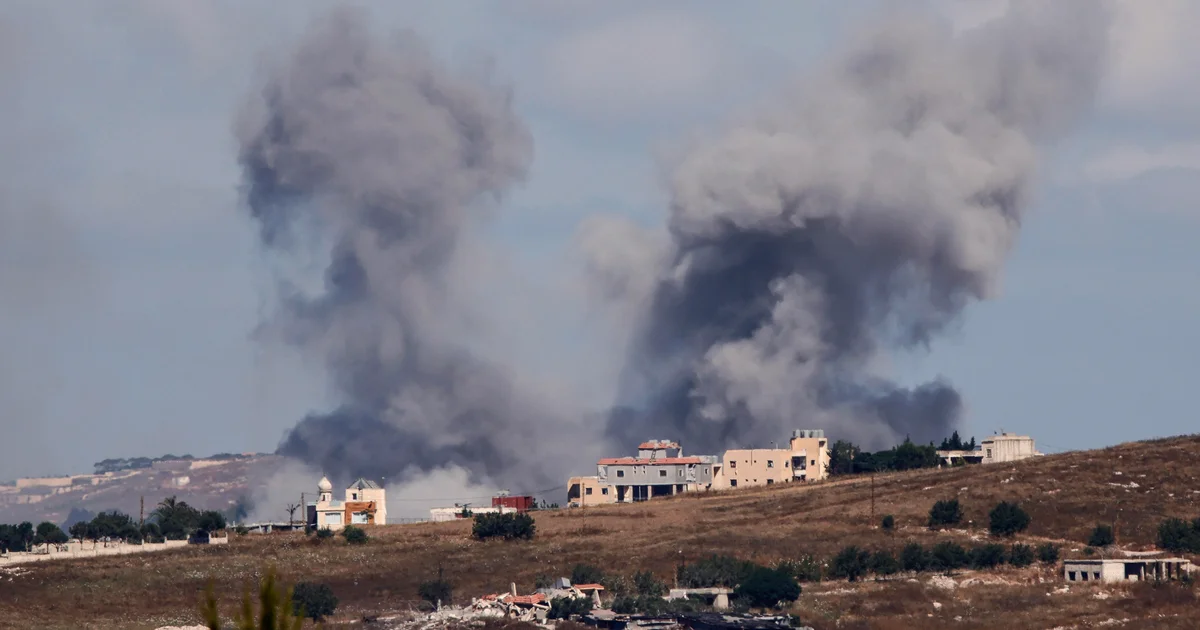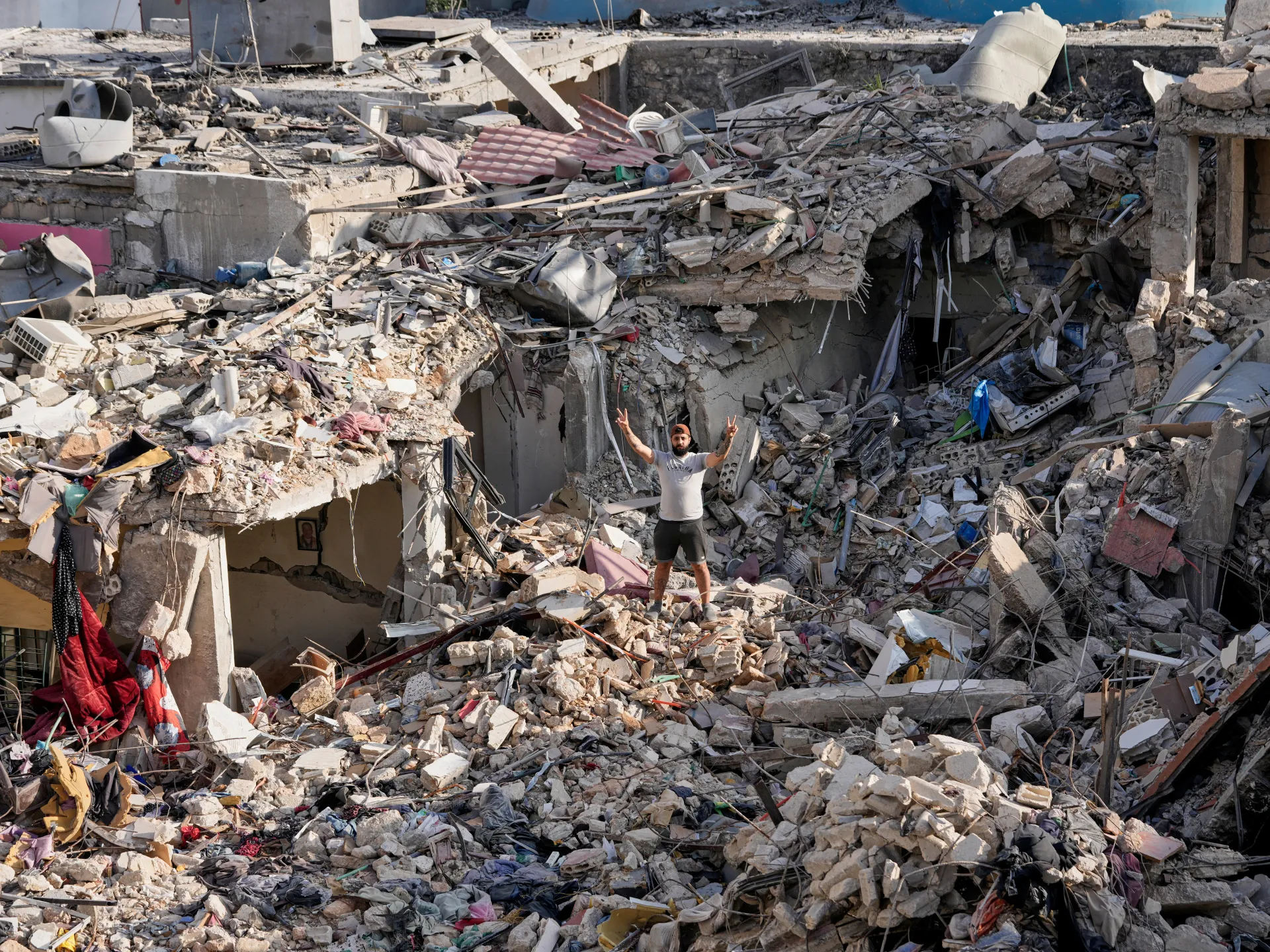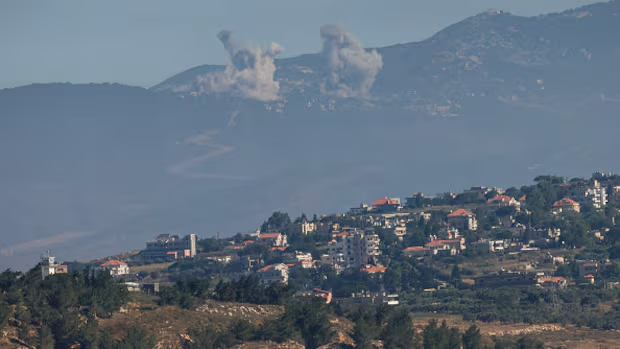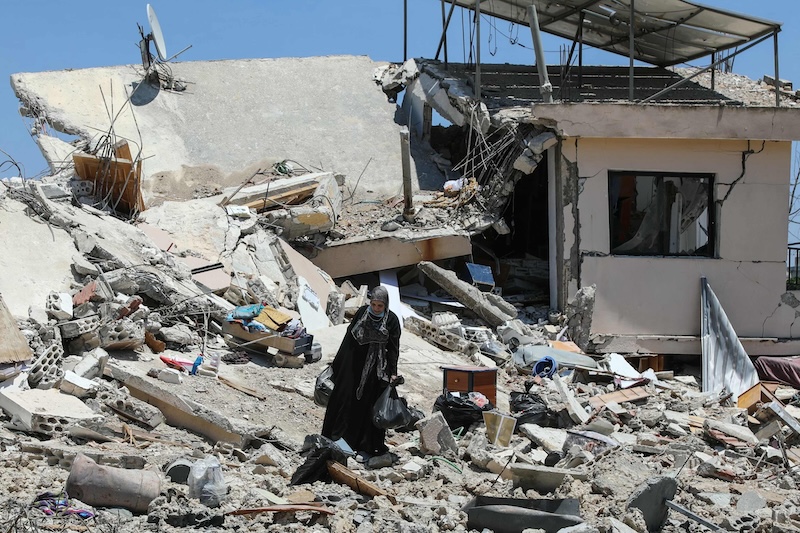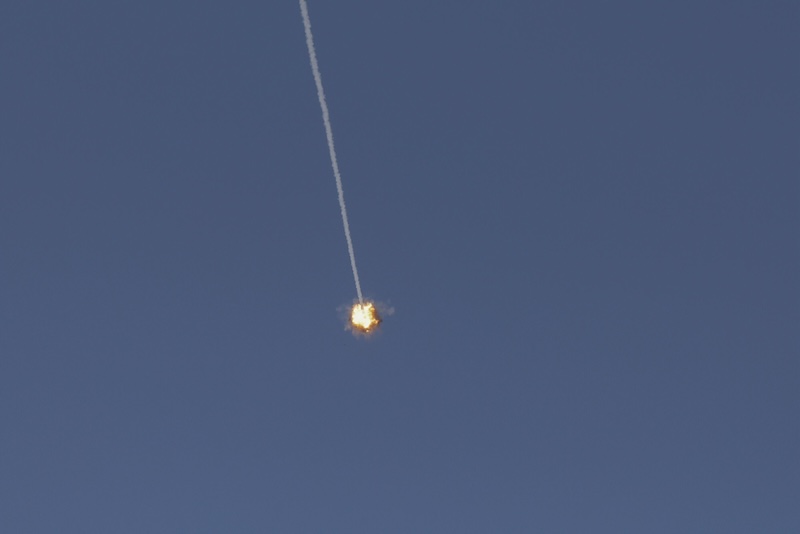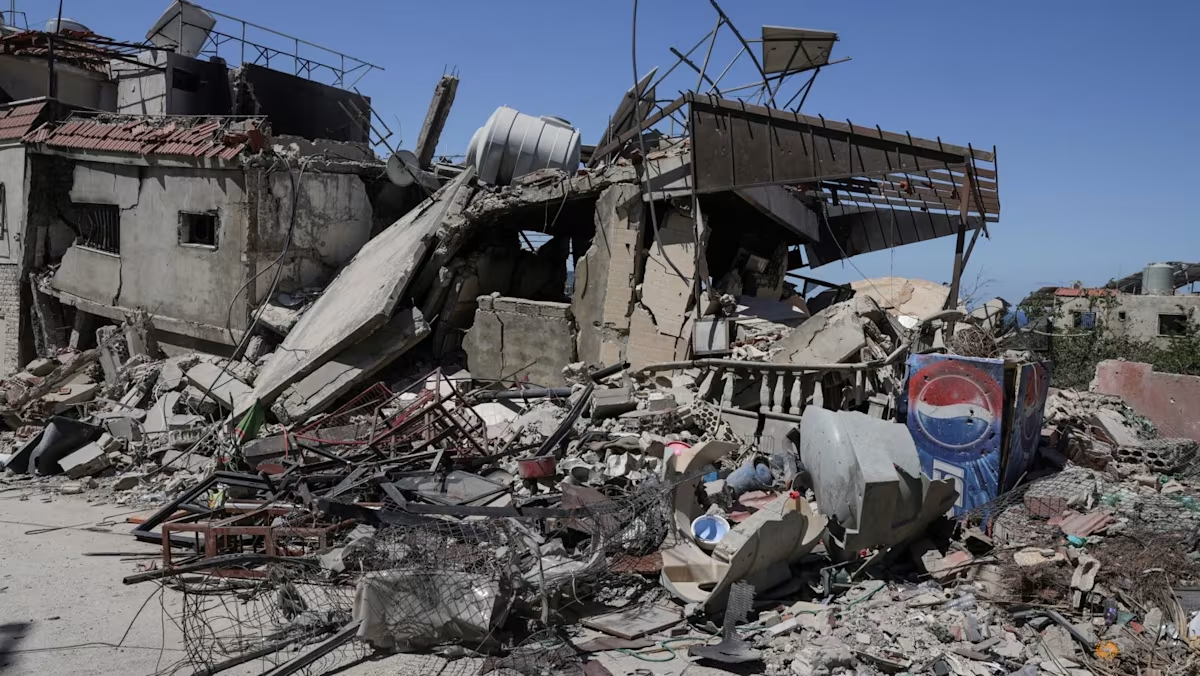
Iran said the US bore direct responsibility for Israel's attacks on Lebanon on Friday (Jun 19).
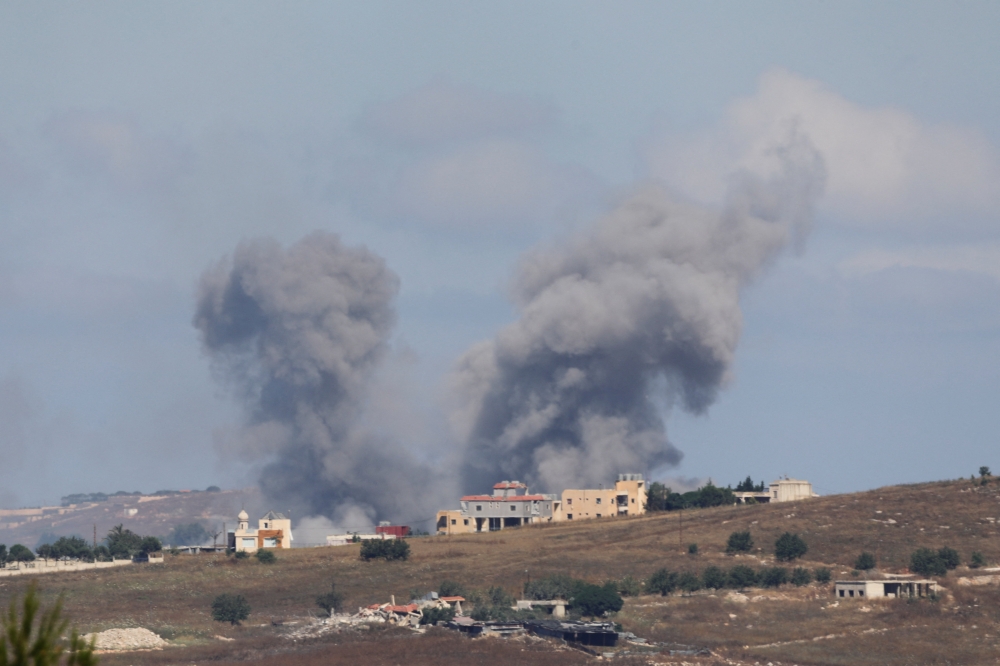
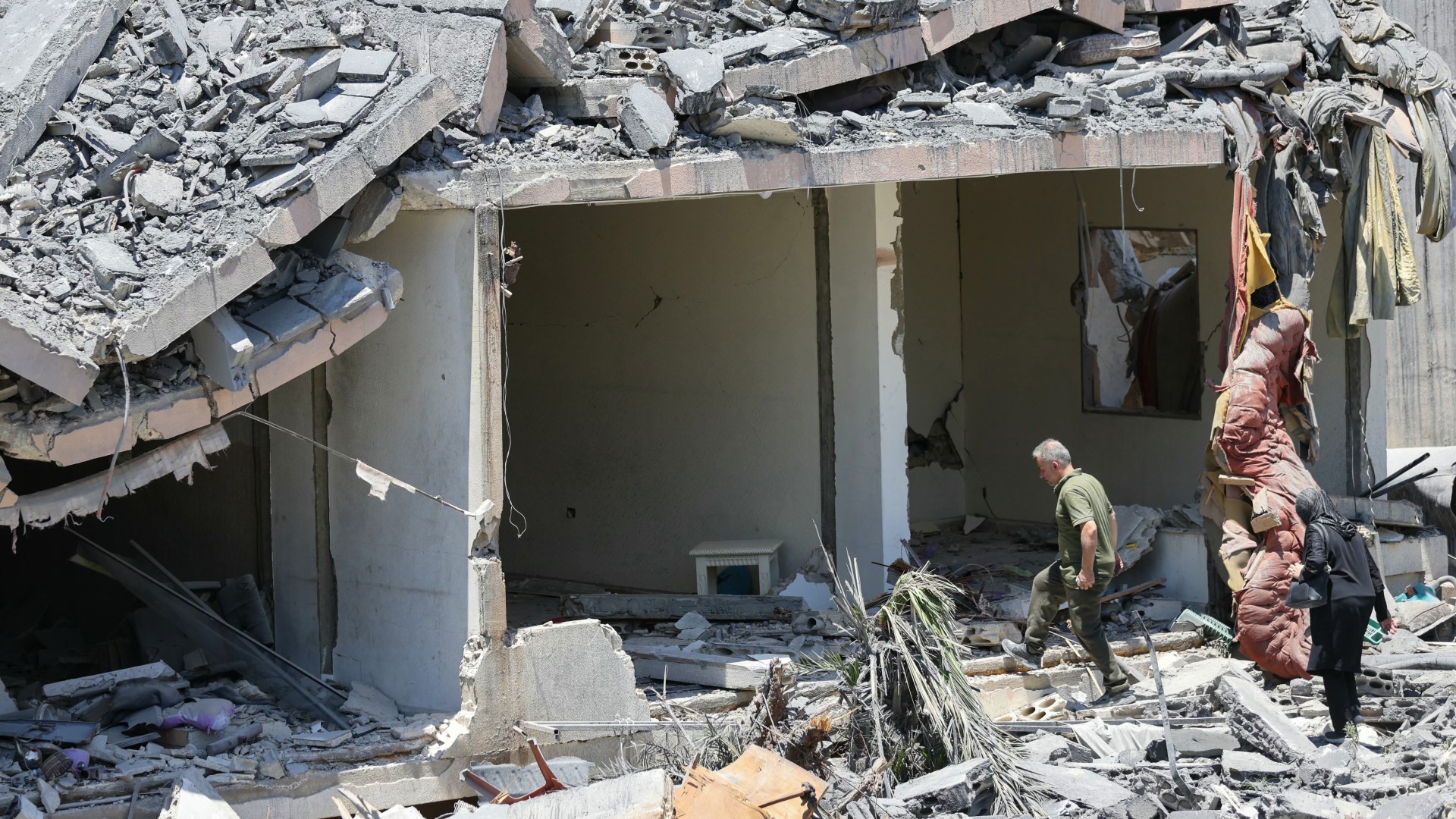
A view of a house and a shop which were damaged by an Israeli strike, in Qlaileh in the Tyre district, southern Lebanon, on Jun 19, 2026. (Photo: Reuters/Zohra Bensemra)
19 Jun 2026 08:33PM
(Updated: 19 Jun 2026 09:26PM)
GENEVA: Deadly exchanges between Israel and Hezbollah in Lebanon put a newly signed deal to end the Middle East war under further strain on Friday (Jun 19), after the postponement of planned US-Iran talks in Switzerland.The delay came as Tehran's top negotiator warned it would not bend on its red lines and that its finger was still "on the trigger", even as shipping appeared to pick up in the Strait of Hormuz, which had essentially been closed during the war.The deal signed this week by US President Donald Trump and his Iranian counterpart Masoud Pezeshkian aims to end a war that began on Feb 28 with US-Israeli strikes that killed Supreme Leader Ayatollah Ali Khamenei.The agreement was also meant to halt the fighting in Lebanon, which Iran has always insisted should be covered under any accord, turning Israel's ongoing campaign there into a source of frustration for Washington.Fighting between Israel and Hezbollah had sharply escalated in south Lebanon on Friday. More than 18 people were reportedly killed in Israeli strikes in Lebanon. The two later agreed to a ceasefire which started at 4pm local time (9pm, Singapore time) on Friday, a senior US official told Reuters. Iran earlier condemned Israeli attacks on Lebanon and warned of their consequences for regional peace and security, saying the United States bore direct responsibility for the situation.