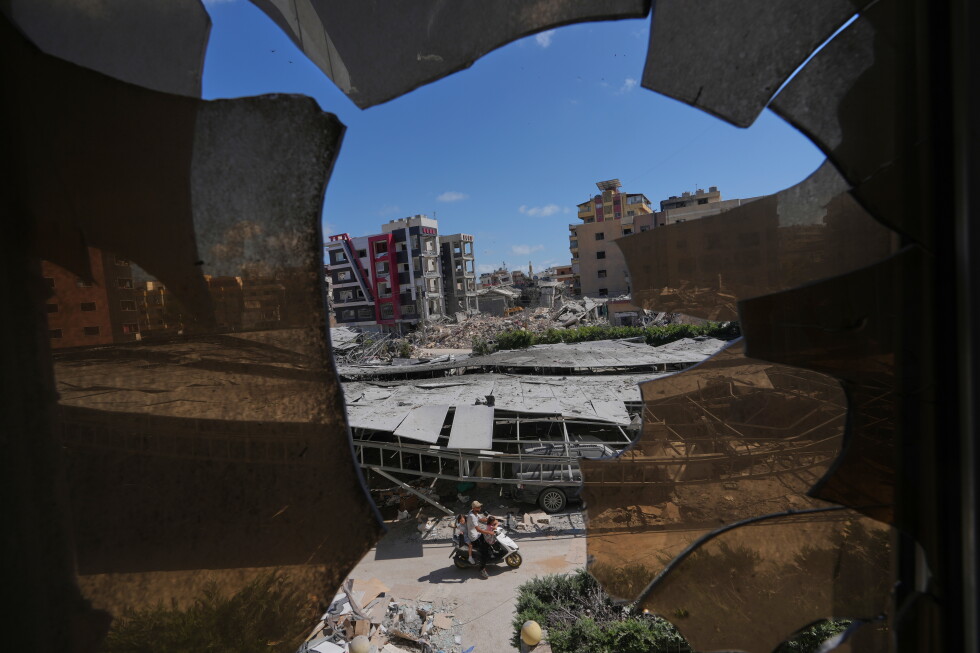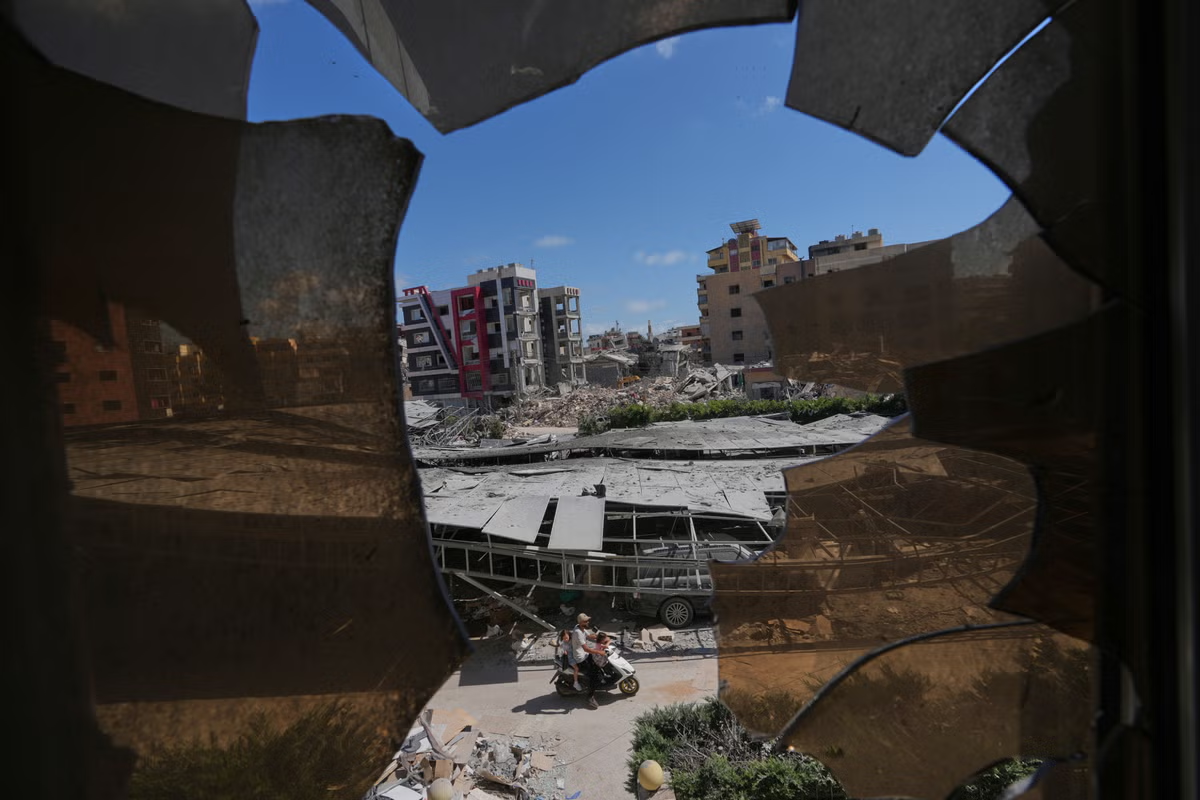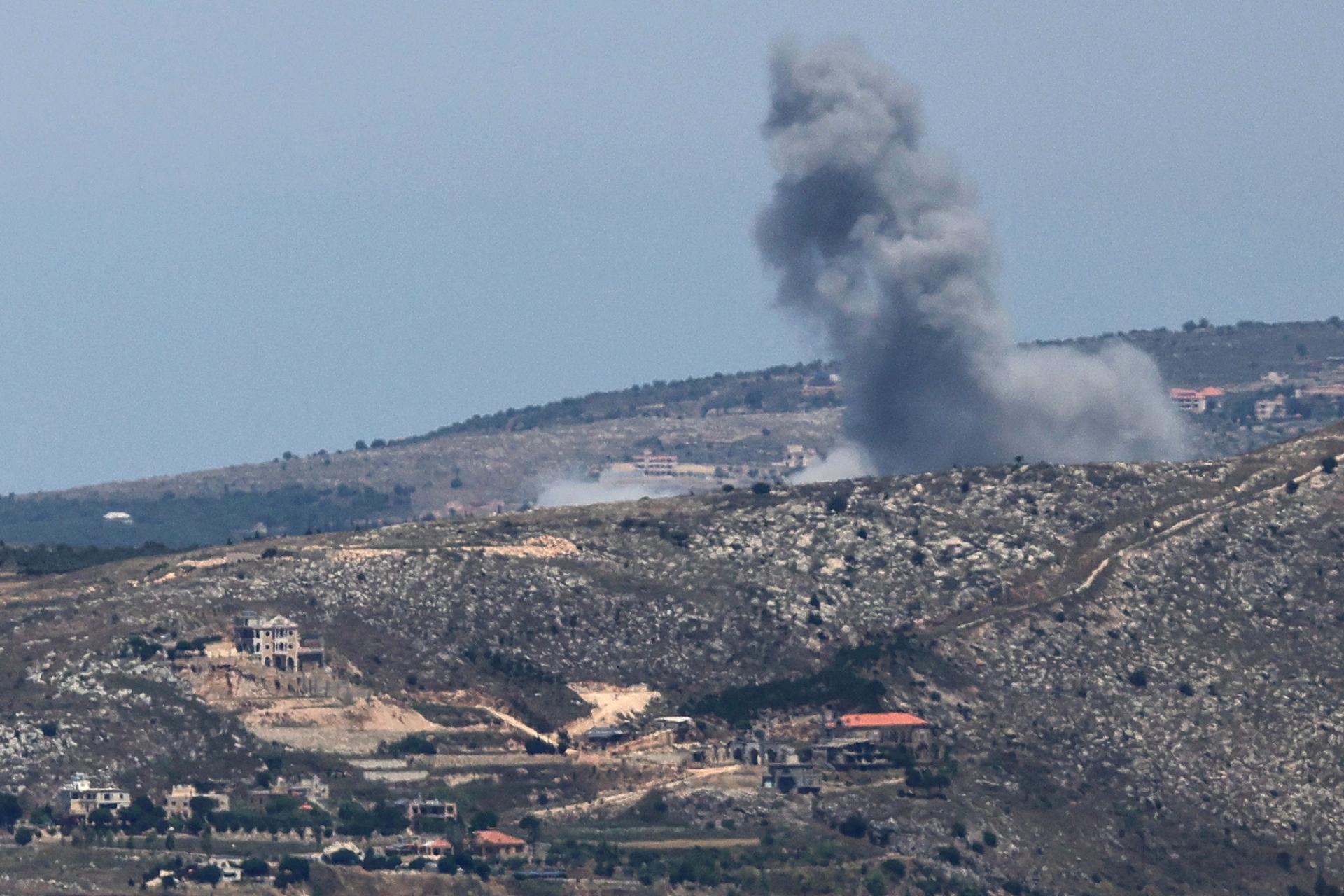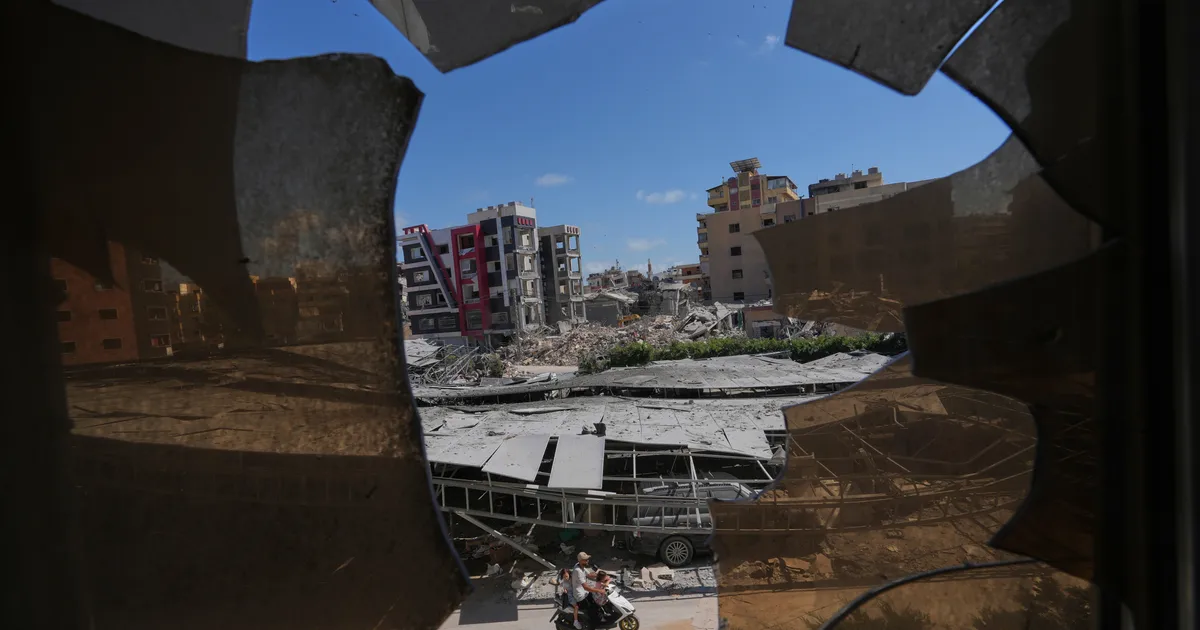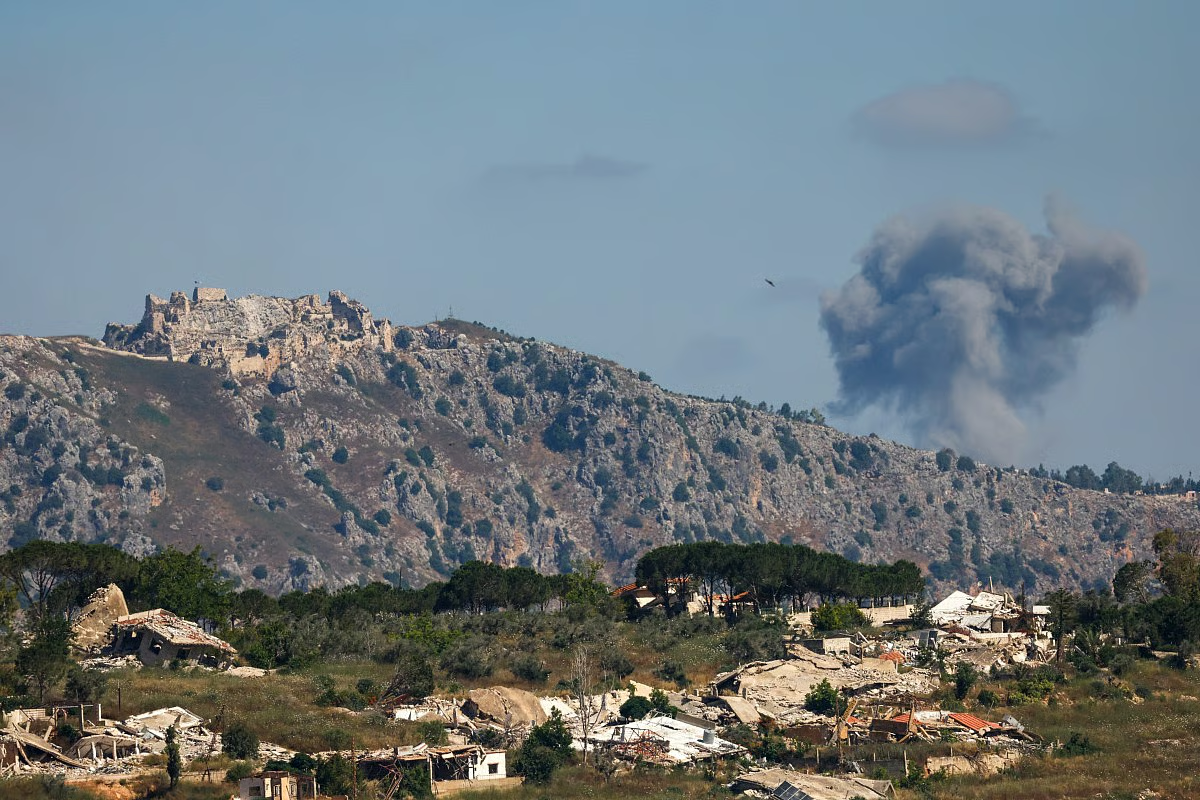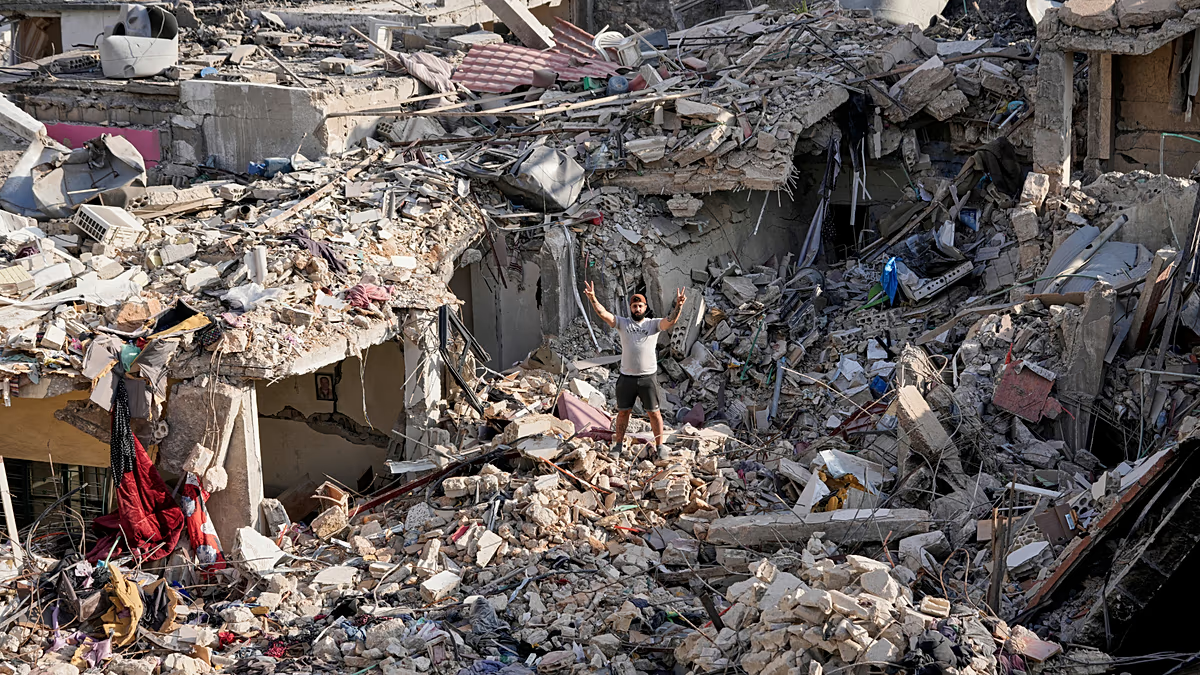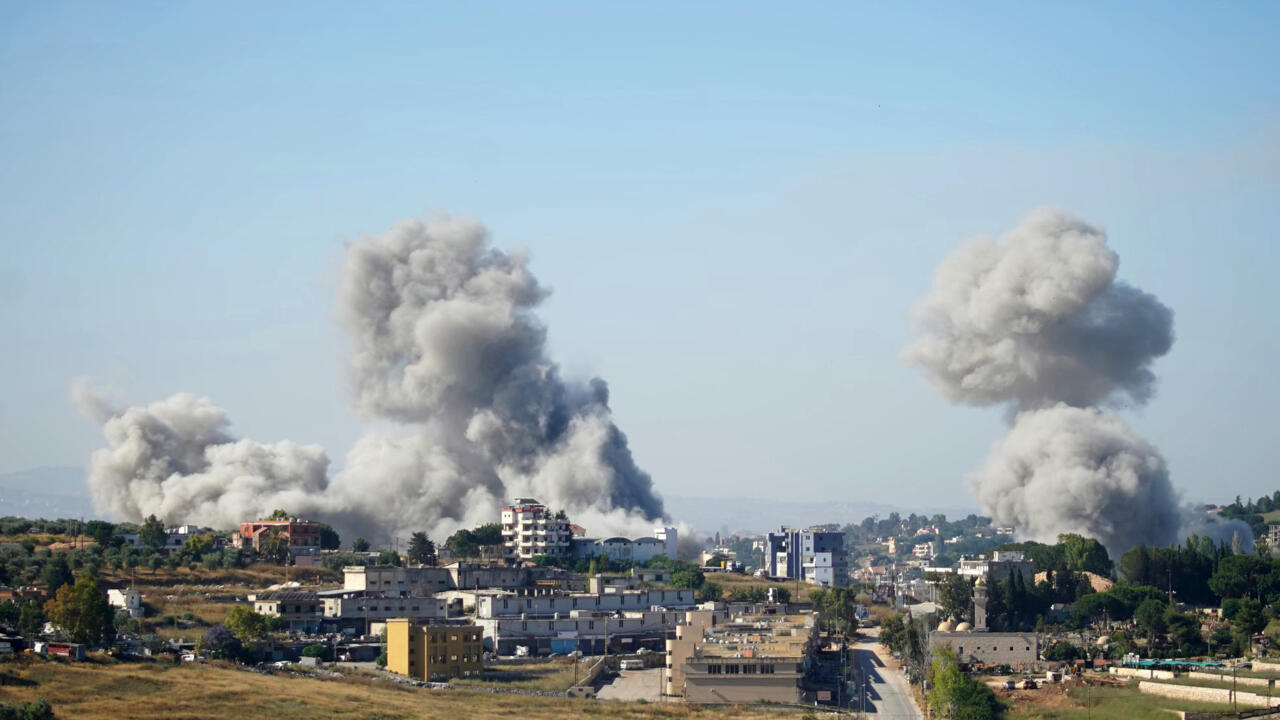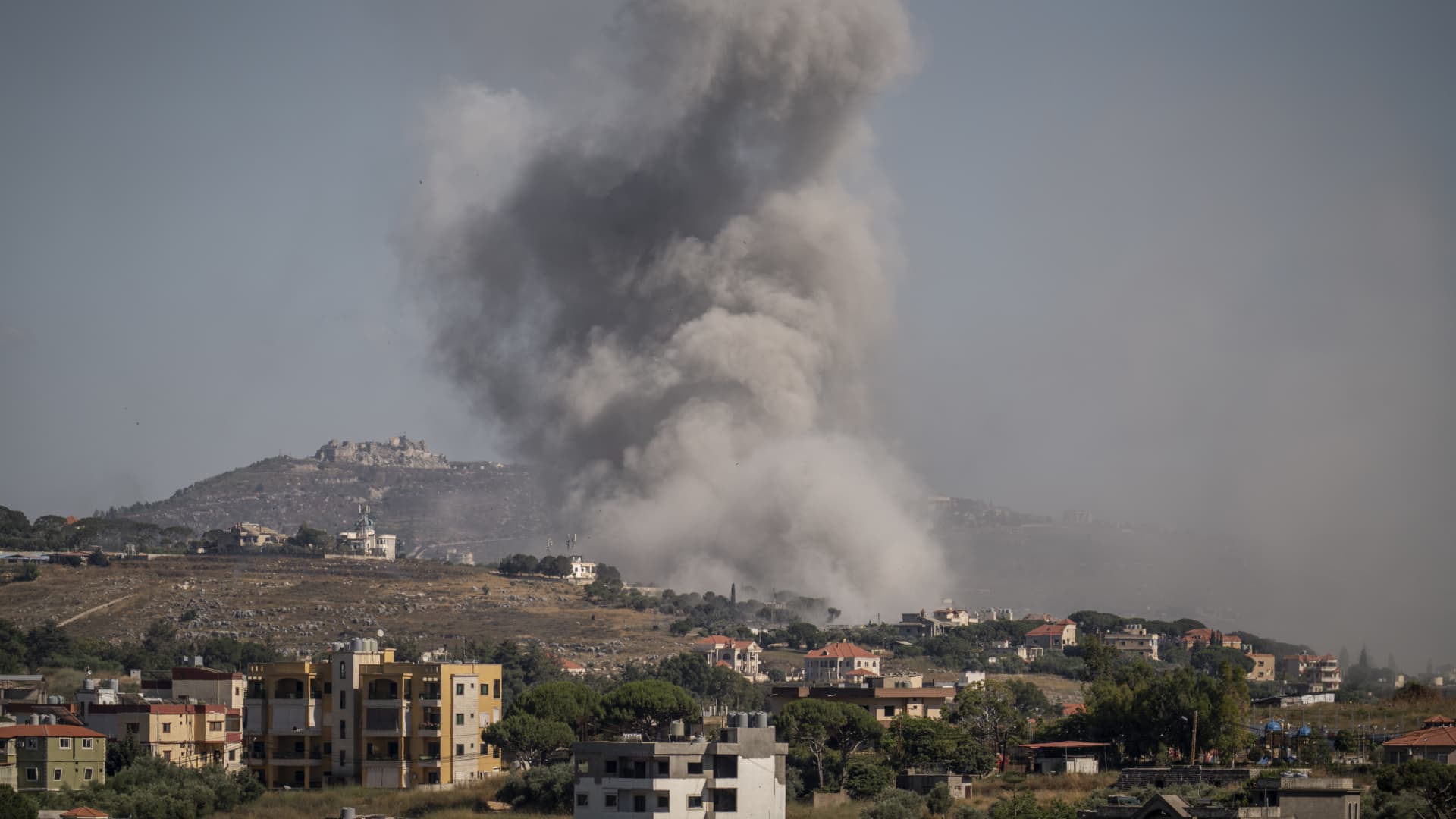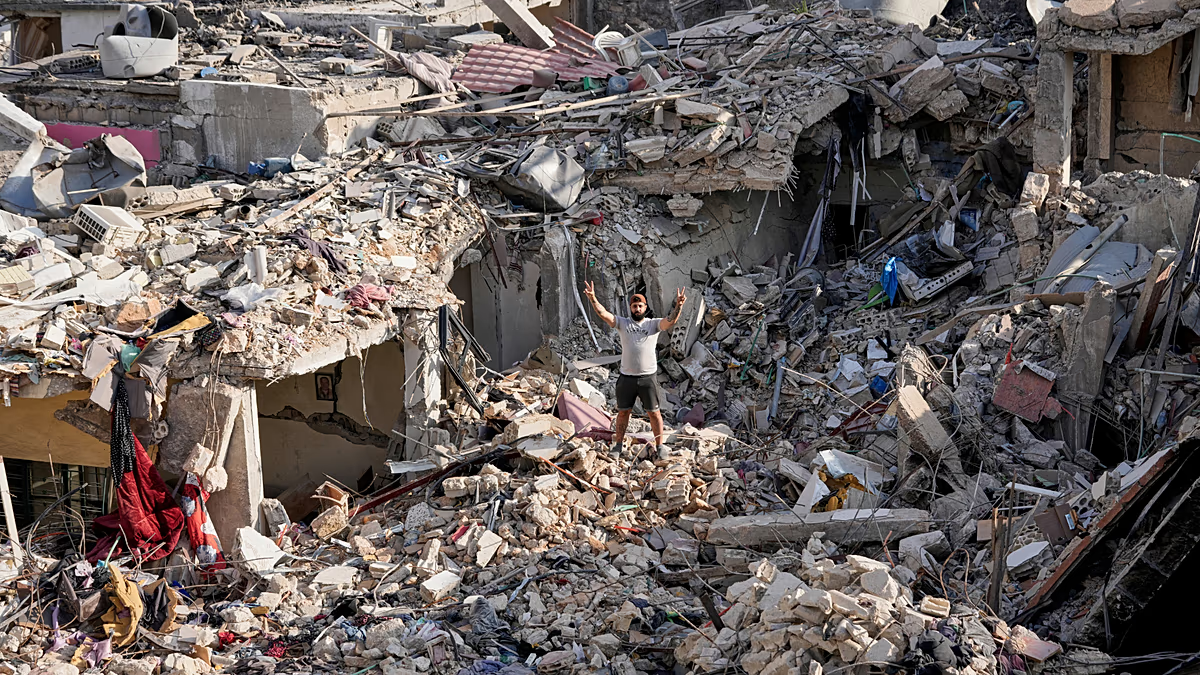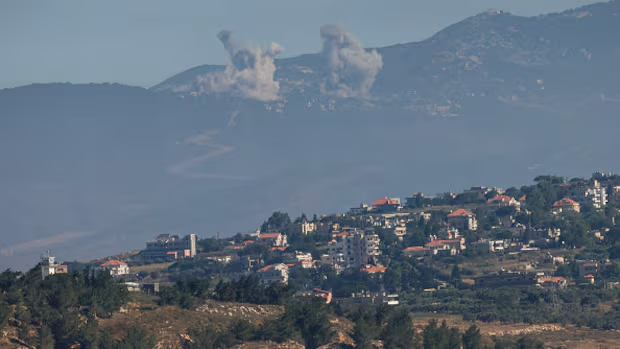
WorldIsrael's military said Friday its forces struck targets throughout southern Lebanon overnight as Hezbollah reported intense fighting in the area, threatening the nascent agreement between Iran and the United States to end their war.Israel says 4 of its soldiers killed as fighting threatens deal to end Iran warThe Associated Press · Posted: Jun 19, 2026 5:22 AM EDT | Last Updated: 1 hour agoListen to this articleEstimated 5 minutesThe audio version of this article is generated by AI-based technology. Mispronunciations can occur. We are working with our partners to continually review and improve the results.Continued fighting in Lebanon could unravel the newly signed deal between the U.S. and Iran to end the war there. (Jalaa Marey/AFP/Getty Images)Israel's military said Friday its forces struck targets throughout southern Lebanon overnight as Hezbollah reported intense fighting in the area, threatening the nascent agreement between Iran and the United States to end their war. Lebanon's state-run National News Agency reported at least 16 people were killed in Israeli airstrikes, which the Israeli military said were ongoing. Meanwhile, Israel said four of its soldiers had been killed in fighting in southern Lebanon, including a lieutenant colonel.Continued fighting in Lebanon could unravel the newly signed deal, which calls for an immediate halt to military operations "on all fronts, including in Lebanon" — where Israel has been battling the Iran-backed Hezbollah militant group — and for ensuring Lebanon's "territorial integrity and sovereignty." The deal aims to end the war and has reopened the Strait of Hormuz to international shipping, while bringing the U.S. and Iran back to the negotiating table over Tehran's nuclear program. Iran's stranglehold on the strait had all but stopped the flow of oil through the key waterway.U.S. President Donald Trump said he signed the agreement to avoid "economic catastrophe" in the U.S., after the war caused oil prices to skyrocket, made financial markets skittish and fuelled inflation. After the signing of the agreement, more than 12.5 million barrels of oil were shipped through the Strait of Hormuz on Wednesday night, the U.S. said. WATCH | U.S. says it will restart miitary campaign if Iran breaches deal:Israel operating in Lebanon as U.S. says it will restart military action if Iran breaches dealJune 18|Duration 6:41The U.S. and Iran signed a memorandum of understanding in Versailles, France, on Wednesday night. While it's a step toward a peace deal, tensions in the Mideast remain high.Israel and Hezbollah are not parties to the agreement. Iran insists Israel must withdraw from the large swath of southern Lebanon it is occupying, but the wording of the interim deal doesn't explicitly require that. Israeli Prime Minister Benjamin Netanyahu, who faces elections later this year, has refused to withdraw, saying Israeli forces will remain in Lebanon until the threat from Hezbollah has been eliminated. Trump, meanwhile, has been openly critical of Netanyahu's recent moves, saying the day before the agreement with Iran was signed that "without the U.S. there would be no Israel." "Without me, there would be no Israel because no other president was willing to do what I did - I have had a great relationship with Bibi," Trump said, using a nickname for Netanyahu. "Now Bibi has to be more responsible with respect to Lebanon."The renewed Israeli attacks in Lebanon came as planned talks in Switzerland between Iran and the United States over their efforts to reach a permanent end to the Iran war were delayed.Vance delays trip to SwitzerlandU.S. Vice President JD Vance on Thursday put off his trip to Switzerland where he had been set to lead the talks. The White House blamed logistical issues, but the announcement came after a report from Al-Mayadeen, a pan-Arab satellite channel that is politically allied to Hezbollah, said that Iran was delaying sending its delegation to Switzerland over Israel's ongoing military campaign in Lebanon.WATCH | Trump praises deal to end Iran war:Trump praises 14-point Iran deal to end war, open Strait of HormuzJune 17|Duration 2:47U.S. President Donald Trump hailed an agreed upon 14-point memorandum of understanding with Iran to end military operations and re-open the Strait or Hormuz, despite it being vague on many issues.Trump signed the initial pact with Iran on Wednesday while dining with French President Emmanuel Macron at the Palace of Versailles, which took immediate effect.Following the signing, the U.S. said it had lifted its blockade, allowing oil tankers to begin freely moving through the Strait of Hormuz after months of being unable to use the critical channel. Still, the tentative agreement has drawn sharp criticism from some in the U.S. — including a few congressional Republicans — who worry Washington ceded too much to Iran with relief from sanctions and a potential $300 billion US fund to help with rebuilding. In Iran, Supreme Leader Ayatollah Mojtaba Khamenei seemed to endorse direct negotiations, saying in a statement on state media that "it is obvious that the face-to-face negotiations that will be held in the future will not mean accepting the enemy's opinion." Iran says Israel must withdraw from Lebanon to sign tentative deal to end war with U.S.It was Khamenei's first reaction to the agreement, and it was interpreted as a shift in Iran's approach. Hard-liners, especially Khamenei's father, the previous supreme leader, have long opposed direct talks, especially after the U.S. pulled out of the 2015 nuclear deal between Iran and world powers. The supreme leader has not been seen in public since he was wounded in a strike at the start of the war.Vance defends dealVance, who was initially personally skeptical of the U.S. going to war with Iran, has increasingly become the administration's face of the conflict and has been outspoken in defending the deal. On Thursday, he took the relatively unusual step of appearing at the White House to defend the initial deal to extend the ceasefire 60 days and allow for more negotiating — arguing that while it offers concessions, Iran first has to comply with U.S. demands. Vance also offered a blunt warning to Israel, saying Trump was "the only head of state in the entire world who is sympathetic to the nation of Israel at this moment in time."
Israel hits southern Lebanon with deadly strikes as U.S.-Iran talks postponed | CBC News
Israel's military said Friday its forces struck targets throughout southern Lebanon overnight as Hezbollah reported intense fighting in the area, threatening the nascent agreement between Iran and the United States to end their war.
1,019 words~5 min read