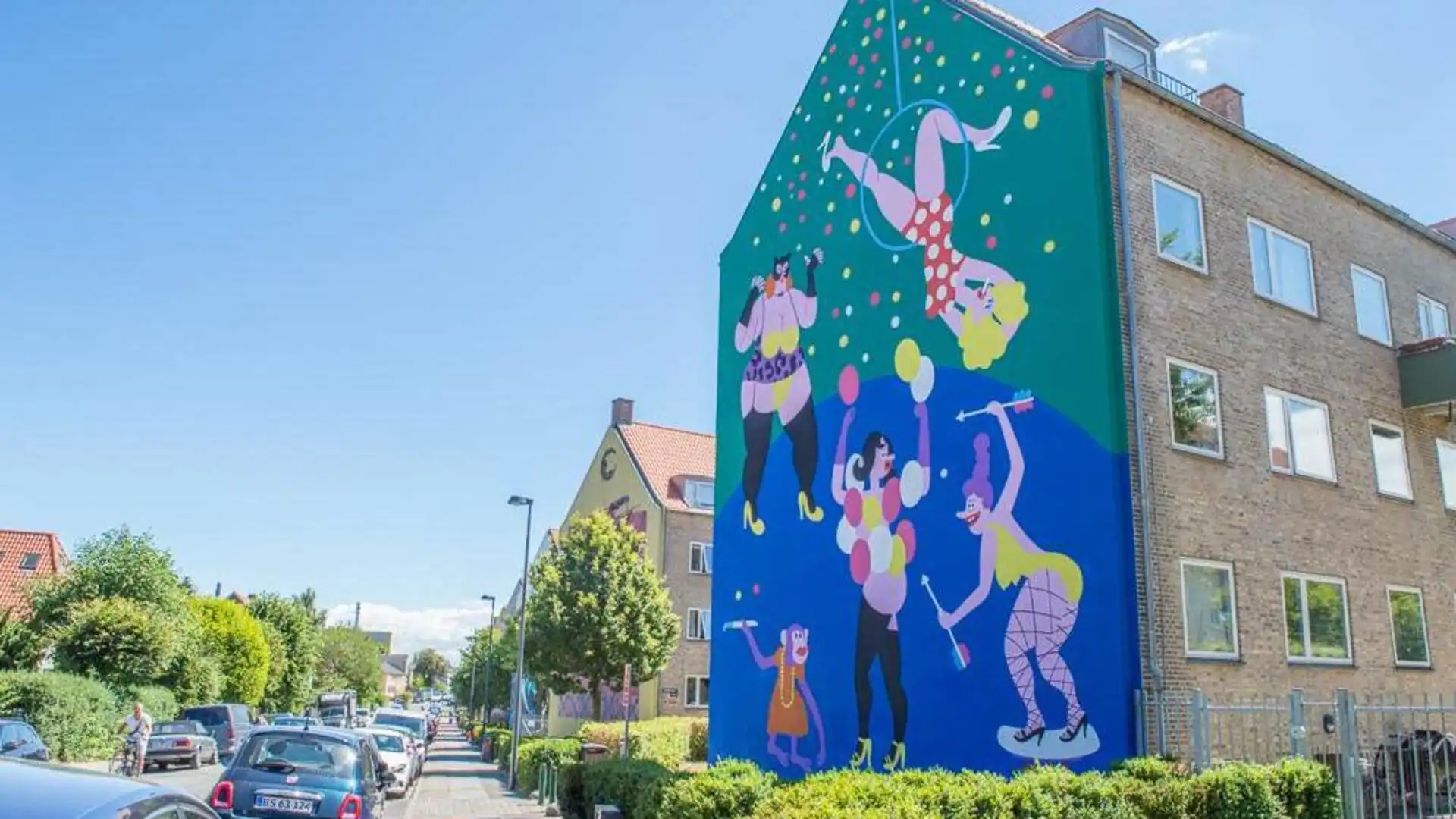
Veteran visual artist and art educator Mohammed Zulkarnaen Othman has had about 20 years of experience in the visual arts both in Singapore and overseas. He specialises in art with graffiti-like aesthetics, and over the years he's seen how Singapore's street art scene has flourished with murals and artwork now colouring the once-bare walls of the island's streetscape.Yet, even today, he still receives the occasional negative remark while executing his works."I was spray painting a mural in a school, when a primary school student asked me if I was vandalising the wall," the 40-year-old said, describing an incident that occurred a few weeks ago.
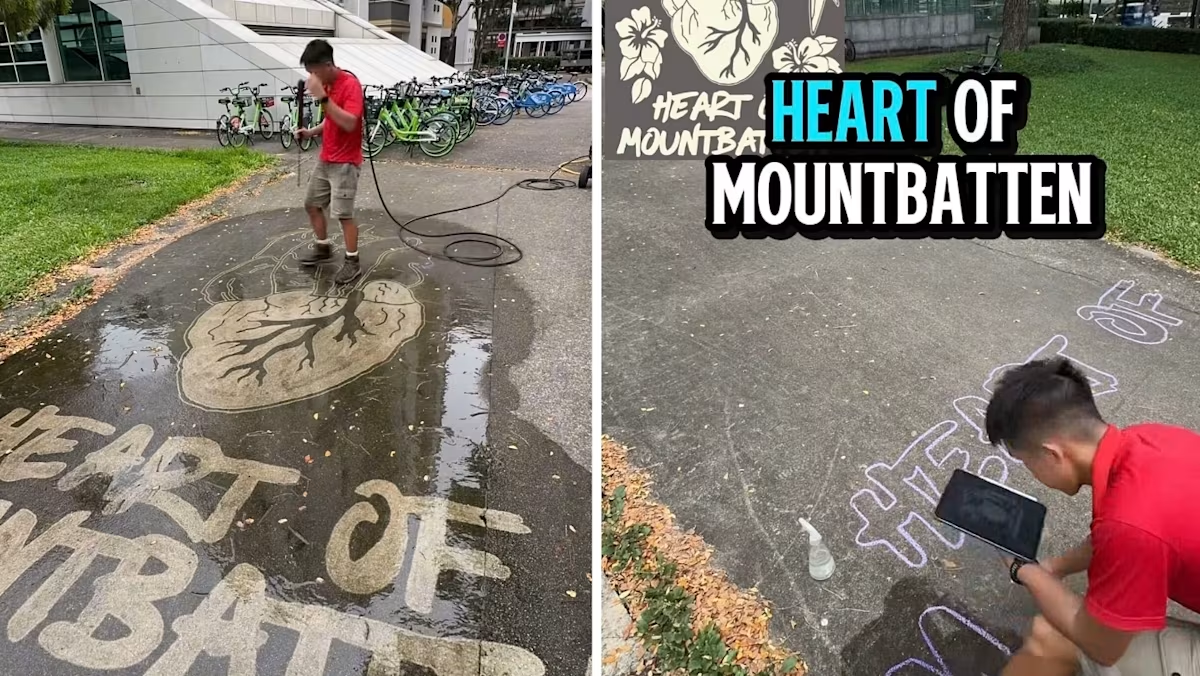
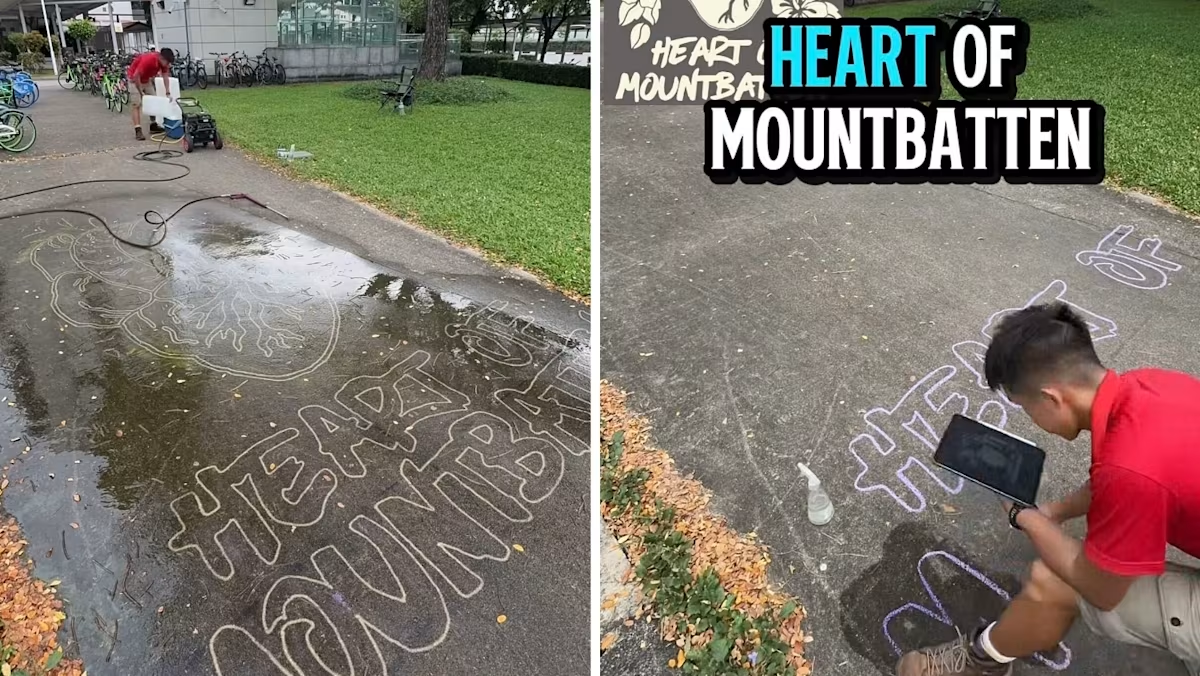
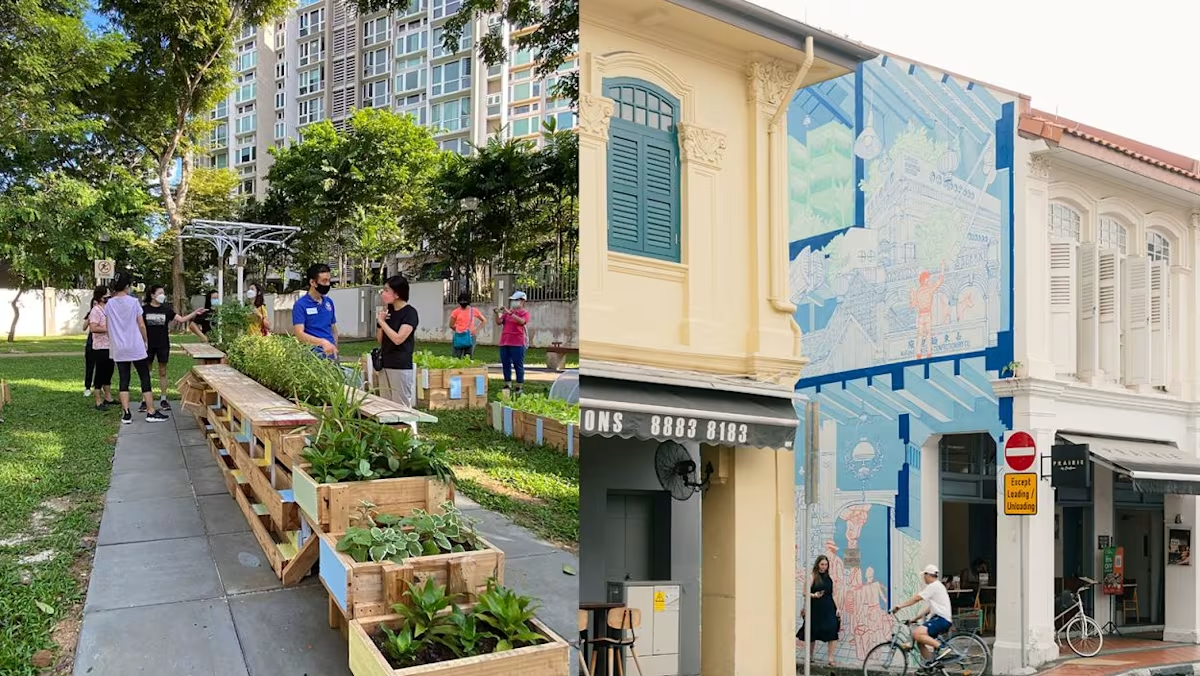
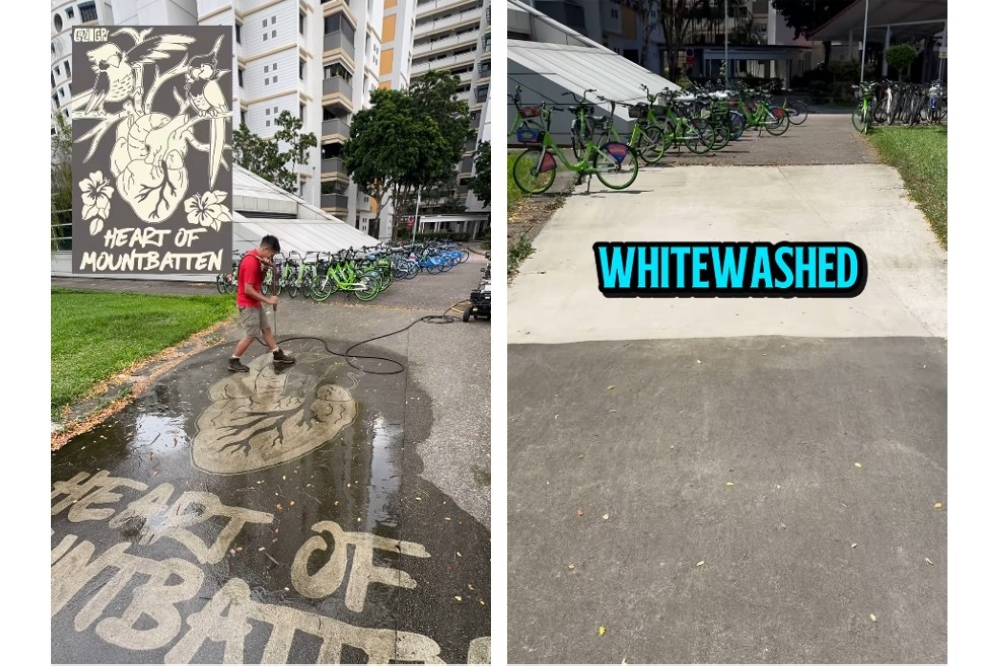
Mr Zulkarnaen said the interaction – far from the first time he's received such a comment – reflects how public attitudes in Singapore towards street art are still rather narrow-minded, with passers-by more likely to view graffiti art and murals with suspicion than appreciation.A recent incident showed the same tension at play: Last month, a temporary drawing that power-washing artist Marcus Pang was creating on a pavement outside Mountbatten MRT station was removed following a complaint from a member of the public. The public debate that followed carries echoes of a 2024 controversy over a mural of a samsui woman smoking a cigarette. The Urban Redevelopment Authority (URA) initially ordered the removal of the cigarette from the drawing, reportedly following feedback from a member of the public.While the authorities later revised their stance and allowed the mural to remain intact after taking in diverse views from across Singapore, the building owner was fined S$2,000 for going ahead with the artwork without prior approval.Sometimes, street art is removed simply because it contravenes Singapore's rules around where such artwork can be placed. Earlier this year, URA ordered the removal of a batik mural commissioned by a shop owner at 59 Arab Street, saying that with the exception of those on Haji Lane, murals are not allowed on the front facades of conserved shophouses. This is because the artwork might obscure key architectural and heritage features, and affect the established character and ambience of the historic district.