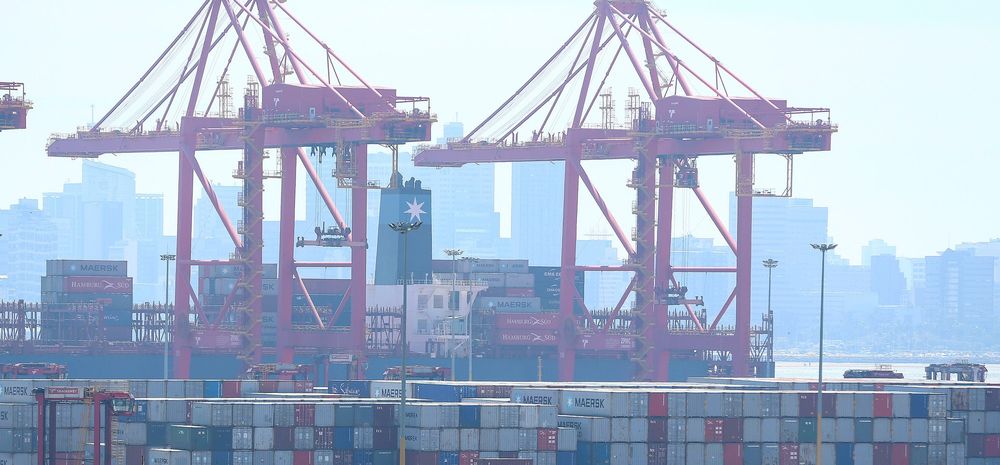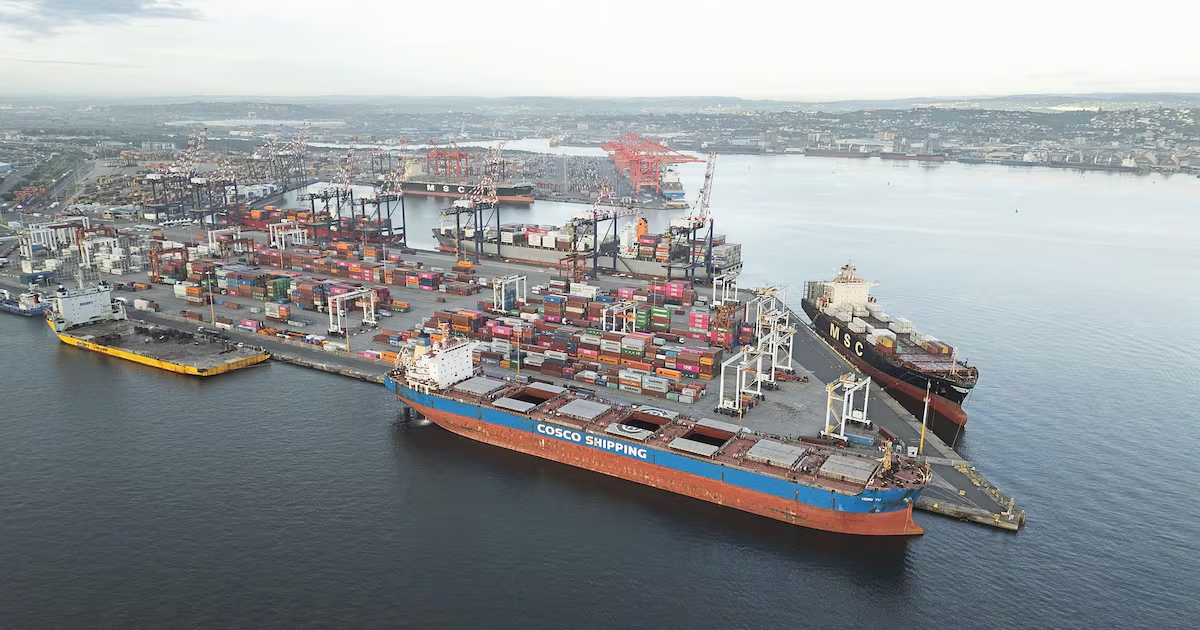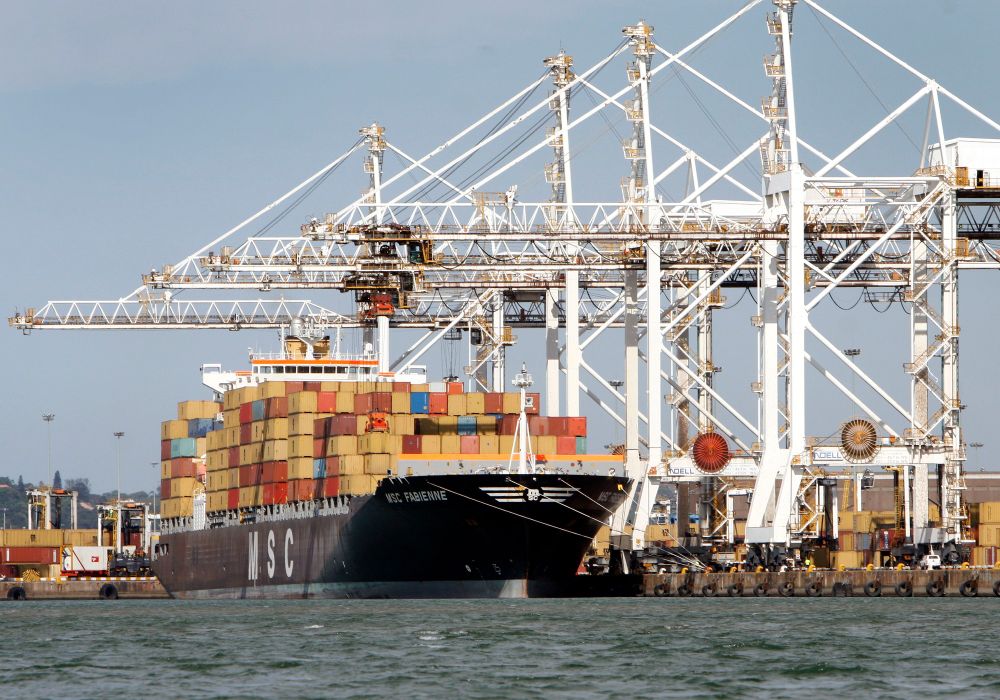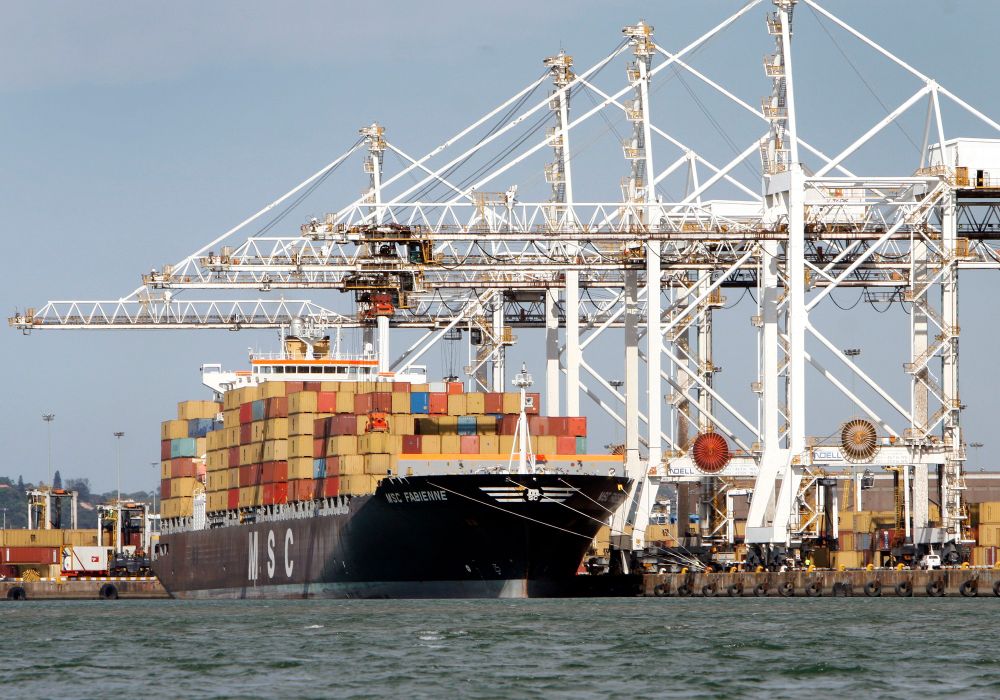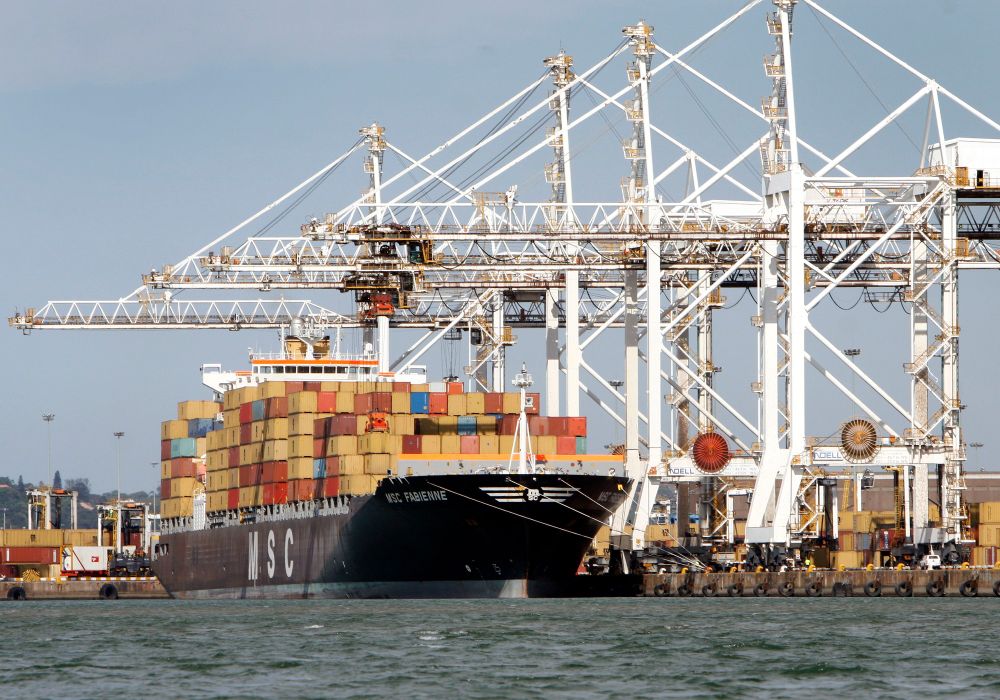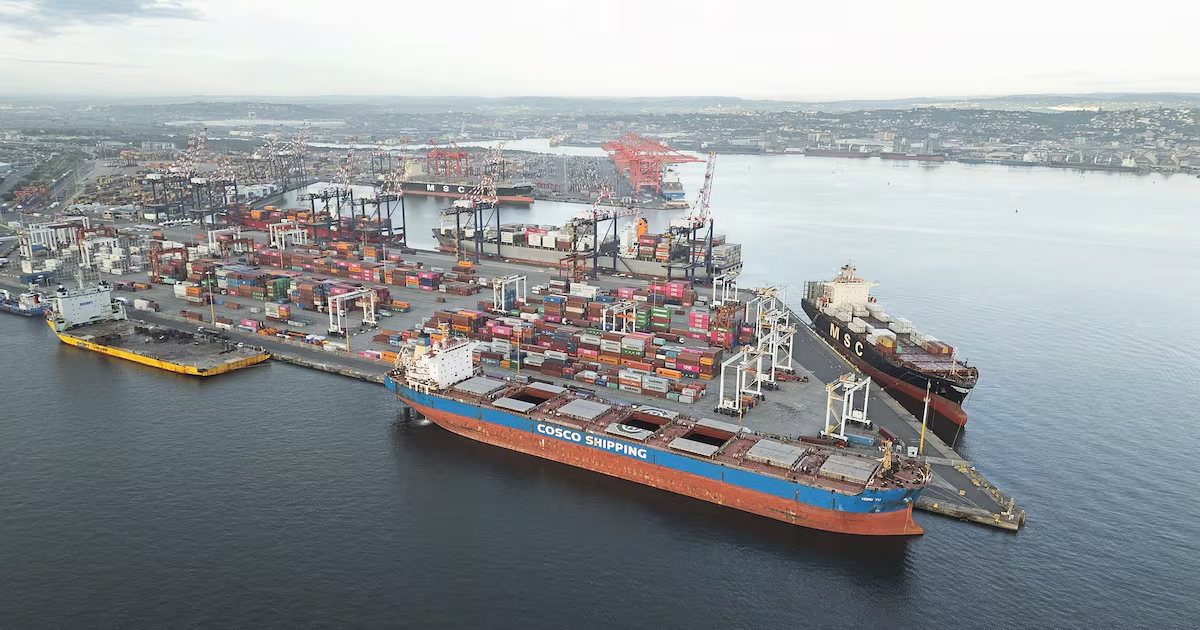
Story audio is generated using AIAt the World Bank Group we work with countries to create the conditions for growth, investment and jobs. That means strengthening the foundations of competitiveness: reliable energy, efficient transport infrastructure, resilient agribusiness and productive manufacturing. South Africa’s port turnaround shows how difficult reforms can help unlock opportunity. For much of the past decade South Africa’s ports were a constraint on growth rather than an engine of it. Logistics costs reached about 7.4% of GDP, acting as a structural tax on exporters, manufacturers, farmers and consumers. At the height of the crisis, Durban, the continent’s busiest container port, had as many as 20 vessels waiting at anchorage. Between 2021 and 2023, logistics bottlenecks are estimated to have cost South Africa roughly a fifth of its potential export volumes. For businesses, that meant lost sales, delayed investment decisions and fewer opportunities to expand and hire. The impact extended beyond national borders: landlocked neighbours such as Zambia, Zimbabwe and Botswana rely on South African ports to move the goods that sustain their economies. The government recognised that clearing backlogs would not be enough. The problem required a fundamental rethinking of how the freight logistics system was structured, governed, financed and held accountable. Reform blueprint with ports at the centre The foundation of the turnaround is the Freight Logistics Reform Roadmap, adopted by the president and cabinet in December 2023. The roadmap sets out a shift from a vertically integrated state monopoly toward a competitive, multi-operator market — one in which public infrastructure remains a public good, while private capital and expertise help drive efficiency, investment and service quality. Central to this reform is the separation of the port authority’s landlord function from terminal operations. This reform had been articulated in the National Ports Act of 2005, but not implemented. That shift is essential to give operators fair access, strengthen accountability and allow port revenues to be reinvested directly into infrastructure. It is complemented by the establishment of an independent transport economic regulator to oversee pricing, access and licensing for the entire transport sector. Attracting private capital and expertise With the institutional framework taking shape, South Africa has begun opening its ports to private sector participation at a scale not previously seen. A landmark step was the finalisation of a 25-year concession with International Container Terminal Services for Durban Container Terminal Pier 2, the first major port terminal concession in South Africa’s history. The concessionaire has committed about $647m (R10.6bn) to expand capacity and modernise infrastructure, with operations expected to begin in 2026. The state retains ownership of the land and core infrastructure, while the private partner brings capital, operational discipline and global terminal management expertise. This approach is extending to Richards Bay, Cape Town and Ngqura, where concession processes are advancing. At the same time, Transnet invested R3.4bn in new port equipment in 2024/25, including cranes and cargo-handling machinery for Durban and Cape Town. These investments matter because port performance is determined not only by policy architecture, but also by the reliability of the equipment, systems and people who move cargo every day. What the reforms are delivering The results are becoming visible. Durban moved from as many as 20 vessels waiting at anchorage in 2023 to zero by 2025. Vessel waiting time across South African ports fell by 75%. Container volumes grew by 7.1%, and total cargo throughput recorded its strongest growth since 2011/12. Cape Town achieved its highest weekly throughput since 2019. In the 2025 Container Port Performance Index Durban registered the largest single-year performance gain of any port globally. Why this matters beyond the port gates These gains matter far beyond port operations. With unemployment above 31% and growth still too slow, South Africa needs infrastructure that works. Logistics and energy bottlenecks have been among the largest constraints on competitiveness. More reliable ports, together with parallel reforms in energy and rail, can help lower trade costs, improve investor confidence and support job creation over time. The regional benefits are equally important. When South Africa’s ports perform better, trade costs also fall for neighbouring economies. That strengthens regional value chains, supports investment across Southern Africa and advances the promise of the African Continental Free Trade Area. South Africa’s port transformation is not complete. Sustained implementation, continued investment and transparent regulation will determine whether early recovery becomes lasting competitiveness. But the direction is clear: the system has moved from crisis toward momentum. What is emerging is a practical model of reform-led transformation — driven by government decisions, supported by private capital and expertise and increasingly validated by results. Levkov is infrastructure vice president at the World Bank Group.
VALERIE LEVKOV | From crisis to momentum — SA’s port turnaround
Durban leads a national surge in cargo throughput and reduced vessel delays
TL;DRAI
Durban cleared 20-vessel queue (zero by 2025) via authority-operator separation and $647m ICTSI concession. For IT leaders: port stability enables Africa market entry, strengthens regional supply chains, and unlocks investment opportunity in emerging markets.
771 words~4 min read