Story audio is generated using AI
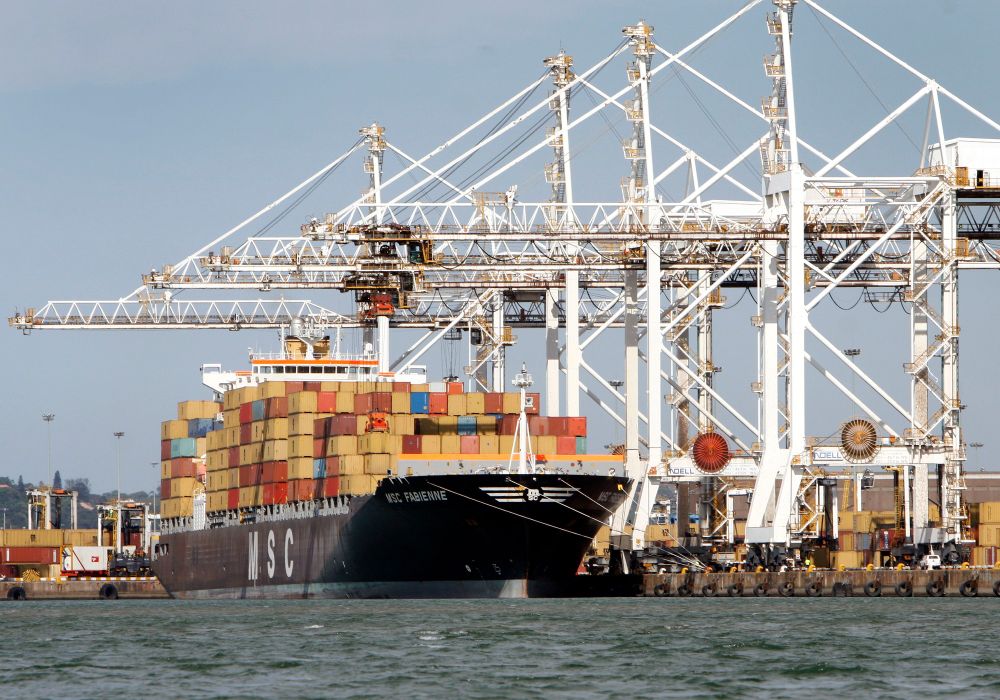
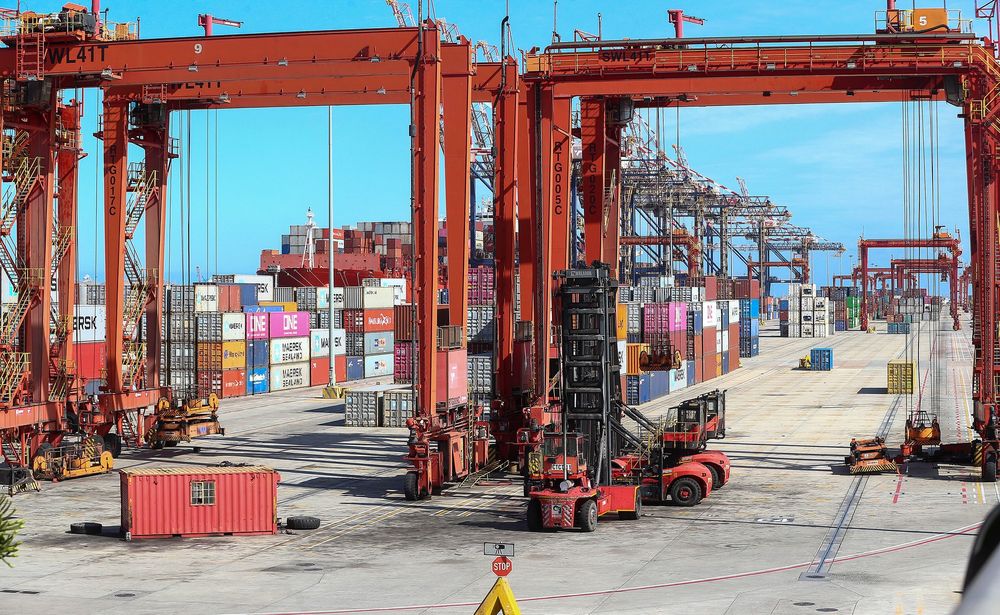
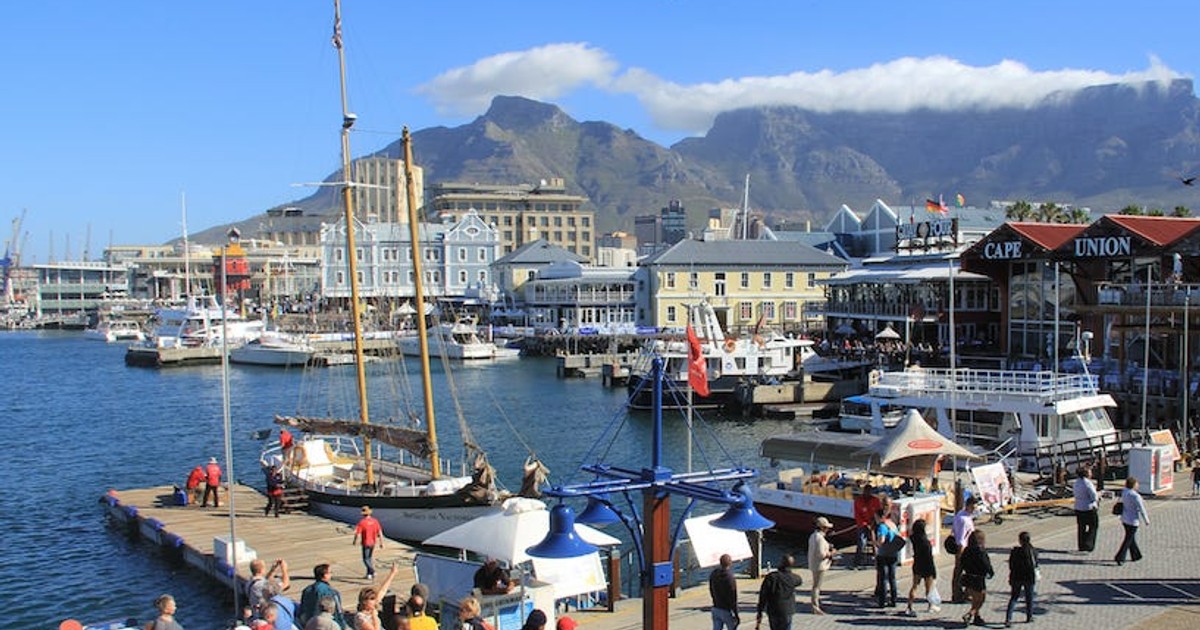
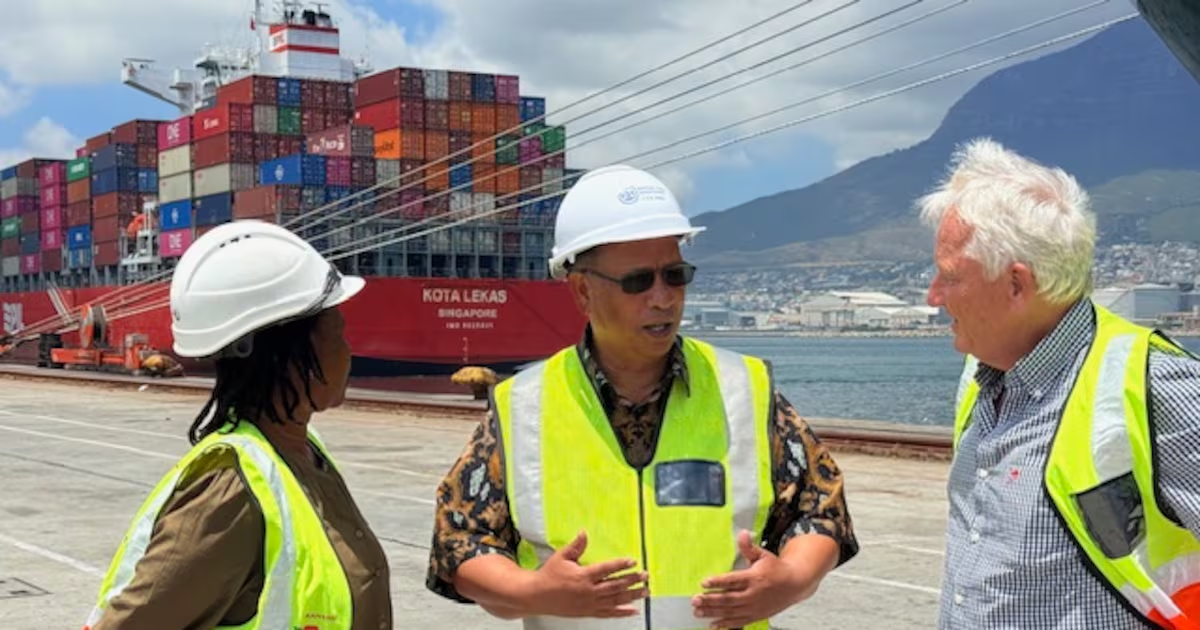
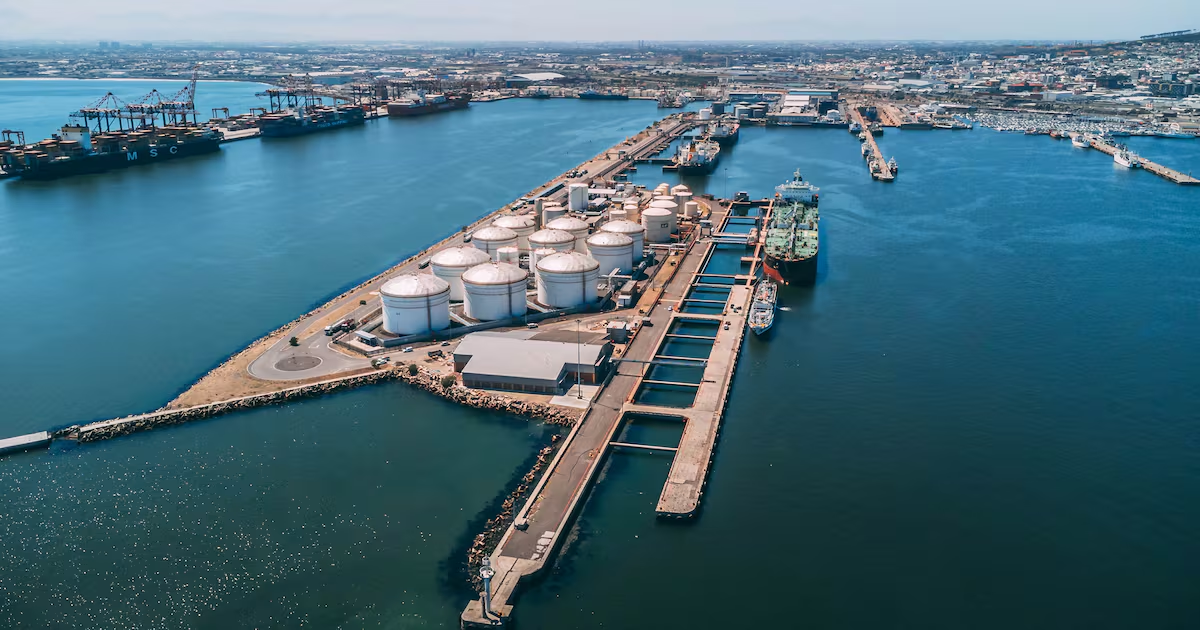
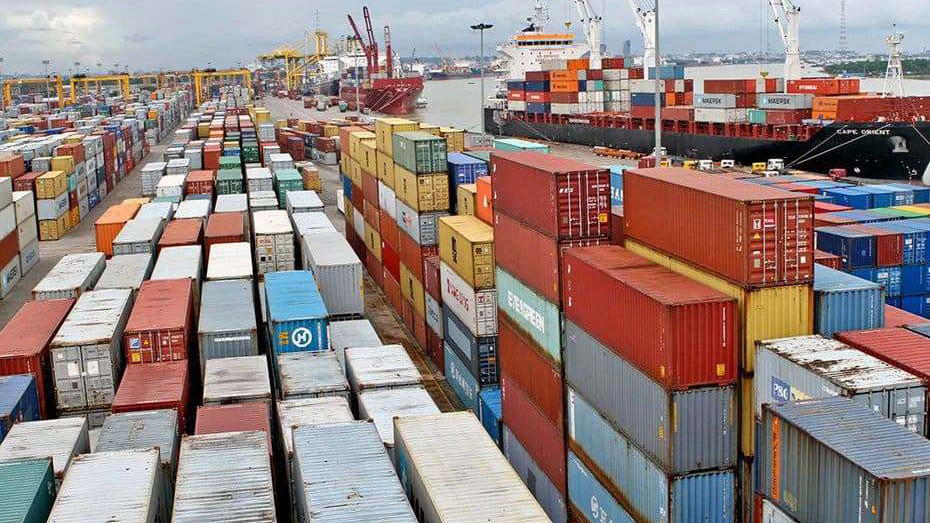
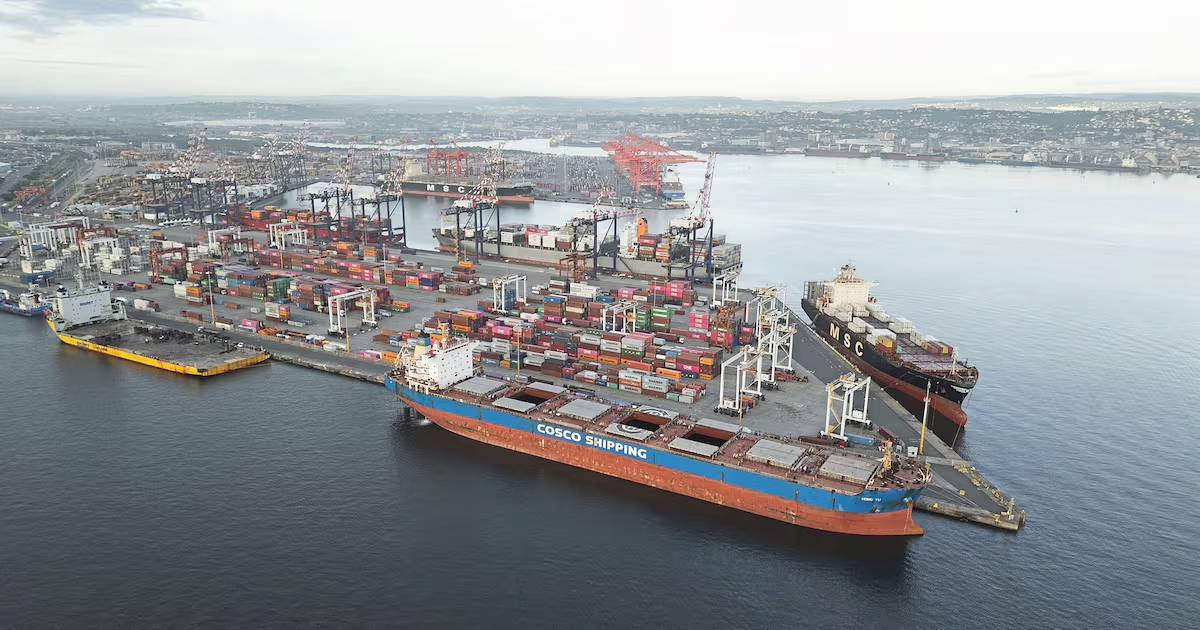
The Port of Durban, the crown jewel in South Africa’s port network, has been ranked as the world’s most improved port in the latest rankings compiled by the World Bank and S&P as green shots from Transnet’s turnaround emerge.Durban’s sister ports, Ngqura and Port Elizabeth, made it to the top 10 of the most improved ports globally. But Durban was the star, with its performance surging by 479 points in 2025 and improving South Africa’s competitiveness. The report, which uses data-driven assessments of container port performance worldwide, noted that while absolute ship time in Durban remains long, the improvement recorded in 2025 showed recovery momentum.“Durban recorded a notable improvement in vessel turnaround time in 2025, despite continued volatility in global supply chain conditions. Reduced waiting times from 20 vessels to zero compared with earlier peak-congestion years point to gradual operational stabilisation and the initial impacts of equipment recovery and management reforms,” the report reads.“This improvement coincided with a pronounced rise in berth utilisation, as the share of time spent at berth increased from about 52% in 2024 to around 76% in 2025, indicating a shift away from anchorage and pre-berth delays towards productive operations. “The operational gains have been supported by new investments and increased private-sector participation. The most structurally significant development is the December 2025 awarding of a 25-year concession with ICTSI to modernise Durban Container Terminal Pier 2 (DCT2), with capacity targeted to increase from 2-million to 2.8-million 20-foot equivalent units (TEUs) from 2026.”The report’s findings are borne out by Transnet’s own reports, not just progress made at Durban but in all eight of its seaports.Transnet said in May its ports handled more than 300-million tonnes in the 2025/26 financial year — their best performance in 15 years and an indication that green shoots are emerging in the freight and rail entity’s recovery efforts.Transnet reported a 9% increase in vessel traffic. Cargo volume throughput at the eight commercial seaports, which are indispensable to South Africa’s trade with the rest of the world, increased 4.2%, the strongest growth since the 2011/12 financial year.Vehicle volumes saw a 13.3% surge, helping the Port of Durban exceed its throughput targets. The Durban port is the largest and busiest shipping terminal in sub-Saharan Africa — managing more than 86-million tonnes of cargo annually and handling 65% of the nation’s container volumes.The port has endured a few difficult years, marred by underperformance, which by extension has been a drag on the country’s economic growth.Transnet, under the leadership of Michelle Phillips, has put all hands on deck over the past two years to turn around the port’s performance.The private sector is expected to play a more pronounced role at the port and across the country’s port network as part of the largest logistics reforms in a generation. DCT2 is set for an R11bn injection from ICTSI, the Philippines-based terminals group, which pipped Danish logistics giant Maersk in the race to partner Transnet in operating the terminal.DCT2 is Transnet’s biggest container terminal, handling more than 65% of the Durban port’s throughput and 40% of South Africa’s port traffic.Transnet has applied to the forestry, fisheries & the environment minister to reclaim land from the sea to expand the port’s capacity — a key project — to between 10-million and 11-million TEUs, thus helping to keep South Africa’s economy competitive.The reclaimed land will be used for a container terminal, with the objectives of improving container-handling capacity, reducing logistics costs and creating new economic opportunities for the country by boosting trade competitiveness.These upgrades aim to increase the port’s capacity and efficiency without the need for a completely new port. The work includes deepening and lengthening DCT2 to accommodate bigger vessels, among other upgrades.The Port of Cape Town fared poorly in the rankings, with the study saying its performance was affected by persistent weather-related disruptions, combined with equipment reliability issues.“This deterioration was accompanied by a decline in berth utilisation, suggesting that vessels increasingly accumulated time outside productive berth operations,” the report said. “In response, Cape Town has introduced a predictive wind model developed with the Council for Scientific and Industrial Research to reduce weather-related disruptions; a helicopter piloting service to improve ship access during high swells; and a digital technology platform for cargo planning,“The port’s container port performance index trajectory underlines how structural exposure to external conditions can dominate performance outcomes, independent of global demand cycles,” the report said.Business Times