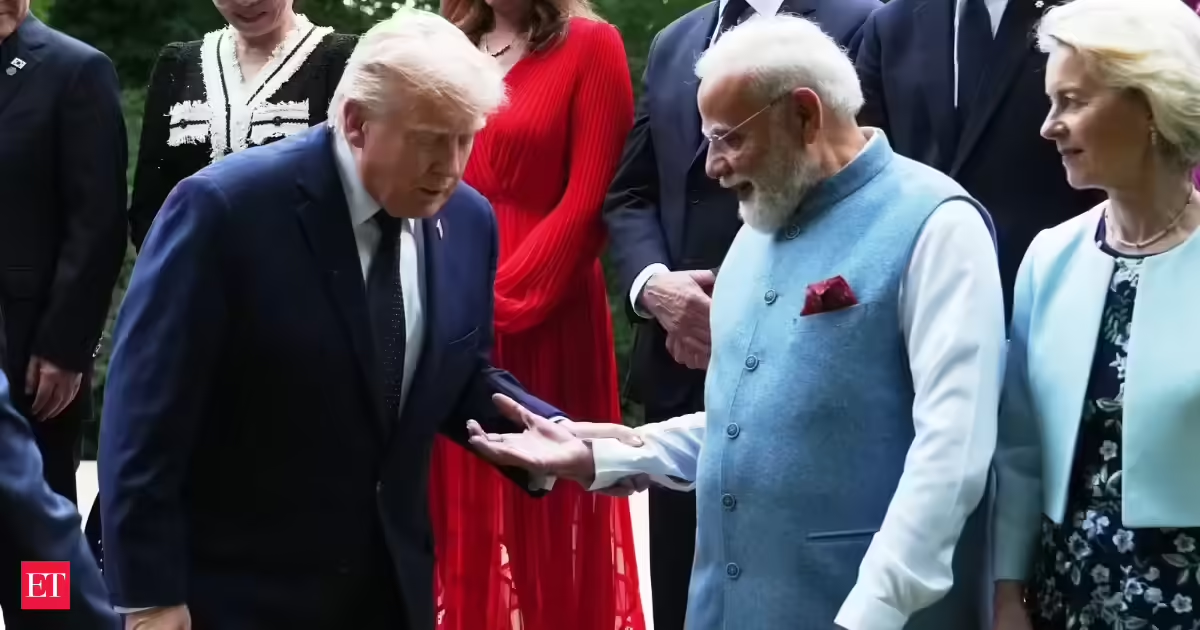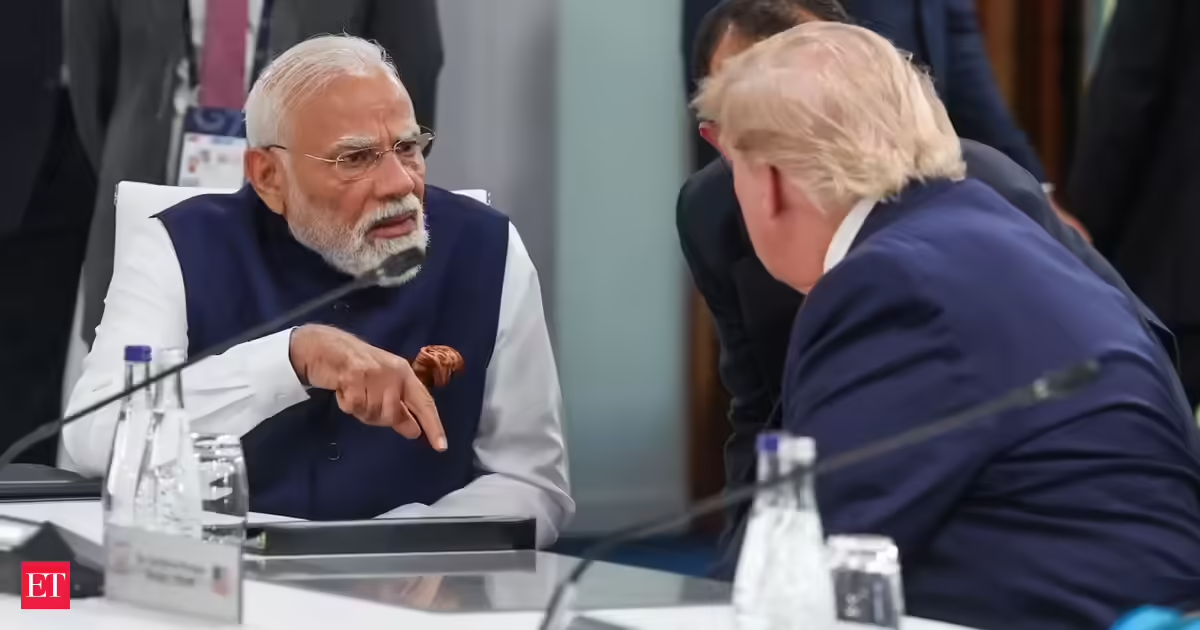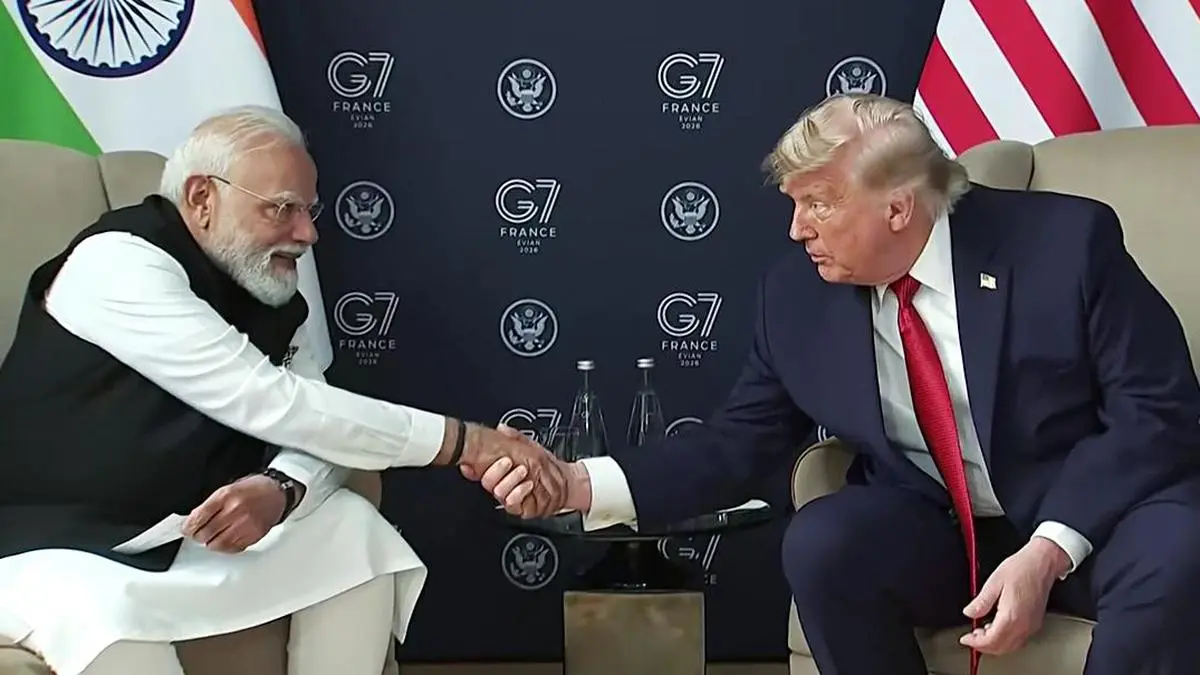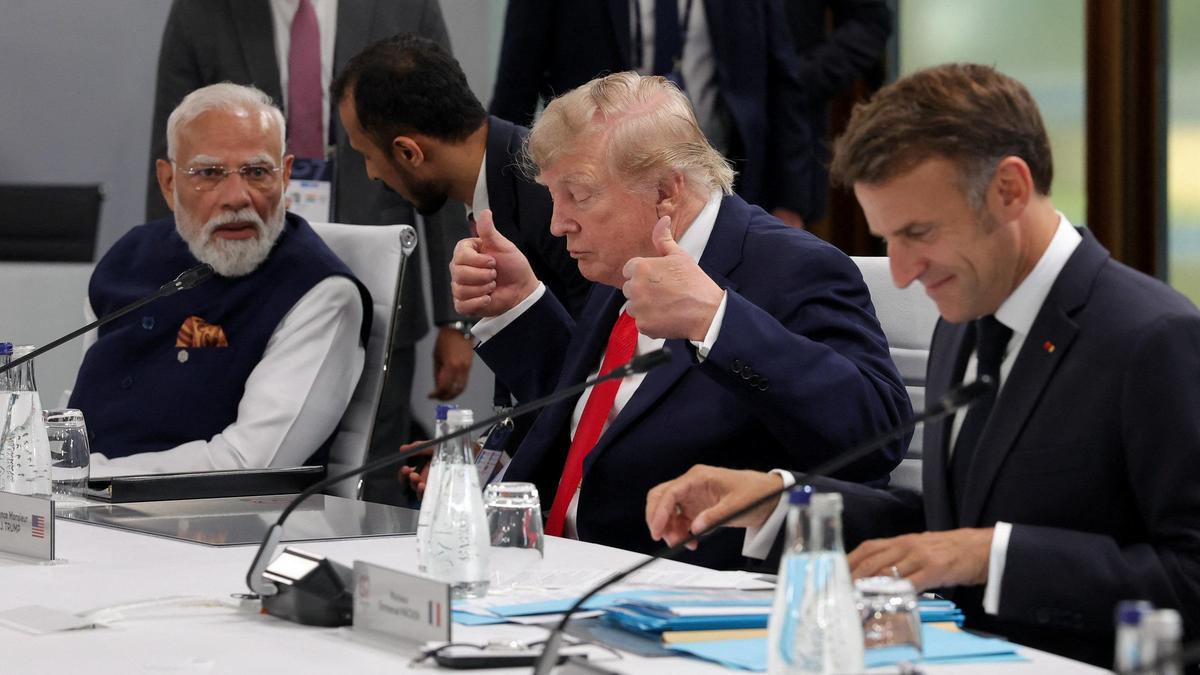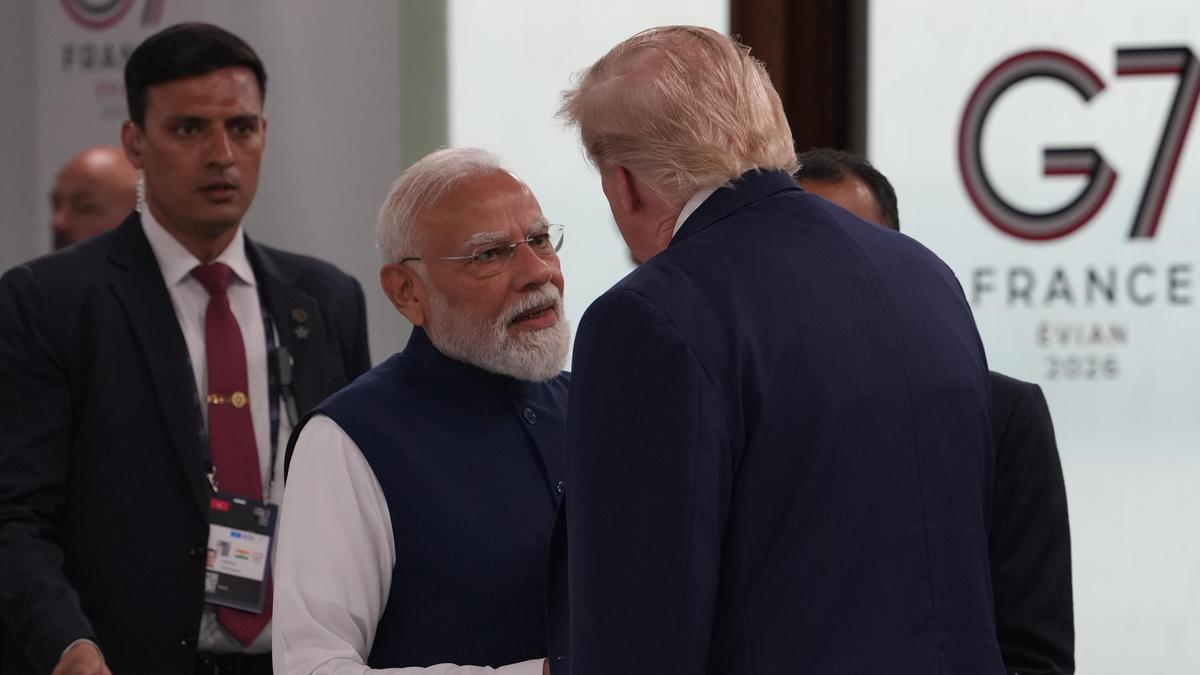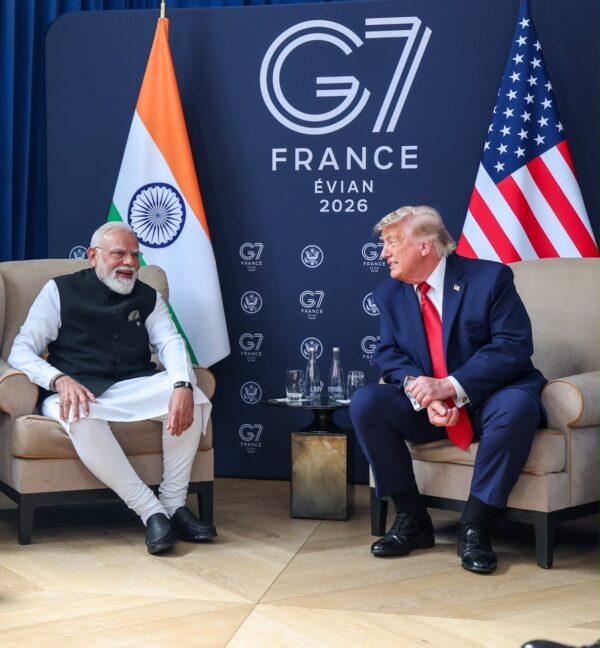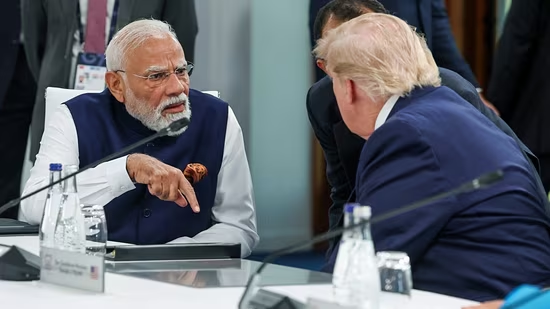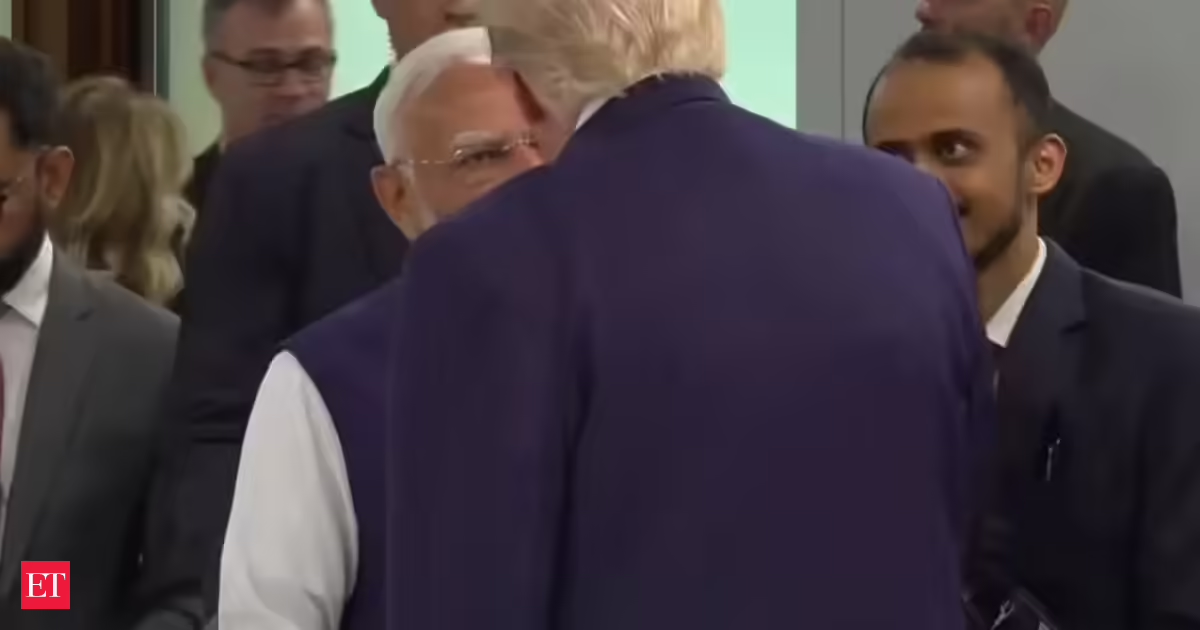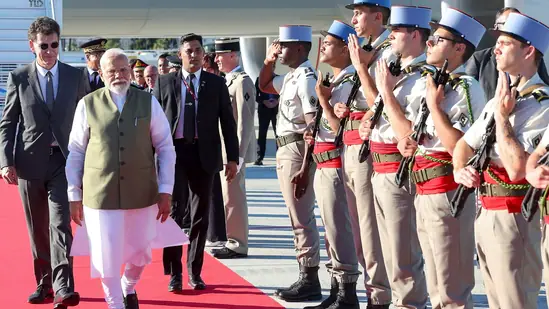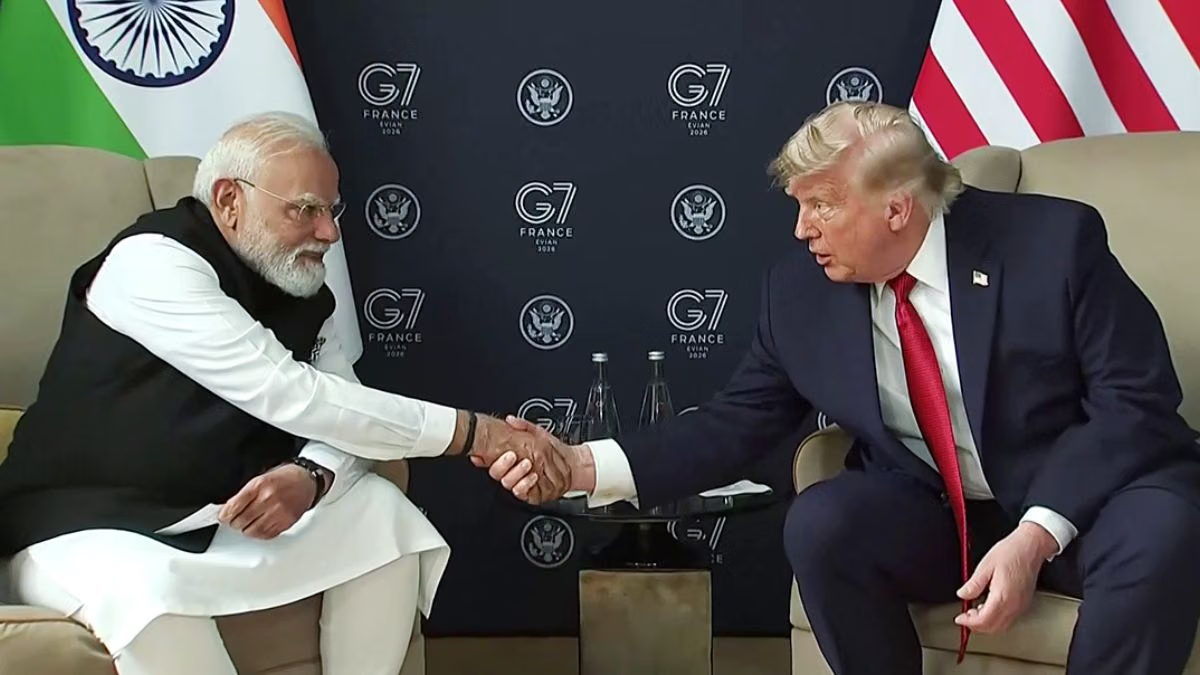
Indian strategic circles and the media were keenly following the proceedings at the G7 summit in Évian-les-Bains, France. Prime Minister Narendra Modi met President Donald Trump in person after 16 long, bruising and bumpy months in India-US relations.
Differing opinions floated in the hours before the meeting began: Should the PM have agreed to it? Or should he not have? The former argued that it was time for the two leaders to meet in person and repair the most consequential relationship of the 21st century. The latter argued that the PM was better off avoiding a grumpy Trump, unable to find a favourable victory in Iran and frustrated with both Benjamin Netanyahu and Mohammad bin Zayed.However, to begin with, this much-awaited meeting turned out to be significant not because it produced any major breakthrough, but because it avoided a breakdown.
That may sound like a low bar for two leaders who, not long ago, portrayed one of the warmest personal friendships in international politics. Yet, reeling under the pressure of tariff disputes, the Operation Sindoor ceasefire, differences over Pakistan, the purchase of Russian oil, the deaths of Indian seafarers in US strikes, and several statements undermining India and its economy, the fact that the bilateral passed without drama was itself notable and, may I say, a relief.The optics were certainly positive but operated in an air of caution. Trump described his meeting with Modi as “very good”, called him a “tough negotiator”, and spoke about future engagement with India. Modi, in turn, spoke of the relationship acquiring “new speed and new energy”. Officials on both sides highlighted progress in trade negotiations and reiterated their commitment to deepening strategic cooperation. The atmosphere was cordial, but it was also carefully calibrated.Beneath the smiles lay grievances over the deaths of the seafarers, which Modi mentioned but was unable to extract an apology for from a self-assured Trump.