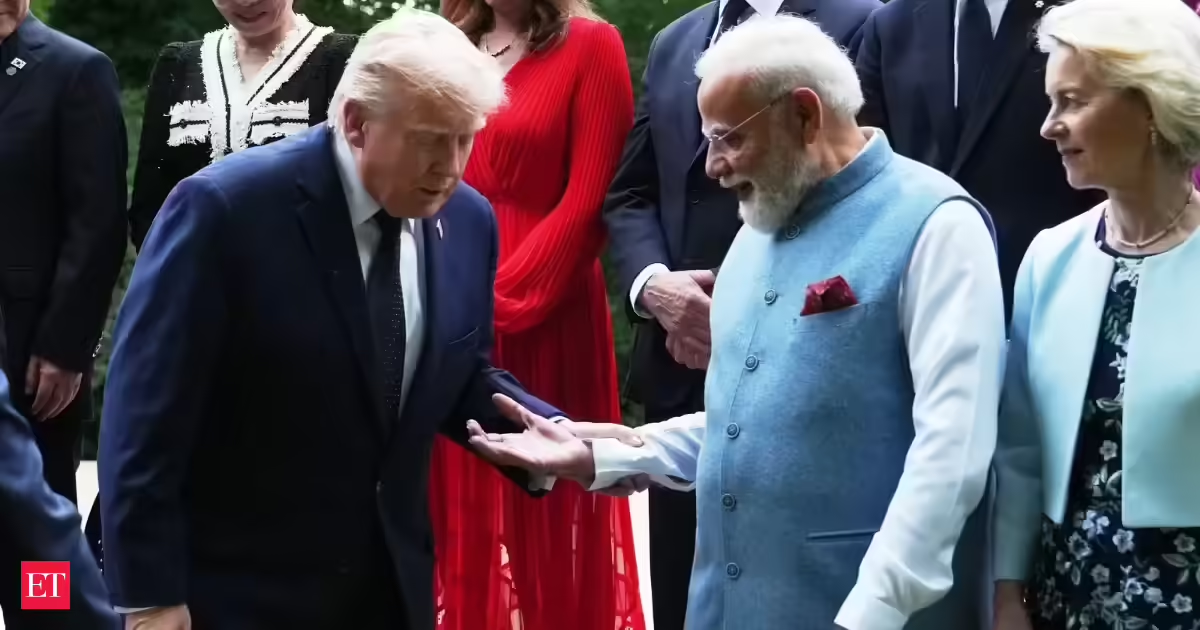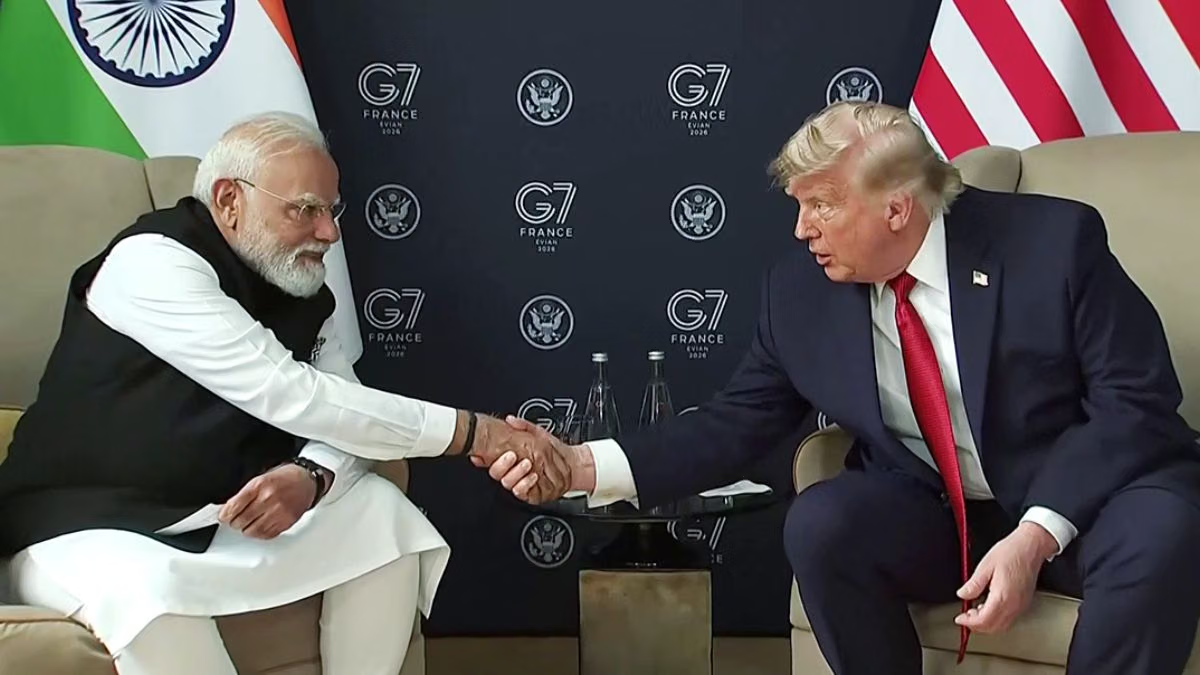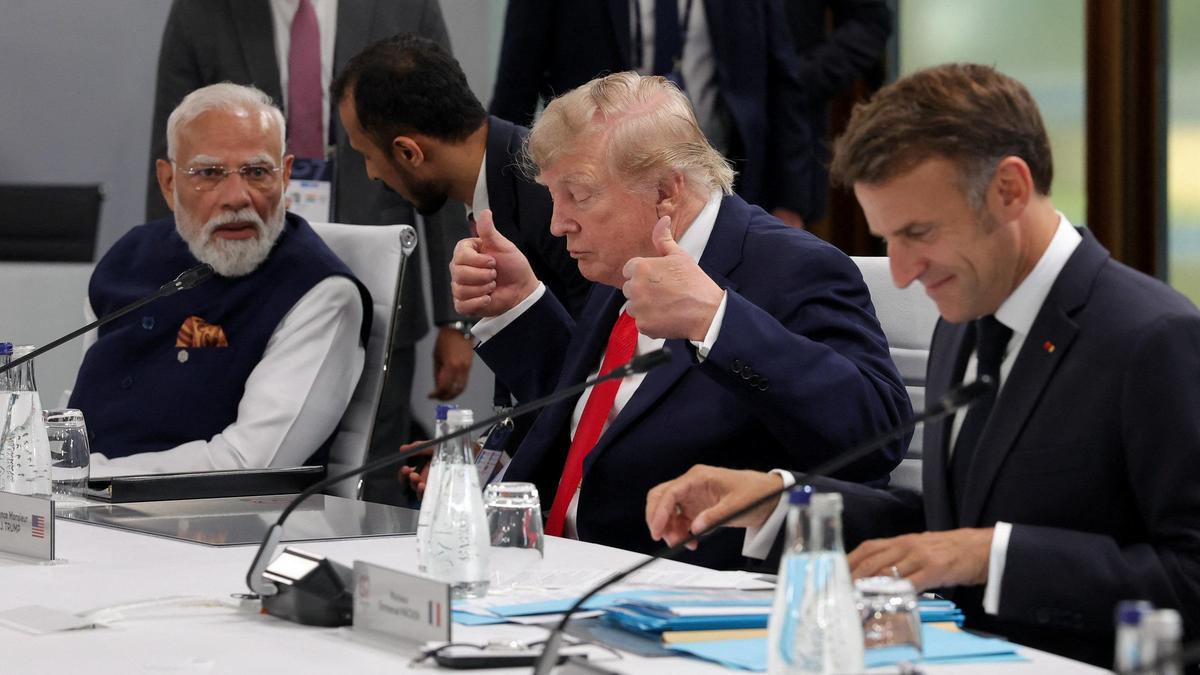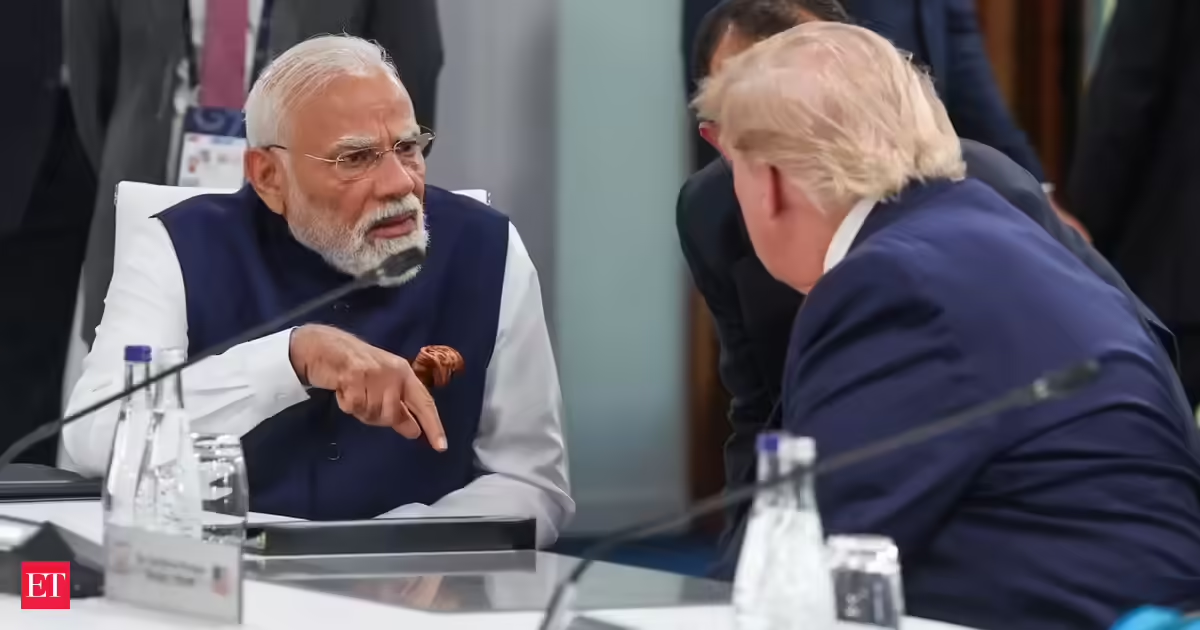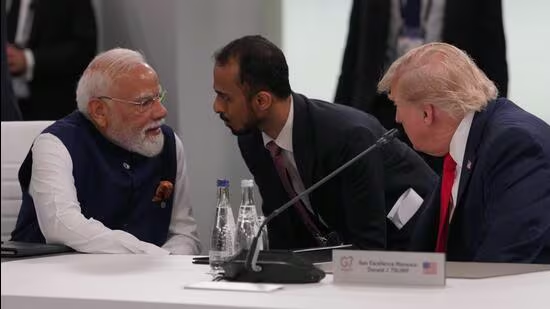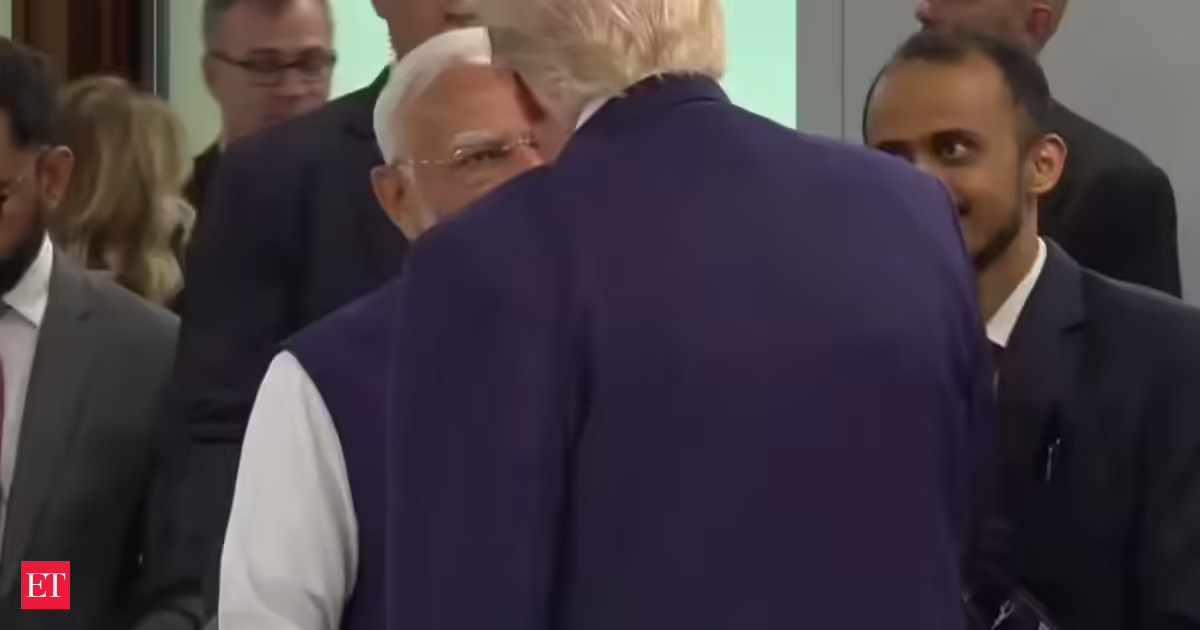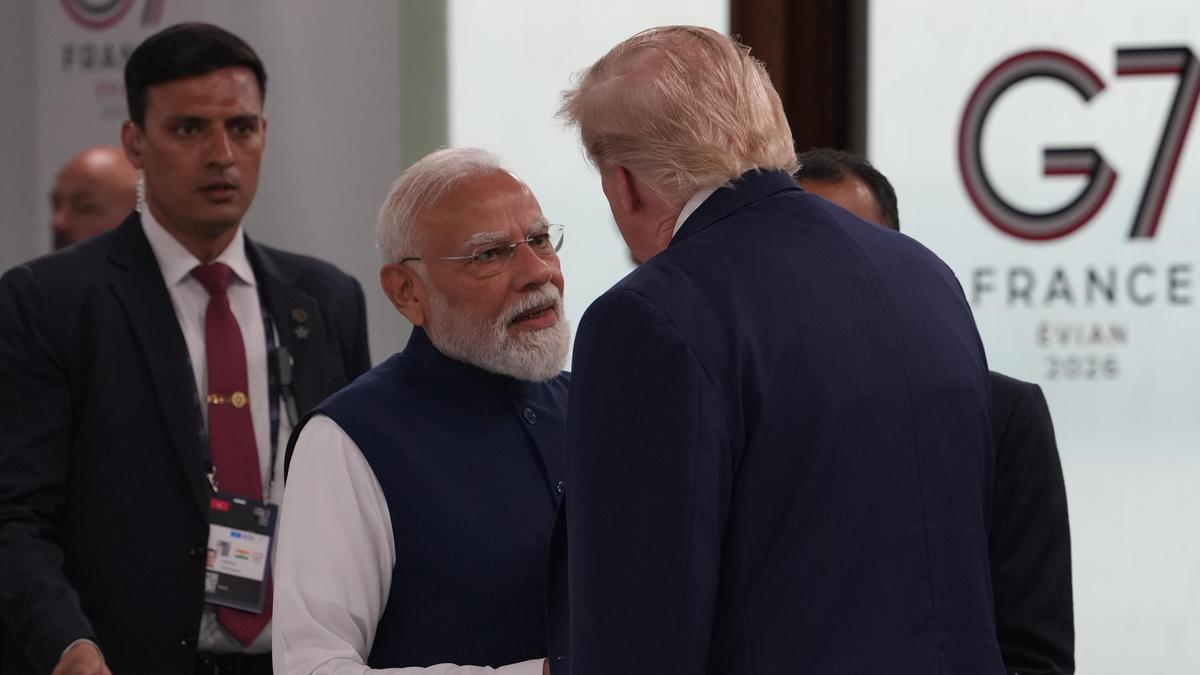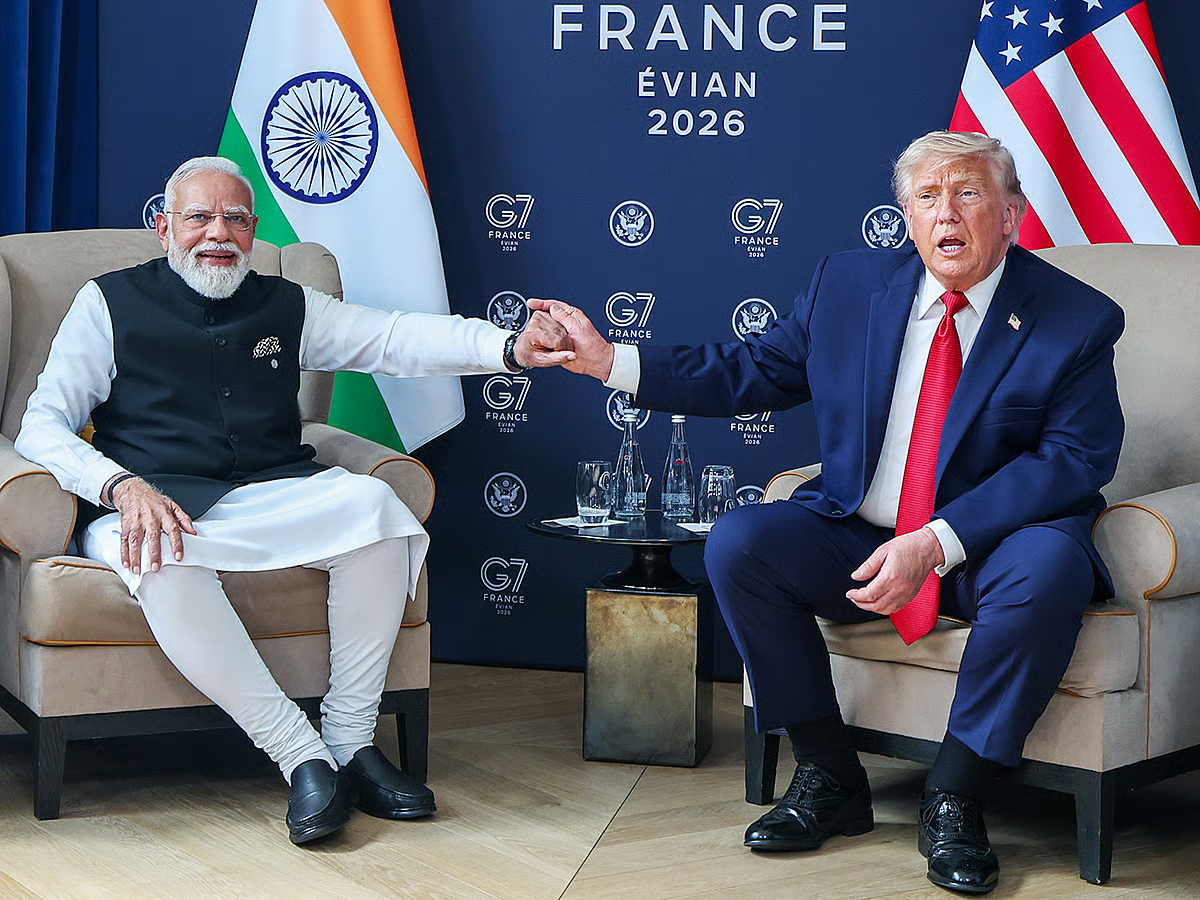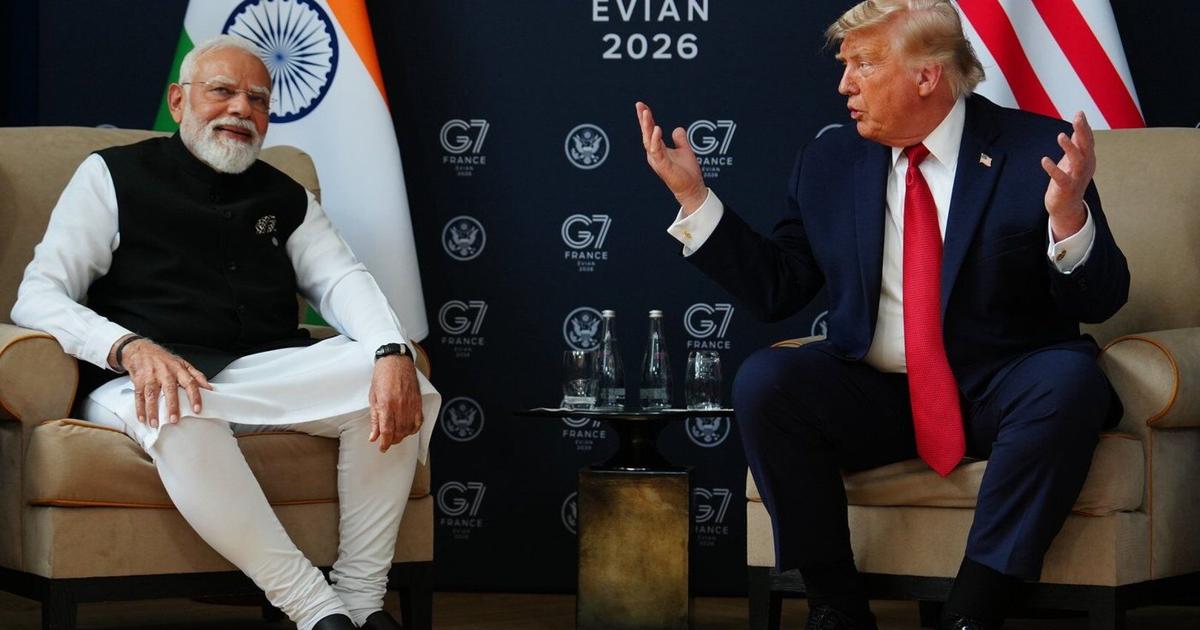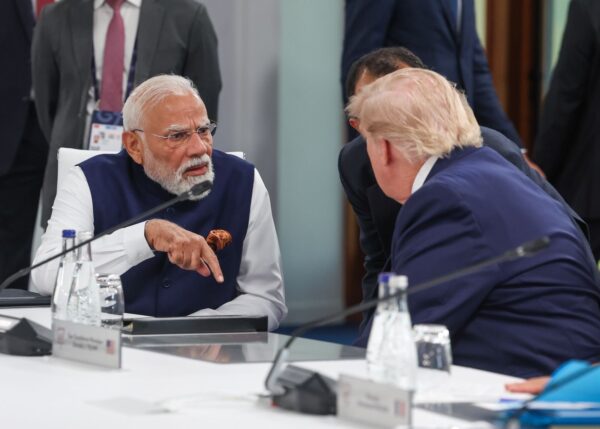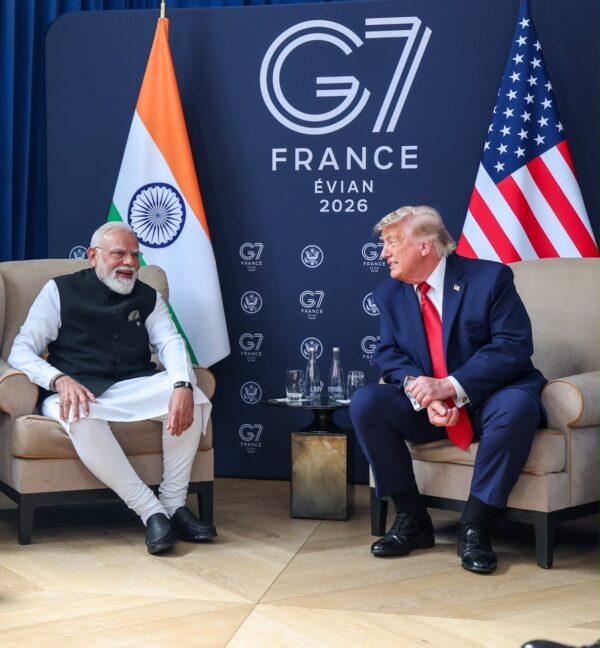
U.S. President Donald Trump finally met Indian Prime Minister Narendra Modi at the G-7 summit after a 16-month hiatus. During this period, according to many observers of India-U.S. relations, the bilateral relationship has deteriorated significantly. A partnership that had been gaining momentum took rapid strides in the opposite direction – most recently (and most tragically) with the killing of three Indian sailors by the U.S. military.
Much was expected from their meeting on the sidelines of the G-7 summit at Evian in France. It offered both leaders, and both countries, an opportunity to press the reset button and acknowledge the deeper structural reasons for them to remain partners. Their relationship rests on shared strategic interests, expanding economic ties, robust people-to-people relations, and a broad convergence on the need to ensure that China’s rise does not destabilize the global order.
Despite the fact that Trump and Modi are right-wing populist leaders who often override democratic and pluralist values, both the United States and India continue to invoke democracy and pluralism as part of their global identity. These shared values can further cement their partnership. The G-7 meeting was a chance to arrest the drift, repair trust, and restore purpose to what former President Joe Biden once described as one of the most consequential relationships in world politics.