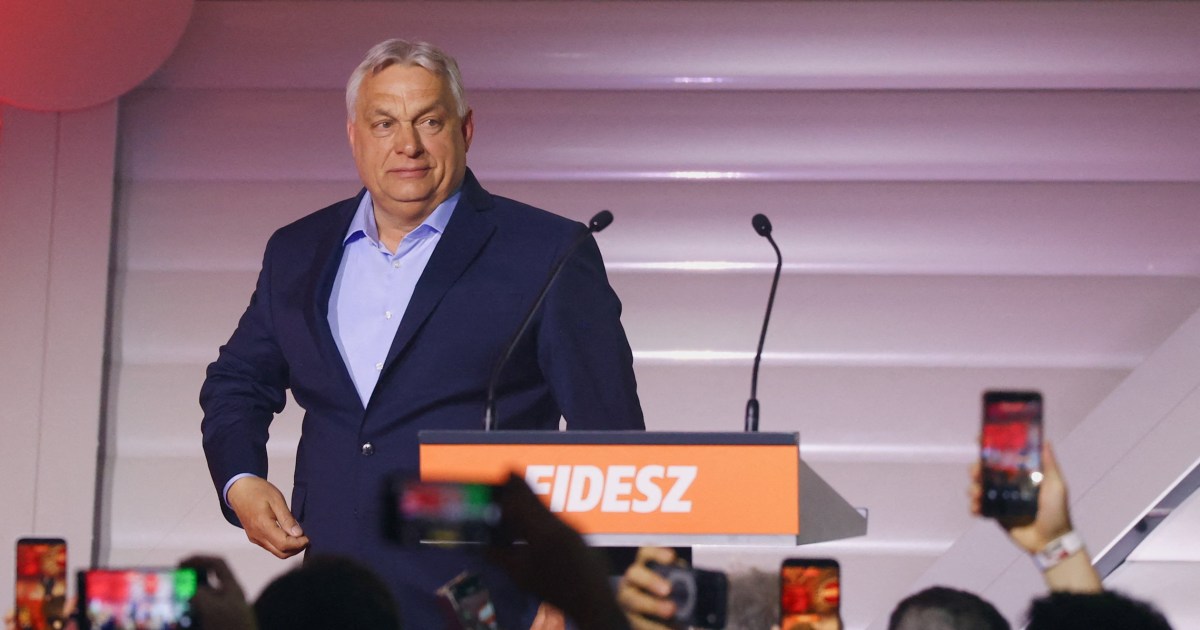
Viktor Orban’s defeat has triggered a collective sigh of relief across Europe and beyond. Following closely on the heels of former President Jair Bolsonaro’s exit in Brazil, the demise of the Hungarian strongman seems to signal the beginning of the end of the recent strongman era.
This, however, would be a dangerous misreading of the global trajectory.
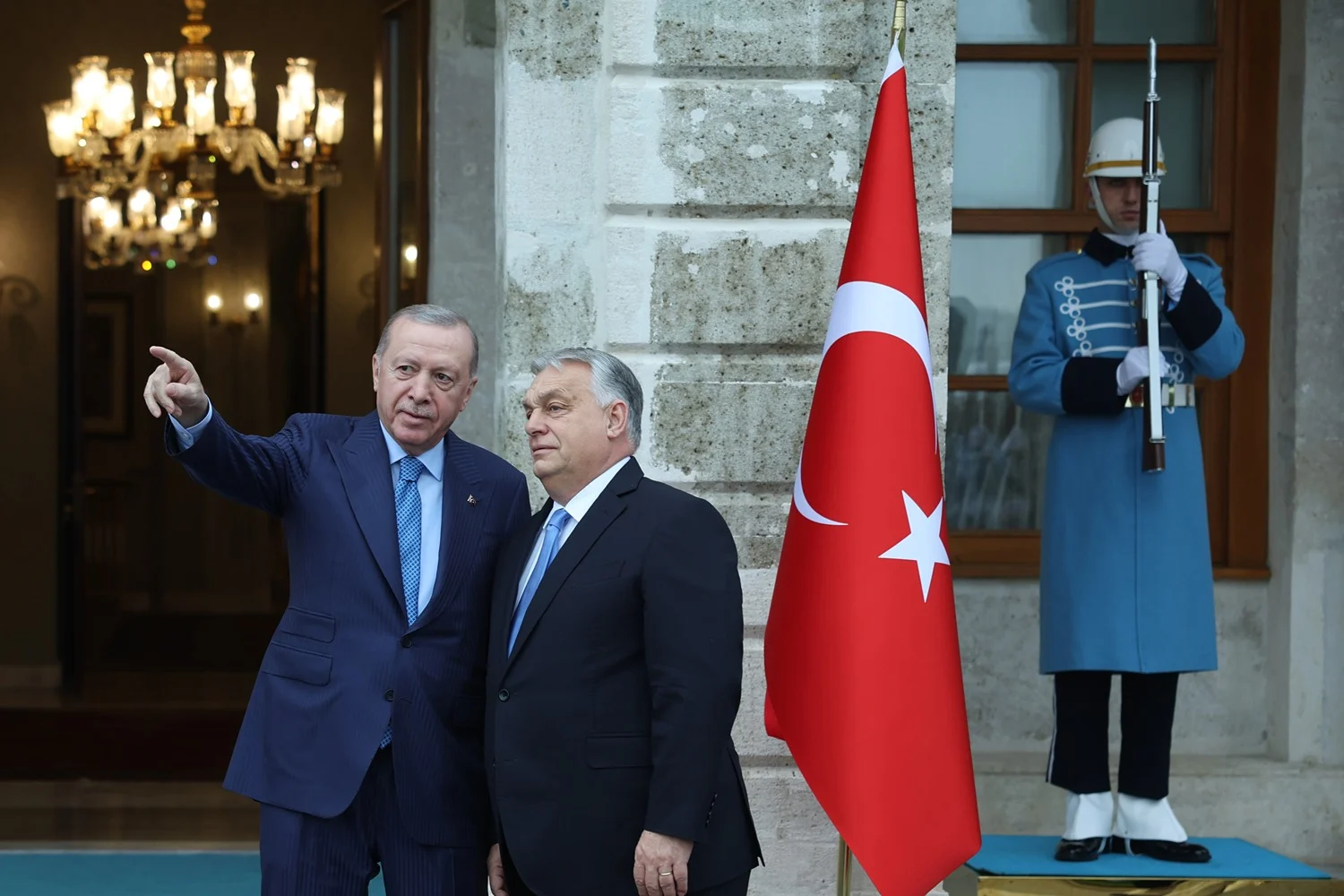
The Hungarian specifics should already caution us against an overly optimistic reading. Peter Magyar was an insider who campaigned on a rather restricted message—there is still a lot, some would say a shocking amount, of what we do not know about his politics. Ultimately, it appears, cost-of-living topics were central and brought voters on board for a change. It is questionable just how much the Hungarian model of transition can be replicated in other places. Would Turkish voters, for example, flock to such a narrow platform?
Never mind that Magyar commands a supermajority in parliament and can now dismantle the Orbanist system—focusing too much on the Hungarian mechanics might lull us into a false sense of security. First of all, there are still lots of countries with wannabe strongmen testing out lessons from the playbook: Serbia, Slovenia, Slovakia, and Georgia are sometimes mentioned in this context.