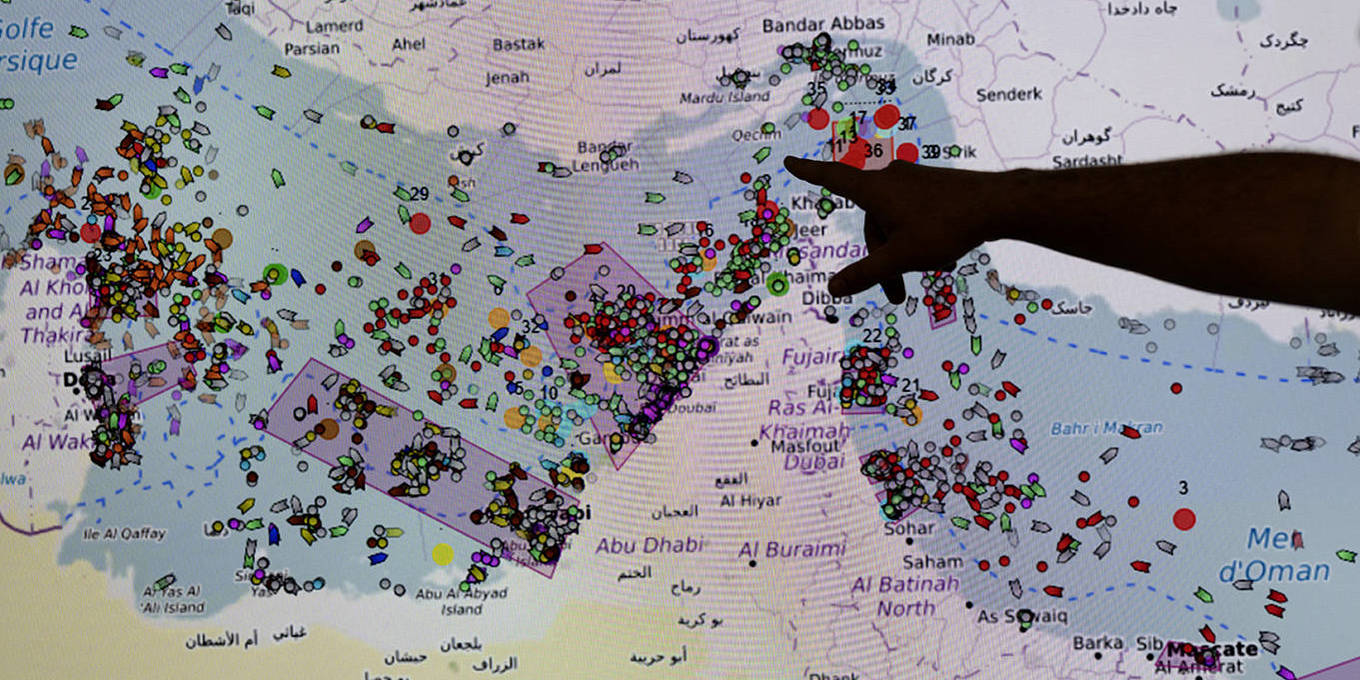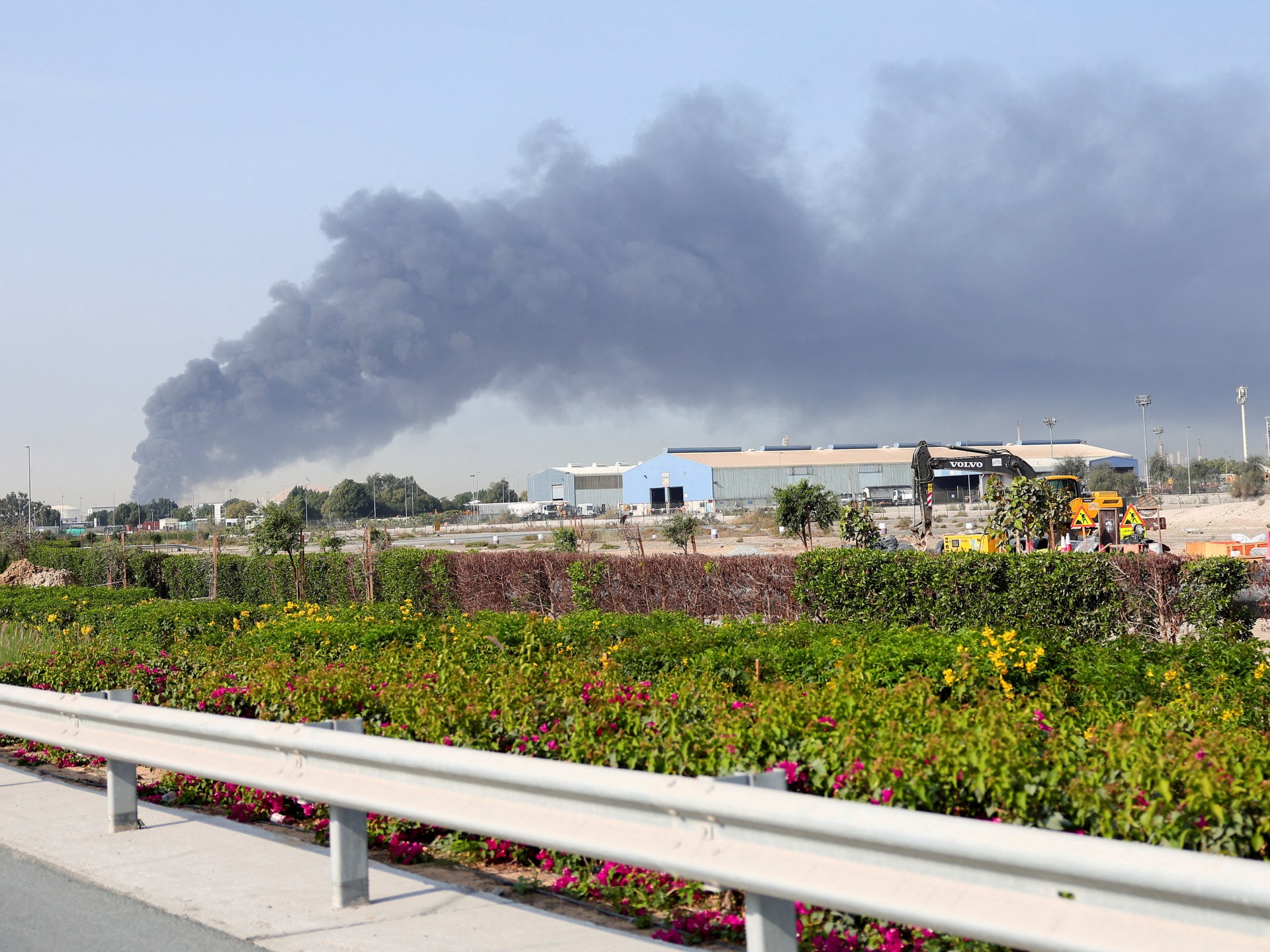
Far beyond military outcomes, some wars have the capacity to reshape the region. Iraq’s invasion of Kuwait in 1990 reorganised the Arab regional order around the American security umbrella, while the 2003 US invasion of Iraq unleashed a wave of sectarian conflict that defined the Middle East for nearly two decades.
The recent US-Israeli war against Iran may play a similar role. It has exposed the limits of Washington’s ability to guarantee security for its Gulf partners, and pushed several regional powers to explore new forms of coordination in an increasingly volatile environment.
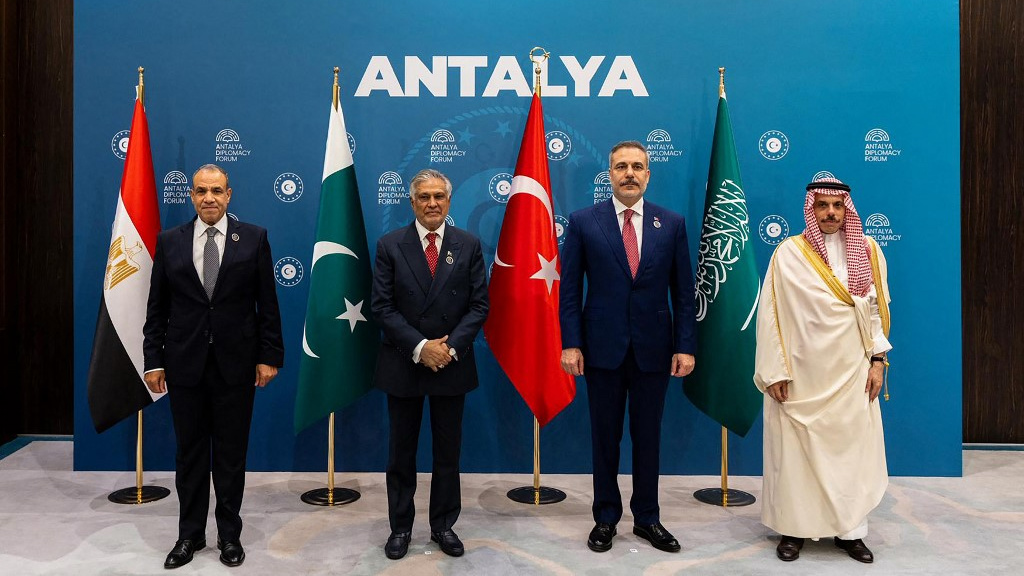
Signs of growing alignment have emerged among Saudi Arabia, Turkey, Egypt and Pakistan. Their increasingly coordinated positions on regional crises stand in contrast to the growing ties linking Israel, the United Arab Emirates, India, Greece, Cyprus and Ethiopia.
One of the most significant lessons of the war on Iran has been the exposure of the security formula that governed the Gulf for decades.
Over the years, the US has invested heavily in a network of military bases, early-warning systems and missile-defence capabilities across the region, presenting itself as the guarantor of Gulf security.