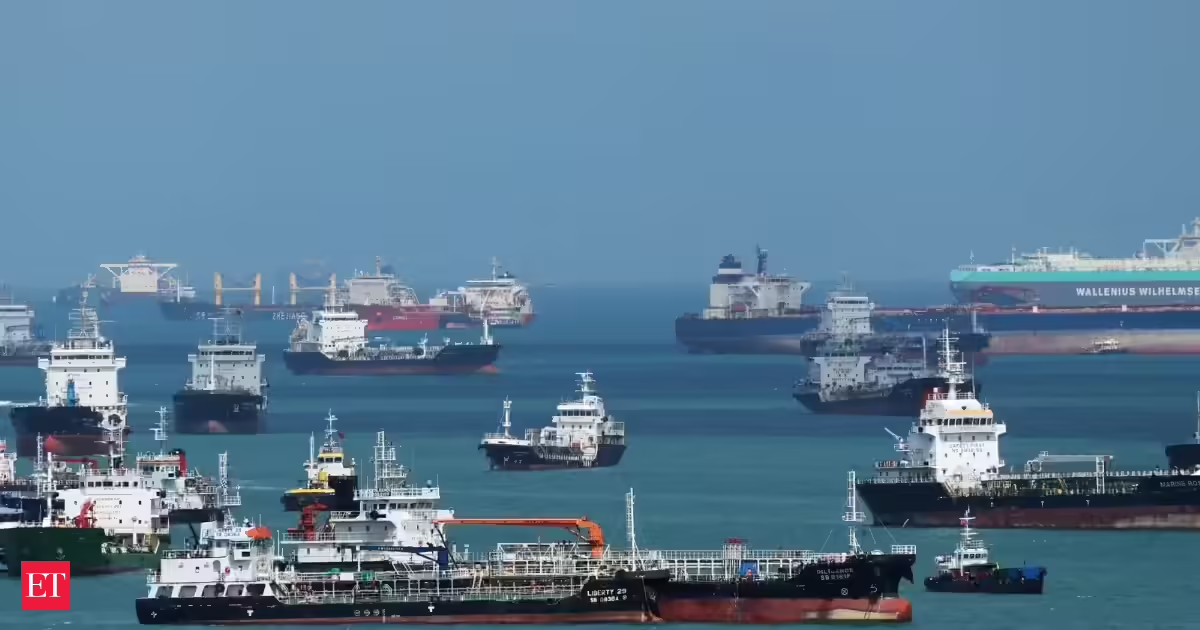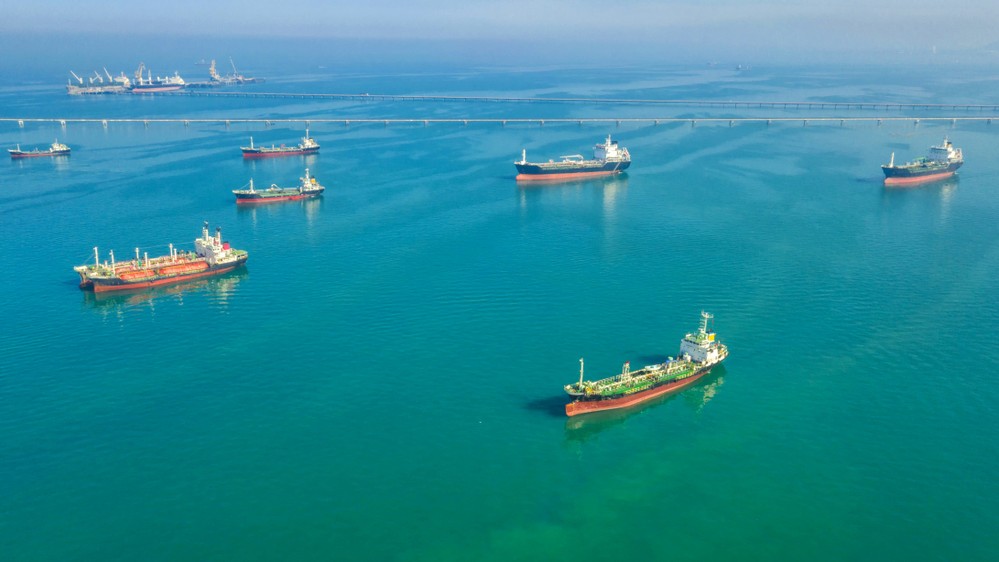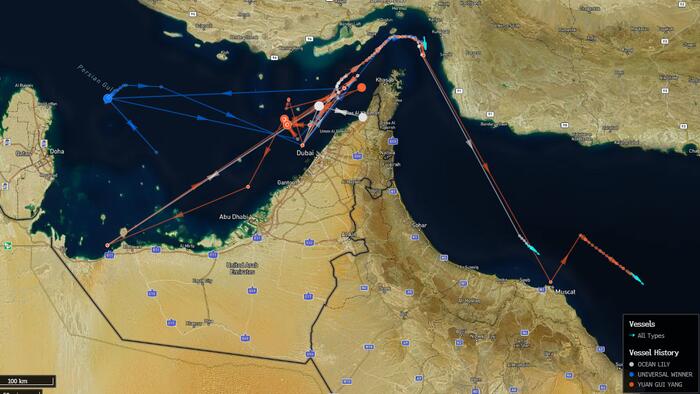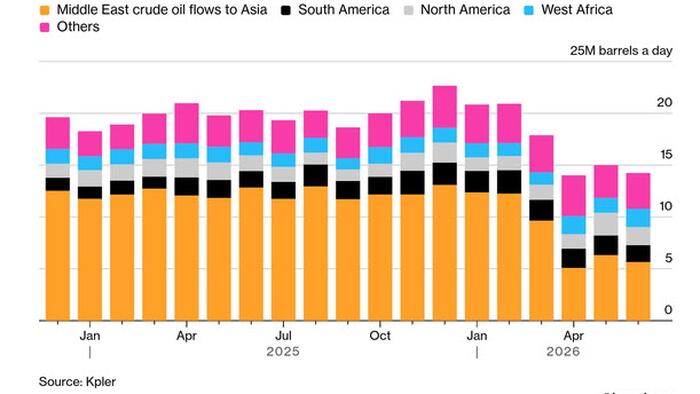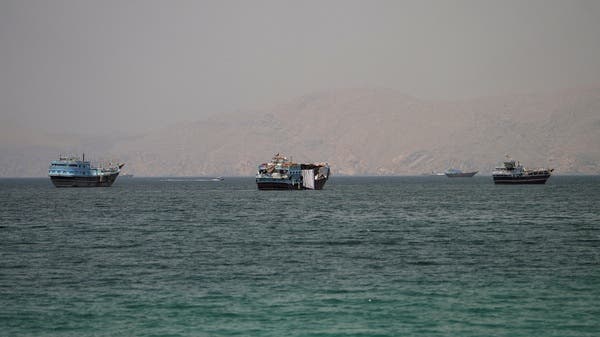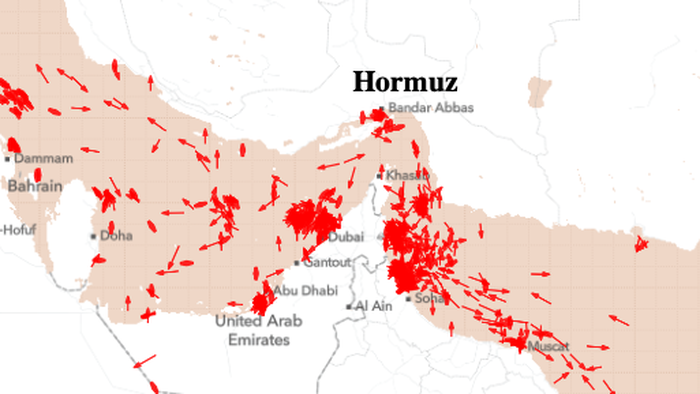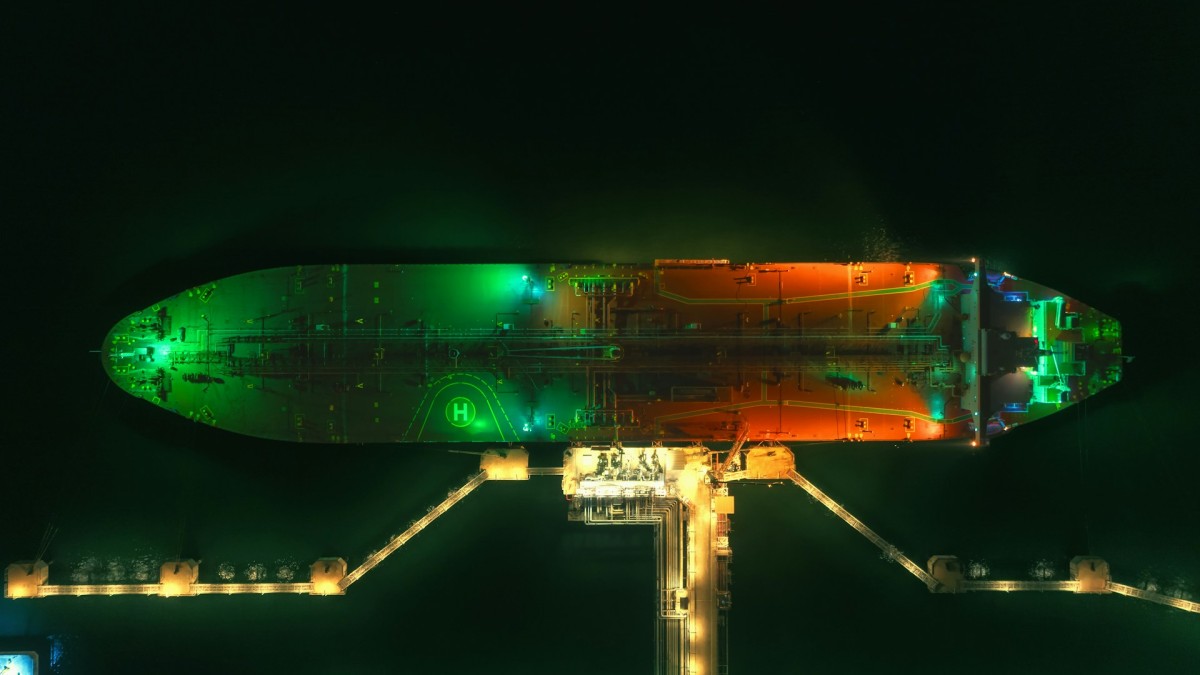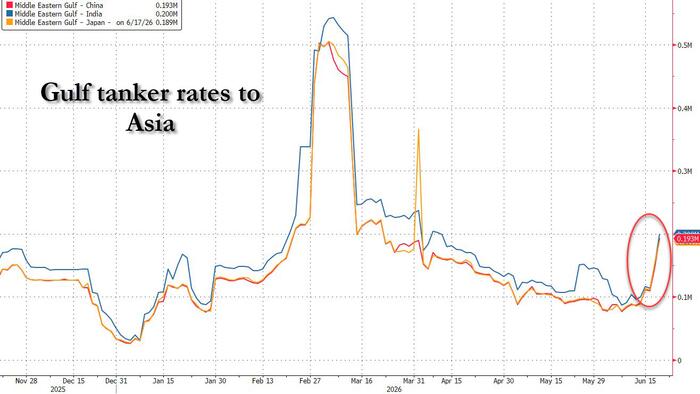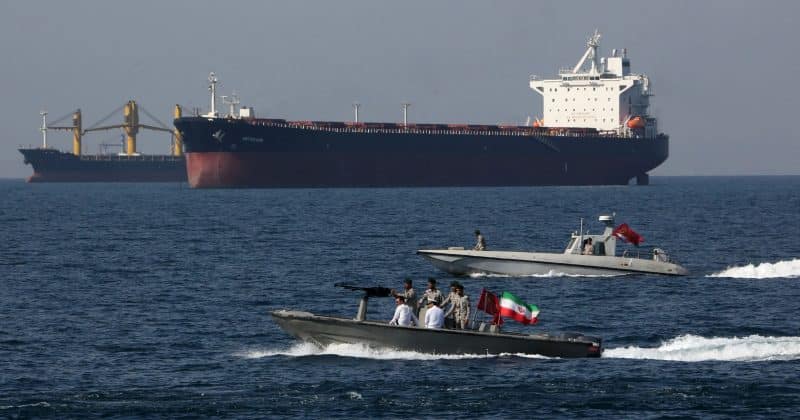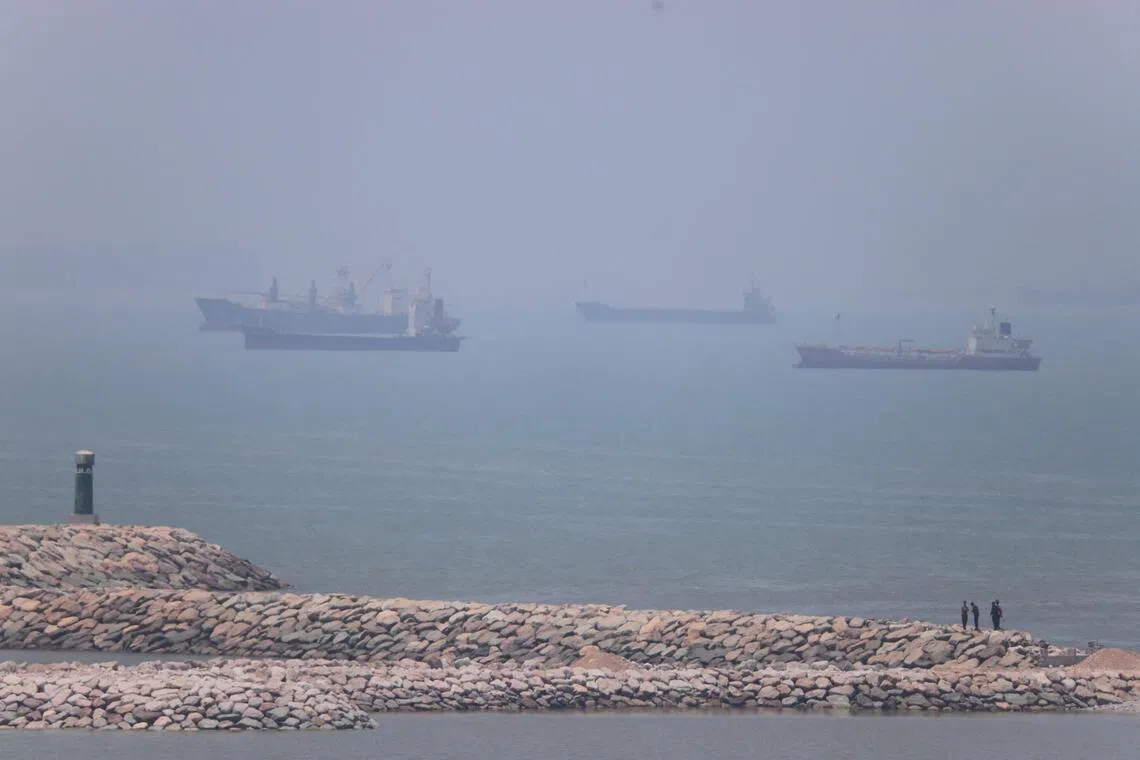
Singapore – Supertankers laden with almost 80 million barrels of oil are sitting in the Persian Gulf and ready to cross the Strait of Hormuz at a moment’s notice, if traders and shipowners give the go-ahead. This non-sanctioned crude from Persian Gulf producers excluding Iran is on 40 very large crude carriers in the gulf, data from Vortexa compiled by Bloomberg show. The volume of crude in the gulf is likely to be higher if smaller tankers are added to the tally. In 2025, about 15 million barrels a day of oil from the region was delivered to Asia.The oil and shipping industries are watching closely for signs of more activity in the strait, after the United Straits and Iran signed an interim deal aimed at resuming traffic through the waterway. Crude tankers, with their valuable cargoes, are likely to be among the first types of vessels to attempt the passage.Some 21 of the supertankers are indicating that they’re headed to Asia, with five signaling China as their destination. Another five are sailing to transshipment hubs off Singapore and Malaysia. At least three appeared to be heading east toward the strait at regular speeds as of the morning of June 19.The volumes of crude heading to Asia bode well for buyers in that region that’s heavily reliant on Middle Eastern crude. During the war, Asian refiners had to cut runs and countries had to draw on stockpiles in order to cope with the sudden shortfall of oil. There is still confusion over the exact status of the strait. Three Saudi supertankers reappeared in the Gulf of Oman on June 18, an indication vessels were starting to move, but maritime trade group BIMCO warned that significant safety and security risks to shipping remained, despite the US-Iran agreement to permit transits.While there’s a lack of clarity, optimism over the potential reopening appears to have given shipowners and charterers sufficient confidence to send vessels through the strait in recent days. Ships carrying nearly 10 million barrels of oil either emerged outside the strait or were sailing through it on June 18, including the Saudi-owned VLCCs, ship-tracking data showed.The exact tally of vessels and their cargoes may change as more information comes to light. Some ships have turned off their transponders for security reasons, while others may have their signals affected by electronic interference. Vessels may also switch destinations. BLOOMBERG
Supertankers ready to pass Strait of Hormuz
Almost 80 million barrels of oil sit on supertankers in the Persian Gulf, ready to transit the Strait of Hormuz pending trader and shipowner decisions. Read more at straitstimes.com. Read more at straitstimes.com.
396 words~2 min read