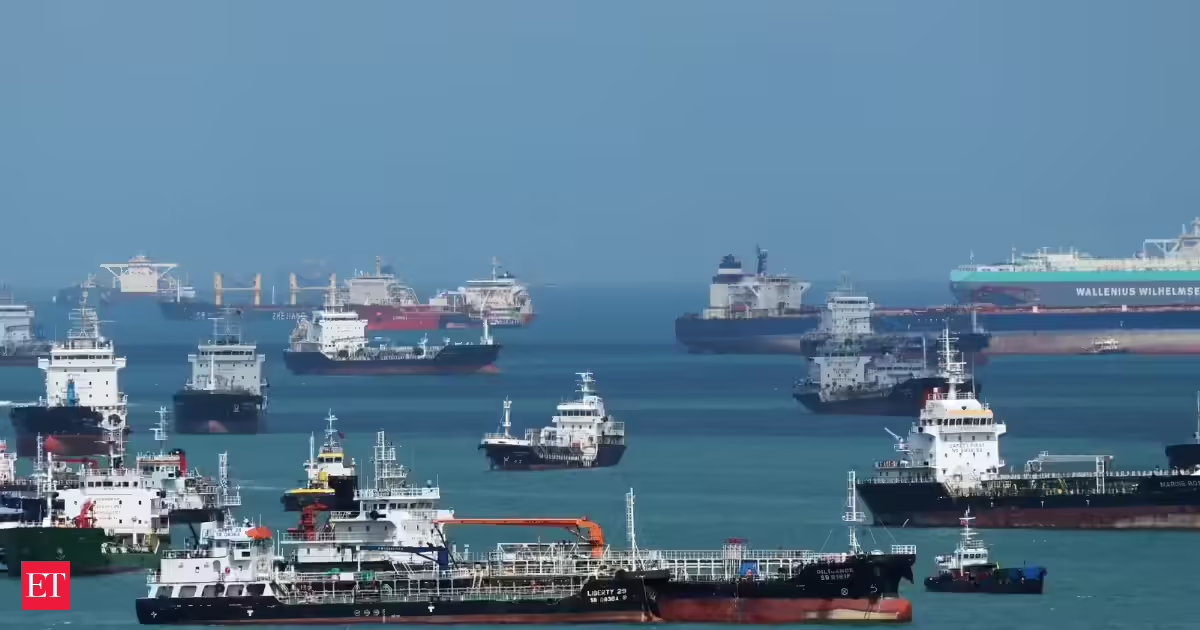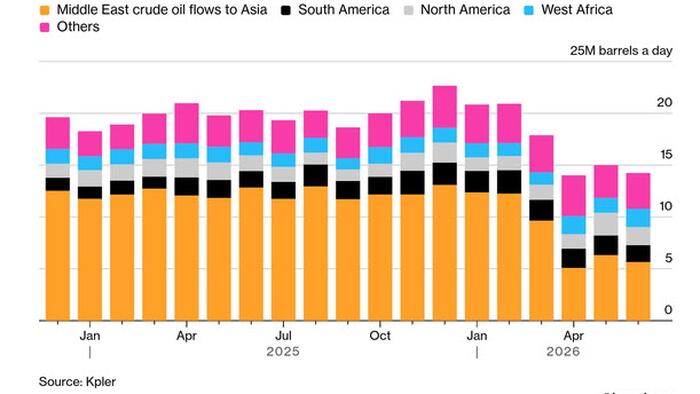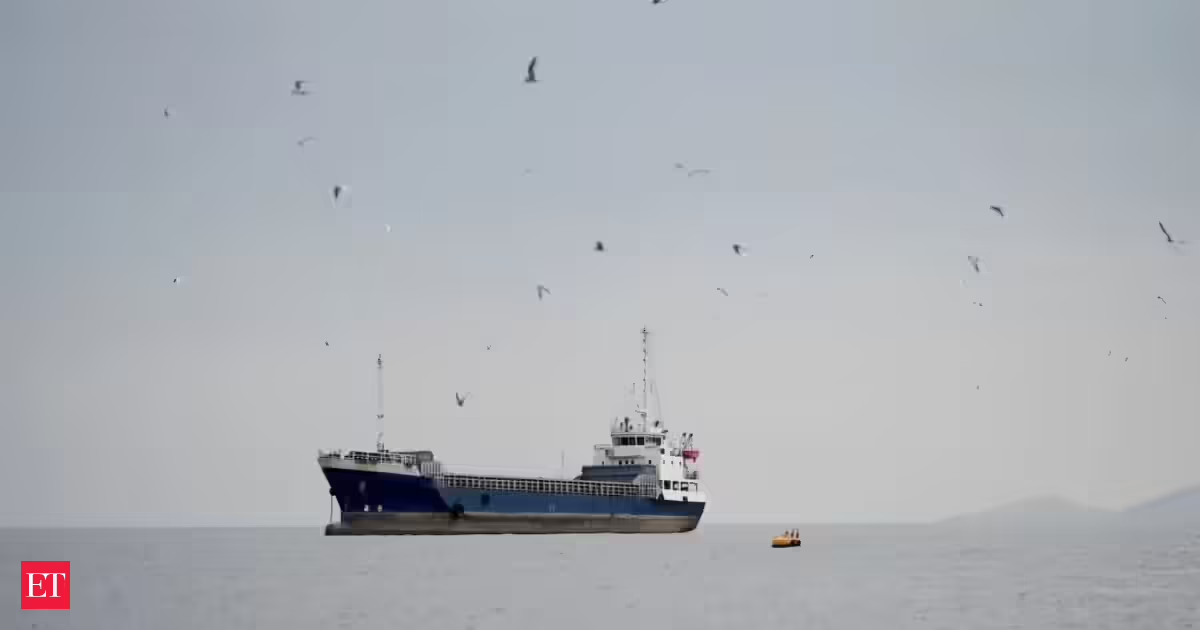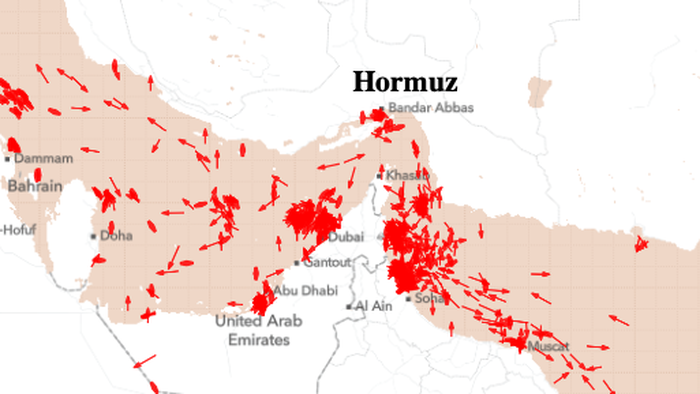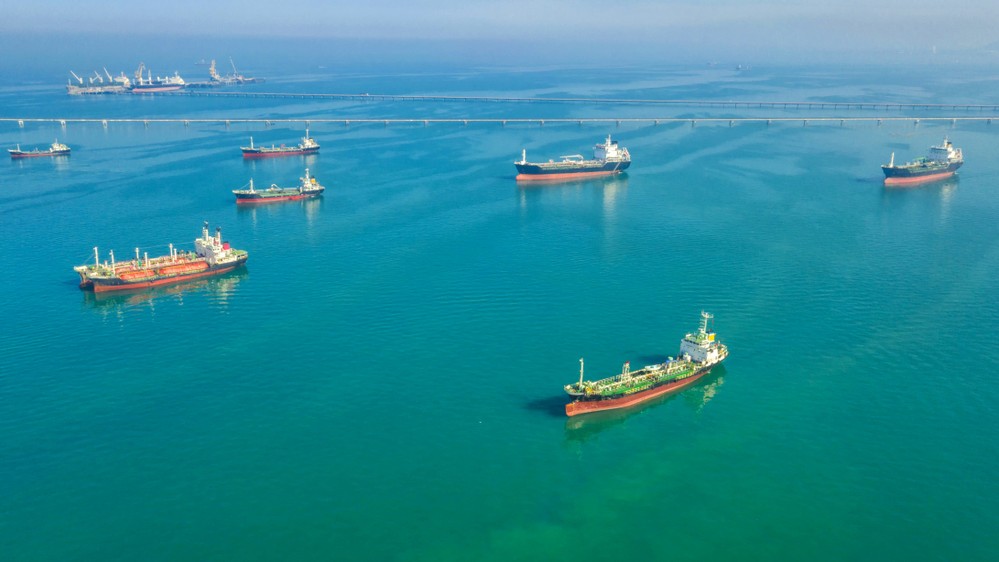
Tankers carrying a total of 80 million barrels of crude are preparing to move through the Strait of Hormuz after the signing of the preliminary deal between the United States and Iran, Bloomberg reported today, citing data from Vortexa.The crude is on 40 tankers, of which 21 will be heading for Asia, with five going to China as their final destination and five others bound for Malaysia and Singapore, key regional transshipment hubs. None of the tankers is carrying Iranian crude, Bloomberg also noted.On Thursday, Bloomberg estimated the amount of crude waiting to get the green light to pass through Hormuz at some 62 million barrels destined for Asian markets. The supply waiting to exit the Strait of Hormuz could prompt some refiners to increase processing rates or opt for replenishing commercial stock tanks that have been drawn down over the past three months, the report suggested.The news that there is so much crude about to head out into global markets will likely pressure oil prices further, after they slid down approaching pre-war levels already, even though some uncertainty remains as to the safe passage of tankers via Hormuz.There are, however, indications that both sides in the peace negotiations mean it this time, reducing the risk of a reignition in the hostilities that prompted the closure of the chokepoint. This led several oil price forecasters to slash their outlook on crude earlier this week, including Morgan Stanley, Goldman Sachs, and Citi. The latter is the most bearish, expecting Brent crude to average $75 per barrel in the next quarter. Morgan Stanley, on the other hand, sees Brent crude at $90 in the third quarter, despite the reopening of Hormuz.At the time of writing, Brent was trading at $79.96, with WTI at $75.97 per barrel, both slightly up from Thursday’s close.By Irina Slav for Oilprice.comMore Top Reads From Oilprice.comGermany Considers Extending Oil Reserve Relief Despite Falling PricesECB: Iran Peace Deal Won't Erase Europe's Energy Price ShockFalling Murban and Dubai Prices Open Arbitrage to U.S. and Europe
80 Million Barrels of Crude Are Lined Up to Exit the Strait of Hormuz | OilPrice.com
A backlog of 40 tankers carrying roughly 80 million barrels of crude is preparing to transit the Strait of Hormuz, raising expectations of increased global supply and additional downward pressure on oil prices.
335 words~2 min read