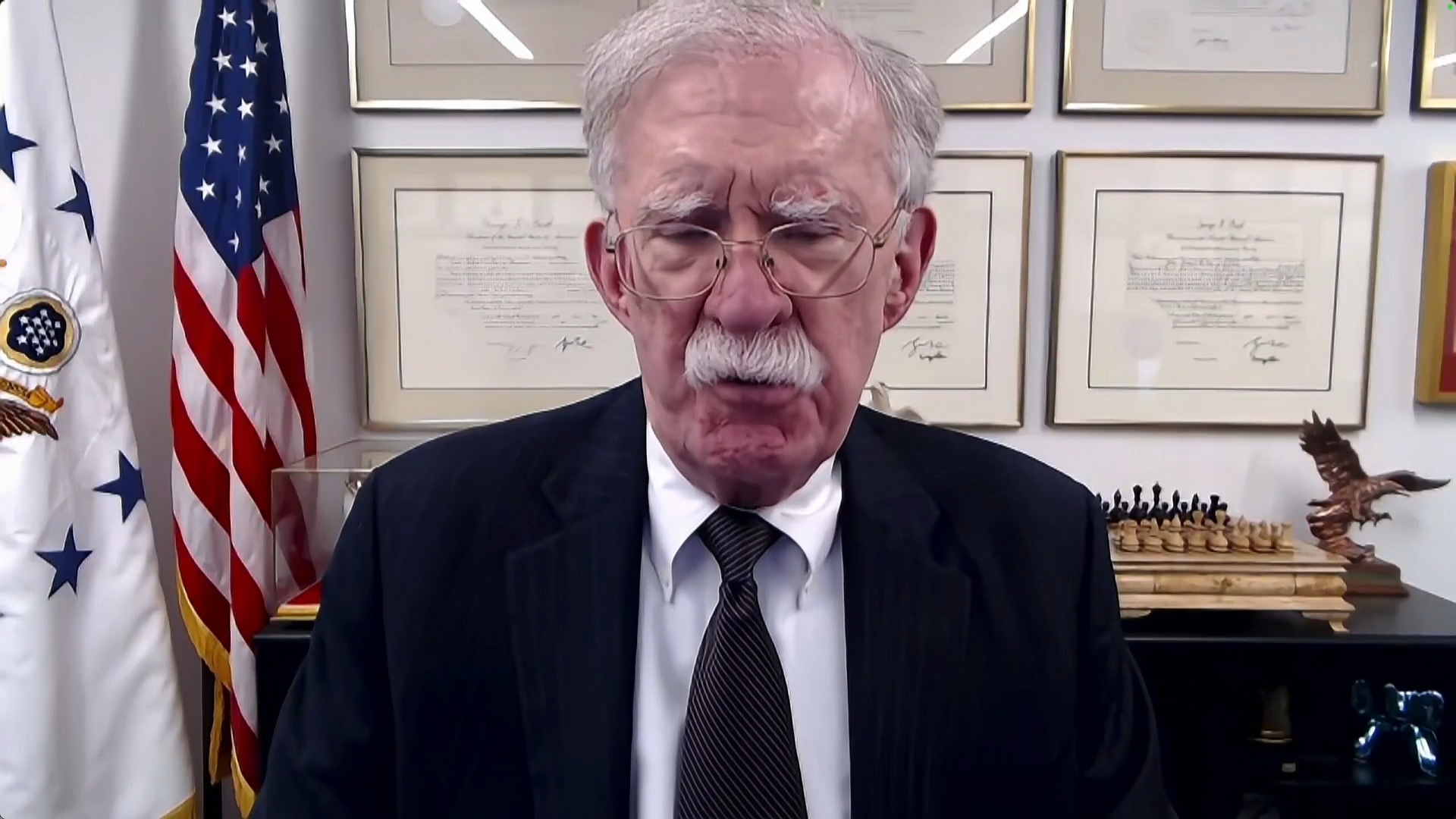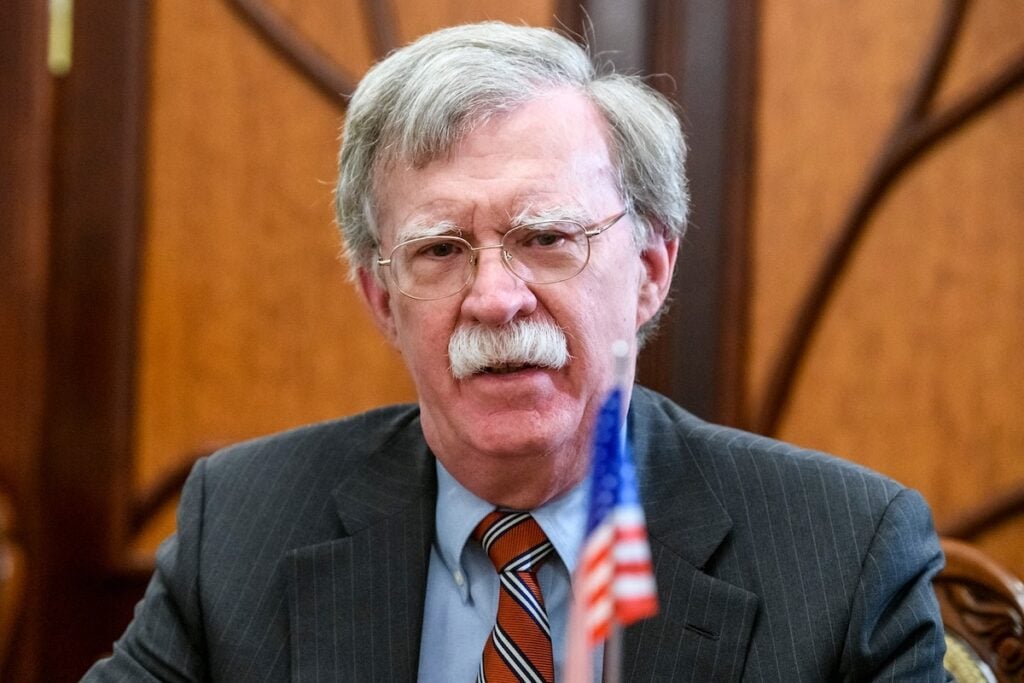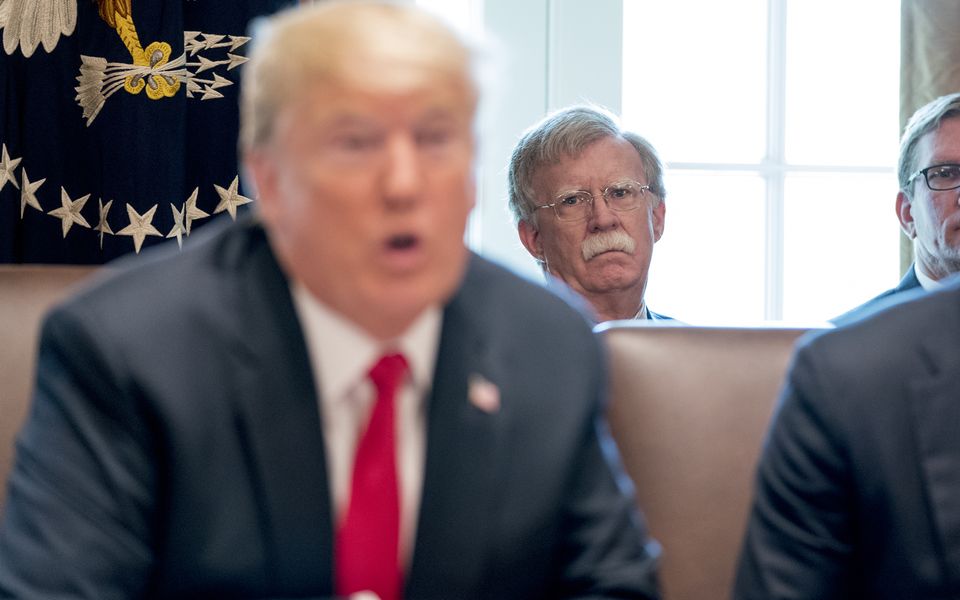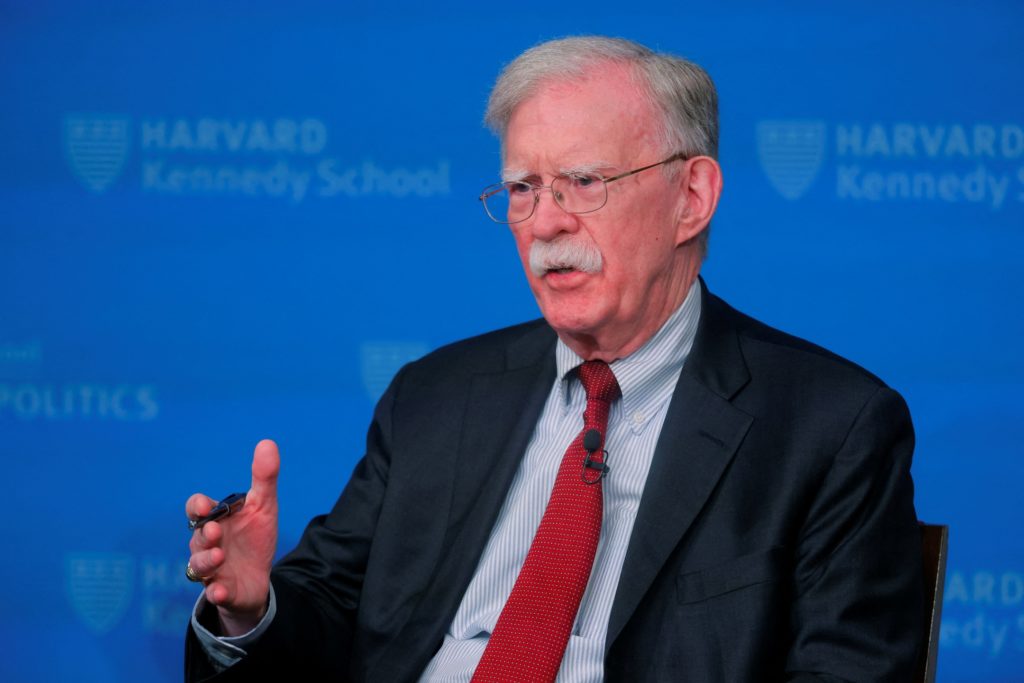
Former United States national security adviser John Bolton worked closely with President Donald Trump during his first term in the White House, but is highly critical of the president's current policies regarding Iran. He tells RFI why negotiations to end the Middle East war are likely to fail.
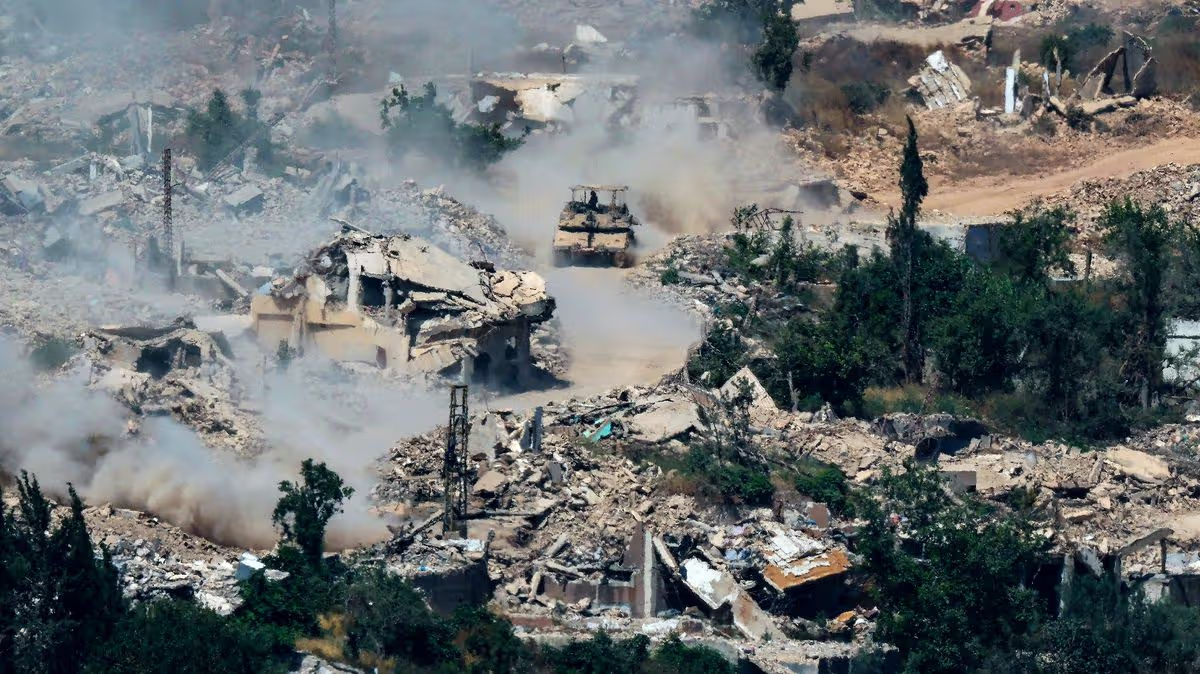
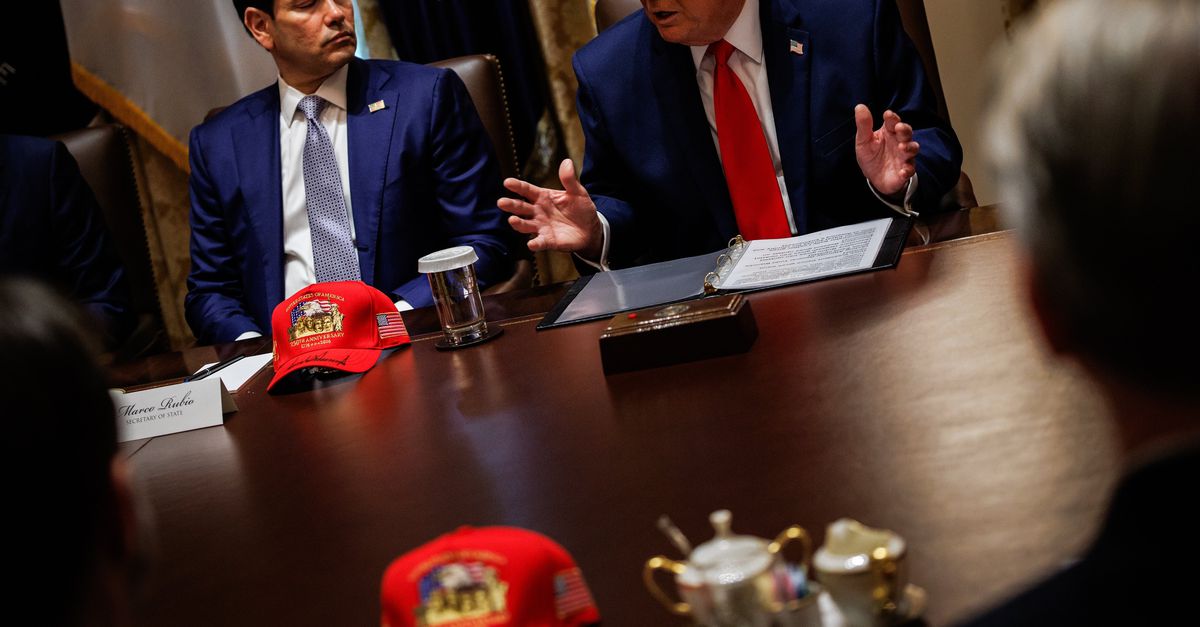
Trump and Iranian President Masoud Pezeshkian signed a deal on Wednesday intended to bring an end to the current US-Israeli conflict with the Islamic Republic. A two-month negotiation period now begins, with all eyes on the reopening of the Strait of Hormuz and whether progress can be made over Iran's nuclear programme. Under the text, Washington commits to immediately waive oil sanctions crippling Iran's economy. Once a final agreement is reached on the Iranian nuclear programme, the US will also facilitate the release of a $300 billion (€258 billion) reconstruction fund supported by regional nations. However, Trump's decision to end the war, in which 13 US service members were killed, has sparked criticism from some of his allies at home – with US Senator Bill Cassidy from Trump's Republican Party describing it as the "worst foreign policy blunder in decades". Apparently anticipating such criticism, Trump said at the G7 that he was prepared to "bomb the hell" out of Iran if they violated the agreement. Fellow Republican politician and former national security adviser John Bolton is also critical of Trump's manoeuvres in the Middle East. He told RFI why. US and Iran reach deal to end war, reopen Hormuz