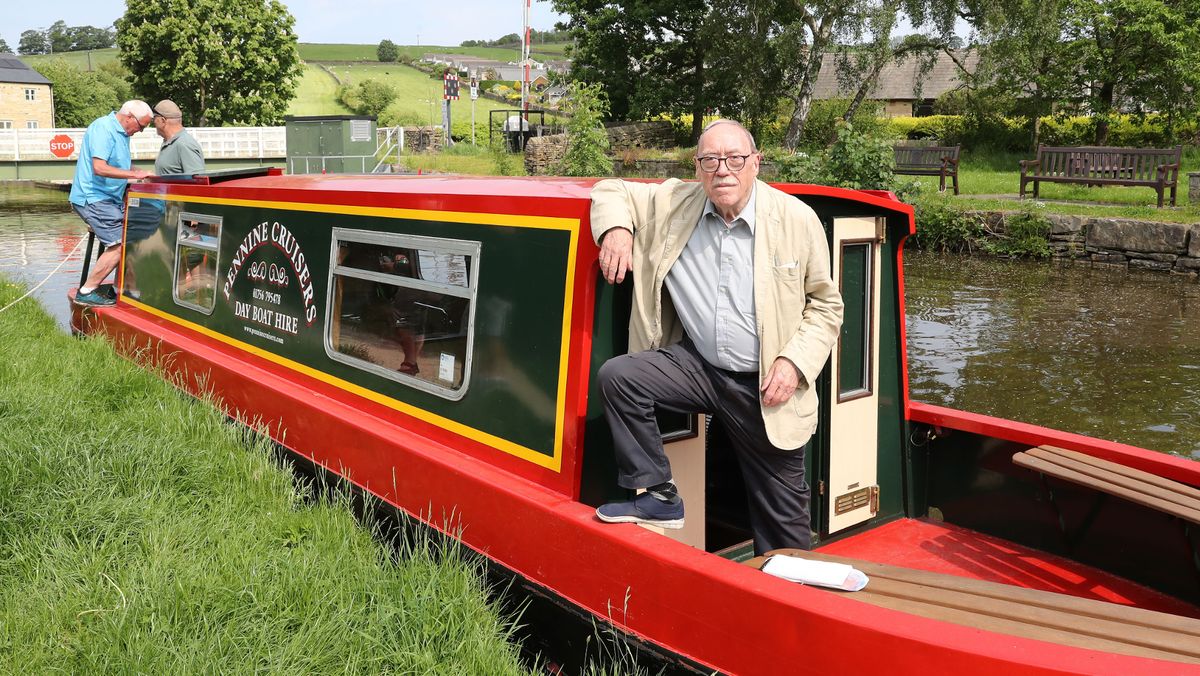
The UK is blessed with more than 4,700 miles of navigable canals. Developed in the late 18th century as the country’s first industrial superhighways, they make up a network that is sometimes referred to by boaters as “the biggest village street in the country”.
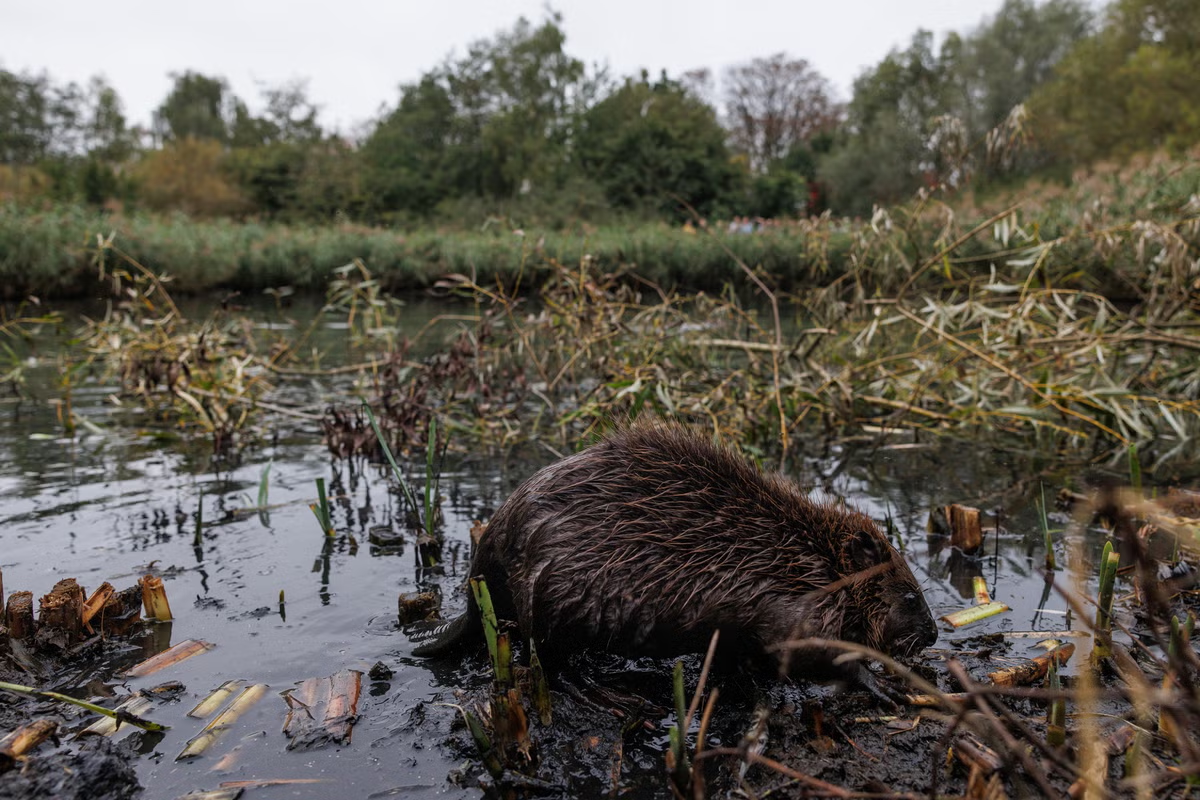
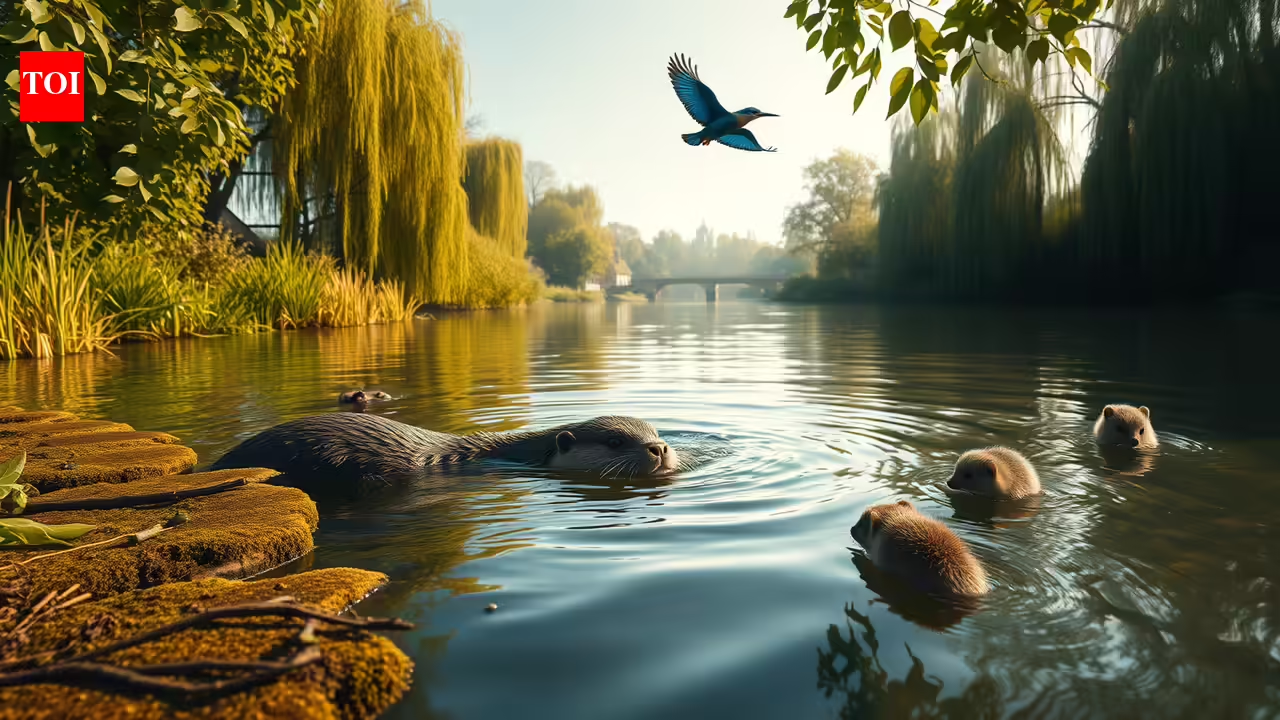
Each stretch boasts its own charm and character. In London, Little Venice’s towpath is teeming with wine bars and eclectically decorated houseboats; Wales’s Monmouthshire and Brecon canal offers a lush idyll with sweeping waterside trees; and at Castle Lock on the Nottingham and Beeston canal there were recent sightings of otters (once close to extinction in UK waters).
Macclesfield Canal, Bollington © Jill Jennings/Canal & River Trust
Almost half of these waterways are maintained by the Canal & River Trust, a charity founded in 2012 to take over guardianship from the government. Its responsibilities range from overseeing infrastructure (locks, bridges, towpaths) to preservation (the trust tends to more than 2,700 listed structures, including a World Heritage Site), supporting wildlife and regulating water levels to prevent flooding and manage droughts. Its latest project, the Grand Union Canal Transfer, is set to deliver 115mn litres of recycled water daily from the West Midlands to England’s water-stressed South East by 2033.