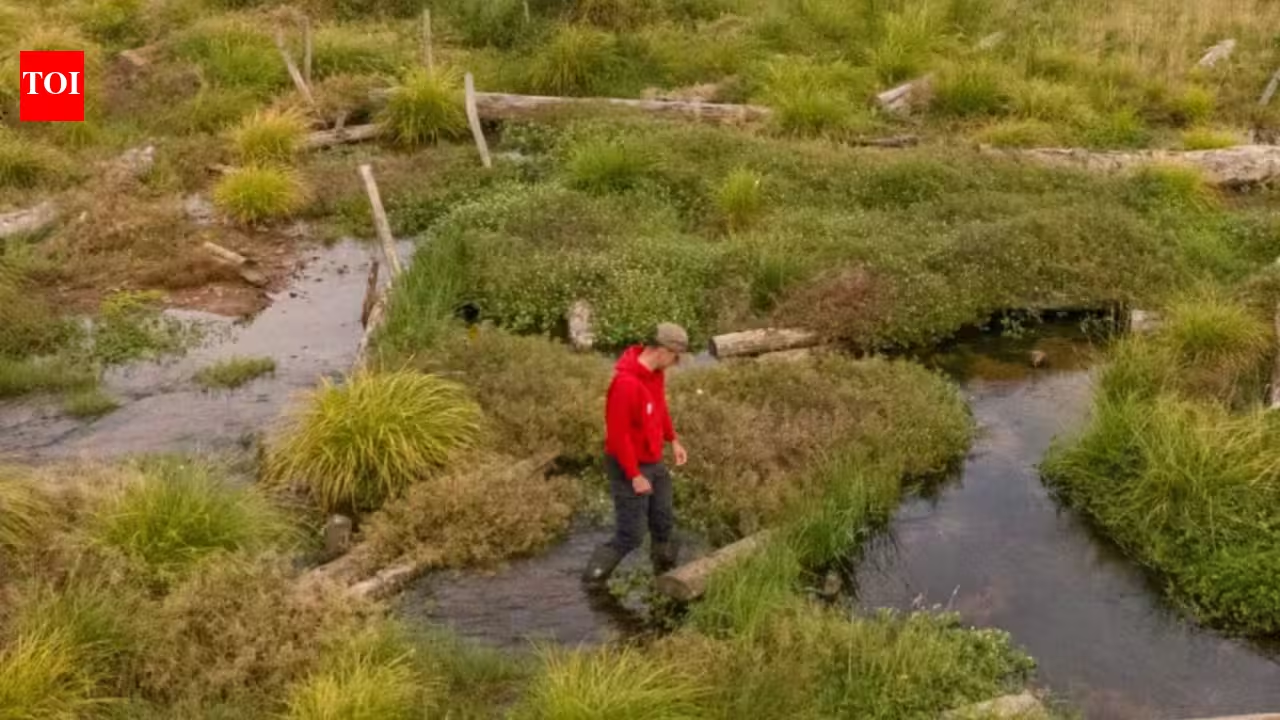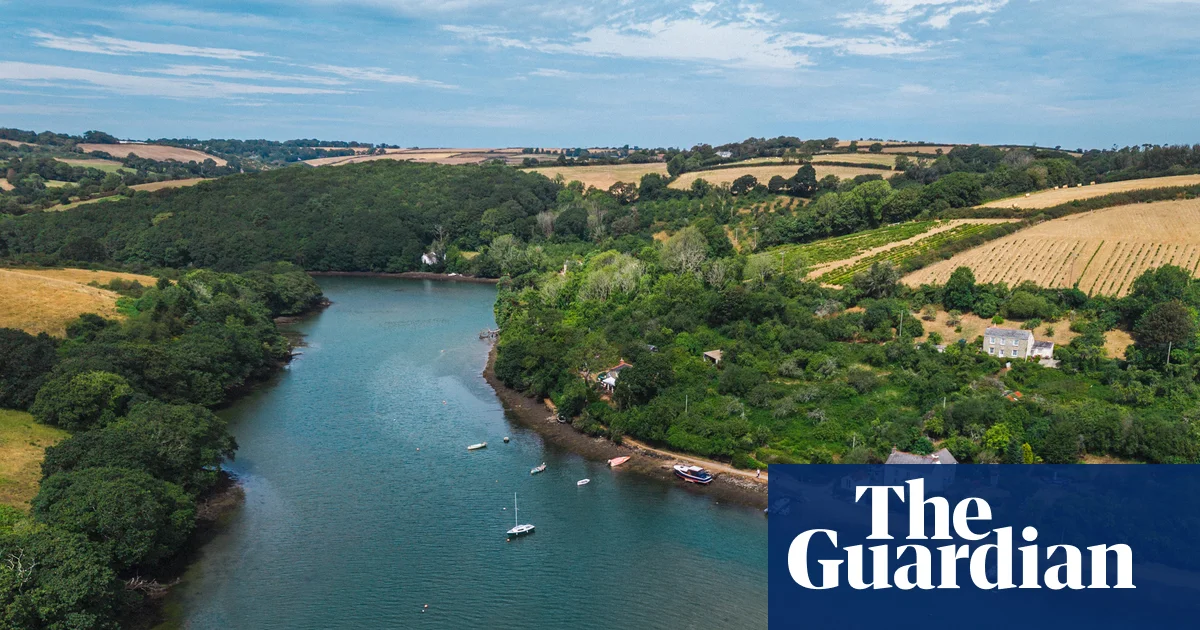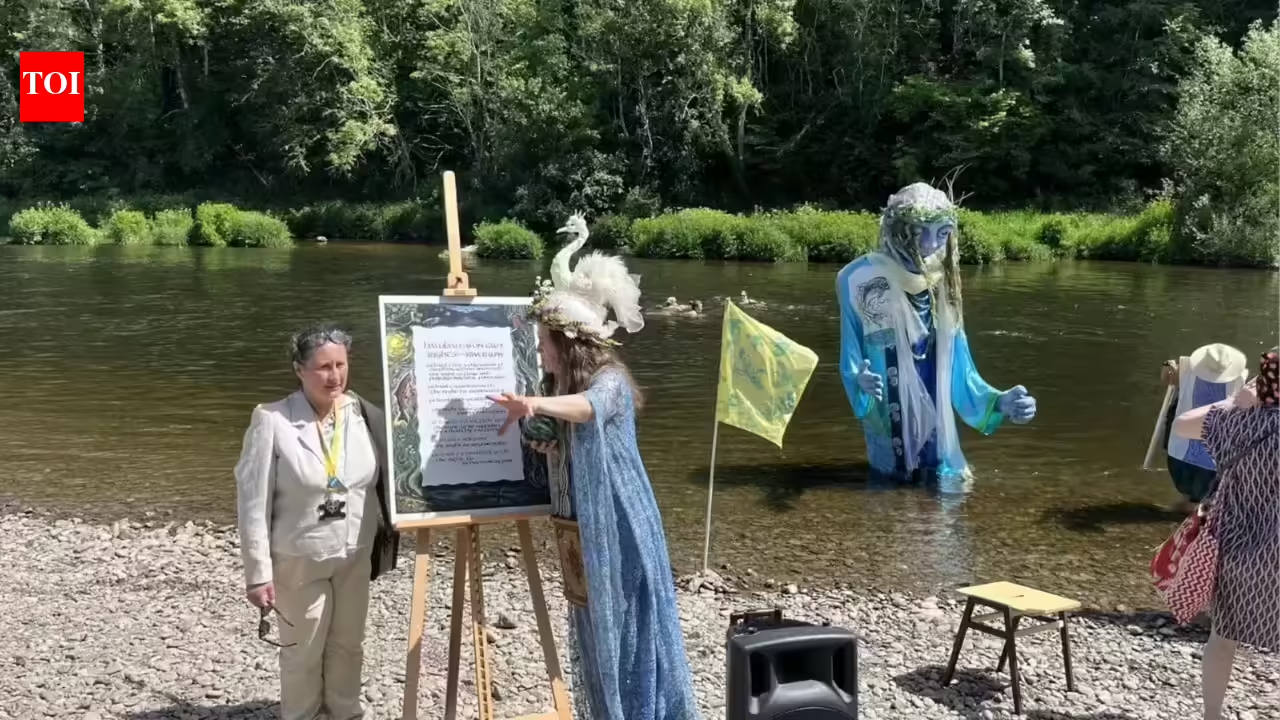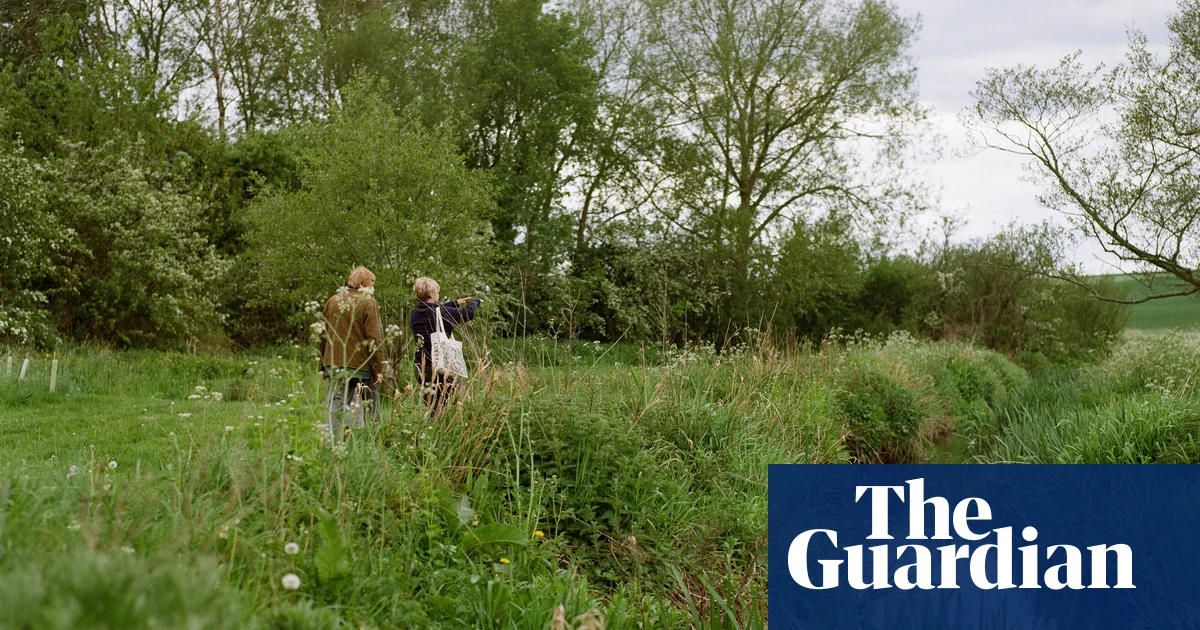
‘A noisy river is a healthy river,” says Ruth Needham of the Trent Rivers Trust (TRT). The Mease in the Midlands must be in fine fettle, then, as it gurgles merrily along. Sunlight glints off riffles in the water and shoals of fry dart past. Needham whips out her phone to video the tiny fish: “My colleagues will be jumping for joy to see them!”Needham has good reason to be buoyant. Last month, the Mease won the UK River prize 2026 – which was established by the River Restoration Centre in 2014 to acknowledge innovative projects – in recognition of the trust’s 13-year restoration campaign. “The prize has been a massive boost,” says Needham. “If we can get the Mease into better condition, we can improve other rivers, too.”
‘We wanted to get people to work together’ … Ruth Needham of the Trent Rivers Trust
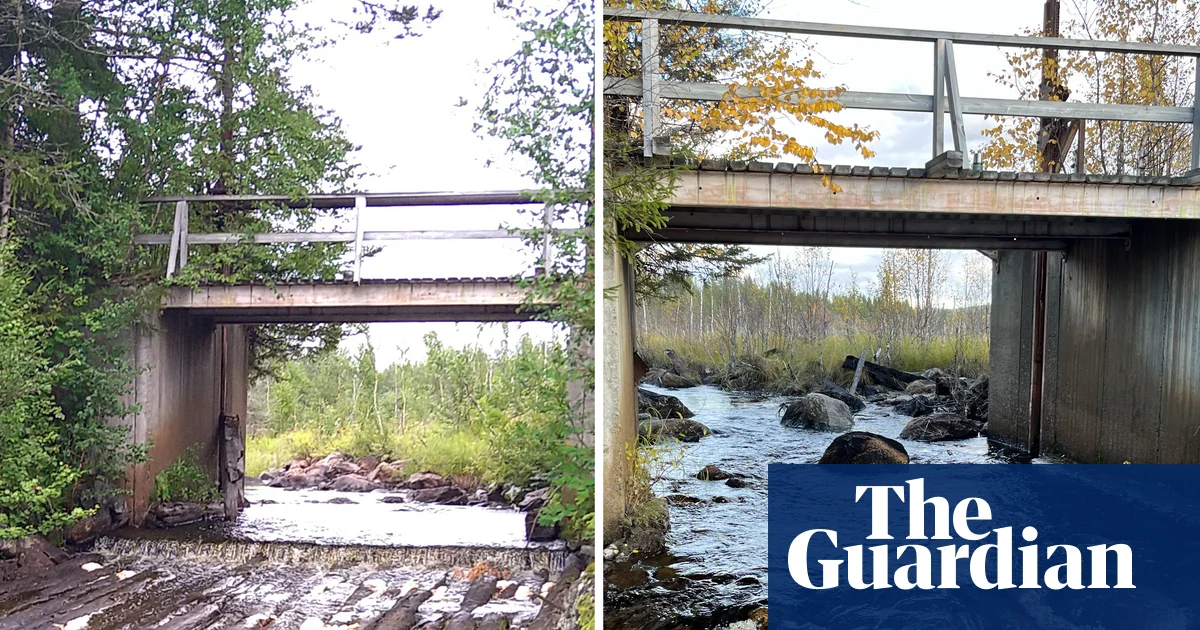
The sad state of Britain’s rivers is common knowledge, partly thanks to the recent Channel 4 drama Dirty Business, which made the sewage crisis headline news. And pollution is not the only problem. While many people think of rivers as natural features of the landscape, they have been altered almost beyond recognition by human hands: straightened, strengthened, deepened and sped up. This has had catastrophic consequences.The Mease is a case in point. The 27km lowland river rises in Leicestershire, passes through south Derbyshire and Staffordshire, and flows into the River Trent at Croxall. Farms dot its banks; there are more than 400 farmers in its catchment area. Food production has long been the priority in this region, the river an inconvenience to be controlled and corralled – or “straitjacketed”, in Needham’s words. “For too long, water has been seen as a problem: drain it, dredge it, get it away,” she says.