Story audio is generated using AI
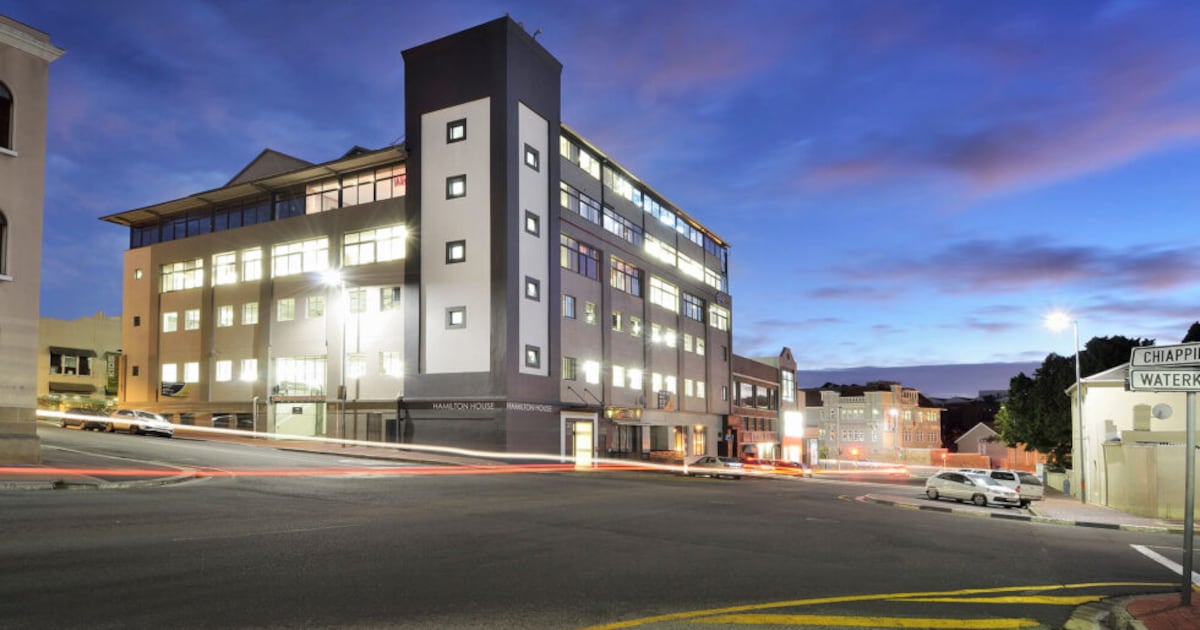
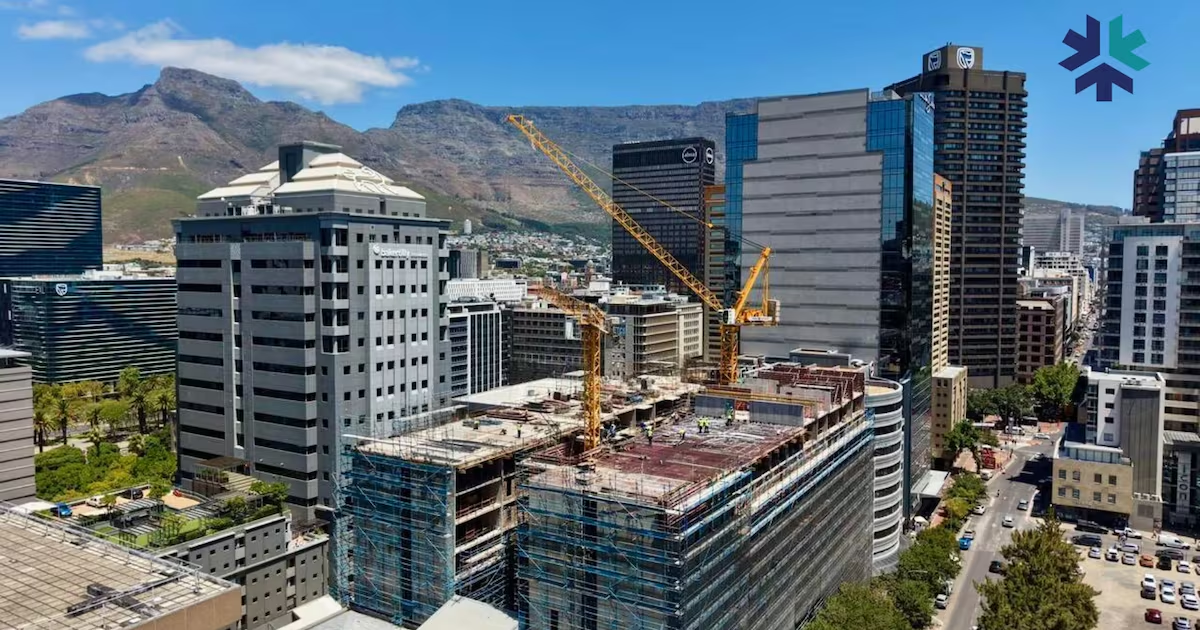
The value of building plans passed in January to April rose 5.7% to R30.99bn compared with the same period in 2025, with increases reported for residential and nonresidential buildings, Stats SA said on Thursday.The largest positive contributors to the rise were KwaZulu-Natal, the Western Cape and Limpopo, while Mpumalanga was the biggest negative contributor.Stats SA conducts a monthly building statistics survey among the country’s largest local government institutions on building plans passed and buildings completed, which are financed by the private sector.The institutions are, however, not always notified about low-cost housing projects and, therefore, do not include the bulk of these dwellings in their reporting. The value of buildings reported as completed increased by 6.8% to R15.46bn in the first four months of the year, compared with last year.Six out of the country’s nine provinces reported year-on-year increases in the value of buildings completed, with the largest positive contributors being the Western Cape, Gauteng and Mpumalanga. The biggest negative contributors were KwaZulu-Natal and North West, Stats SA said.The total value of buildings reported as completed by larger municipalities was up 3% between February and April, compared with the previous quarter. The result was primarily underpinned by the residential category, which grew 7.1%.In a separate, but related, report on Thursday, First National Bank’s second quarter 2026 estate agent’s survey showed that house price growth remained solid but affordability was a growing constraint. Pipeline activity within the residential space, as illustrated by building plans passed, showed a decrease of 2.6% quarter on quarter, with evidence of first-time and lower-income buyers being hampered by financial constraints and firmer lending requirements, the survey noted.Last week, another survey showed that confidence in South Africa’s building sector weakened further in the second quarter of 2026 as rising input costs and heightened uncertainty linked to the conflict in the Middle East weighed on activity and profitability across the industry.The FNB/BER building confidence index fell four points to 38 in the quarter, with more than 60% of respondents dissatisfied with prevailing business conditions. The softer sentiment reading reflected weaker activity and profitability across much of the building sector value chain, with subcontractors recording the largest deterioration in confidence.Activity among nonresidential builders, which had surged in the first quarter and helped lift overall sector performance, lost momentum in the second. Respondents in the survey, which was conducted on 14-25 May, also reported a notable increase in the lack of new demand as a business constraint, suggesting growing pressure on order books.FNB senior economist Siphamandla Mkhwanazi said the sector’s recovery was interrupted by uncertainty stemming from geopolitical developments.“Work in the nonresidential building sector has gained momentum since 2024, despite starting from a low base. This has been disrupted by higher internal costs and greater uncertainty linked to the war in the Middle East, leading to project postponements. Projects that are proceeding are also significantly less profitable than they otherwise would have been,” he said.Mkhwanazi said shifting interest-rate expectations relative to the first quarter probably contributed to subdued sentiment.At the start of the year, economists were pricing in at least one interest rate cut this year, but these hopes were dashed when the US and Israel went to war with Iran in late February, sparking a spike in global oil prices that has fuelled domestic inflation.After keeping the benchmark policy rate on hold in March, the South African Reserve Bank raised it by 25 basis points to 7% last month, citing a deterioration in the inflation outlook.