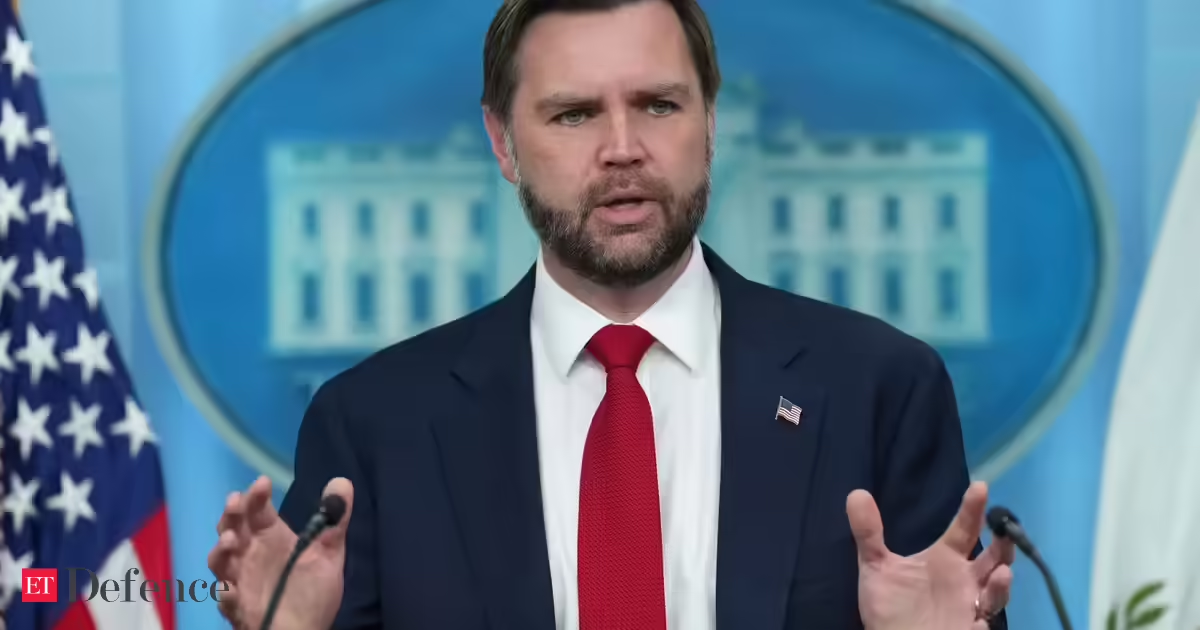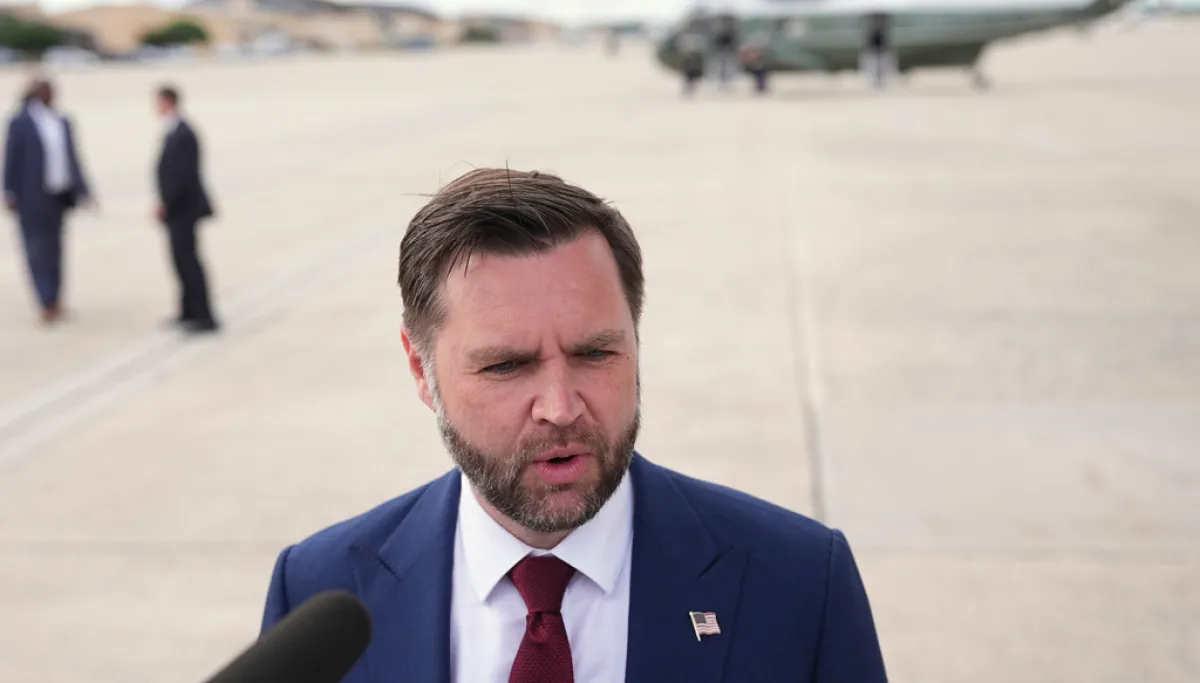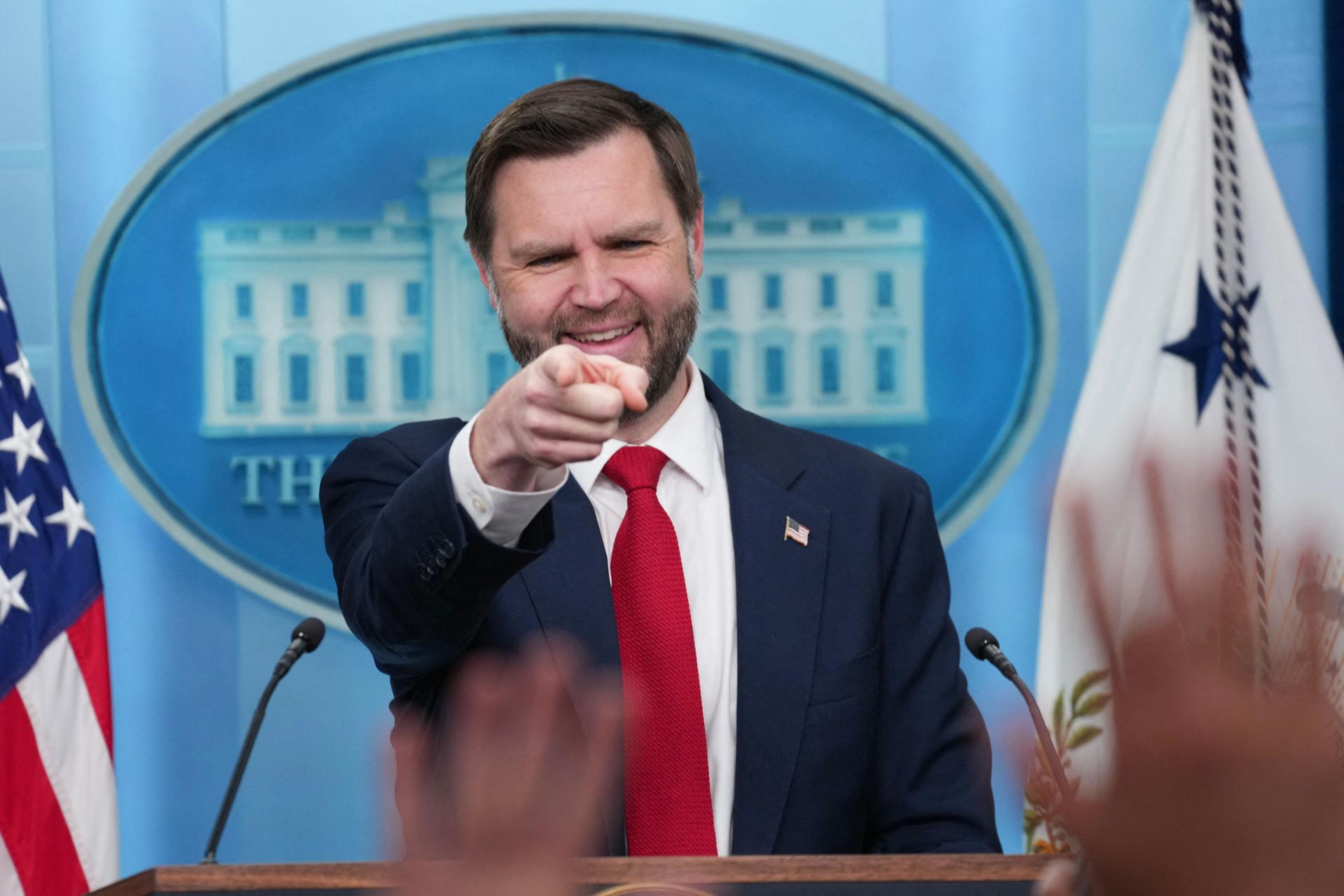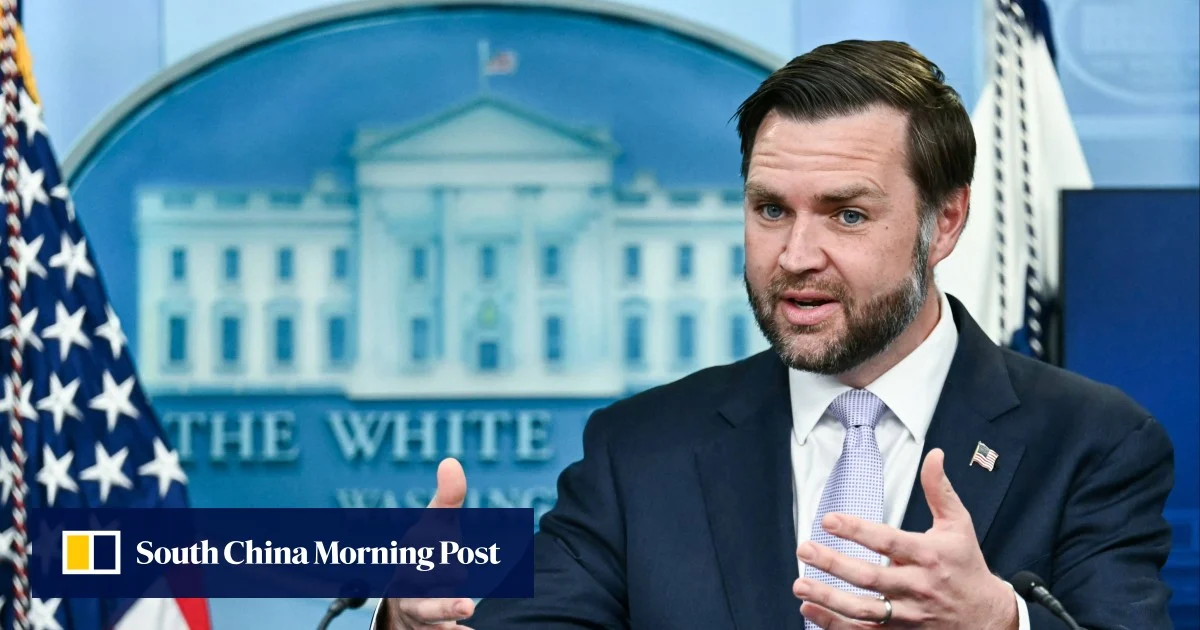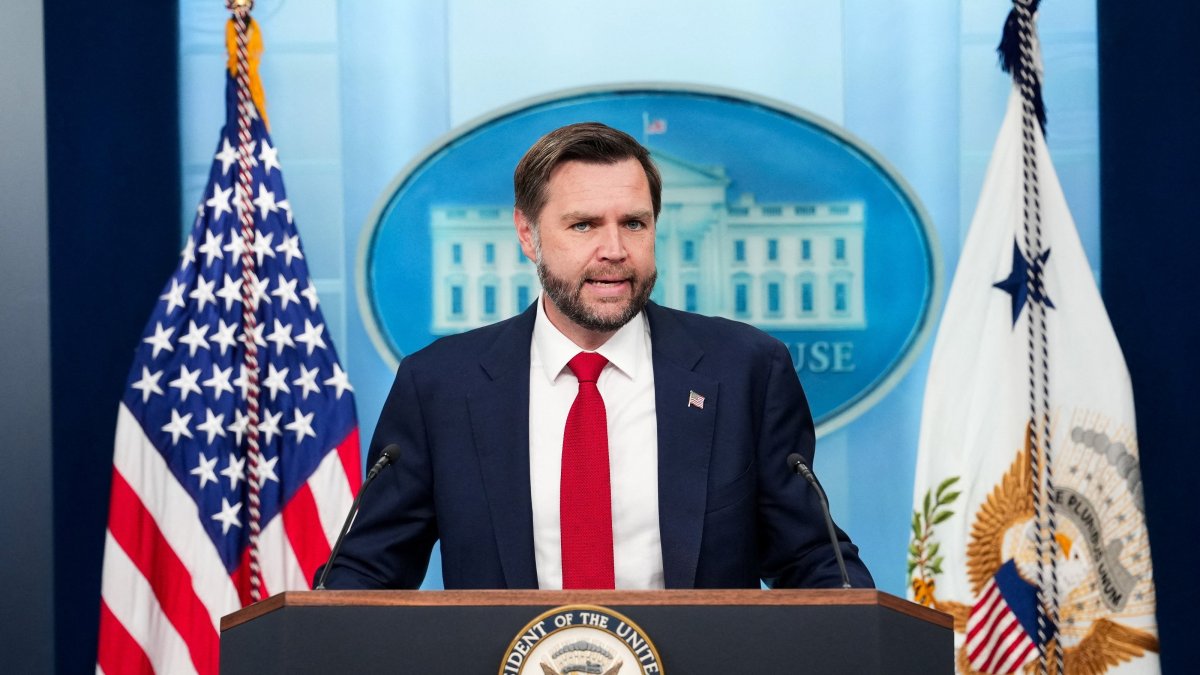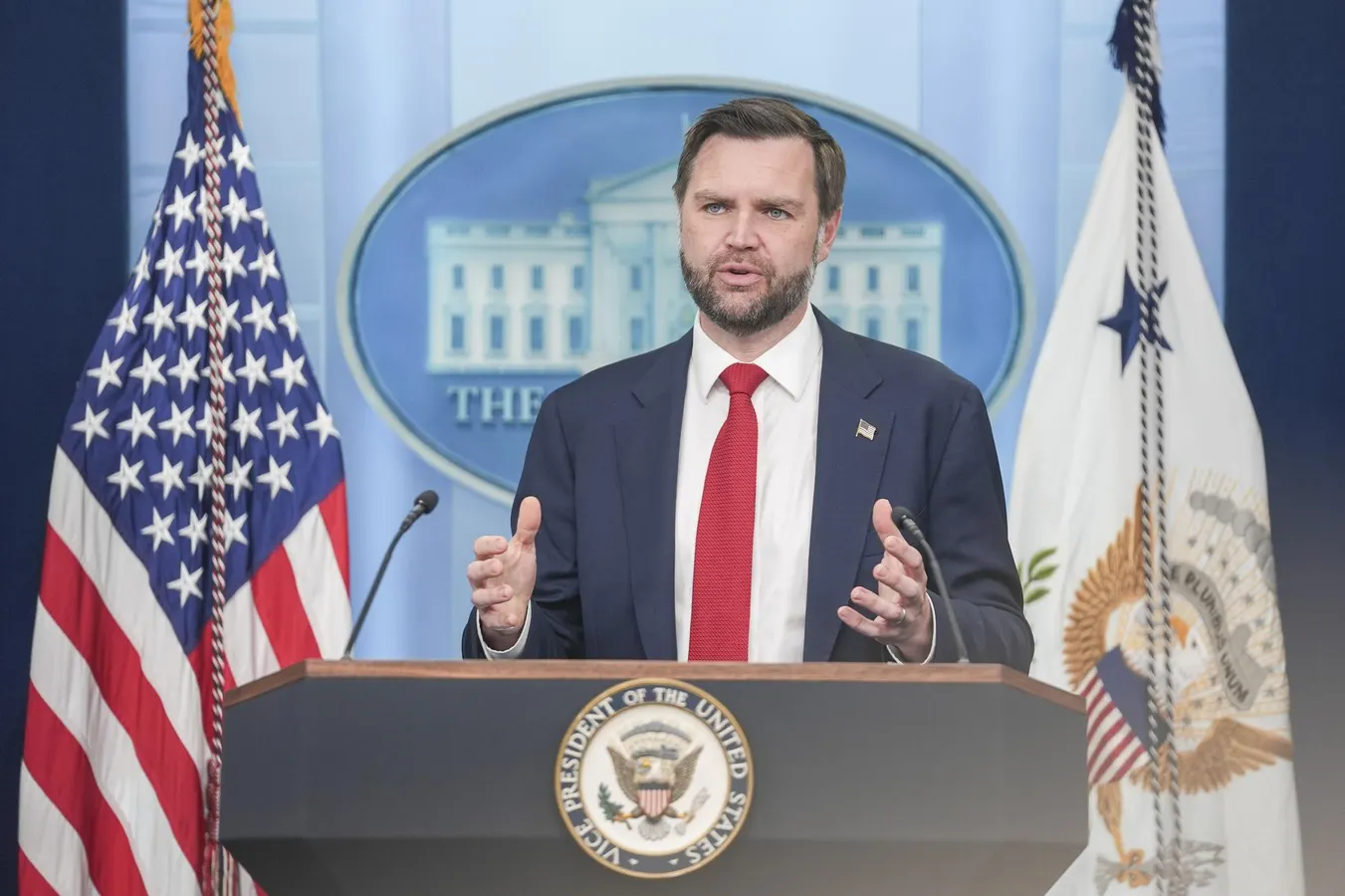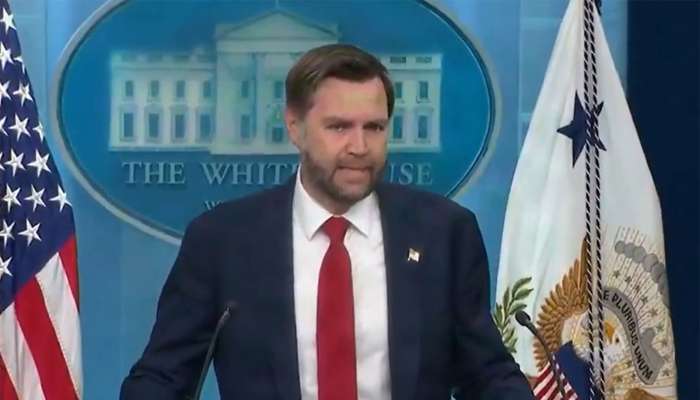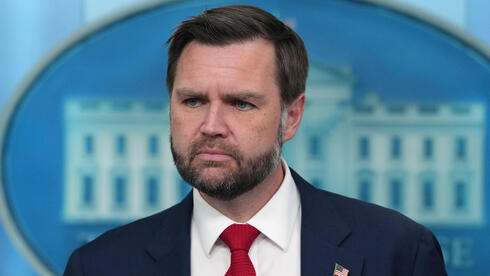
The White House said the vice president’s team was ready to leave but postponed the visit because of logistical difficulties, as reports said Iran delayed its delegation over Israeli strikes in Lebanon and US officials sought to defend the tentative agreementynet|Vice President JD Vance has delayed a planned trip to Switzerland in order to lead a new round of negotiations with Iran over its nuclear program, the White House said Thursday night, raising fresh questions about the next stage of the tentative agreement aimed at ending the war.The White House said Vance’s team had been ready to leave for Switzerland but postponed the trip because of logistical difficulties surrounding the negotiations.JD Vance’s attack on Israeli cabinet ministers (Video: Reuters)The announcement came after Al Mayadeen, a pan-Arab satellite channel politically aligned with Hezbollah, reported that Iran had delayed sending its delegation to Switzerland because of Israel’s ongoing military campaign in Lebanon.The postponement adds uncertainty to an agreement that has already drawn criticism in the United States, including from some congressional Republicans, who argue that Washington conceded too much to Tehran through sanctions relief and a potential $300 billion reconstruction fund.Earlier Thursday, Vance made an unusual appearance at the White House to defend the agreement, saying Iran would receive benefits only if it met American demands.2 View gallery Vice President JD Vance (Photo: AP Photo/Jacquelyn Martin)“As they dial up their good behavior, we can dial up the economic relief,” Vance said. “If they dial down their good behavior, we can turn it off.”At the time, Vance said he was unsure exactly when he would travel to Switzerland. The postponement makes that timeline even less clear.Trump envoy Steve Witkoff told lawmakers in a private briefing that Iran would invite the UN’s nuclear watchdog, the International Atomic Energy Agency, to inspect its nuclear sites and would begin work to identify and uncover the location of Tehran’s enriched uranium, believed to be buried under rubble.The private briefing was described to the Associated Press by two people familiar with the discussion, who spoke on condition of anonymity because the details were shared behind closed doors.The agreement states that Iran’s stockpile of highly enriched uranium must, at minimum, be diluted under international supervision. It also says Iran shall not procure or develop nuclear weapons, a commitment Tehran has made before.White House spokeswoman Olivia Wales said the agreement requires Iran to “commit to renounce their nuclear ambitions in writing.” The IAEA did not respond to a request for comment.2 View gallery Bürgenstock resort in Switzerland (Photo: Ken Cedeno / AFP, Fabrice COFFRINI / AFP)Witkoff told congressional leaders and members of national security committees that the US-Iran agreement did not include side deals. However, he said a side letter had been drafted between Tehran and the IAEA extending the invitation for inspections.According to Witkoff, the letter to IAEA Director General Rafael Mariano Grossi would enable him to bring American nuclear inspectors to Tehran.“It is obvious that the face-to-face negotiations that will be held in the future will not mean accepting the enemy’s opinion,” he said in a statement read by state media.The statement was interpreted as a shift in Iran’s approach. Iranian hard-liners, especially Khamenei’s father, the previous supreme leader, long opposed direct talks with Washington, particularly after the US withdrew from the 2015 nuclear deal between Iran and world powers.Khamenei has not been seen in public since he was wounded in a strike at the start of the war.Earlier, Pakistani Prime Minister Shehbaz Sharif postponed a planned visit to Switzerland, where Islamabad officials had originally planned to host a ceremonial signing of the agreement. Two senior officials said the visit was postponed because the agreement had already been signed by both Iran and the United States. They spoke on condition of anonymity because of the sensitivity of the matter.President Donald Trump signed the initial pact with Iran on Wednesday while dining with French President Emmanuel Macron at the Palace of Versailles. The agreement is slated to take immediate effect, extending a ceasefire while giving both sides 60 days to work toward broader understandings on larger issues.Vance, who was initially skeptical of the United States going to war with Iran, has increasingly become the administration’s public face on the conflict and has been outspoken in defending the deal.At the White House, he rejected criticism that the rollout had been confusing.“I don’t think our public messaging has been chaotic,” he said.He also issued a blunt warning to Israel, which has pushed the United States to take a harder line against Iran and continued launching strikes against Hezbollah in Lebanon during the war, including shortly before the ceasefire extension was reached. Those strikes complicated diplomatic efforts with Tehran.Trump “is the only head of state in the entire world who is sympathetic to the nation of Israel at this moment in time,” Vance said. “And he happens to be the head of state of the world’s superpower.”Trump said he signed the agreement to avoid “economic catastrophe” in the United States after the war drove oil prices sharply higher, rattled financial markets and fueled inflation. The deal helped push gas prices down and stock markets up, though those gains could be threatened again depending on the next round of US-Iran talks.Vance said more than 12.5 million barrels of oil moved through the Strait of Hormuz on Wednesday night, and described the easing of the US blockade of Iran as “honoring our end of the early part of the agreement on the military side.”US Central Command said American warships “will remain in the general area to make sure that all aspects of the agreement are adhered to, obeyed and in full force and effect.”Iranian state media said shipping had “normalized” at Iran’s southern ports, but added that the strait remained supervised and under the control of the Iranian military, and that transit through the vital waterway still required coordination.Major shipowners began moving vessels through the strait after the agreement was signed, according to maritime data company Lloyd’s List Intelligence. Richard Meade, editor-in-chief of Lloyd’s List, said that for the first time in 110 days, ships owned by major companies were transiting the strait after effectively being stuck there since February.
Vance delays Switzerland trip to lead new US-Iran nuclear talks
The White House said the vice president’s team was ready to leave but postponed the visit because of logistical difficulties, as reports said Iran delayed its delegation over Israeli strikes in Lebanon and US officials sought to defend the tentative agreement
TL;DRAI
Vance delays US-Iran nuclear talks in Switzerland; deal includes $300B reconstruction and IAEA inspections. Middle East geopolitical stability directly affects energy pricing and supply chain risk—material factors in IT infrastructure budgets.
1,026 words~5 min read