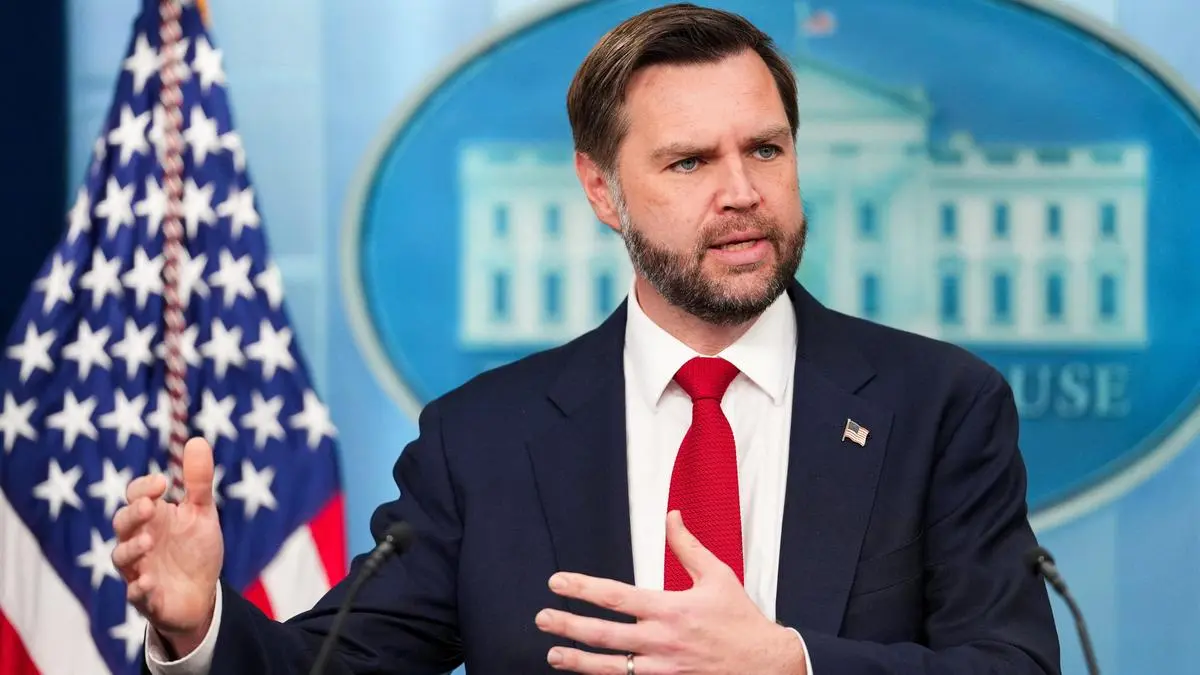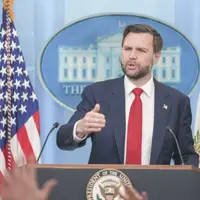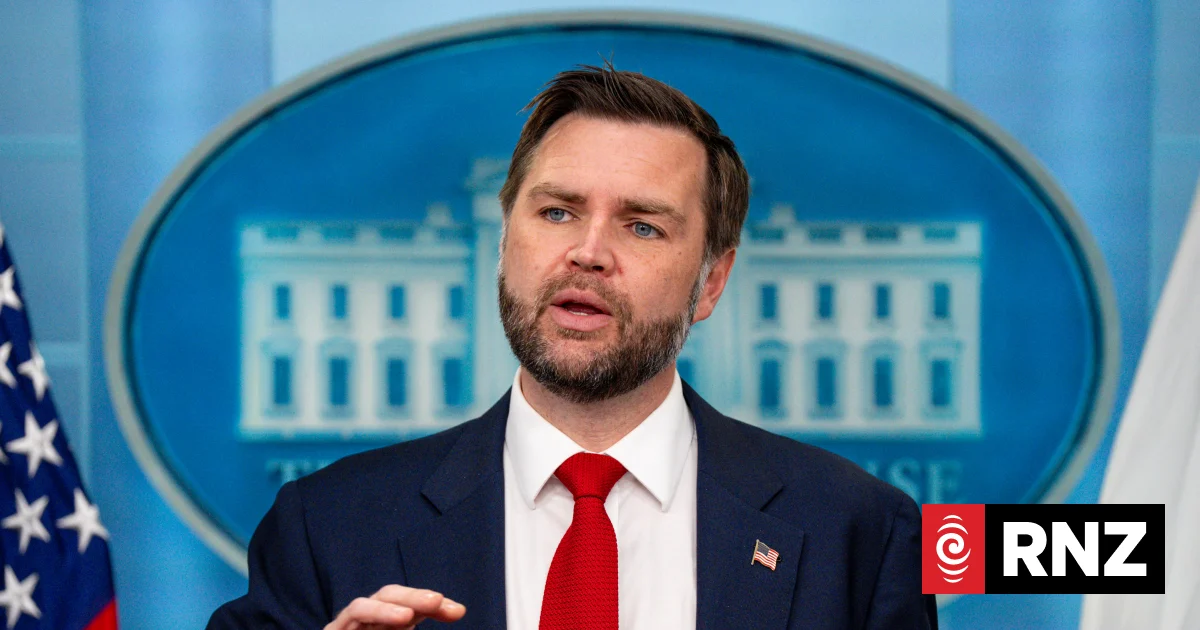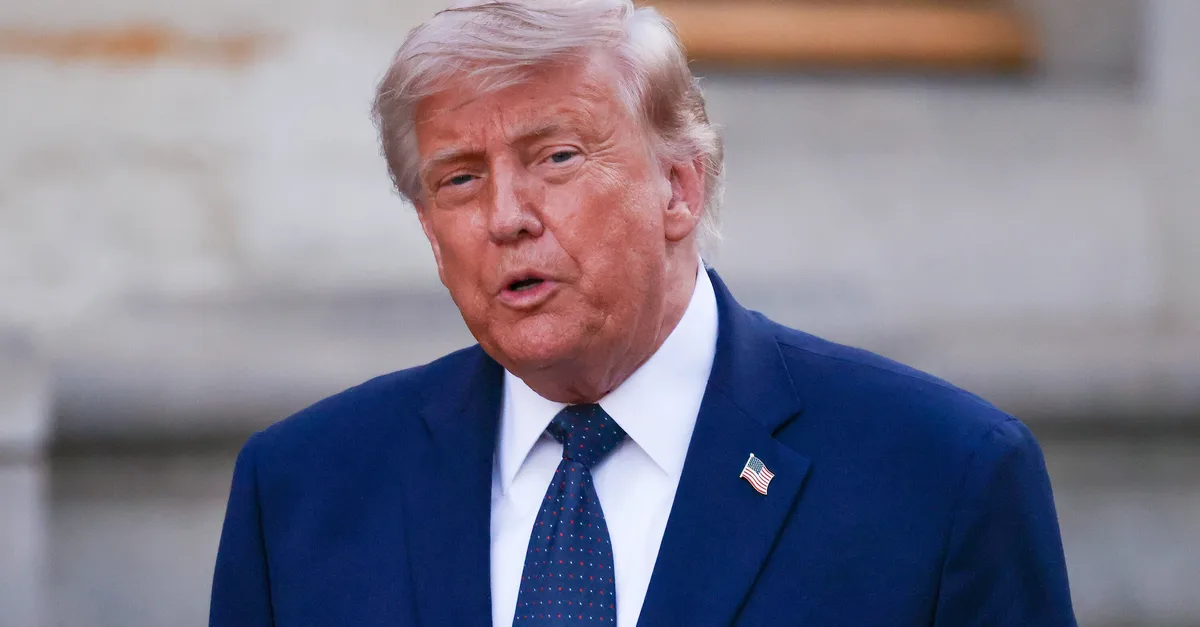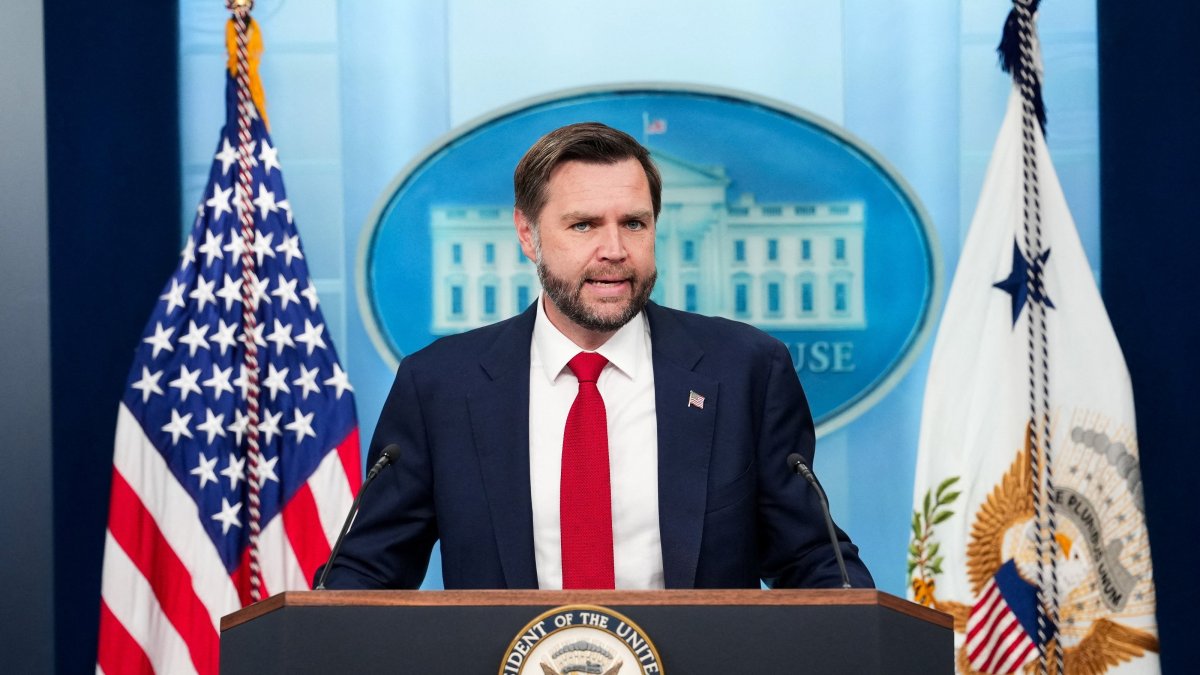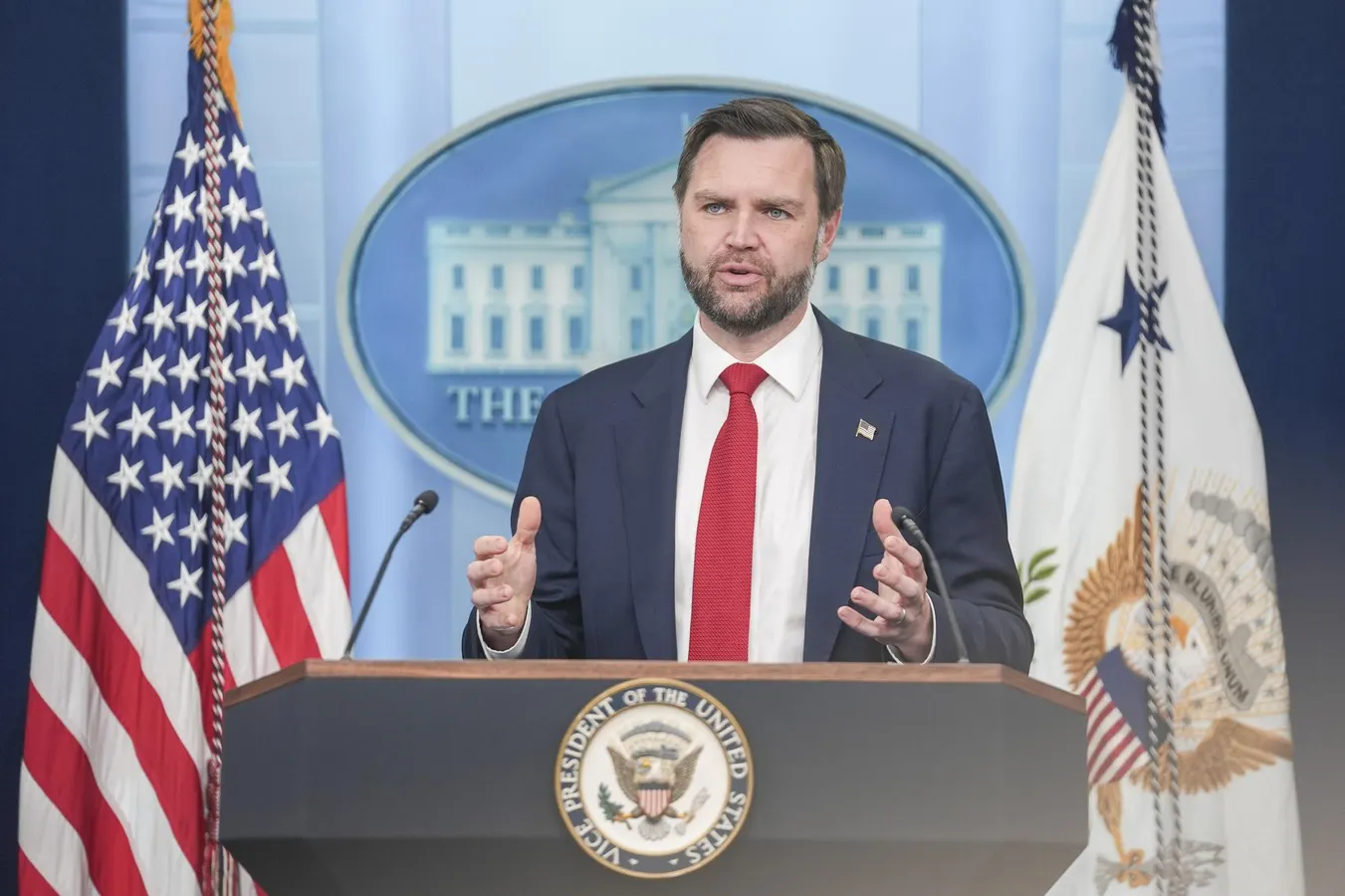
ToplineVice President JD Vance’s trip to Switzerland—where he was scheduled to meet Iranian officials on Friday—was abruptly canceled by the White House late on Thursday, delaying the start of peace talks between the two countries after an interim deal to end the Iran War and reopen the Strait of Hormuz was signed on Wednesday.Vice President J.D. Vance speaks during a press briefing in the James S. Brady Press Briefing Room at the White House in Washington, D.C.Anadolu via Getty ImagesKey FactsIn a statement to multiple outlets, the White House said Vance will not travel to Switzerland on Friday, as plans for the “technical talks have not been finalized,” but the U.S. delegation is ready to depart at the “first available opportunity.”A 60-day window to technical talks began after President Donald Trump and his Iranian counterpart, Masoud Pezeshkian, electronically signed a Memorandum of Understanding to end the war on Wednesday night.Just hours before the White House’s announcement, Vance said he thinks the technical negotiations will start “sometime this weekend” but acknowledged that this “could change.”The meeting in Switzerland on Friday was originally announced as a formal signing ceremony for the interim deal and Iran’s Foreign Ministry argued that this was no longer necessary after Trump and Pezeshkian signed the document electronically on Wednesday.Citing the state-run Tasnim News Agency, Reuters reported that while Iranian officials are prepared to begin technical talks, they want to see signs that the interim deal was being adhered to.What Do We Know About The Hormuz Strait Reopening?A key condition of the MoU signed on Wednesday night was the complete reopening of the Strait of Hormuz to all shipping traffic, both entering and exiting the Persian Gulf. Late on Thursday, Iran’s Supreme National Security Council announced that the passage is being opened and ship crossing the critical waterway will “not pay any fees for 60 days, and the administration of the Islamic Republic of Iran will cover these costs.” Iran has repeatedly threatened to charge a toll for all ships passing through the strait, despite pushback from neighbors and U.S. officials. The interim deal signed by both sides requires Iran to ensure toll-free passage for at least 60 days, but it’s unclear if Tehran will start charging a fee after that. What Has Iran’s Supreme Leader Said About The Deal?Mojtaba Khamenei, the Supreme Leader of Iran, issued a statement that supported the interim deal and the planned technical talks, while also taking shots at the U.S. According to state media, Khamenei credited the deal to “sincere concern and goodwill” and “extensive efforts” from his country’s officials and claimed that Trump also agreed to it “out of desperation.” While backing technical talks, he said: “The in-person negotiations that will take place in the future will not mean acceptance of the enemy's position.” Khamenei also noted that Pezeshkian explicitly stated to him that if the U.S. in the course of these talks “seeks to make excessive demands,” Iran will “not submit to them.”further readingTrump And Iranian President Sign Interim Peace Deal—Key Details Of Agreement Shared (Forbes)Some Republicans Finally Express Support For Trump’s Iran Deal—Without Praising It (Forbes)
Vance’s Talks With Iranian Leaders Delayed After Switzerland Meeting Is Canceled
The trip was canceled after Iranian officials argued the meeting was unnecessary, as the preliminary peace deal document had already been signed by Trump and Iran’s President.
517 words~2 min read