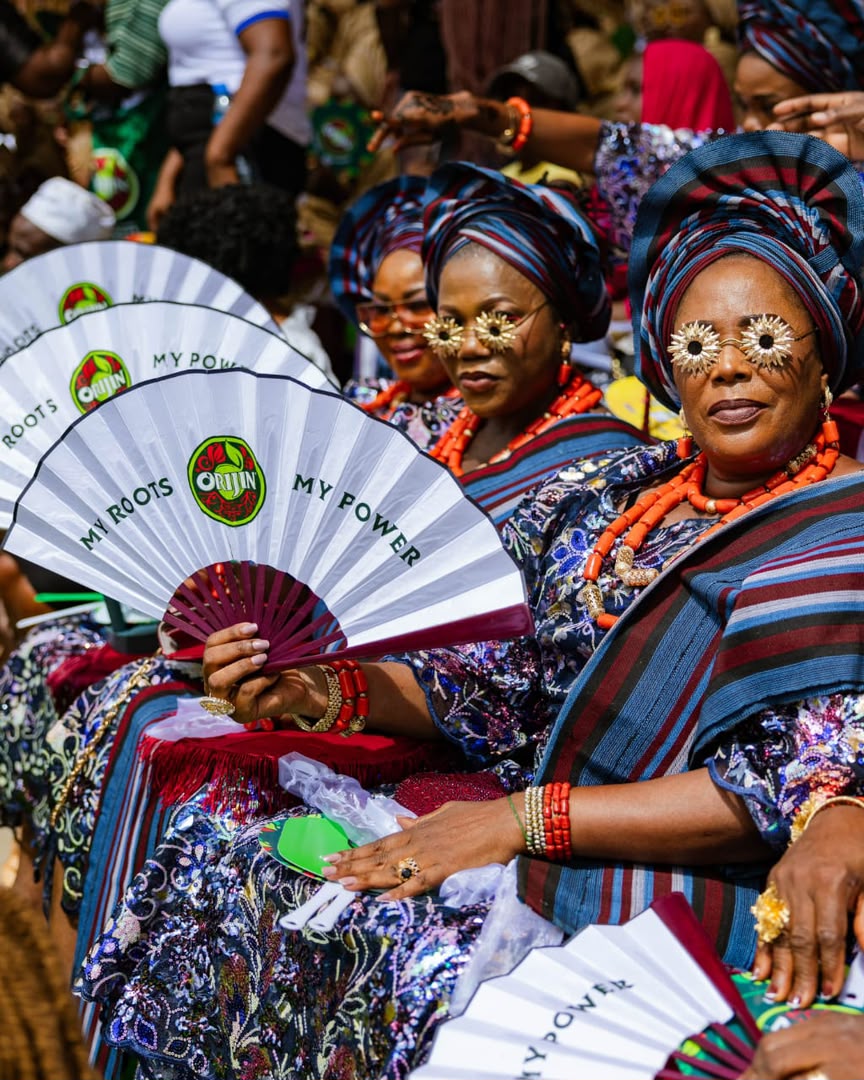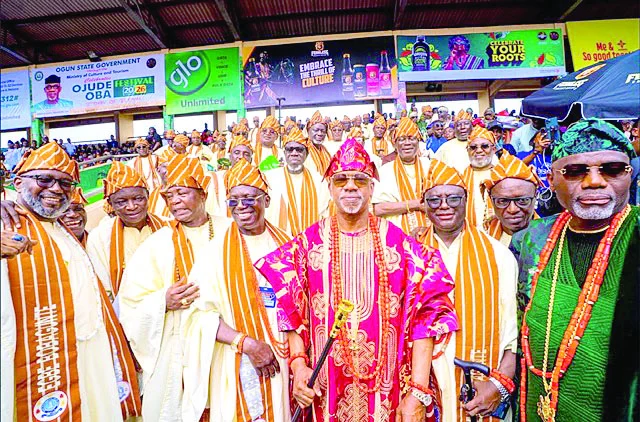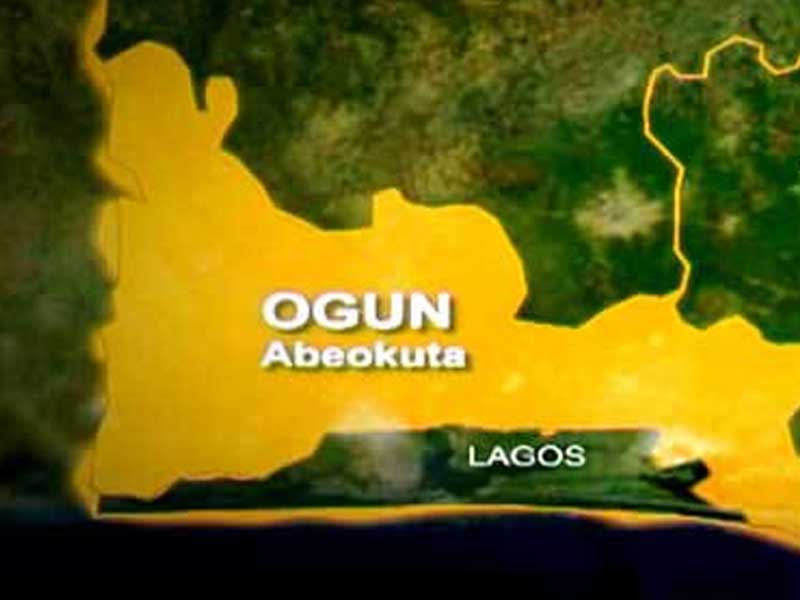
A few weeks ago, we were wrapped in the joy and excitement of the Ileya festivities. Like millions of Nigerians, people travelled from different parts of the world to reconnect with family, friends, and familiar places. Mine was Abeokuta, and as always, it was a memorable homecoming.
The day after the celebration, I found myself at a popular relaxation spot, soaking in the atmosphere that accompanies festive periods in Ogun State. At a nearby table sat five middle-aged men engrossed in a passionate discussion about the politics of the state while downing their booze. Their conversation traversed administrations, personalities, victories, betrayals, and political intrigues from the return of democracy in 1999 to the present day. As is often the case in such settings, verifiable facts blended freely with beer-parlour folklore. Some defended their preferred political leaders with near-religious devotion, while others dismissed certain administrations with equal fervour.
What struck me most was not the disagreement itself but the confidence with which one participant advanced hearsay as fact. Every claim was presented as gospel truth, despite the absence of evidence. It reminded me of a larger Nigerian problem: our tendency to embrace popular narratives without interrogating their foundations. We often prefer conclusions to facts and rumours to records. Verification demands effort, and effort is rarely as attractive as convenience. But the discipline of verifying facts remains one of the surest protections against ignorance.