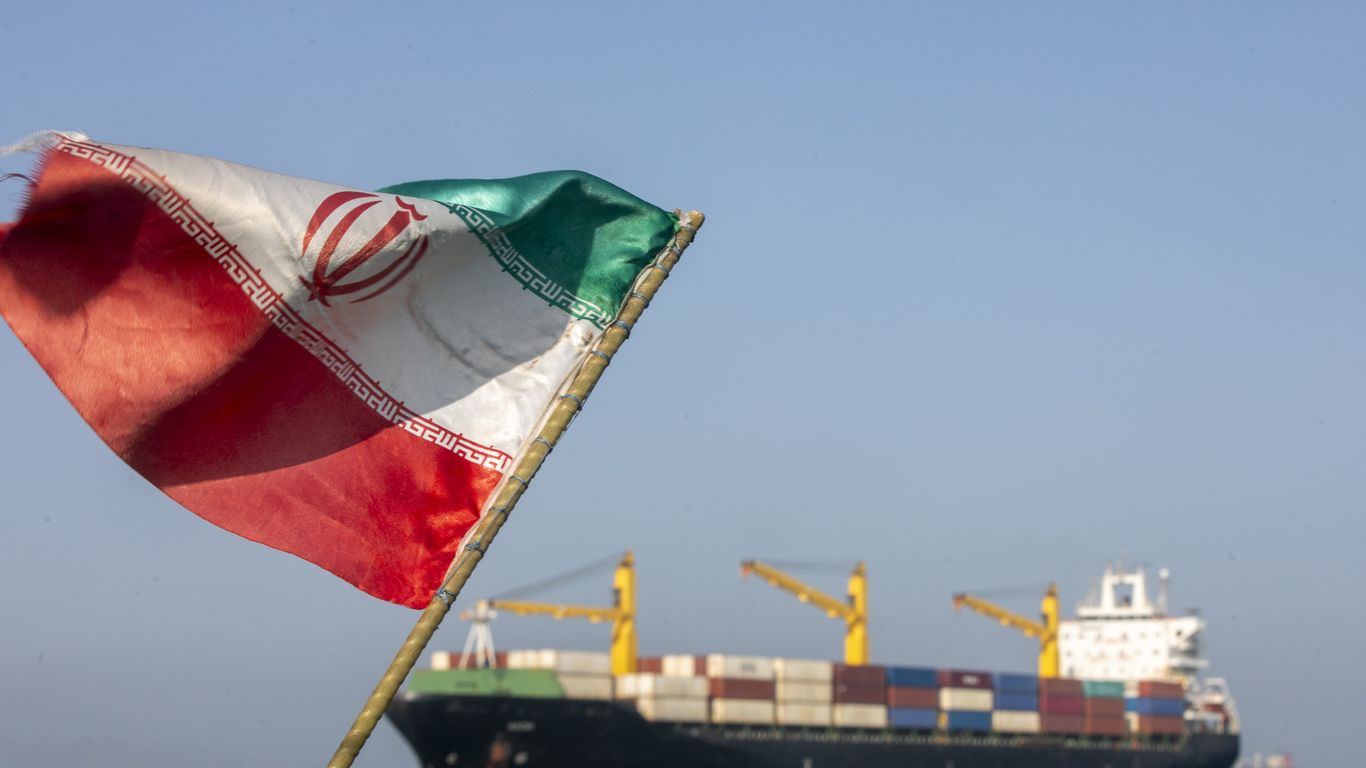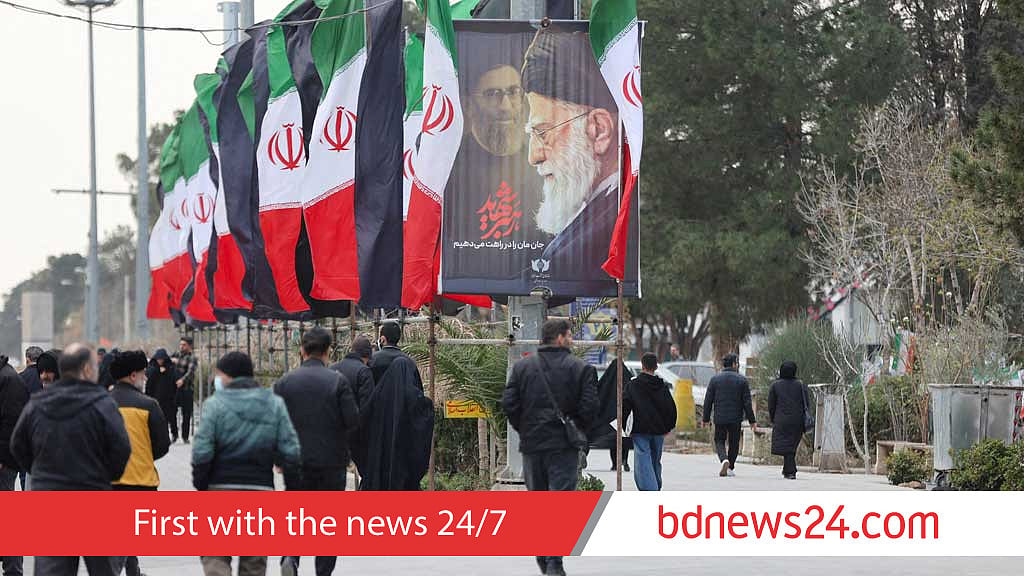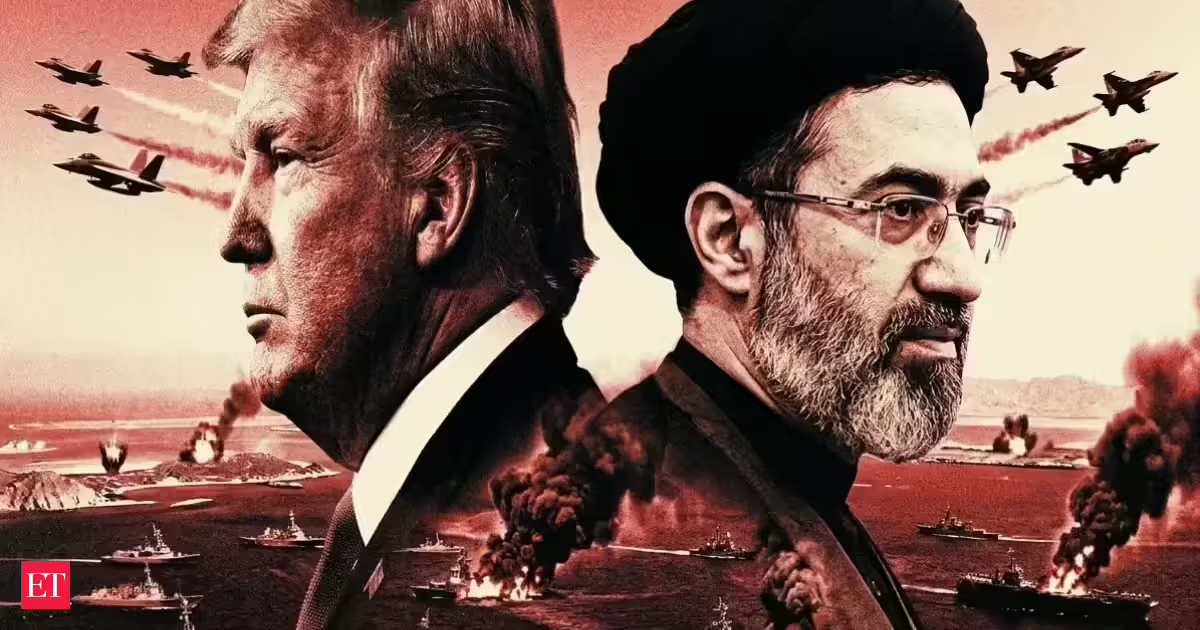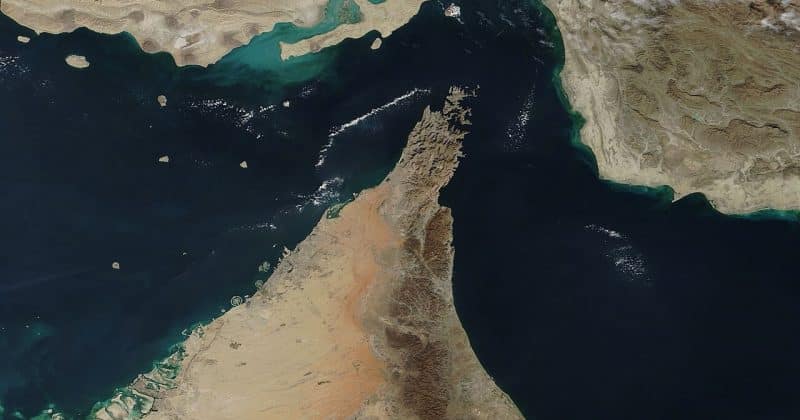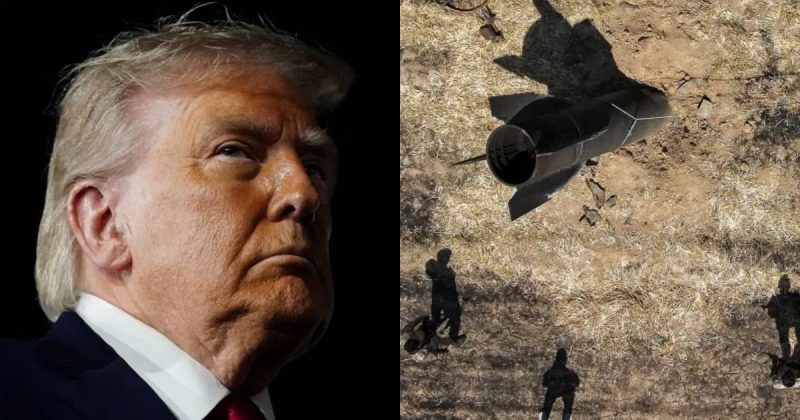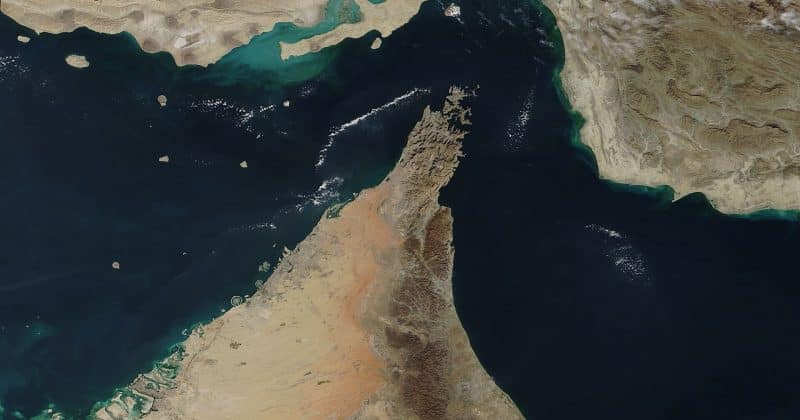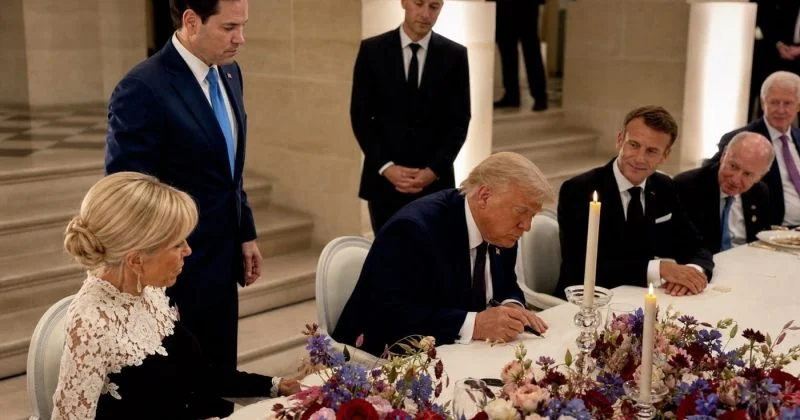
The United States has ended its blockade of the Strait of Hormuz and has reinitiated negotiations with Iran, marking a significant development in the ongoing diplomatic efforts between the two nations. This interim deal sets a 60-day window for further talks, focusing on Iran’s nuclear program, sanctions relief, and maritime access. The decision appears to be a de-escalation move by the U.S., yet it has drawn mixed reactions from lawmakers on Capitol Hill, reflecting the complexity and ongoing tensions surrounding the U.S.-Iran relationship. The reopening of the Strait of Hormuz, a critical shipping chokepoint, underscores the strategic importance of these negotiations.
Key Takeaways
The U.S. ending the Hormuz blockade and resuming talks with Iran appears consistent with an increased likelihood of diplomatic meetings by the end of June.
Market pricing suggests a rise in the probability that former President Trump might agree to certain Iranian demands, with odds on troop withdrawal increasing significantly.
Despite the positive diplomatic indication, the core issues remain unresolved, and markets appear cautious about the final outcomes of these negotiations.