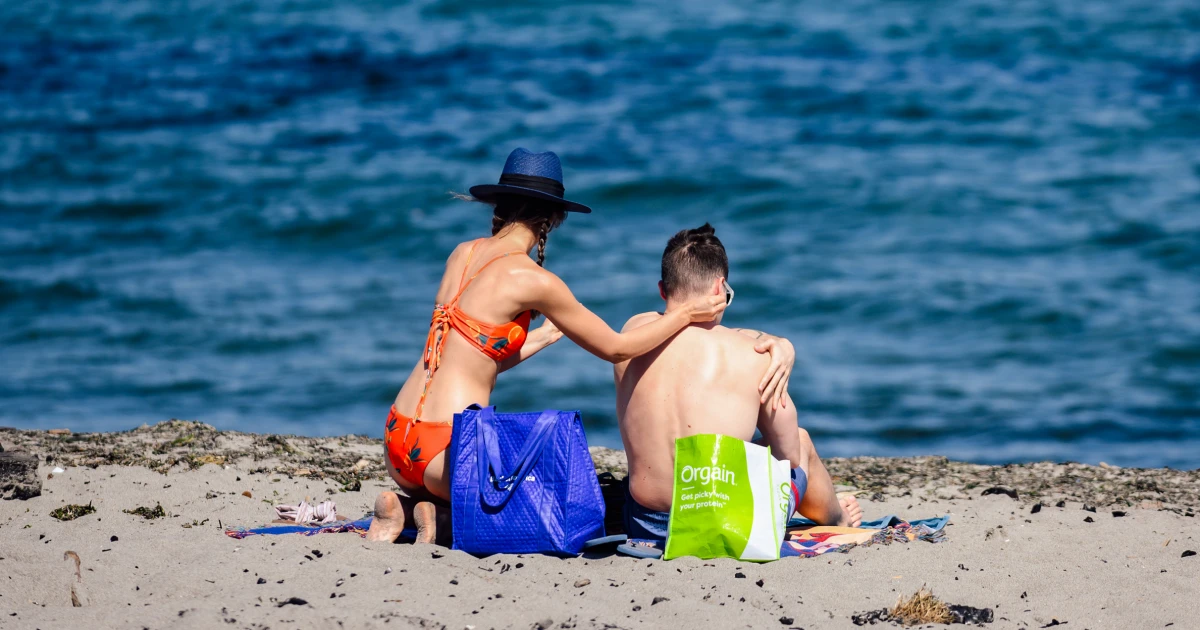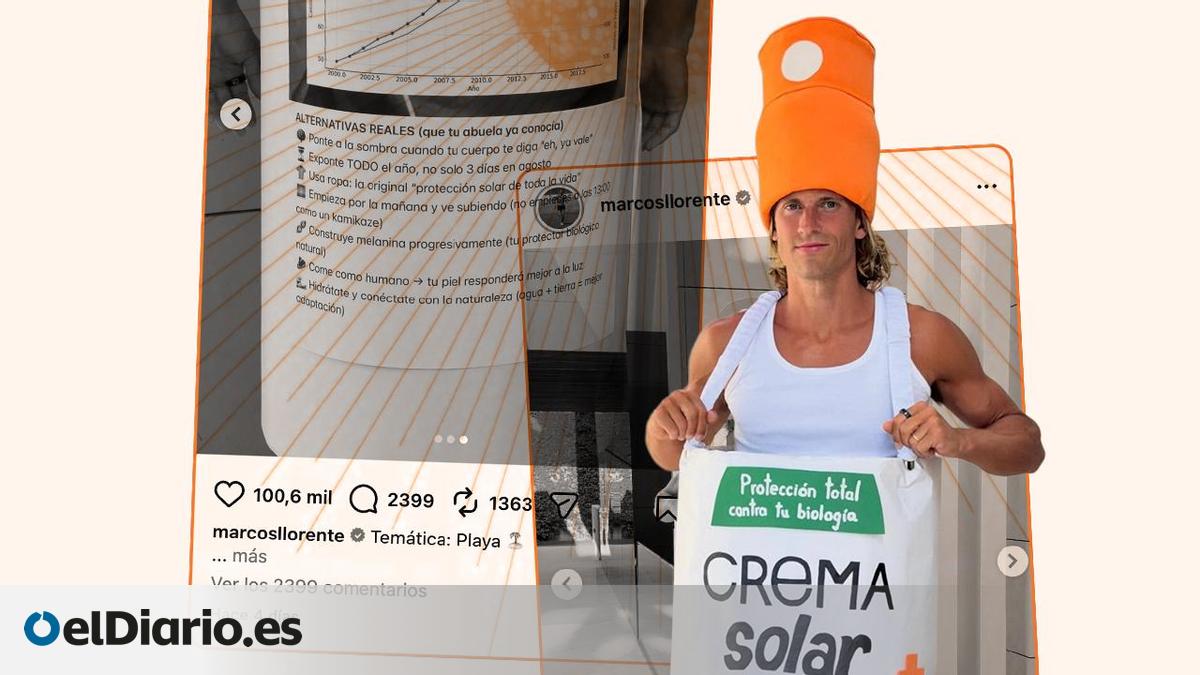
IN BRIEFA study analysing almost 1,000 TikTok videos found posts contaning sunscreen misinformation were more popular. Experts say social media platforms have a "responsibility" to regulate medical misinformation.Michelle Wong has spent years scouring social media for misinformation.She says it's not difficult to find posts claiming that sunscreen is "toxic" or that chemical sun safety products cause kidney disease.That's why Wong decided to use her PhD in chemistry to start the online science communication channel, Lab Muffin Beauty Science. But since founding the platform in 2011, Wong says the "volume" of online misinformation has only grown."If a piece of content has unique, brand-new information that people haven't seen before — it confirms their biases. If it's something that's very scary, then people share it," she said."People respond more to fear than they do to calm, rational, slow science."News that makes senseYour trusted source for staying up-to-date with the world around you. Get free daily news updates and analysis, straight to your inbox.Alessandro Marcon is a senior research associate at the University of Alberta's Health Law Institute in Canada and told SBS News he has witnessed a similar trend.He analysed 971 of the most-viewed TikTok videos across five popular hashtags, including #sunscreen, #sunscreenviral, #spf, #sunscreenreview and #sunprotection. This data set accumulated to over 2.4 billion views on the platform.While the study found that the majority of posts — 86.6 per cent — promoted sunscreen use, content which contained misinformation attracted "significantly higher" engagement. Videos containing critiques made up 6 per cent of the data set, while content asserting that sunscreen causes harm represented 1.5 per cent."These videos were not viewed more often … but they were liked more often, shared more often and more often commented on," Marcon said.Wong said she believes the methodology used in this study may have "misestimated the prevalence of misinformation on TikTok" because the importance of hashtags in the algorithm have "been declining since perhaps 2022".The study also excluded non-English language content.The Cancer Council promotes five forms of sun protection: Slip, Slop, Slap, Seek and Slide. Source: Getty / Amparo GarciaThe analysis, funded by the Canadian Cancer Society, found that just 6 per cent of videos explicitly mentioned cancer risk reduction as a benefit of using sunscreen.Marcon acknowledged content "was typically to prevent skin damage. So, talking about cracking skin or peeling skin … to deal with acne or aging".The Cancer Council says sunscreen is an effective tool in preventing skin cancer, according to decades-worth of scientific research. So why does the misinformation spread?.Combatting online health misinformationSally Blane, chair of the Cancer Council's national skin cancer committee, described the findings as concerning."Skin cancer is Australia's most common cancer. [Around] two in three Australians are diagnosed with skin cancer in their lifetime," she said."So, having misinformation out there which can potentially lead to more skin cancers — that's the main concern for us."The Cancer Council also advised, "if people are using social media to get that health information, they have to be really careful and make sure that it is from experts and it is evidence-based".But Wong believes it's increasingly complex to identify health and medical misinformation online. She is regularly sent fact-checking content requests by users."One of the biggest issues I've seen is actually dermatologists … wearing lab coats, they've got their scrubs on and they will say 'It's best to avoid chemical sunscreens.'"The problem isn't just confined to the wellness space," she alleged.Alessandro Marcon said his research identified there are "prominent accounts" spreading sunscreen misinformation which are "quite easy to identify". Source: Getty / NurPhotoDoes the algorithm deliberately drive misinformation?Brooke Nickel, a senior research fellow at the University of Sydney's School of Public Health, believes the "crux of the issue" is social media algorithms."There's this idea of the parasocial relationship on social media. Where people have these really strong ties or feel really connected to these influencers, they're hearing the information from," she said."Algorithms are set up to make posts more viral and spread information that is kind of appealing, that has more kind of controversial views … or extreme language."In a statement to SBS News, TikTok said "We prohibit and remove harmful misinformation, including harmful medical misinformation, as it’s against our strict Community Guidelines."Australians are more cautious and informed about sun protection, and TikTok Australia is proud to have built on this record of sun safety, partnering with the Melanoma Institute on the highly successful campaign, 'Tanning. That's Cooked'."A recent analysis by the US-based Pew Research Center found that 40 per cent of adults aged under 50 in the United States get their health and wellness information from social media influencers and podcasts. A 2021 review published in the Journal of Medical Internet Research reported that posts containing health misinformation were up to 87 per cent more likely to reach users.Blanes from the Cancer Council has called for the tighter regulation of sunscreen content on social media."It would be great to see it better regulated online and because we know that misinformation does spread, unfortunately."It's a call echoed by Marcon."A lot of the response is typically framed around, 'Well, what can public health do?' And I think a lot of the discussion should be focused more on what can TikTok do and what kind of pressures, what kind of responsibility does TikTok have in promoting this content?"While Marcon's study focused on TikTok, he believes there are "definitely" similar sunscreen trends across other social media platforms.In response to the University of Alberta's analysis, TikTok also advised:"If anyone sees a video or account they believe shouldn't be on platform, they can easily report it in app."For the latest from SBS News, download our app and subscribe to our newsletter.
It's been proven for decades. So why is misinformation so popular?
An analysis of top performing sunscreen content on TikTok finds that misinformation is more likely to attract engagement.
942 words~4 min read