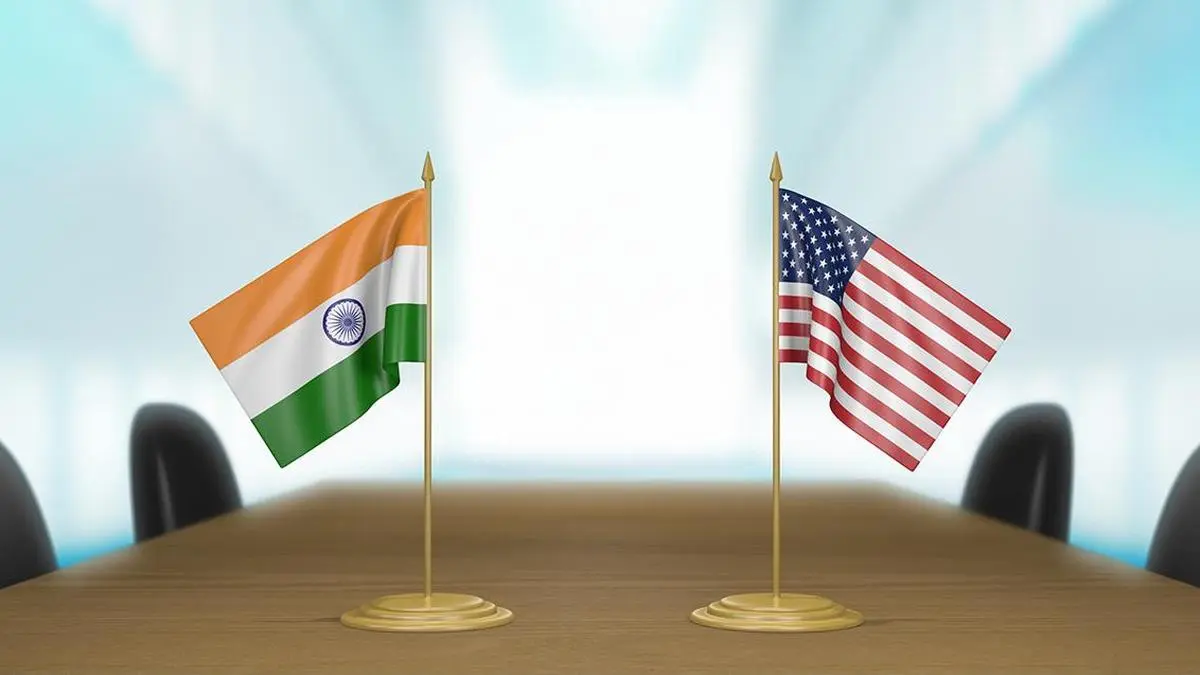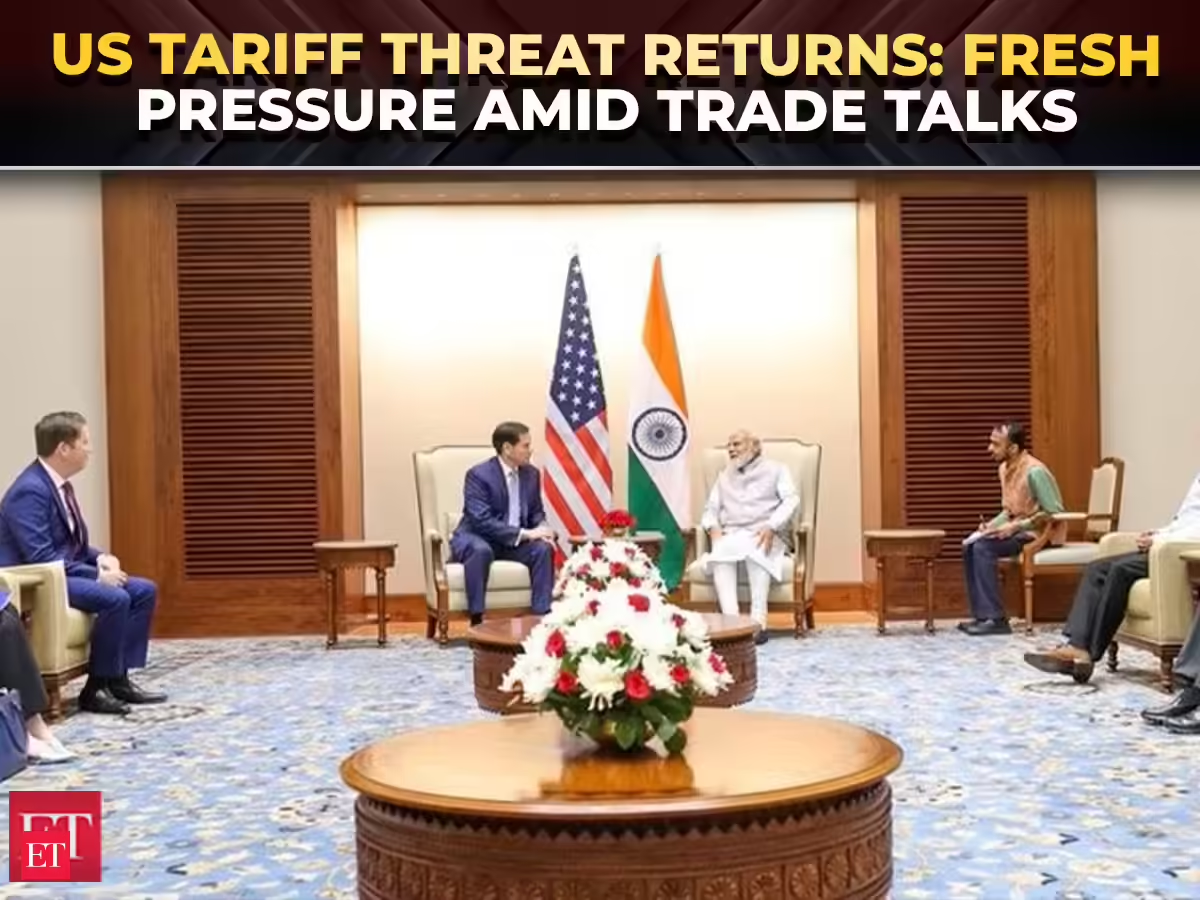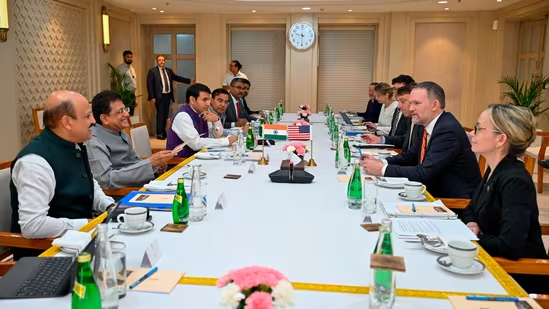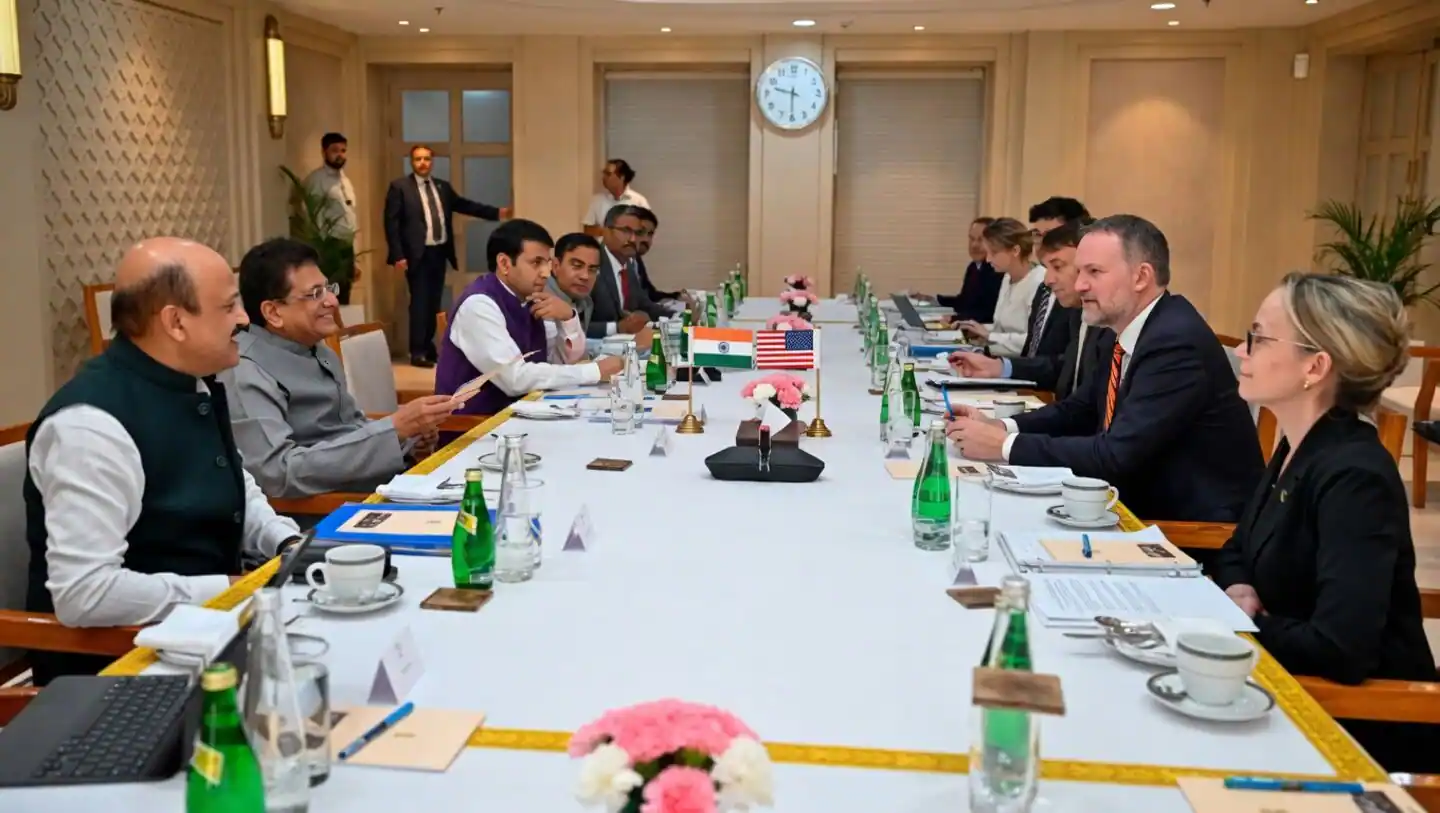
Recently, the CEO of a large multinational called to ask whether the upcoming visit of the United States Trade Representative to India could result in tariff rates returning to around 18% or settling at a different level.Such conversations reflect the extent to which trade negotiations are often viewed through the prism of headline tariff numbers. Yet, in practice, tariff rates are only one part of the picture. The more significant determinants of market access and competitiveness frequently lie elsewhere. This presents an opportunity for India to move beyond a narrow focus on tariff bargaining and instead address the broader set of factors that shape trade outcomes.When India and the U.S. issued a joint statement in February 2026 agreeing on a framework for an interim trade agreement, the headlines highlighted the obvious: the tariff numbers. The U.S. reciprocal rate cut to 18%. India’s pledge to move toward zero duties on American goods. The “$500 billion” purchase commitment. But the White House fact sheet buried the more consequential admission — that both sides needed to negotiate the removal of non-tariff barriers. The U.S. deploys its own formidable non-tariff barriers arsenal while India has its quality regulations. The tariff headline was the press release. The NTBs on both sides are the actual problem.For decades, trade diplomacy revolved around tariffs. Governments negotiated reductions in import duties, and success in trade talks was measured in percentage points shaved off customs rates. In today’s hyper-regulated global economy, tariffs barely matter. The real obstacles are faced in the laboratory and the law offices through NTBs.NTBs are the regulations, certifications, licensing rules, and product requirements that goods must meet before entering a market. They include technical regulations, environmental rules, health and safety requirements, packaging standards and testing procedures. Unlike tariffs, which are transparent and easy to measure, these regulatory hurdles operate within the system and exert a far-reaching influence on trade.NTBs, the quiet trade weaponSince the establishment of the World Trade Organization (WTO) in 1995, average tariff rates among its members have fallen by nearly half, yet governments have not abandoned protectionism. As tariffs declined, NTBs surged. Today, they affect around 90% of global trade — a sixfold increase over the past three decades.The regulatory landscape has expanded just as rapidly. More than half of the 20,000 global product and safety regulations introduced over the past 70 years have emerged since 2000, creating a dense web of overlapping rules that complicates cross-border commerce and raises compliance costs, particularly for smaller exporters. The WTO itself reflects this shift. In 2025 alone, governments submitted over 7,700 notifications of NTBs and health-related trade measures, 10 times more than in 1995.Among major economies, the European Union (EU) is the most extensive user of these regulatory tools. According to the World Trade Organization and World Bank data, non-tariff measures cover roughly about 94% of imports entering the EU, compared with about 77% in the U.S. and nearly 45% in India. Each major economy deploys these barriers differently. The EU has built the world’s most expansive regulatory architecture for trade, with NTBs concentrated in environmental rules, chemical safety regulations, product standards, packaging requirements and climate-related policies such as the Carbon Border Adjustment Mechanism and the EU Deforestation Regulation. These rules are justified as protections, often acting as powerful filters on trade.The American NTBs are driven by strategic competition, security concerns and technological dominance. Export controls, entity lists and restrictions on semiconductors, AI chips and advanced computing hardware increasingly limit rivals’ access to critical technology supply chains. India has traditionally relied more on tariffs, but this is changing. As part of its industrial strategy, New Delhi is expanding quality regulations on imports of electronics, machinery and chemicals to boost domestic manufacturing and reduce dependence on external supply chains.The Indian experienceIndia’s own FTA record makes the point sharply. The Association of Southeast Asian Nations (ASEAN)-India agreement has been in force since 2010, yet preferential tariff utilisation among Indian businesses remains below 50%, largely because non-tariff barriers (NTBs) make claiming these benefits commercially impractical. Indonesian registration requirements restrict Indian pharmaceutical exports, while Thai customs procedures force gems and jewellery exporters to reroute shipments through Hong Kong. Tariffs have fallen, but trade barriers remain.Japan and South Korea tell a similar story. Despite an FTA with Japan since 2011, Indian pharmaceutical exports remain negligible because market approvals can take five to seven years and Japan has resisted recognising international testing standards. With South Korea, bilateral trade reached $27 billion in 2024-25, but India accounted for only $6.5 billion. Overall, India’s FTA utilisation rate is about 25%, compared with 70%-80% for developed economies. The agreements existed on paper; the barriers remained in practice.The next frontier of tradeThis does not mean abandoning legitimate environmental or consumer protections, but regulatory systems must be transparent and proportionate. Otherwise, they risk fragmenting global markets at precisely the moment when supply chains are being re-organised.India’s newer agreements signal a genuine shift. The United Arab Emirates Comprehensive Economic Partnership Agreement explicitly mandates automatic recognition of medicines approved by major global regulators, and requires mutual acceptance of laboratory testing that eliminates duplicate compliance costs. The India-European Free Trade Association Trade and Economic Partnership Agreement, in force since October 2025, goes further with mutual recognition of standards, streamlined conformity assessment, and a dedicated sub-committee mandated to address NTBs on an ongoing basis. For the first time, NTB reduction is a legally binding obligation.The politics of trade still talks about tariffs. The economics of trade has already moved on. In the 21st century, the real barriers are regulatory. If the West wants a serious economic pivot to the east, addressing those barriers will matter far more than cutting tariffs ever did.Anuj Gupta is the Managing Director of BowerGroupAsia. The views expressed are personal
The real barriers to trade are no longer tariffs
With tariff rates only one part of the picture, India must move beyond a narrow focus on tariff bargaining and instead address the broader set of factors that shape trade outcomes
954 words~4 min read