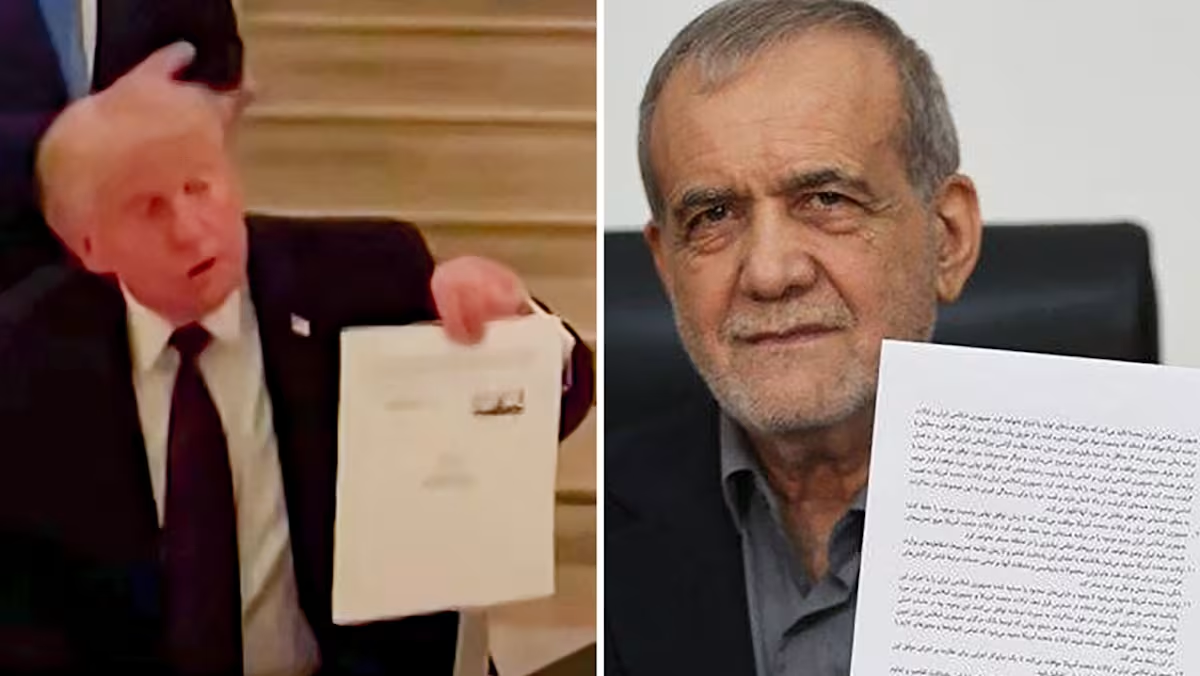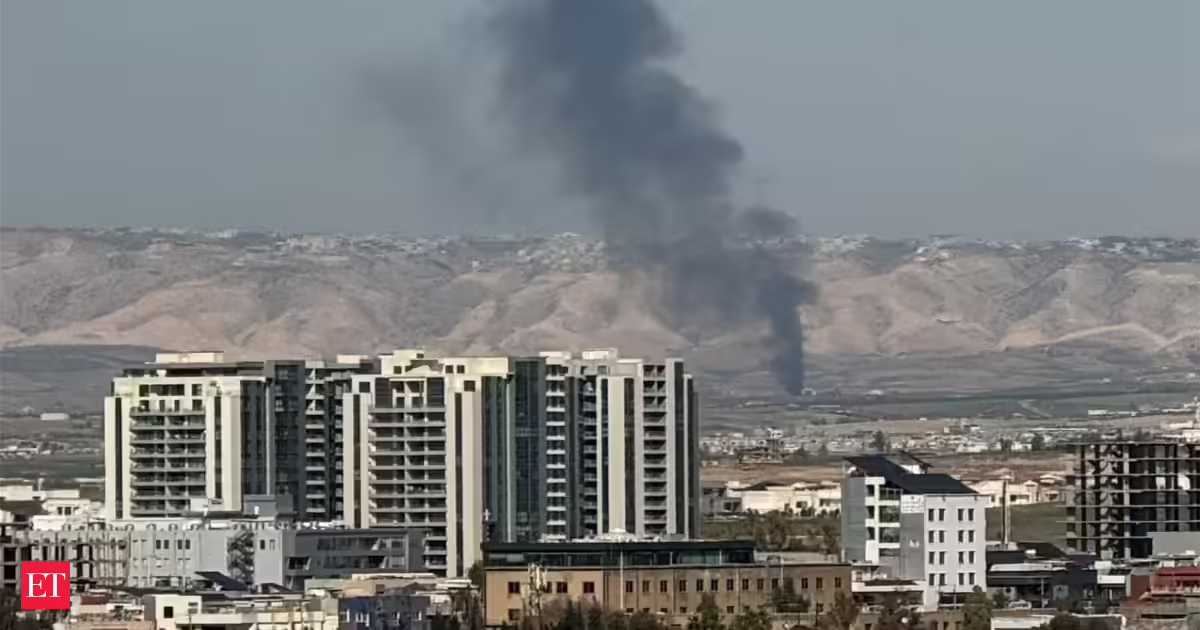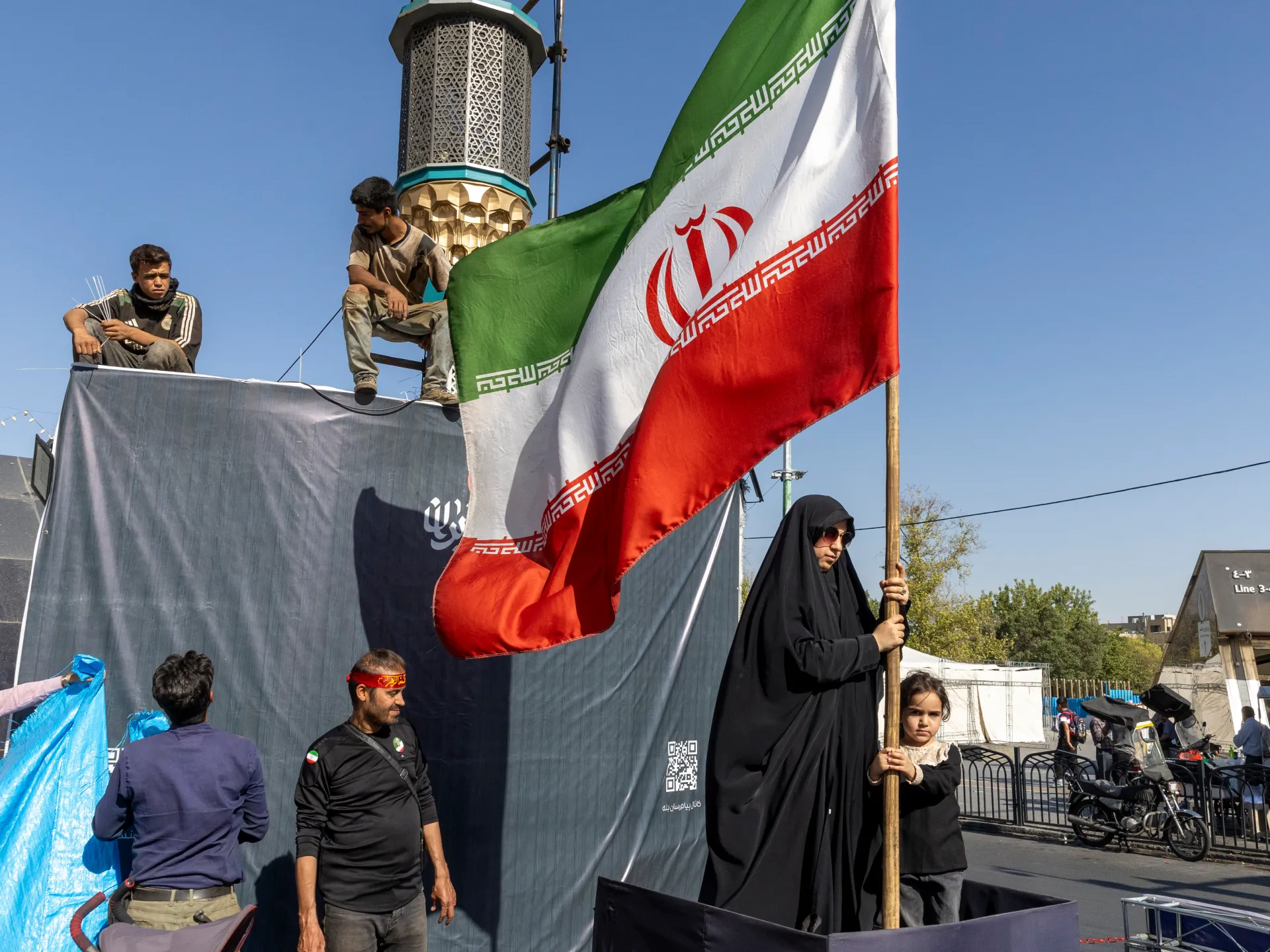
The 60-day clock started ticking today. The United States and Iran formally entered a negotiation period on June 18, one day after a 14-point preliminary agreement between the two nations took effect, setting the stage for what could become the most consequential nuclear deal since the JCPOA.
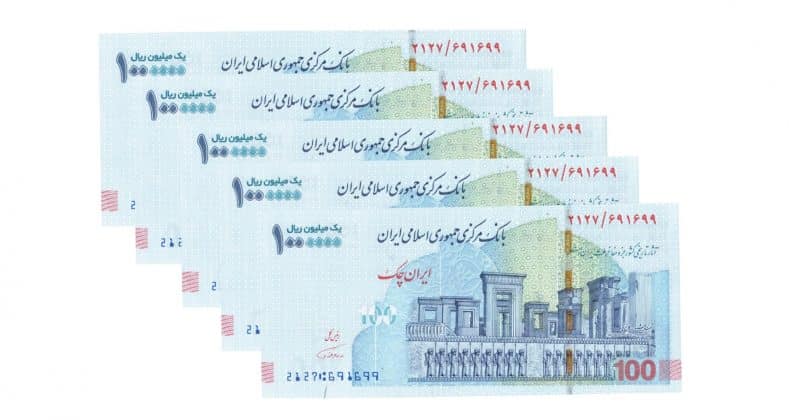
The agreement, born out of the recent Twelve-Day War, includes some eye-catching concessions: $24 billion in frozen Iranian assets set for release, a ceasefire extension, and unrestricted shipping through the Strait of Hormuz. Half of those frozen funds, roughly $12 billion, were made available before negotiations even began.
What’s actually in the deal
The 14-point framework covers a lot of ground. At its core sits Iran’s nuclear program, specifically the question of what to do with approximately 440 kg of highly enriched uranium. The plan calls for a supervised down-blending process overseen by the International Atomic Energy Agency, essentially diluting the enriched material to levels unsuitable for weapons production.
Iran is also expected to reaffirm its commitment not to develop nuclear weapons and halt hostilities. In return, the US is offering limited sanctions relief on Iranian oil exports, on top of the $24 billion asset release and the Strait of Hormuz guarantees.