Support CleanTechnica's work through a Substack subscription or on Stripe.
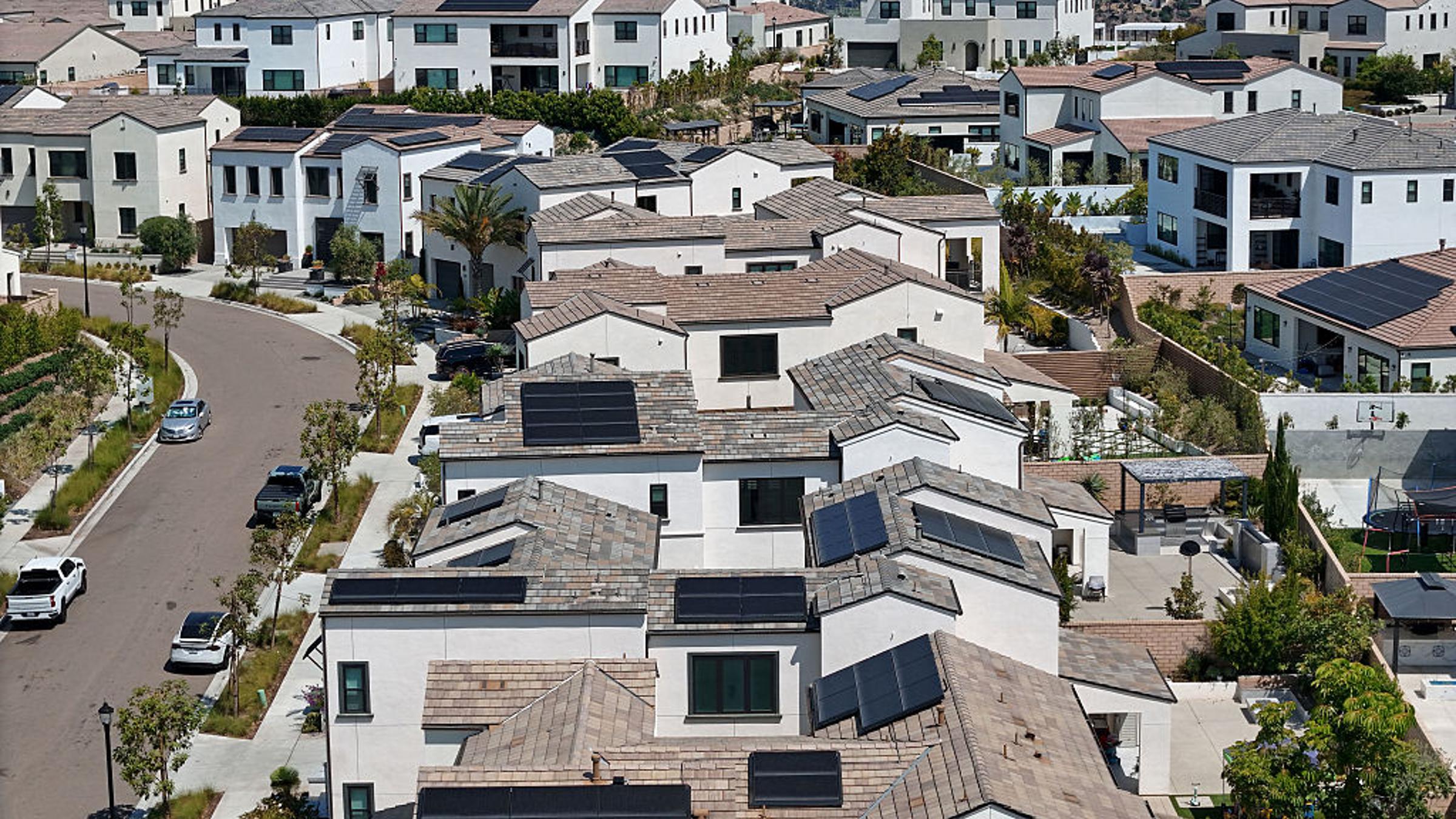
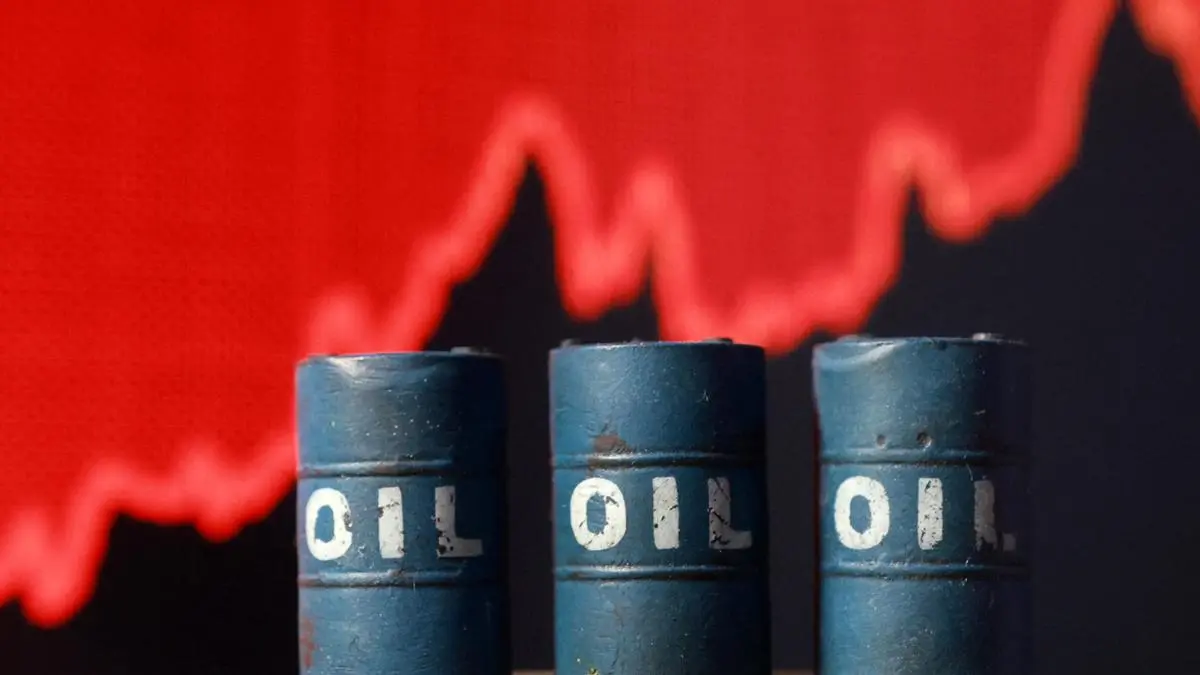
TIME magazine this week published an article by Alexis Abramson, the dean of the Columbia Climate School, who said the failed assault on Iran has altered the way people think about solar energy. “Across the U.S. and globally, interest in clean energy is accelerating faster than at any point in history, and not necessarily because of anything the clean energy movement achieved on its own. Understanding why is critical,” she said.
The move toward clean energy began with the first Earth Day in 1970, during which 20 million turned out to support curbing human caused pollution because it was simply the right thing to do. “The environmental conviction was real, and it moved a committed minority. By 2010, after four decades of moral-based advocacy, solar still represented less than 0.1% of U.S. electricity generation,” Abramson noted.
The Third Wave
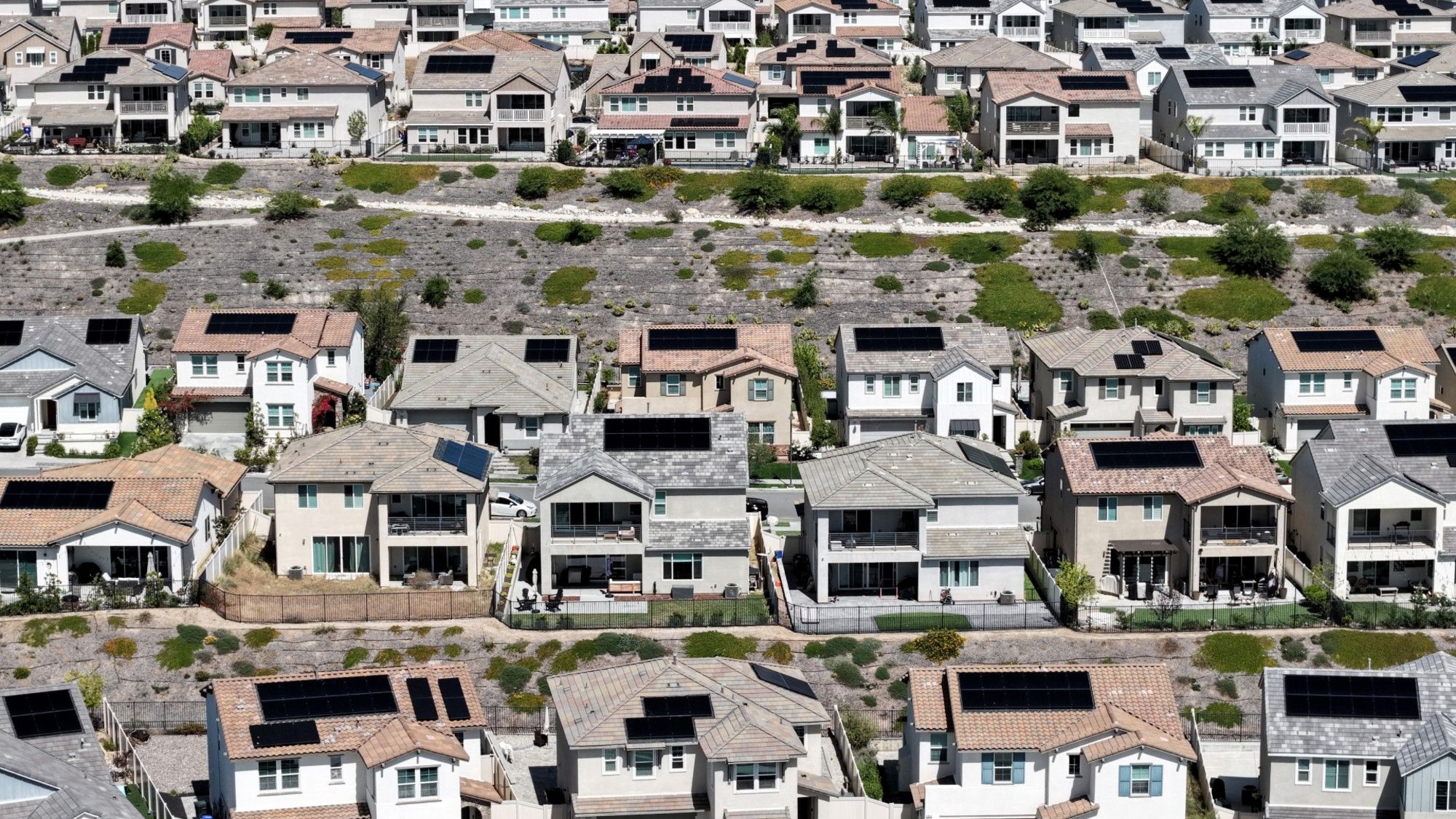
Then came the economic revolution, which focused on making solar affordable enough that it could compete head to head with fossil fuels. The solar investment tax credit — supported by both political parties — debuted in 2006. Over the next 15 years, solar grew by more than 10,000%. Then the Inflation Reduction Act turbocharged the solar industry to the point that in 2024, solar accounted for more than 80 percent of new grid-scale generating capacity. Abramson wrote: