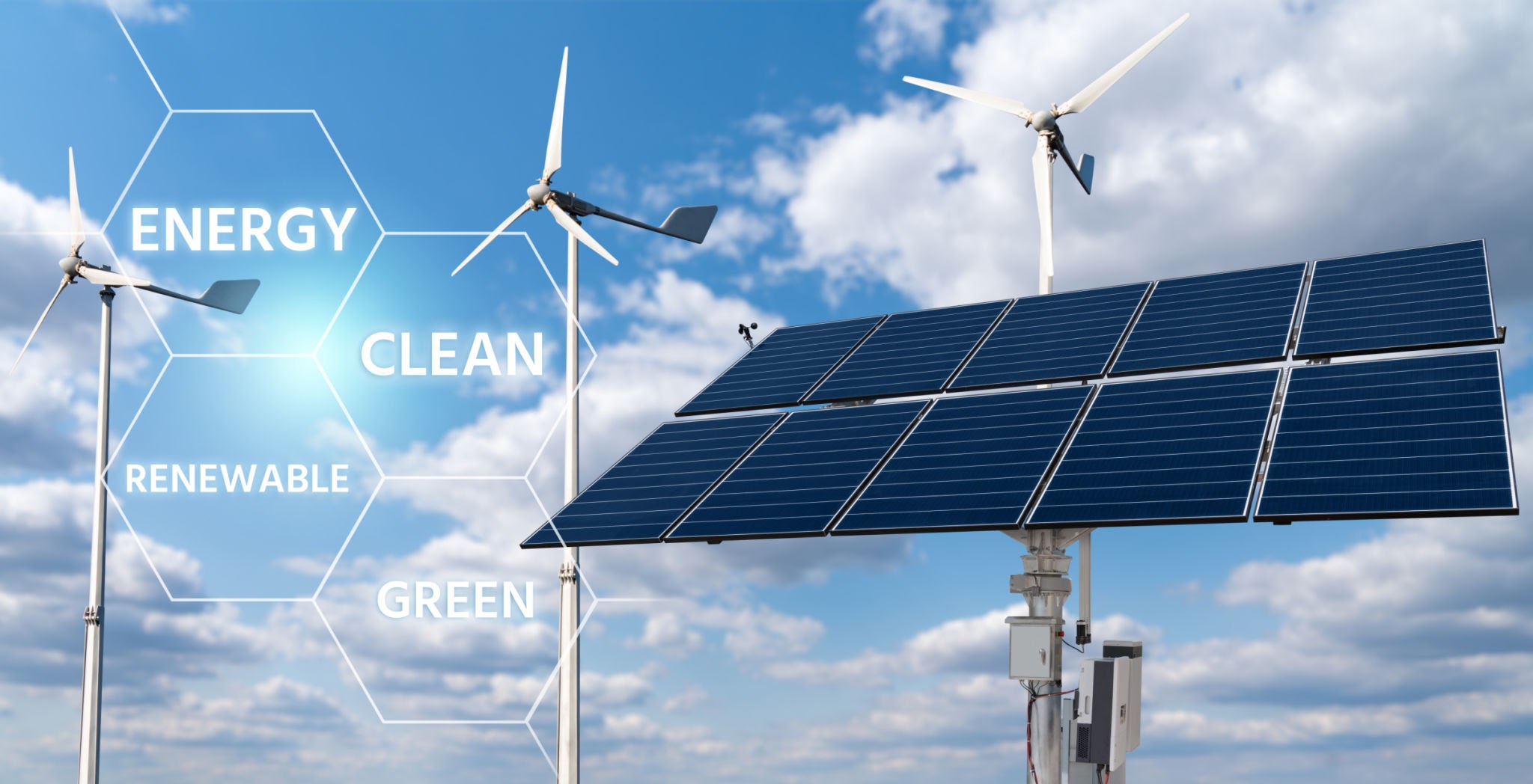
Solar panels and wind turbines. (Image AI generated using Claude AI.)
Support CleanTechnica's work through a Substack subscription or on Stripe.
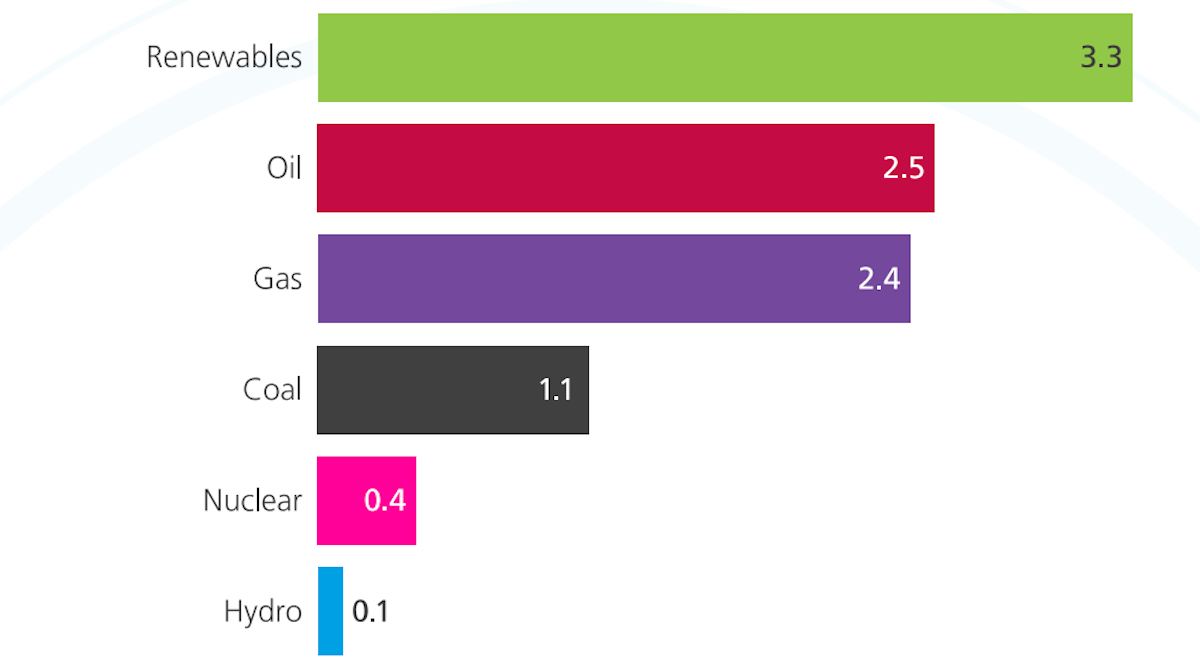
The International Energy Agency’s World Energy Investment 2026 report released on May 28, 2026, contained some startling news. The general perception is that, with the US government massively favoring the dirtiest forms of energy, global investments in fossil fuels are soaring. The reality is quite dif ferent. According to the IEA, clean energy investments last year were nearly double those in fossil fuels — $2.2 trillion versus $1.2 trillion. By the IEA’s definition, clean energy includes solar and wind energy, nuclear energy, grid-scale battery storage, and grid upgrades. You might think this is a recent trend, but We Don’t Have Time says it has been evident for the past decade.
In an essay for Forbes published on June 7, 2026, Ingmar Rentzhog, the CEO of We Don’t Have Time, wrote: “Fossil fuels do not compete on a level field. Governments around the world still spend enormous sums keeping fossil energy cheaper than it otherwise would be. These subsidies are usually defended as protection for households during periods of high prices. They also keep fossil fuels artificially competitive against cleaner alternatives. So the honest question is this: If we add fossil fuel subsidies to fossil fuel investment, does clean energy still lead?”