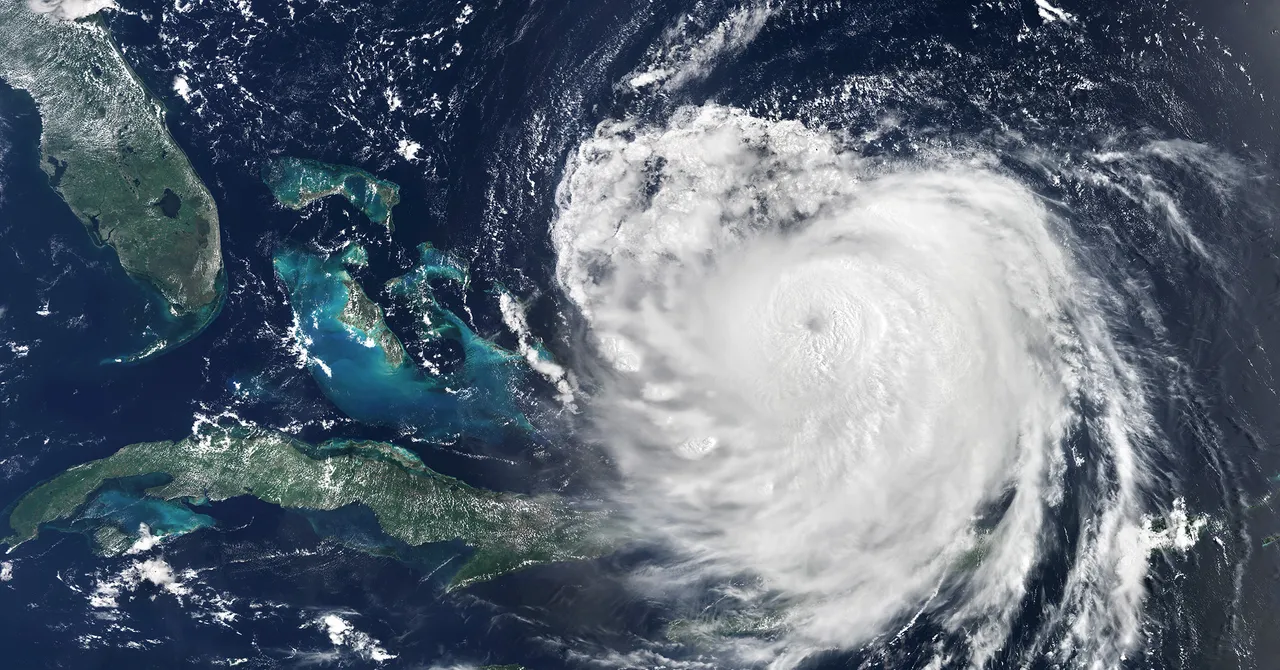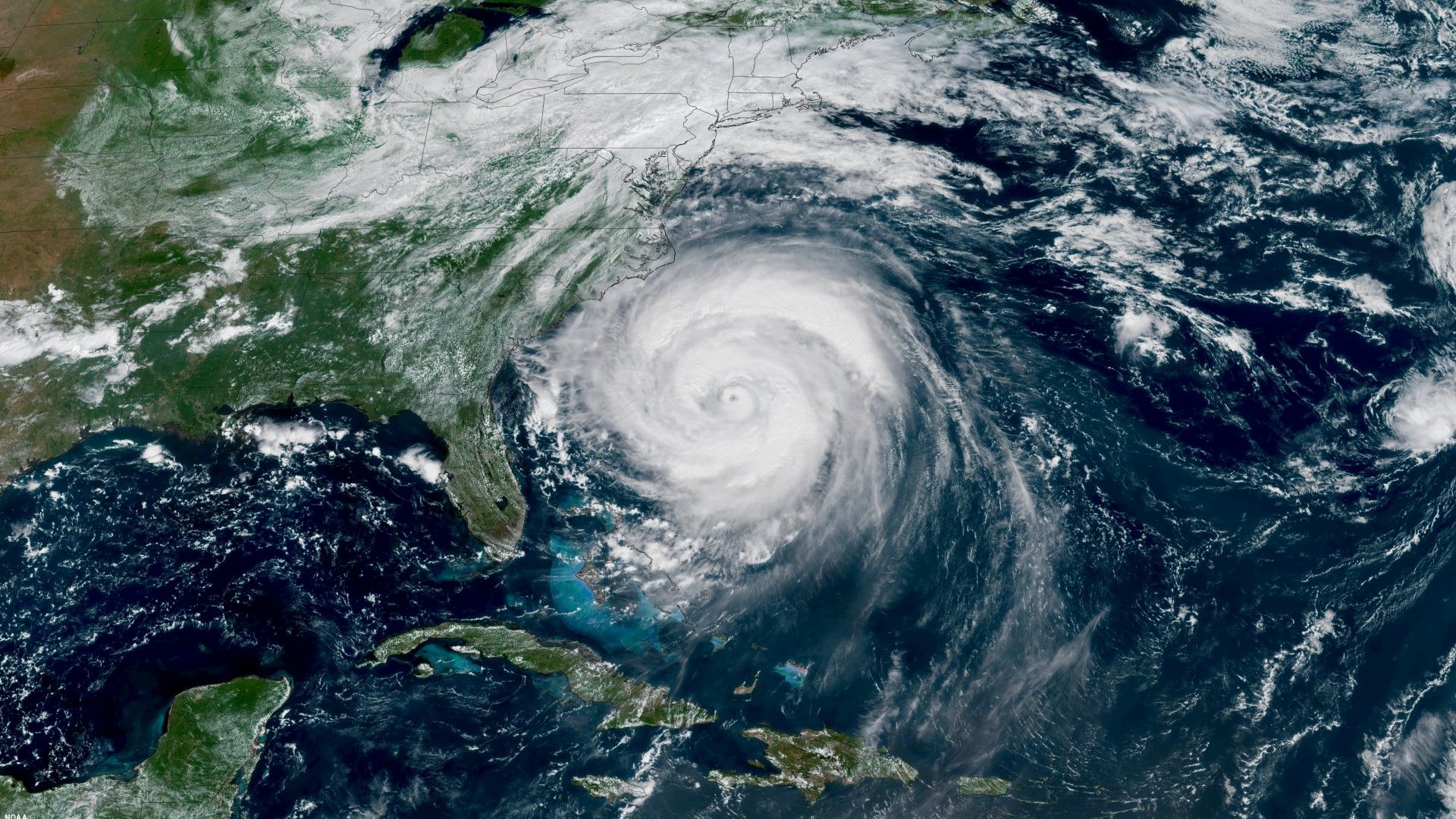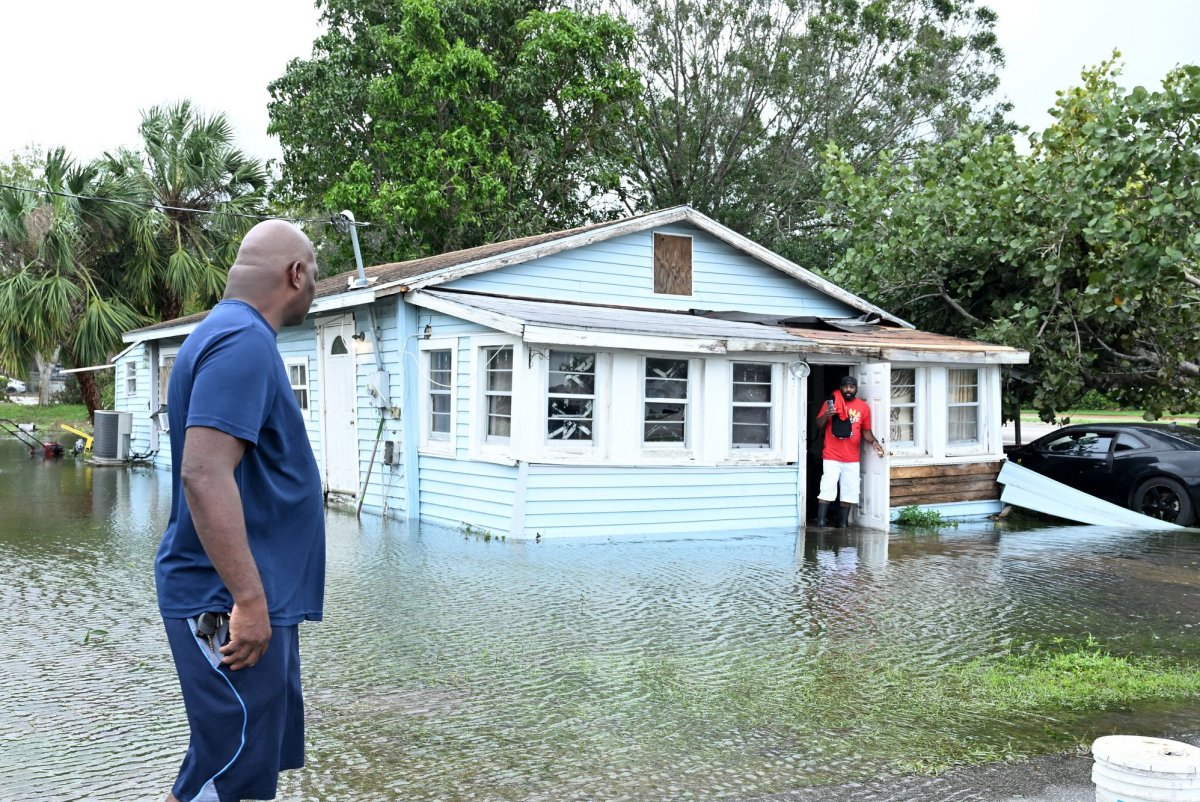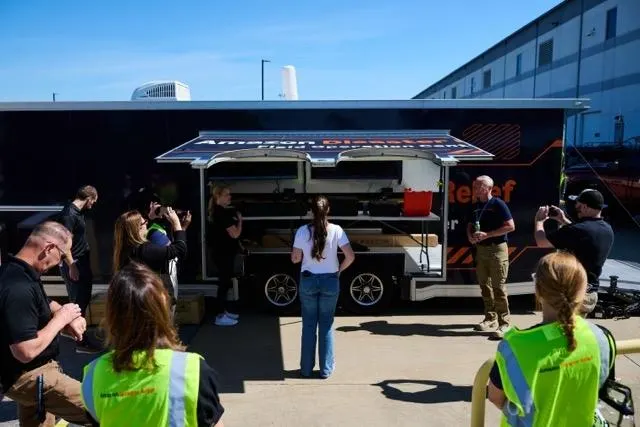
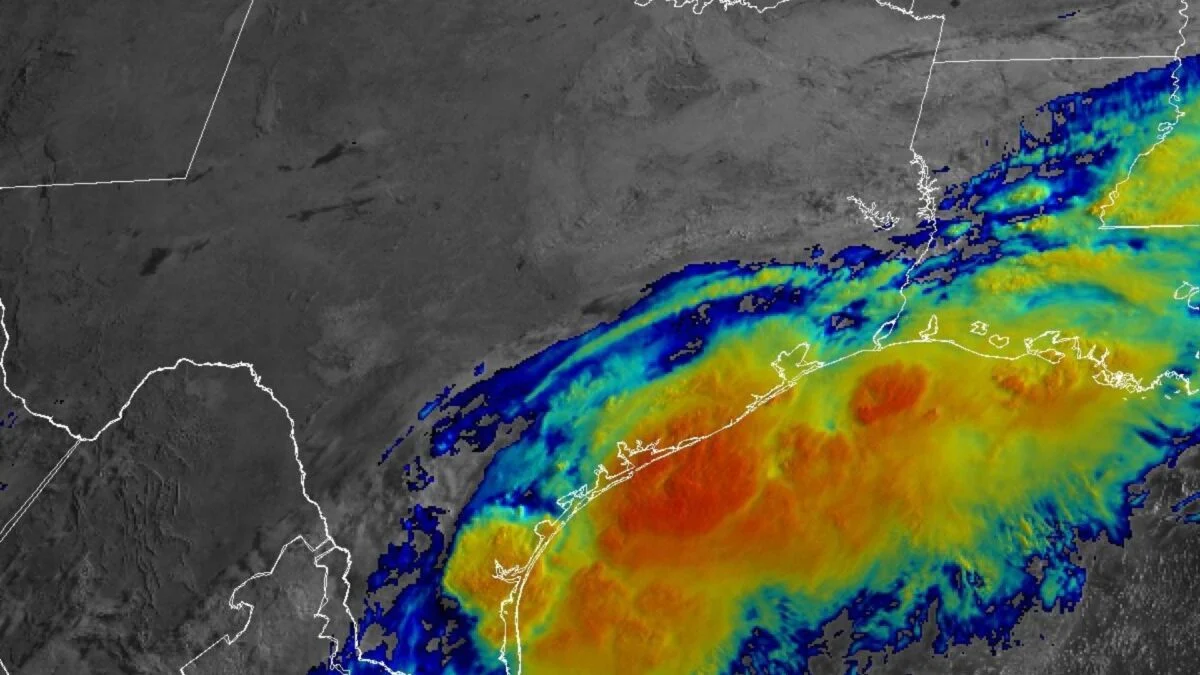
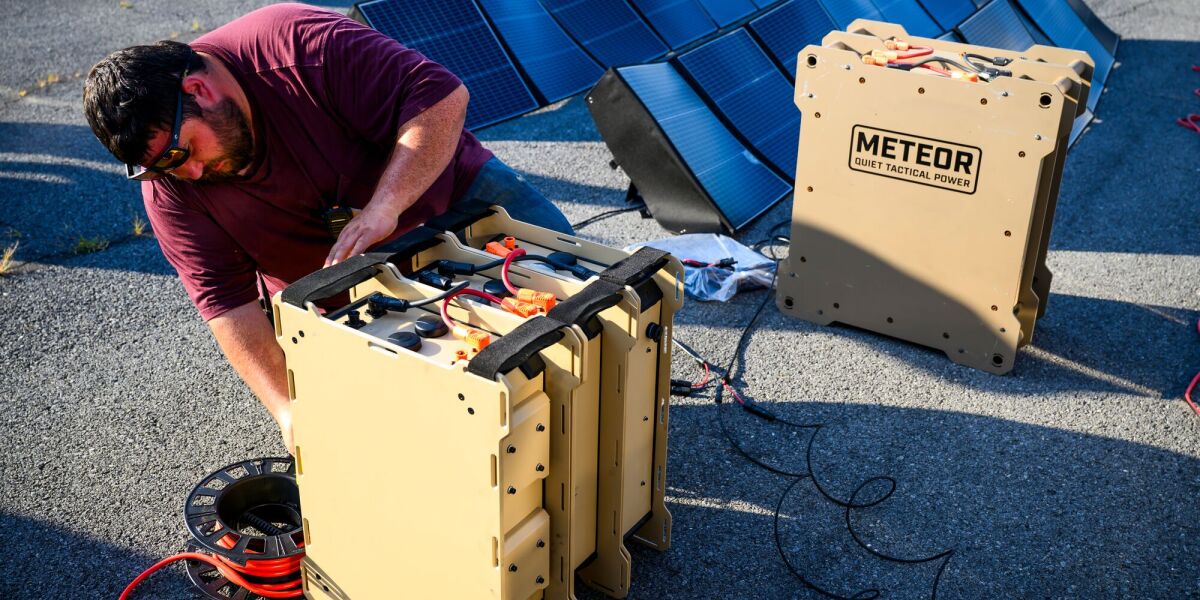
NASHVILLE, Tenn., during the Amazon Disaster Relief Tech Hub preview at Amazon’s RAD1 (3818 Logistics Way, Antioch, TN) on Thursday June 4, 2026. CREDIT: William DeShazerWilliam DeShazerForecasters predict that an El Niño year may mean that the 2026 Atlantic hurricane season could be less active than usual, but that does not mean coastal communities can afford to relax. The National Oceanic and Atmospheric Administration gives the season a 55% chance of producing below-normal activity. Its forecast calls for eight to 14 named storms, three to six hurricanes, and one to three major hurricanes. El Niño conditions, which can suppress Atlantic hurricane development, are expected to emerge during the season.Seasonal totals, however, do not determine the experience of the community where a hurricane makes landfall. “El Niño means probably fewer hurricanes, but it only takes one hurricane to make a season,” Brad Workman, Amazon’s chief meteorologist, said during an interview at the company’s disaster relief technology hub outside Nashville, Tennessee.That single storm can set off a series of interconnected failures. Winds and flooding may disable electric service, cell towers, roads, drinking-water systems, and health facilities. Residents can lose the ability to communicate with relatives, apply for assistance, power medical equipment, or tell responders what they need.Amazon is expanding a disaster technology program designed to restore some of those essential functions while permanent infrastructure is repaired. On June 4, the company announced that it will provide more than 2,000 rapid-response technology systems to nonprofit partners at no cost by 2027. Amazon says the commitment represents a fiftyfold increase from the 42 systems it delivered last year.This comes at a time when humanitarian actors are trying to learn how to incorporate technology and artificial intelligence into their work streams. These are large, legacy organizations and in some cases, they are intergovernmental organizations that need a wide variety of consultations before changes are made. In the United States, FEMA, or the Federal Emergency Management Agency, is undergoing a review that could mean fundamental changes to how it operates. Some of those changes may require Congressional action. This requirement does not usually translate into a rapid response.MORE FOR YOUWe interviewed Dr. Frederic Berteley, President and CEO of the Center of Science and Industry (COSI), separately about satellite systems and forecasting. “The private sector has figured out how to do things faster, cheaper, and frankly better. Now, they’re not afraid to take risks, whereas the government can’t take so many risks.”More than 800 systems are ready for the current hurricane season from the company’s Tennessee technology hub. Additional systems are expected to become available from California and Pennsylvania by 2027. The systems can provide temporary connectivity, renewable energy, potable water, and power for medical devices and emergency operations. Amazon retrieves and refurbishes the equipment after deployment so it can be used again.Forecasting Beyond The Eye Of The StormWorkman and his team monitor weather hazards around the clock. Their responsibilities include seasonal planning, near-term forecasting, and real-time communications with Amazon facilities, employees, drivers, and disaster-response partners.The role requires more than identifying a storm’s likely path.“The forecast on a hurricane is the center of the eye, but hundreds of miles outside of that can still have an impact,” Workman said. “How are we preparing everyone, not just the directly impacted, but those that may experience the downstream impacts?” Those downstream effects may include tornadoes, inland flooding, power outages, transportation disruptions, and supply-chain delays. They may continue after the storm’s center has moved away.Workman said his job is partly one of scientific translation. Weather data must be converted into decisions that facilities, drivers, nonprofit partners, and local responders can use. “If I have all the weather data, but I can’t explain it to people, then we can’t do actionable things that matter,” he said.Addressing the issue of data quality and availability is another known issue in emergency response. Land-based systems can be impacted by the same events as communities and responders, meaning those insights will be unavailable or delayed in a crisis. Satellite data is available consistently but has a time lag. This is where the use of Low Earth Orbit satellites or LEOs, which Amazon is also deploying, becomes an important tool. Dr. Berteley described low-Earth-orbit data as an additional layer rather than a replacement for existing sources. “Now you have this tool,” he explained. “You still have ground-based data, you still have higher-orbit data, and now you’ve got this piece that’s giving you another set of data. It’s like science. You’re supposed to repeat an experiment multiple times before you draw conclusions. If you have access to all three, you can tighten your level of anticipation and your level of predictability.”That layered approach is particularly useful during fast-moving events. Ground observations, higher-orbit satellites, and LEO systems may each capture different parts of the developing picture. Their value increases when responders can compare them, identify gaps, and translate them into operational decisions.The same challenge applies to probabilistic seasonal forecasts. A prediction of fewer storms does not mean that no storm will make landfall. Nor does a forecast cone capture every place that may experience dangerous conditions.Amazon’s approach is therefore to prepare for a range of possibilities rather than assume a less active season will be a less damaging one. “Just because it’s less likely doesn’t mean we’re any less prepared,” Workman said.Connectivity As Emergency InfrastructureFor Abe Diaz, Amazon’s head of disaster relief, restoring communications is a prerequisite for effective response. When power and cell service fail, residents may be unable to contact relatives, request help, or complete disaster-assistance applications. Local organizations may have difficulty communicating conditions to outside responders. Multiple relief groups may also receive the same request without knowing whether it represents one unmet need or several.NASHVILLE, Tenn., Kara Hurst and Abe Diaz speaking during the Amazon Disaster Relief Tech Hub preview at Amazon’s RAD1 (3818 Logistics Way, Antioch, TN) on Thursday June 4, 2026. CREDIT: William DeShazerWilliam DeShazerDiaz said connectivity systems can help communities and relief organizations communicate earlier, including before large response organizations arrive.“If we can get those connectivity kits ahead of time into some of those communities, then right after the event they can self-service,” he said. “They can call out for help. Even if it’s not us, they can at least communicate: ‘Here’s what we need.’”The value of the additional data Dr. Berteley described depends on whether communities and response organizations can receive it. Ground observations and satellite information have limited operational value if damaged communications systems prevent local partners from reporting conditions or accessing forecasts.Amazon’s role, Diaz emphasized, is to provide the capability rather than control how a nonprofit uses the network. “Amazon provides the service to nonprofits, who manage operations and usage, not us. When we set up connectivity for a relief nonprofit, the bandwidth is theirs.”The nonprofit uses the connection to coordinate teams, communicate with families, and manage emergency operations. Amazon gets the system working and then hands it over. “We provide the capability; they decide how it’s used,” Diaz said.That division of responsibility is important because disaster communications can involve sensitive information about survivors, medical needs, locations, and family reunification. Diaz said Amazon centers on nonprofit organizations and emergency managers because they understand the communities they serve.The technology is only one part of the process. Amazon also works through existing emergency-management structures and nonprofit coordination networks. The company participates in emergency calls, listens to organizations already operating in affected areas, and tries to verify needs before moving equipment or supplies.That coordination can prevent duplication. Diaz described situations in which several organizations separately reported a request for 4,000 units of the same material. Without coordination, a responder might interpret those reports as several different requests and send far more than the community needed.The process also helps Amazon identify organizations with the trust and local knowledge required to operate effectively. That can be particularly important in places such as Puerto Rico, Hawaii, and Alaska, where outside responders may struggle if they do not understand the cultural and institutional context.“We’re really plugging into the mechanisms that each state already has to manage emergencies,” Diaz said. “We can understand who has the license to operate, and that’s really important.”NASHVILLE, Tenn., during the Amazon Disaster Relief Tech Hub preview at Amazon’s RAD1 (3818 Logistics Way, Antioch, TN) on Thursday June 4, 2026. CREDIT: William DeShazerWilliam DeShazerPlanning Before LandfallDiaz said emergency managers should understand that Amazon can provide more than trucks and emergency supplies. “My team isn’t just bringing products and logistics, the tarps, the supplies, the trucks, all of it free of cost,” he said. “We’re bringing our technology, too.”That can include temporary power, connectivity, and other systems that might otherwise cost a local agency tens or hundreds of thousands of dollars, he said. Amazon provides the equipment at no cost as part of its commitment to communities where its employees and customers live and work. The usefulness of that support, however, depends on the quality of the request. “The more specific you can be about what you need, the better,” Diaz said. “We have a wide range of tools at our disposal, and the sharper your request, the faster we can match the right solution to it.”That creates a reason for emergency managers and nonprofit organizations to identify operational gaps before hurricane season. A community may need backup power for a shelter, portable connectivity for a distribution site, water filtration for a damaged system, or communications equipment for field teams. Defining that need before landfall may shorten the time required to match a system to the problem.Diaz said listening first also helps prevent what emergency managers sometimes call the second disaster: a flood of unrequested donations that consumes warehouse space, labor, and transportation capacity.“We deliver what is actually needed, not what we assume is needed,” he said. “Our partners understand those needs best, so tell us the real problem you’re trying to solve, ideally before a disaster strikes, and we’ll work backwards from there to the best solution.”From Emergency Supplies To Temporary SystemsAmazon launched its disaster relief program in 2017. The company says it has since donated and delivered more than 26 million emergency items to communities affected by more than 200 disasters. Supplies such as tarps, blankets, diapers, and bottled water remain important. The technology expansion, however, reflects a broader shift. Instead of only delivering consumable goods, Amazon is also deploying temporary systems that can restore functions normally supplied by public infrastructure. That distinction matters. A community may receive food or medical supplies but remain unable to distribute them efficiently without communications, power, transportation, or safe water.The portable systems are intended to bridge the period between immediate impact and infrastructure restoration. Diaz said Amazon expects the program’s rapid expansion to produce an equally rapid learning cycle. Organizations using the systems will provide information about what worked, what failed, and what should change.That feedback may alter the contents of the kits, the way they are deployed, and the kinds of communities that receive them.Designing Relief That Does Not Create Another BurdenKara Hurst, Amazon’s chief sustainability officer, said the disaster program draws on nearly a decade of feedback from organizations such as the American Red Cross, Save the Children, and World Central Kitchen.“Yes. Every response to a natural disaster teaches us something,” Hurst said when asked whether deployments generate sustainability data that informs procurement and product design. She described Amazon’s disaster relief catalog as “a living document written by the people who use it.” That feedback has led to changes that may appear small but can determine whether donated supplies are useful. Amazon began including can openers with food donations after learning that displaced families often lacked them. It added toolboxes for shelter managers because mobility devices and shower chairs arrived in flat boxes that required assembly.The company also changed its products in response to environmental burdens. Hurst said Amazon replaced bottled water with filtration systems on islands where plastic waste could not easily be recycled. It also shifted to compostable cutlery and clamshell meal containers after food operations generated substantial plastic and foam waste.Amazon developed Responder Ready Kits and Mission Support Kits after learning that first responders sometimes lacked basic personal items such as soap, toothbrushes, and toothpaste during the first 24 hours of an operation.These examples show how field experience can alter procurement. They also show why disaster sustainability is not limited to emissions. It includes usability, waste, local disposal capacity, responder health, and whether products solve the problem recipients actually face. Amazon’s return-and-refurbish model for technology systems is intended to reduce waste and allow equipment to be redeployed. The model also creates an opportunity to revise systems as technologies and field requirements change.Hurst described that process as a feedback loop: test, deploy, learn, and improve. “A lot of companies stop” after deployment, she said during the Nashville interview. “The flywheel is about what happens. What’s that feedback piece that makes us understand: Did it work? What worked about it? What didn’t work about it? And then how do you improve?”The Limits Of Portable TechnologyThe expansion raises questions that will determine its broader value. Amazon has not publicly detailed how all 2,000 systems will be divided among connectivity, power, water, and other functions. The company will also need to determine where equipment should be pre-positioned and which nonprofit partners will receive it.Population alone may not identify the places with the greatest need. Communities with weak broadband, older electric infrastructure, limited health-care capacity, high social vulnerability, or few trusted response organizations may require more assistance even when they have fewer residents. The program’s success will therefore depend not only on the number of systems deployed, but also on whether they reach the right places, integrate with local response structures, and measurably improve recovery.Portable systems also cannot substitute for durable investment in electric grids, water systems, communications infrastructure, and public emergency-management capacity. This will continue to be a government-led conversation in the resilience space. Private industry is offering many lessons to inform that conversation.
One Storm Can Make A Season. Amazon Is Scaling Disaster Tech To Be Ready.
Amazon is ramping up its use of disaster response technology to reach communities faster during a hurricane or other big event.
2,320 words~11 min read
 aboutamazon.com