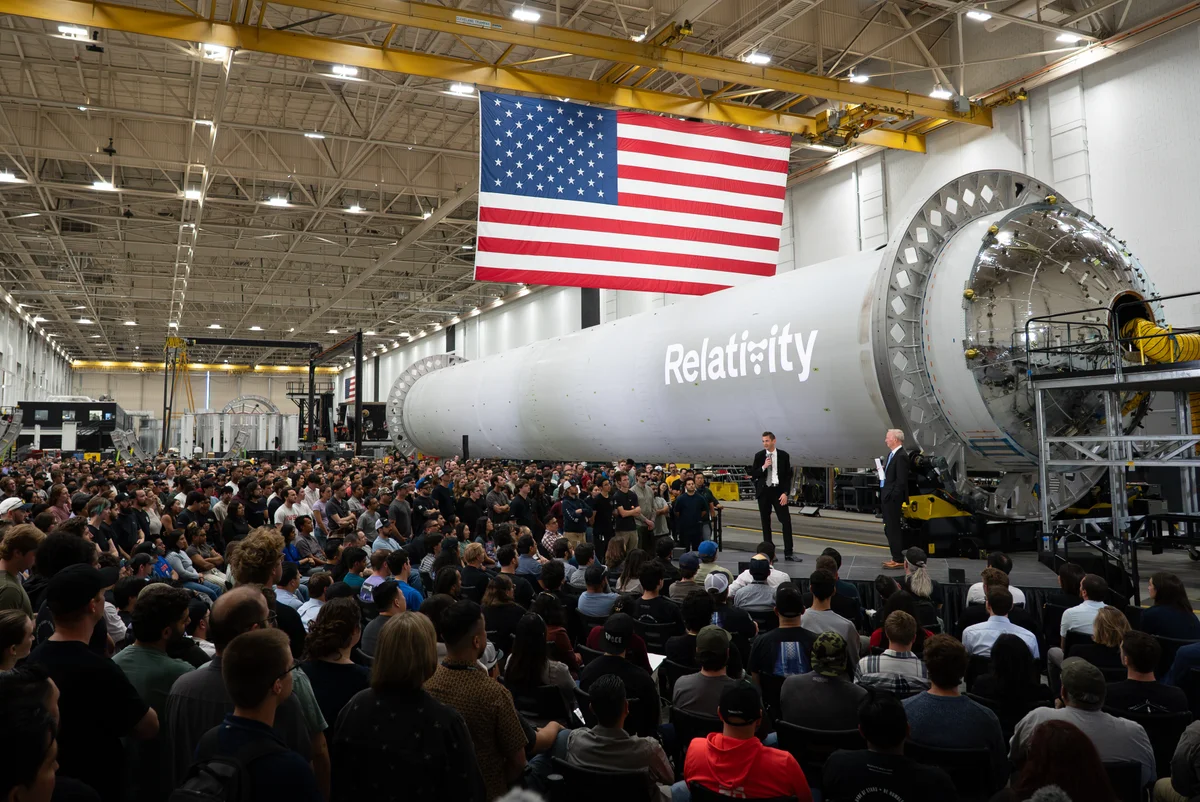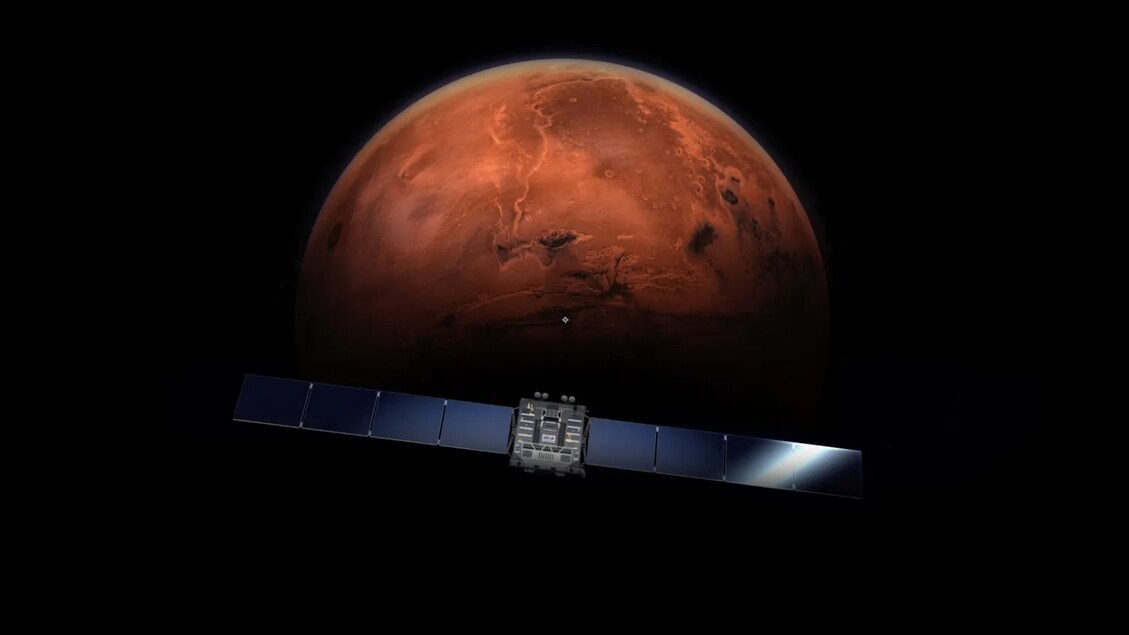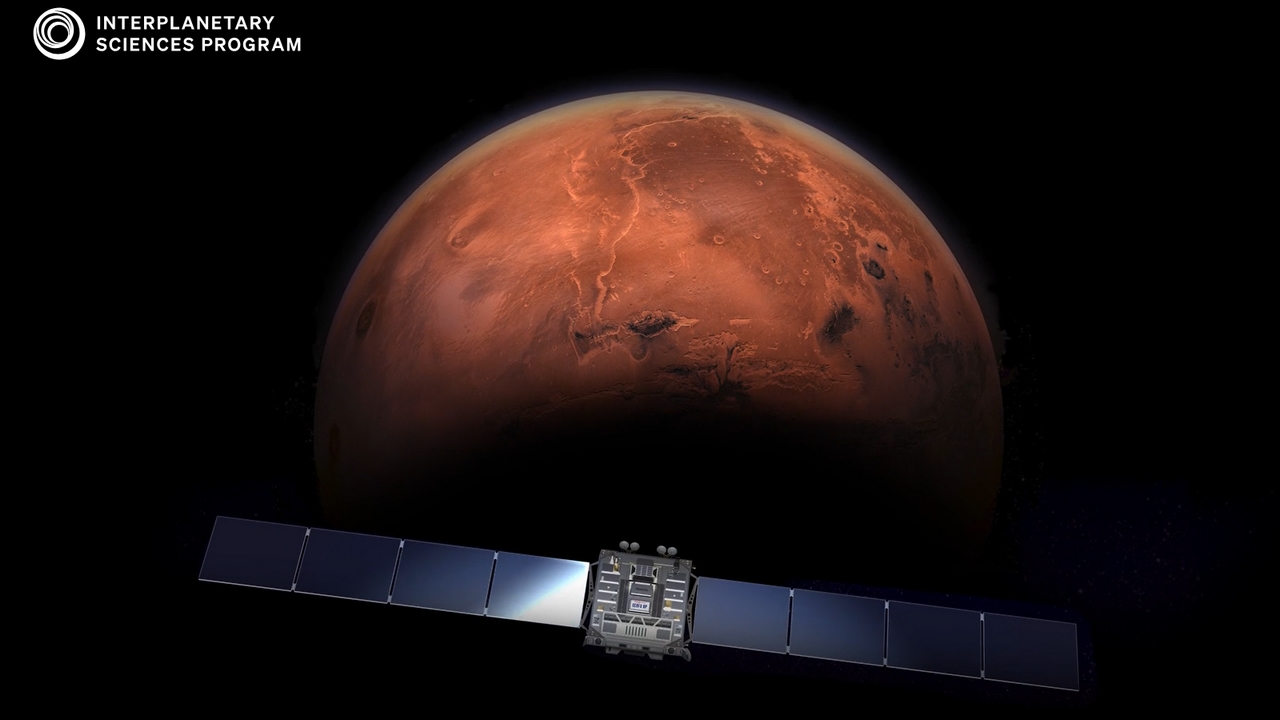
Aeolus mission promises better Martian weather models, assuming Relativity Space can get its Terran R off the ground
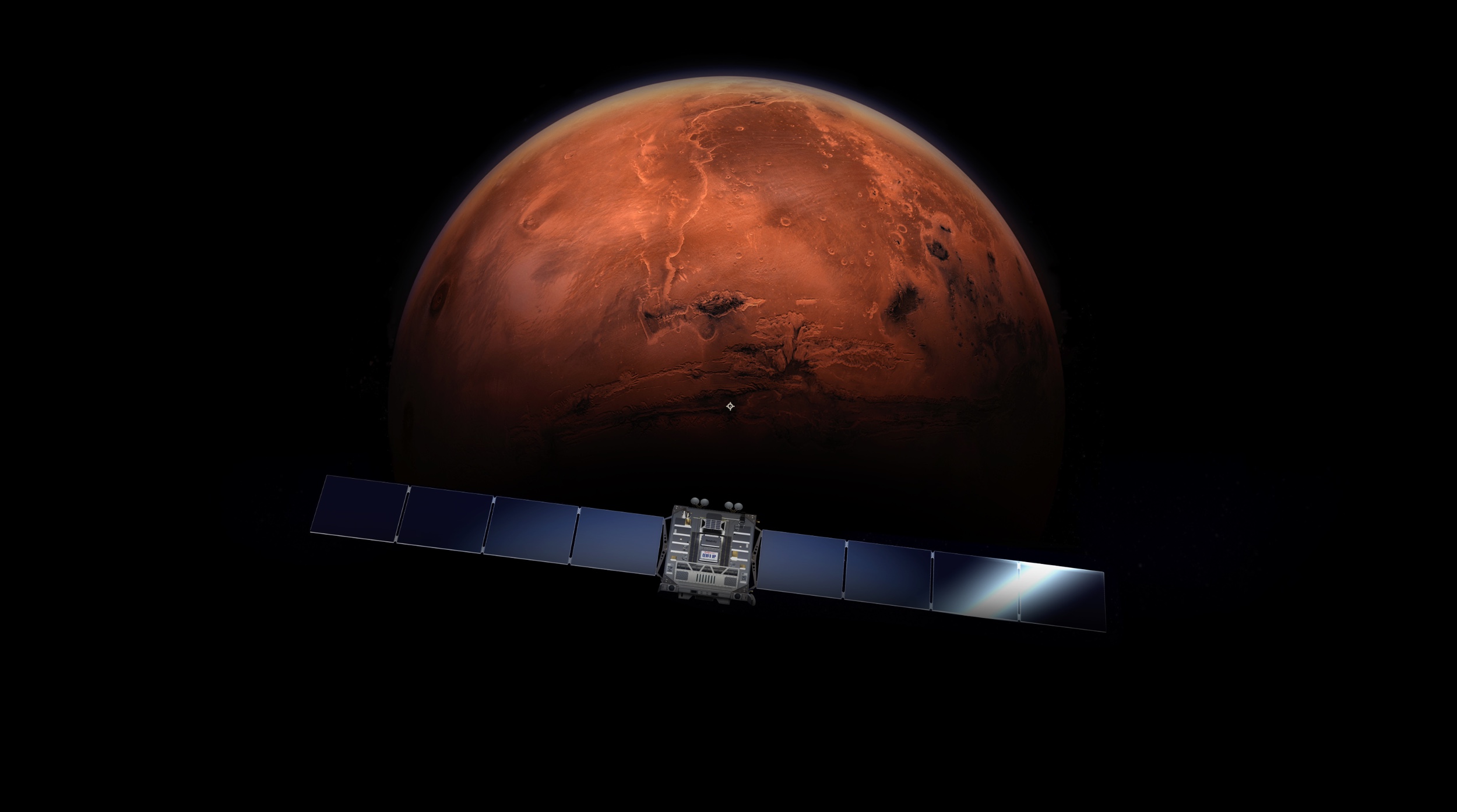
It might not yet have reached Earth orbit, but Relativity Space has announced plans for a mission to Mars carrying a NASA payload.The mission, dubbed Aeolus and scheduled for 2028, will launch a Mars orbiter carrying four NASA-built instruments. Relativity Space will supply the rocket, spacecraft, and cruise operations, while NASA will deal with the payload. The four instruments comprise a Doppler wind and temperature-sounder, a thermal limb sounder, a surface radiometric sensor package, and a wide-field context camera.NASA will support instrument operations for at least one Martian year, while Relativity Space will maintain the spacecraft. NASA's Ames Research Center will be responsible for designing, building, and integrating the payload.
Data collected by Aeolus will be used to improve models of dust, winds, temperature, and seasonal atmospheric behavior. It will also, according to NASA, "generate the detailed environmental knowledge required to reduce risk for future crewed and uncrewed landings. These measurements will directly inform entry, descent, and landing systems and support safer, more predictable mission planning for astronauts."