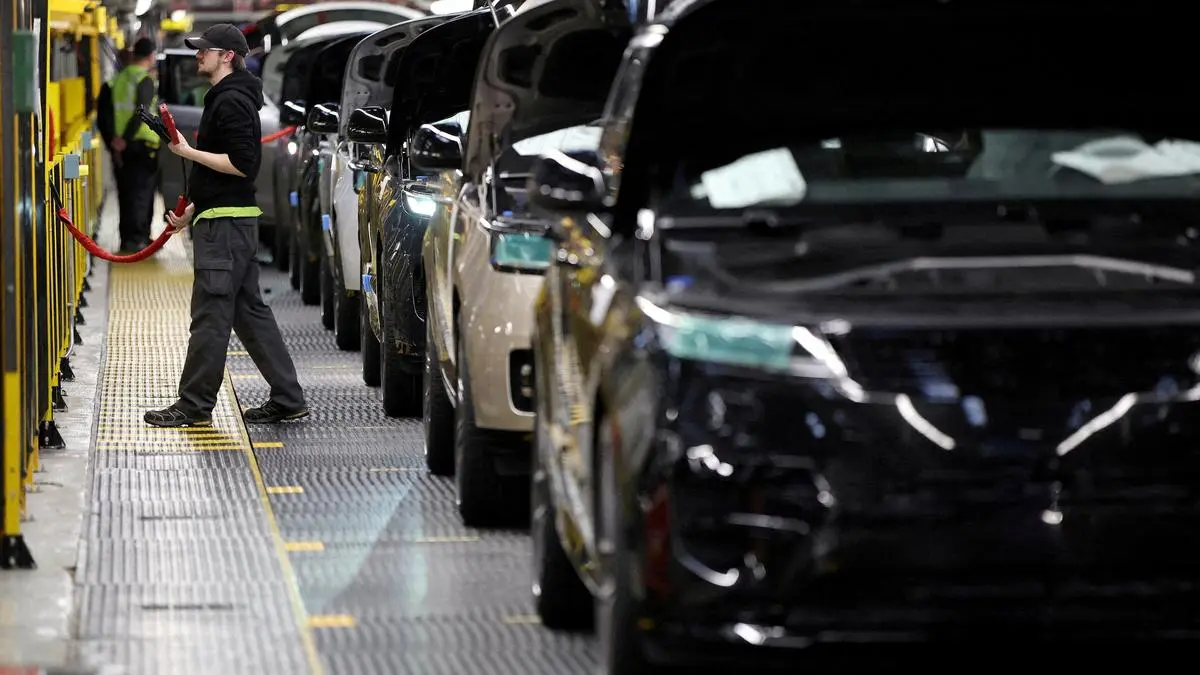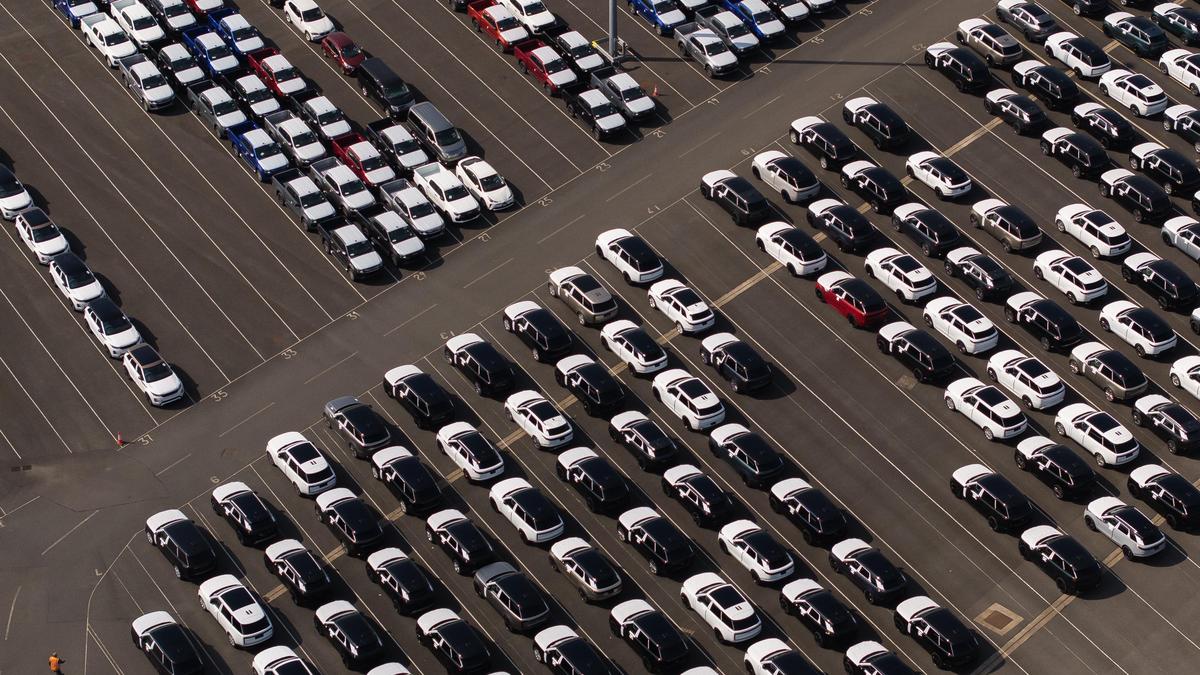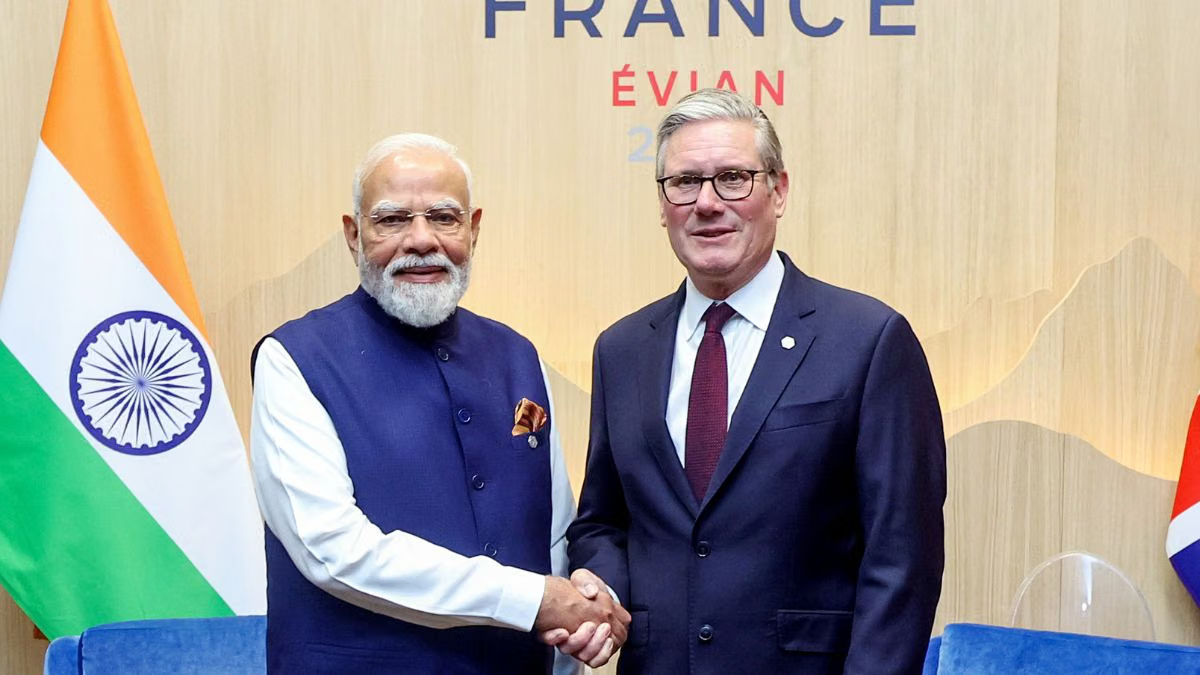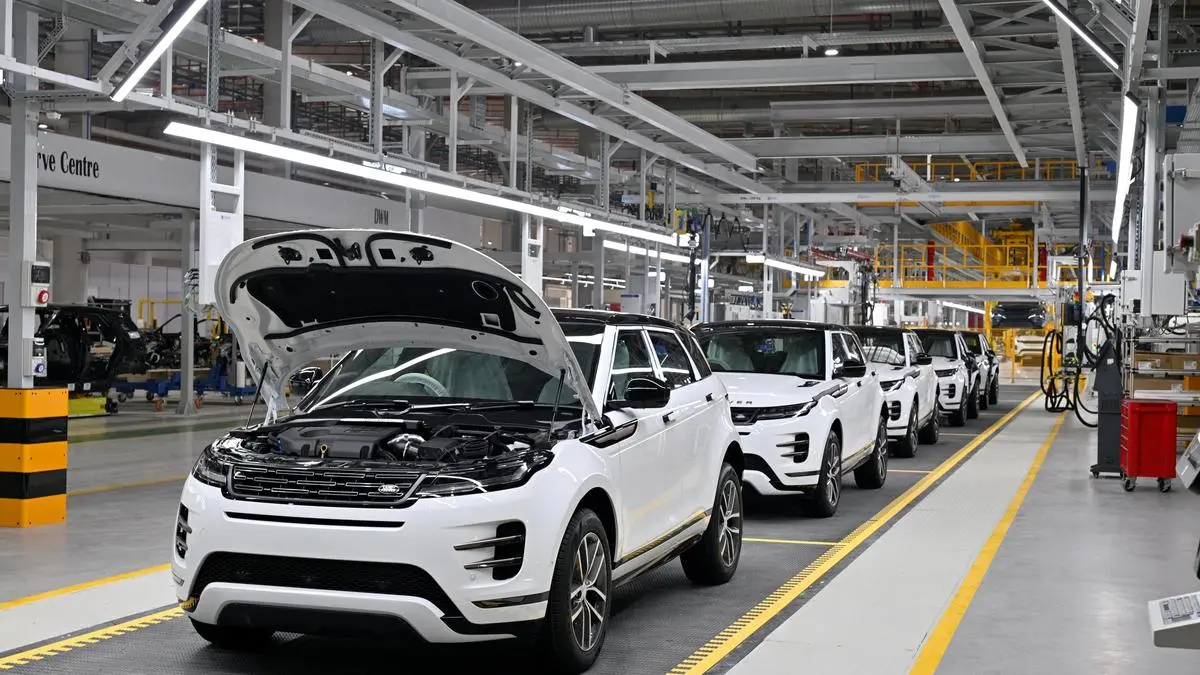
Under the pact, tariffs on automotive imports will fall from about 110 per cent to 10 per cent, with quotas on both sides.
| Photo Credit:
The Indian automobile industry on Thursday said the implementation of India–UK Free Trade Agreement (FTA) from next month (July 15) is a landmark development that marks a significant step forward in strengthening India’s global economic engagement with developed economies.“Automobiles are an important pillar of this agreement and could open new avenues for collaboration and opportunities. SIAM remains committed to ensure the benefits of the agreement translate into greater growth, global competitiveness, and technological progress for the Indian automotive industry,” Rajesh Menon, Director General, Society of Indian Automobile Manufacturers (SIAM), told businessline.According to the India-UK comprehensive trade and economic partnership agreement (CETA) document, released on Wednesday, India will get access to the UK’s electric, hybrid/ hydrogen passenger cars segment with duty-free exports to that country from the sixth year in the price segment ranging from £20,000 to £ 80,000, with the total quota reaching a peak of 88,000 units from the 15th year and continuing in the subsequent years.This will benefit Indian manufacturers such as Tata Motors Passenger Vehicles, Mahindra & Mahindra (M&M), and Maruti Suzuki India (MSIL), among others. As per the agreement, India will allow the import of 3.78 lakh units of conventional-engine passenger cars, including those in the mass segment, from the UK at concessional customs duty during the first 15 years of the implementation of the trade pact between the two countries.Tariffs to fallUnder the pact, tariffs on automotive imports will fall from about 110 per cent to 10 per cent, with quotas on both sides.“We believe India has the competitiveness to welcome liberalisation and use it for export opportunities...We have already started exporting eVitara to Europe with about 36,000 units already exported within 9 months of the launch and UK being the top market. Therefore, we believe this FTA will be positive for ‘Make in India for the world,” Rahul Bharti, Senior Executive Officer, Corporate Affairs at MSIL said.For imports from the UK to India, the quota for conventional-engine passenger cars will peak in the 15th year across specified categories of vehicles at 37,000 units, with customs duties reduction reaching a final 10 per cent. The duties will not be reduced beyond this.In the first year, the quota for passenger cars of engine size more than 3,000cc (petrol) and over 2,500cc (diesel) is 10,000 units, with customs duty being reduced to 30 per cent from 110 per cent.For cars with engine size of 1,500cc (petrol), 2,500cc (diesel) and 3,000cc (petrol), the quota is 5,000 units, with duty being reduced to 50 per cent from 66 per cent.In the mass market segment of engine size of up to 1,500cc, the allowed quota of import in the first year of the pact is 5,000 units, with customs duty being reduced to 50 per cent from 66 per cent, as per CETA.A total of 20,000 units of passenger cars across the three categories will be allowed to be imported in the first year under the agreement.Further, in the fifth year, the import quota for passenger cars of engine size more than 3,000cc (petrol) and over 2,500cc (diesel) is 19,000 units, while for cars with engine size of 1,500cc (petrol), 2,500cc (diesel) and 3,000cc (petrol), the import quota is capped at 9,000 units, and a similar quota is fixed for cars with engine size of up to 1,500cc at 10 per cent concessional duty.From the 15th year, the total quota will remain constant at 15,000 units annually with duties fixed at 10 per cent across the three categories.Export opportunities“The phased, quota-based framework creates a calibrated pathway by opening new export opportunities for Indian-made EVs in the UK while supporting long-term competitiveness of the domestic industry,” a spokesperson at Tata Motors Passenger Vehicles said.Rajan Amba, Managing Director at JLR India, said this FTA will allow more clients to experience the highly desirable and aspirational SV portfolio, and further strengthen the JLR India growth story.“All UK-built completely built units (CBUs) in our portfolio qualify - Range Rover SV, Range Rover Sport SV, plus Bespoke and limited-edition models,” Amba said, adding that the company has recently announced pricing changes like Range Rover SV repriced from ₹4.25 crore to ₹3.50 crore and Range Rover Sport SV repriced from ₹ 2.75 crore to ₹2.35 crore.Published on June 18, 2026