Story audio is generated using AI
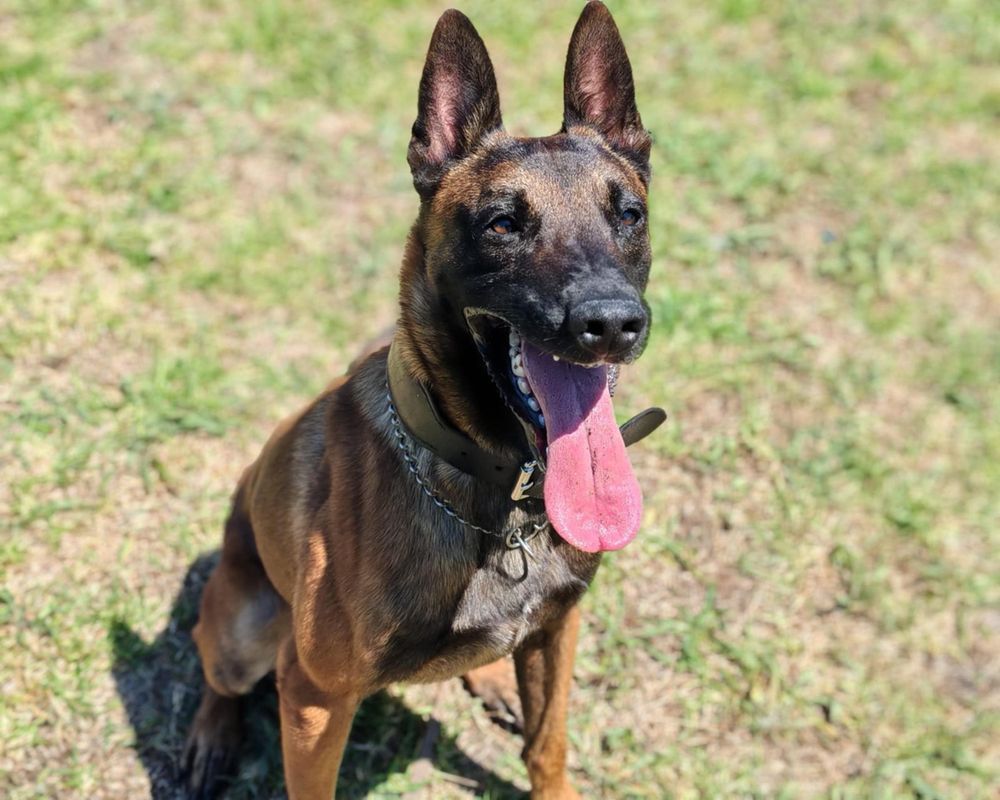
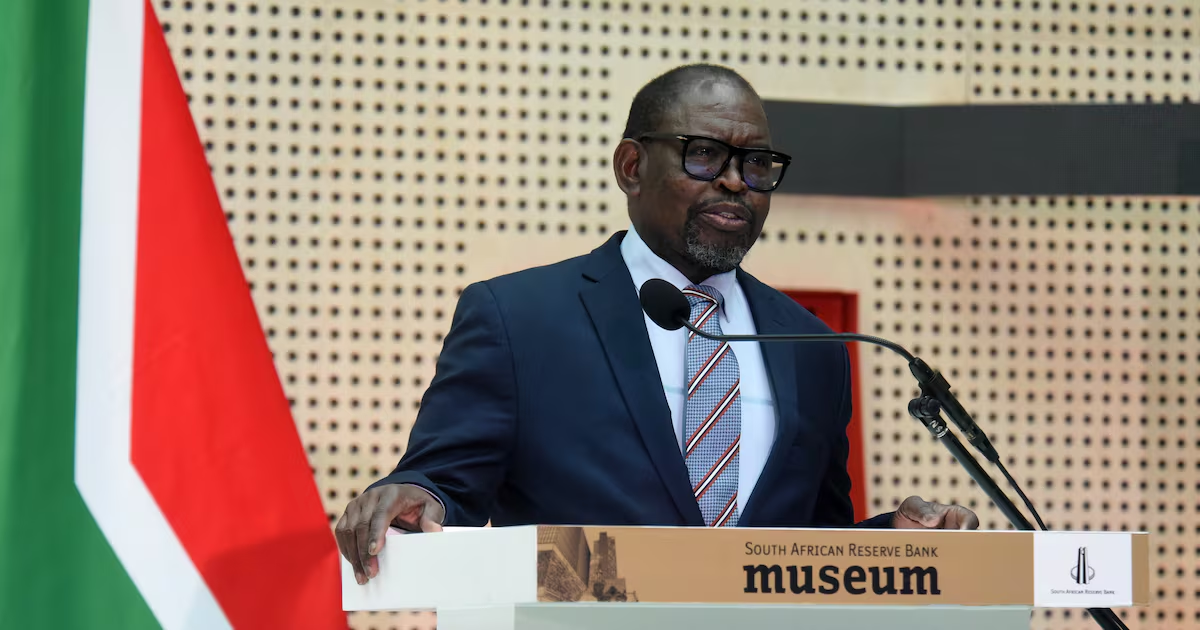
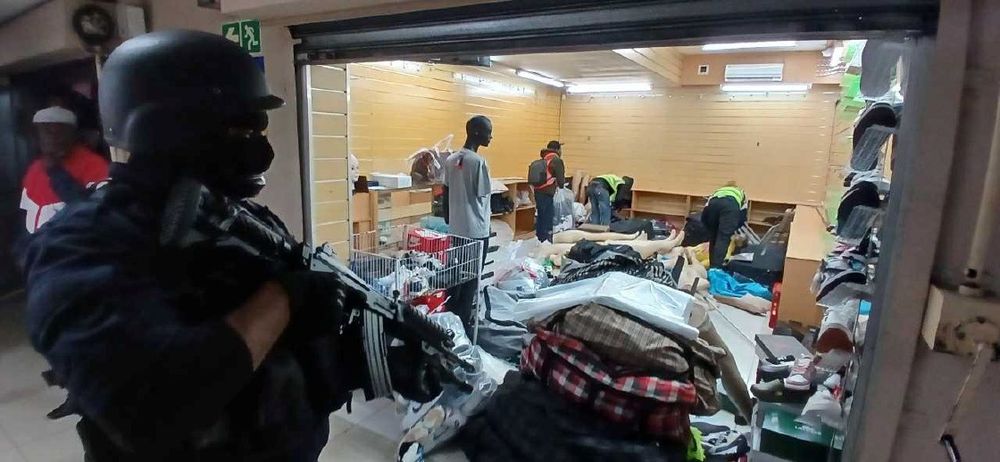
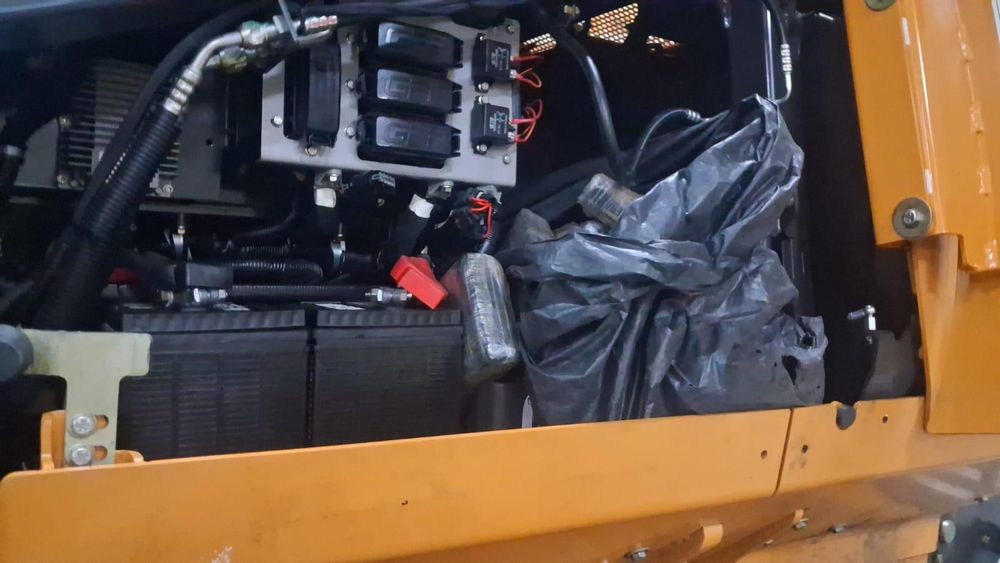
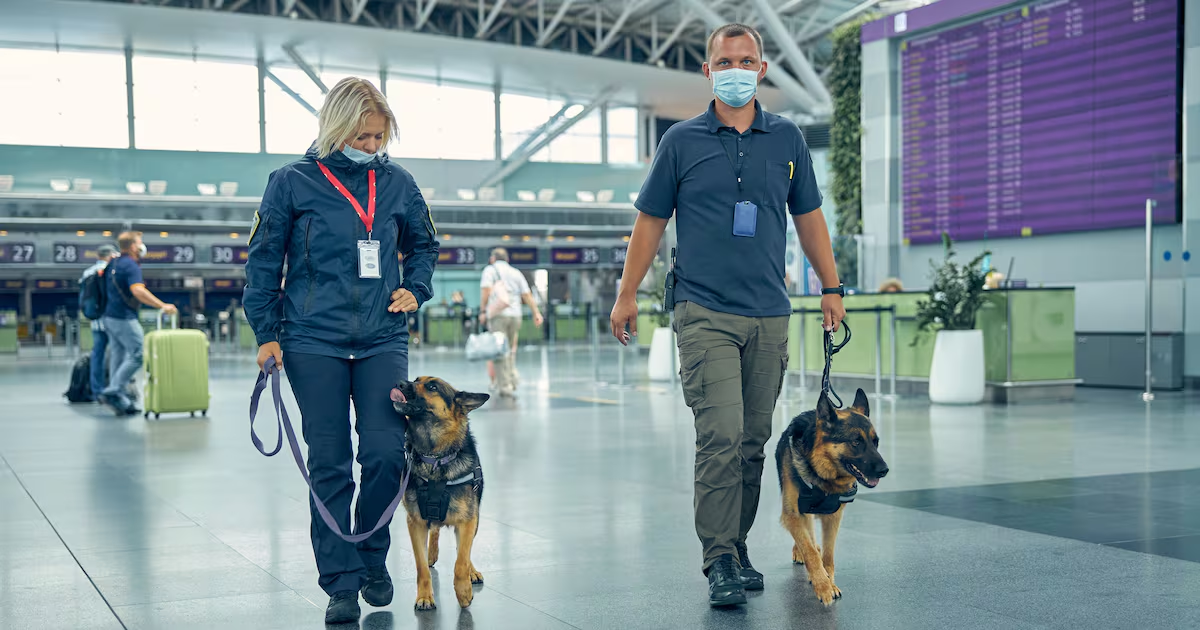
Sniffer dogs have proved invaluable in detecting contraband goods, but the SA Revenue Service (Sars) has a shortfall of 14 detector dogs, which finance minister Enoch Godongwana said represents an indicative revenue protection gap of about R415m a year.Contraband seized as a result of the work of detector dogs includes narcotics, tobacco products, alcohol, pharmaceuticals, wildlife products, currency and other illicit goods. Godongwana said in a written reply to a parliamentary question by DA MP Wendy Alexander that the estimated revenue protection gap is subject “to operational deployment, the prevailing risk environment and detection success rates”. Alexander has asked the minister several questions about the Detector Dog Unit (DDU), including its measurable contribution to customs revenue protection and plans to expand its capacity to close the gap between current deployment and assessed requirements. In his reply Godongwana noted that Sars has 66 dog handlers, of whom nine are not assigned detector dogs. The approved capacity requirement indicates a need to procure 14 additional detector dogs to provide sufficient operational coverage. On the question of the DDU’s contribution to revenue protection, the minister said that “based on an average annual revenue protection value of approximately R1.7bn over the past three financial years and an operational deployment capacity of approximately 57 detector dogs (66 less nine unassigned handlers), the estimated contribution per deployed detector dog could be in the order of R29.7m per annum”. The DDU’s contribution to customs enforcement revenue was 5.8% in 2023/24, 7.7% in 2024/25 and 5.2% in 2025/26. During these years the total value of goods seized was R3.6bn, R5bn and R3bn, respectively, while revenue protected was R1.4bn, R2bn and R1.6bn. Criminal prosecutions arising from DDU detections included two cases in 2023/24 valued at R1.7m, seven cases in 2024/25 valued at R12.4m and seven cases in 2025/26 valued at R4.9m. Godongwana noted that a business case for the appointment of a new panel of service providers of detector dogs has been prepared, and the tender process is expected to commence by July. It is anticipated that the new panel of service providers will be implemented by April 2027. He said the procurement of detector dogs remains challenging because of the reluctance of many breeders to register on the government’s central supplier database (CSD), precluding their consideration. Also, some breeders did not meet the compliance requirements for registration on the CSD. “A further challenge is the limited availability of dogs that meet the behavioural standards required for customs detector dog training. In this regard, more than 60% of dogs assessed do not meet the testing requirements,” the minister added. Competition from a small group of suppliers on the CSD database massively inflates prices and reduces availability.