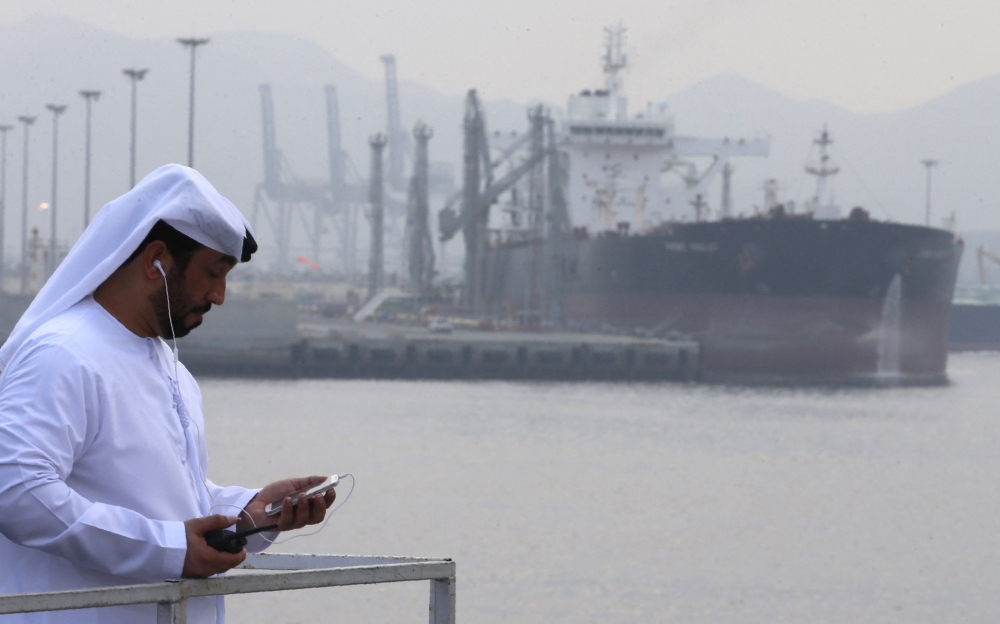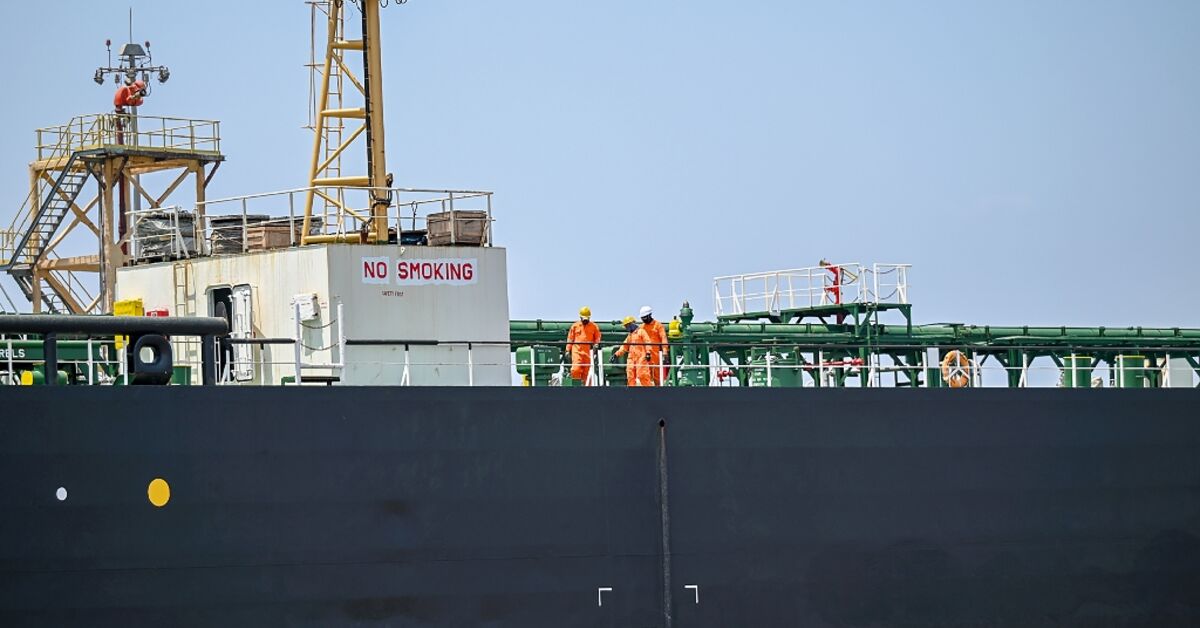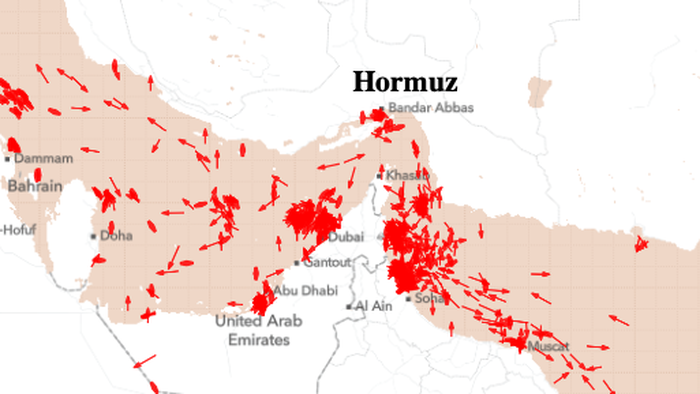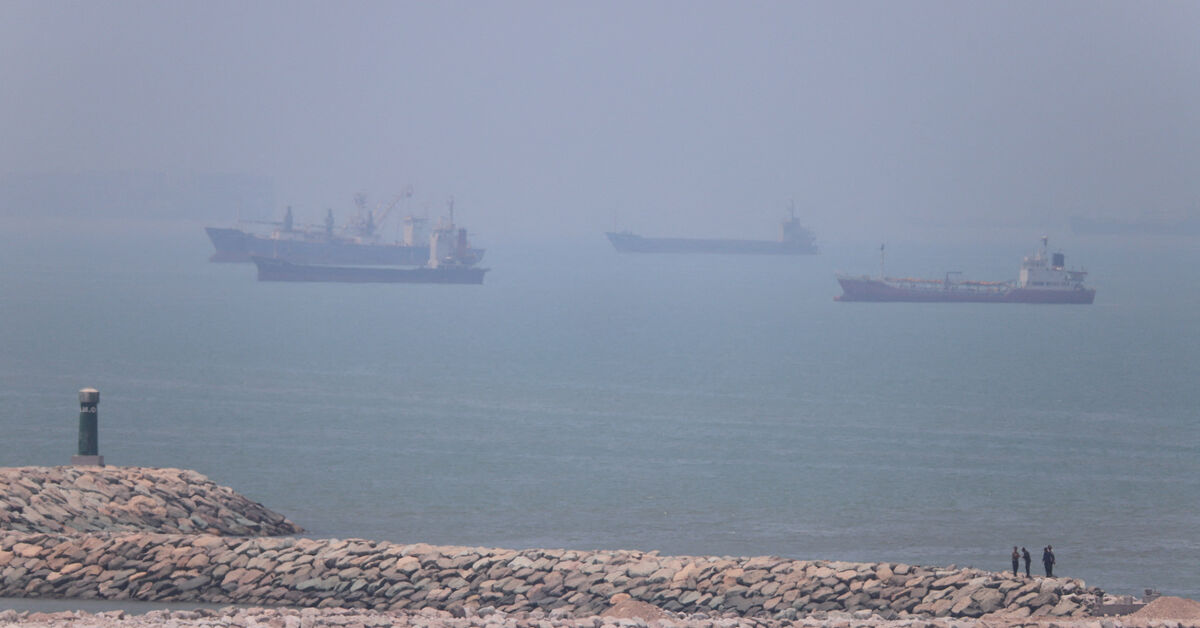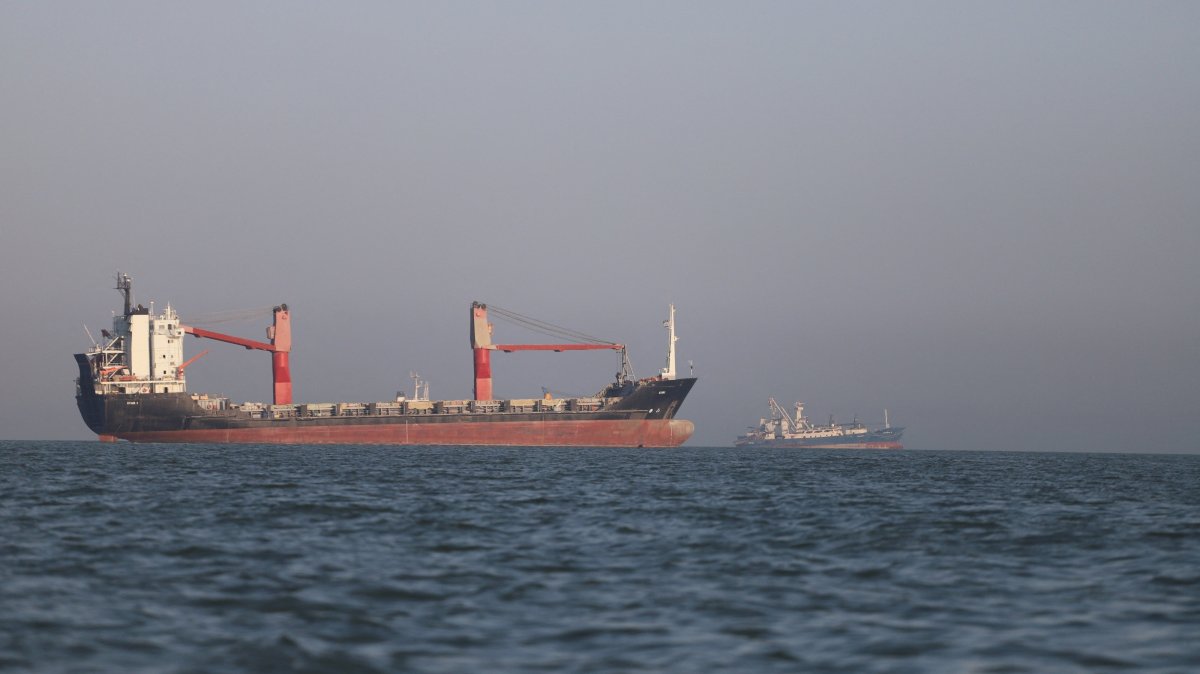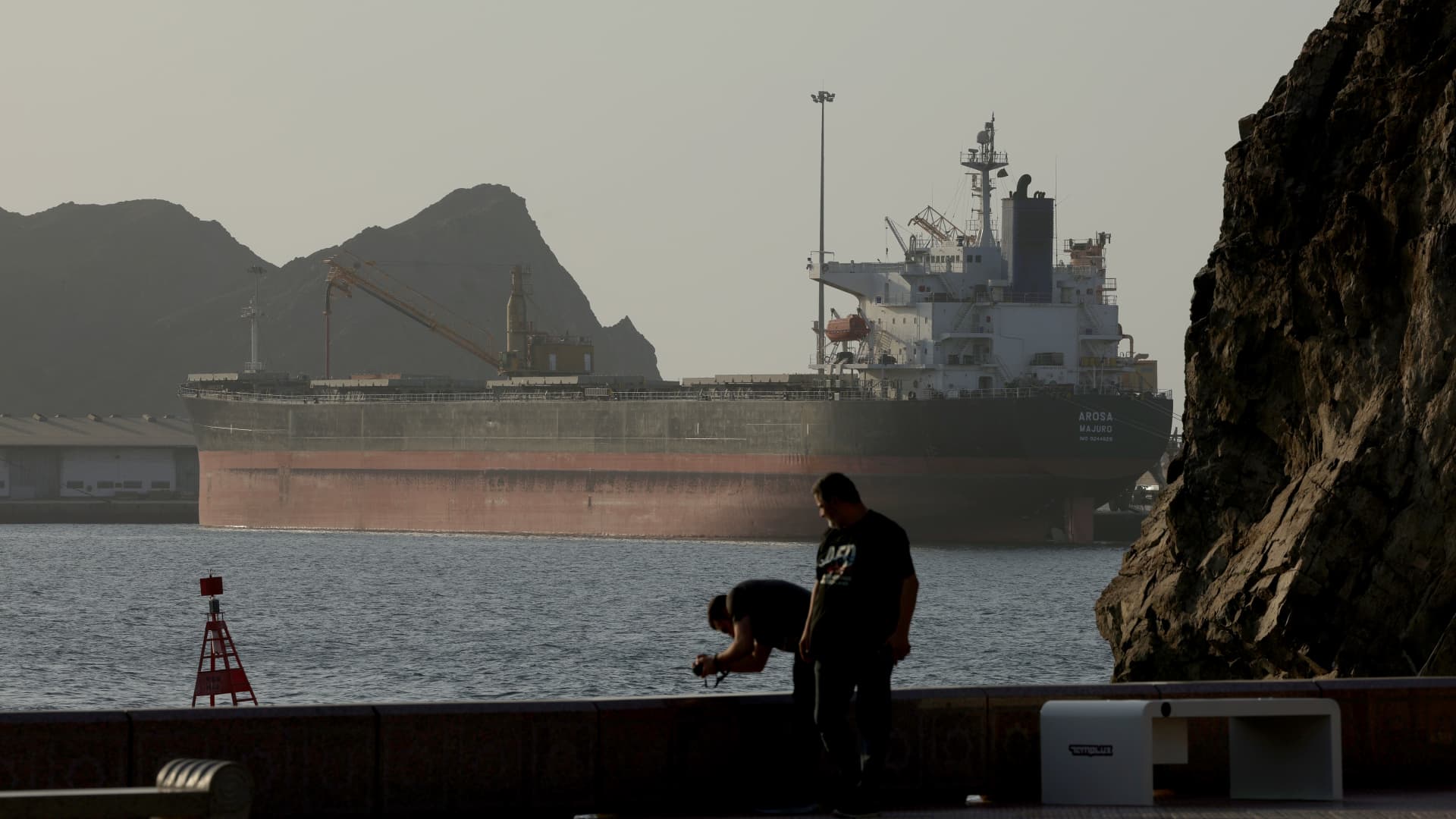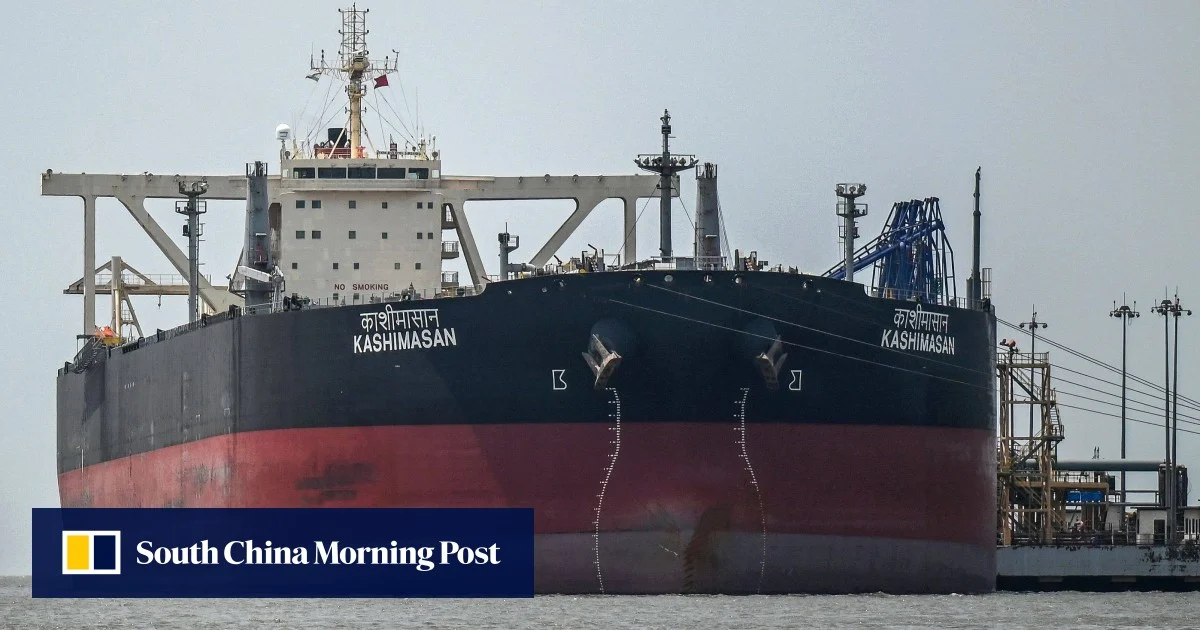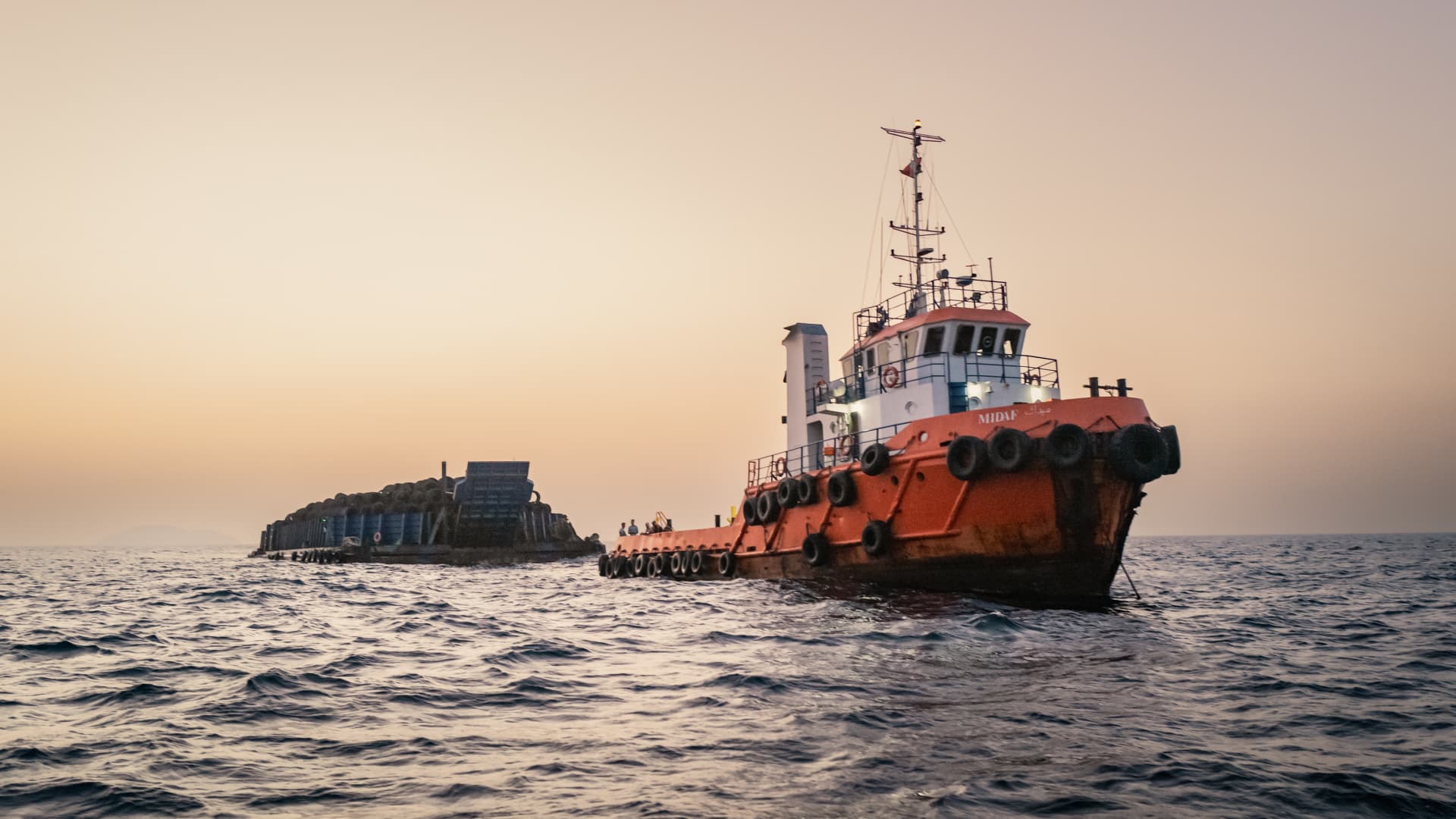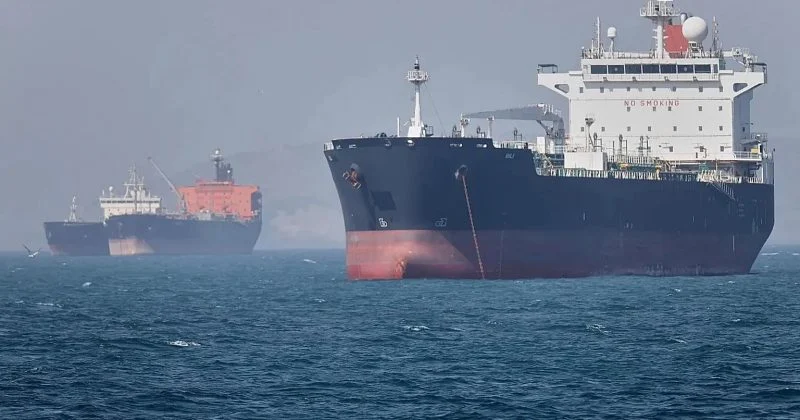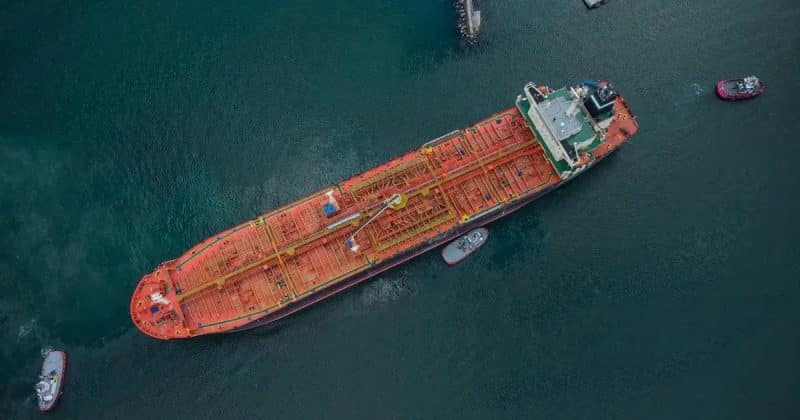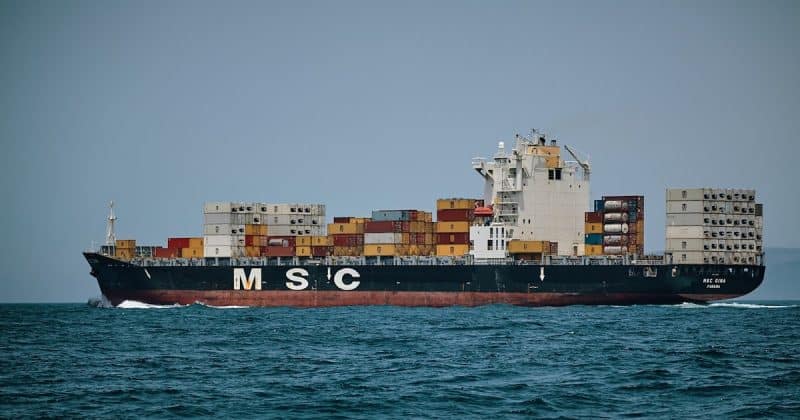
Three supertankers controlled by Saudi Arabia’s National Shipping Company, Bahri, flipped their tracking signals back on and began moving toward the Strait of Hormuz on June 18, 2026. The vessels, named Shaden, Jaham, and Awtad, had been sidelined during a prolonged period of US naval blockade and regional escalation that choked one of the world’s most critical oil chokepoints.
Their reactivation came just three days after the US and Iran signed a peace deal on June 15, effectively reopening the strait to commercial tanker traffic. For crypto markets, the timing mattered: Bitcoin climbed to a two-week high as risk sentiment improved across global markets.
Why a shipping lane matters to crypto traders
The Strait of Hormuz is the narrow waterway connecting the Persian Gulf to the Gulf of Oman. Roughly one-fifth of global oil supply passes through it on any given day. When it’s blocked or contested, energy prices spike. When energy prices spike, inflation expectations shift. And when inflation expectations shift, every risk asset from equities to Bitcoin reprices.
During the period of heightened tension earlier in 2026, Iran had reportedly imposed cryptocurrency-based tolls on vessels transiting the Hormuz strait. That experiment in crypto-powered logistics demonstrated that digital payment rails are increasingly relevant in global energy supply chains.