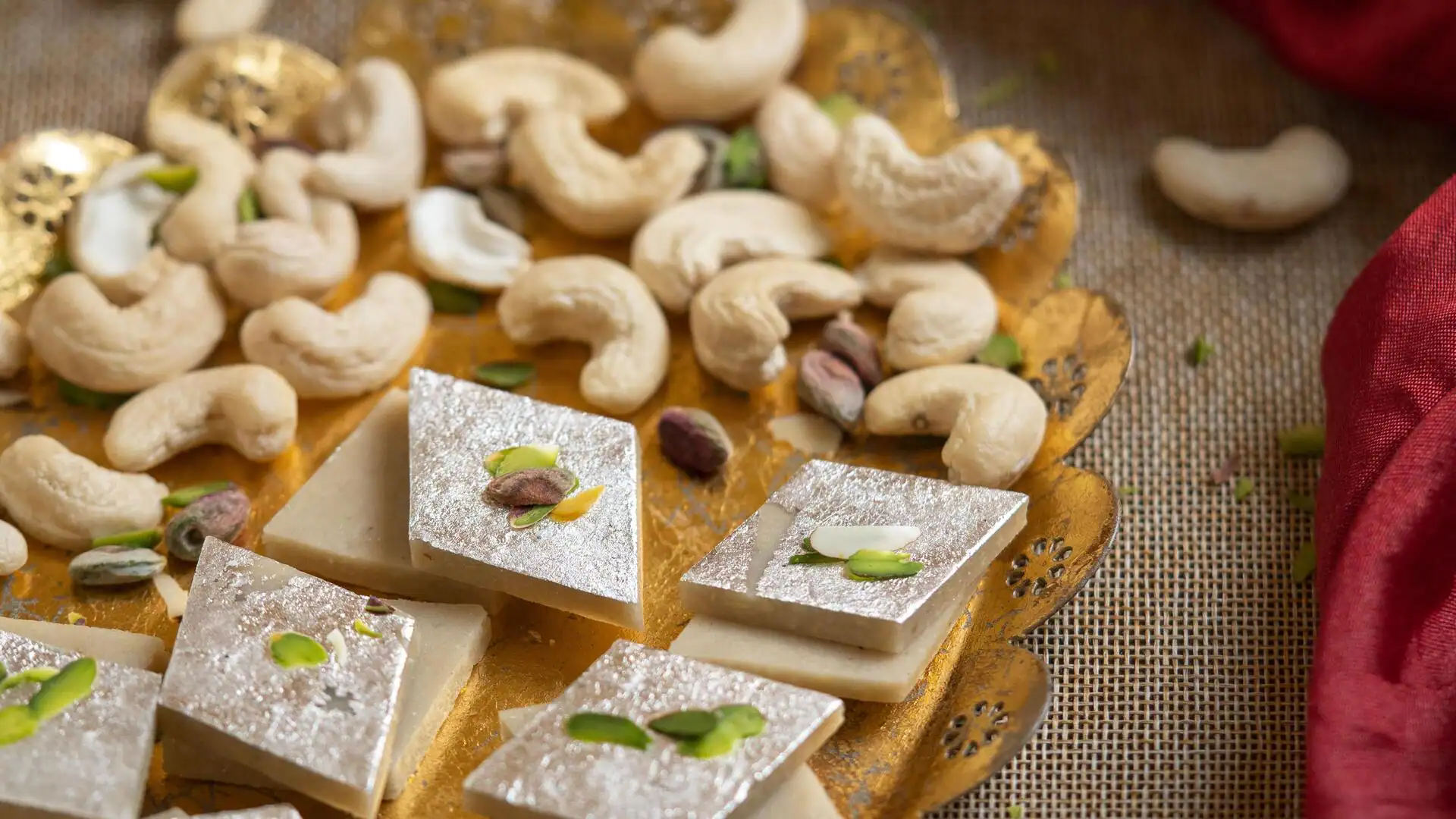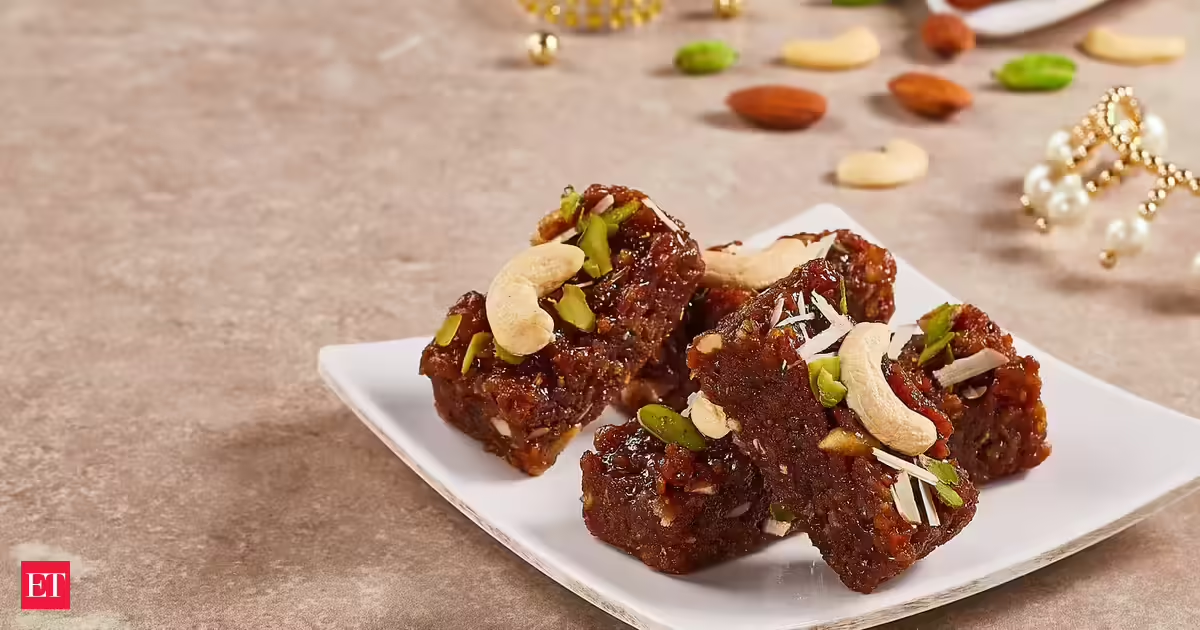
Walk into any Indian sweet shop and you'll find rows of colourful mithais competing for attention. There are laddoos, jalebis, rasgullas and countless regional favourites. Yet among them sits a sweet that has quietly built a loyal fan base of its own, dodha barfi.Rich, chewy and packed with flavour, dodha barfi has become a favourite across generations. What many people don't know, however, is that this famous sweet was reportedly created by a Punjabi wrestler more than a century ago.Today, dodha barfi is enjoyed not only across India but also by people living overseas, proving that some traditional recipes never go out of style.The origin story of dodha barfiThe story of dodha barfi takes us back to the early 1900s.According to accounts passed down through generations, a wrestler named Harbans Vig from Punjab grew tired of consuming the same diet every day. Like many wrestlers of that era, he relied heavily on milk, ghee and other nutrient-rich foods to maintain strength and fitness.Wanting something different, he began experimenting in the kitchen around 1912.He combined milk, cream, sugar, ghee and nuts to create a sweet unlike anything he had tasted before. The result was dodha barfi, a chewy mithai that quickly became popular among family, friends and eventually the wider community.What started as a personal experiment soon turned into a culinary legacy.What makes dodha barfi different?Unlike many other varieties of barfi, dodha barfi has a distinct texture and flavour. Traditional recipes often use ingredients such as buffalo milk, sugar, wheat flour, ghee and nuts. The mixture is cooked slowly over several hours until it reaches the right consistency.The process requires patience and constant stirring. Once ready, the mixture is poured into trays, allowed to cool and then cut into squares.The final product is rich, chewy and packed with layers of flavour that make it stand out from other milk-based sweets.Why dodha barfi became a favourite in PunjabPunjab has long been known for its love of hearty food and traditional sweets.Dodha barfi fitted perfectly into that culture. Its ingredients were easily available, and its rich taste made it popular during festivals, family gatherings and special occasions.Over time, sweet makers across Punjab began preparing their own versions, helping spread the popularity of the mithai throughout the region.Today, dodha barfi remains one of the most recognisable sweets associated with Punjab. The Partition story behind the famous sweetThe history of dodha barfi is also closely connected to the Partition of India in 1947. Before Partition, the Vig family lived in Sargodha, which is now part of Pakistan.Like millions of others affected by the division of the subcontinent, the family was forced to relocate.They eventually settled in Kotkapura in Punjab and continued making dodha barfi using the recipe that had been passed down through generations.The family later established Royal Dodha House, which continues to be associated with the famous sweet. Even after migration and major historical changes, the recipe survived and continued to attract customers.How dodha barfi reached international audiencesOver the years, the popularity of dodha barfi expanded beyond India. Punjabi communities living abroad introduced the sweet to new audiences in countries such as the United States, Canada and the United Kingdom.As Indian sweets gained international recognition, dodha barfi found admirers among people from different backgrounds.One of the most talked-about moments in its journey came when the sweet reportedly reached the White House during celebrations marking its 100th anniversary.The achievement highlighted how a recipe created by a wrestler in Punjab had travelled far beyond its place of origin.The health benefits of dodha barfiLike many traditional Indian sweets, dodha barfi is made from ingredients that offer nutritional value. Milk provides calcium and protein, while nuts contribute healthy fats, fibre and essential nutrients.Of course, it remains a sweet and should be enjoyed in moderation, but its ingredients have long been valued in traditional diets.This combination of taste and nutrition has helped maintain its popularity across generations.The fascinating history of barfi in IndiaThe story of dodha barfi is only one chapter in the larger history of barfi. The word "barfi" is believed to come from the Persian word "barf", meaning snow, a reference to the sweet's traditional white appearance.Barfi itself has been part of Indian food culture for centuries. Many historians believe that sugar-based sweets have existed on the Indian subcontinent since ancient times. Over the years, different regions developed their own versions using local ingredients.Today, barfi comes in countless varieties, including kaju barfi, coconut barfi, besan barfi, pista barfi, anjeer barfi and chocolate barfi. Each region has added its own touch while keeping the basic concept intact.Tirangi barfi and India's freedom movementAnother famous chapter in the history of barfi comes from Banaras. According to local accounts, sweet makers created Tirangi Barfi during the freedom movement as a tribute to India's struggle for independence.The sweet featured three layers inspired by the colours associated with the national flag.Over time, it became especially popular during Independence Day and Republic Day celebrations.Its story shows how Indian sweets often reflect important moments in history and culture.Why barfi remains one of India's favourite sweetsDespite changing food trends, barfi continues to hold a special place in Indian households. It appears during festivals, weddings, religious ceremonies and family celebrations. Many temples also offer barfi as prasad because it is prepared using ingredients considered pure in traditional practices, such as milk, sugar and ghee.The sweet's versatility has helped it remain relevant. New flavours continue to emerge while traditional recipes remain popular.Few desserts have managed to adapt so successfully while preserving their heritage.A sweet legacy that continues todayMore than 100 years after Harbans Vig reportedly created dodha barfi, the sweet continues to delight people across generations.Its journey from a wrestler's kitchen to sweet shops around the world is a reminder that some of the best recipes are born from simple ideas.Whether enjoyed during a festival, shared with guests or bought from a neighbourhood sweet shop, dodha barfi remains one of India's most loved mithais.And judging by its enduring popularity, this century-old Punjabi creation is likely to remain a favourite for many years to come.
In 1912, a wrestler got bored of eating ghee & milk every day. Then one day, a simple kitchen experiment led to the creation of one of world's most loved mithais
Discover the fascinating history of dodha barfi, a beloved Indian sweet believed to have been created by a Punjabi wrestler more than a century ago. Made from simple ingredients such as milk, ghee, sugar and nuts, this chewy mithai has grown far beyond its regional roots to become a favourite among sweet lovers across India and around the world. Its enduring popularity reflects the rich culinary traditions that continue to connect generations through food.
1,006 words~5 min read