Comments
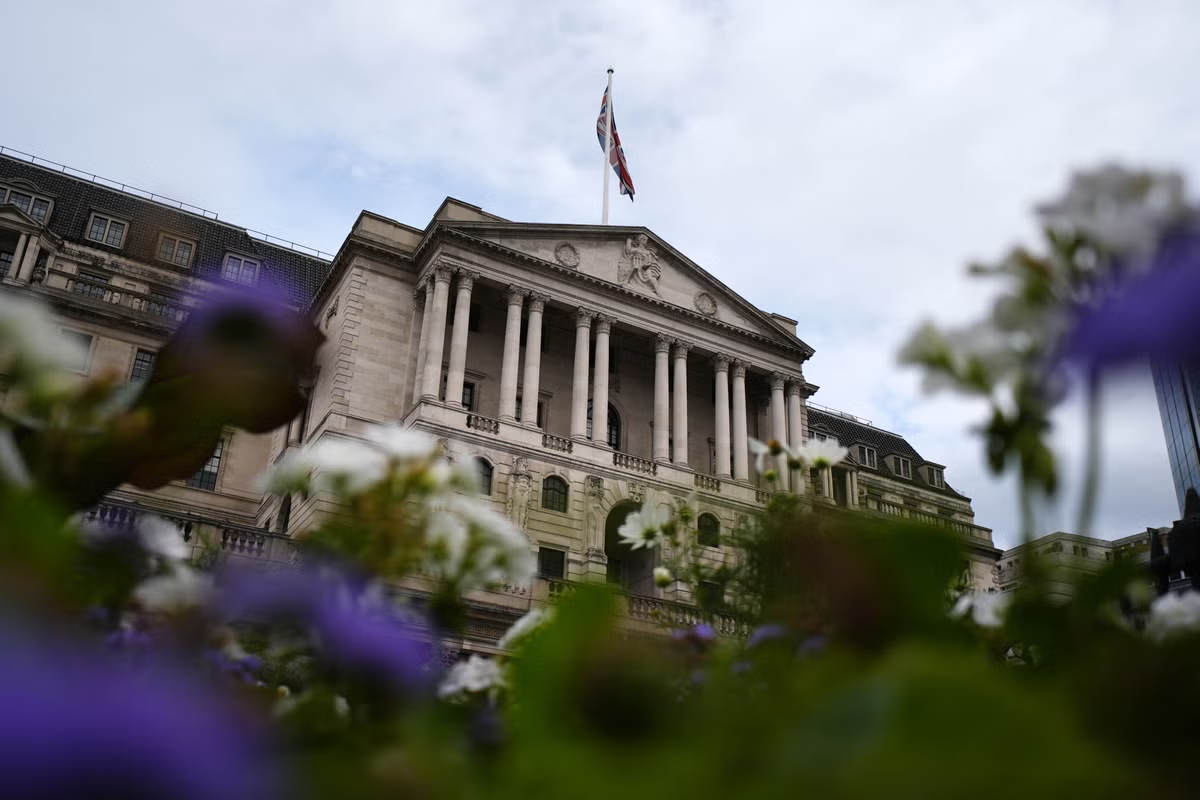
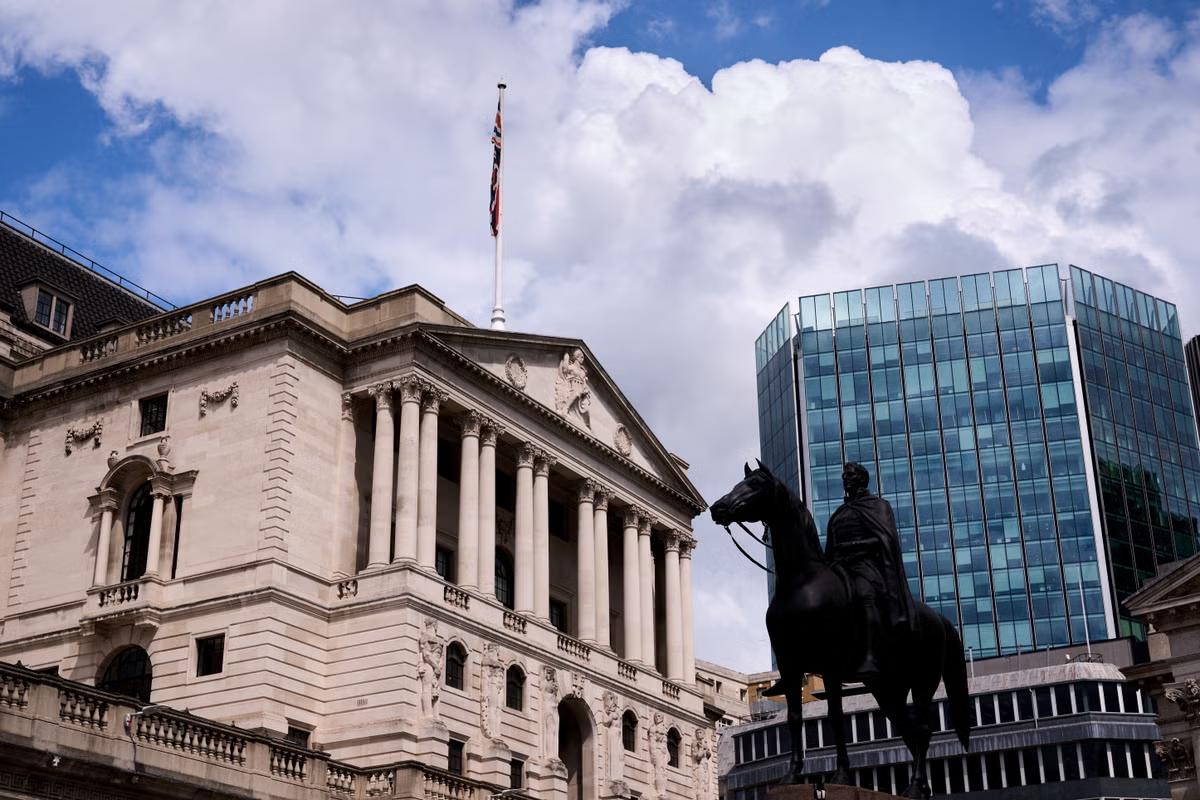
Unsurprisingly, the Bank of England has voted to keep interest rates at 3.75 per cent. The Bank’s Monetary Policy Committee (MPC), which decides these things, split 7-2 in favour of the decision.
A hold in rates is welcome but had largely been priced in already, given yesterday’s cooler-than-expected inflation figures, which saw the consumer price index increase by an unchanged 2.8 per cent. Then, if it was not already a certainty, this morning’s figures on the jobs market confirmed things, with a fall in the unemployment rate – albeit caused by a jump in economic inactivity rather than job creation.
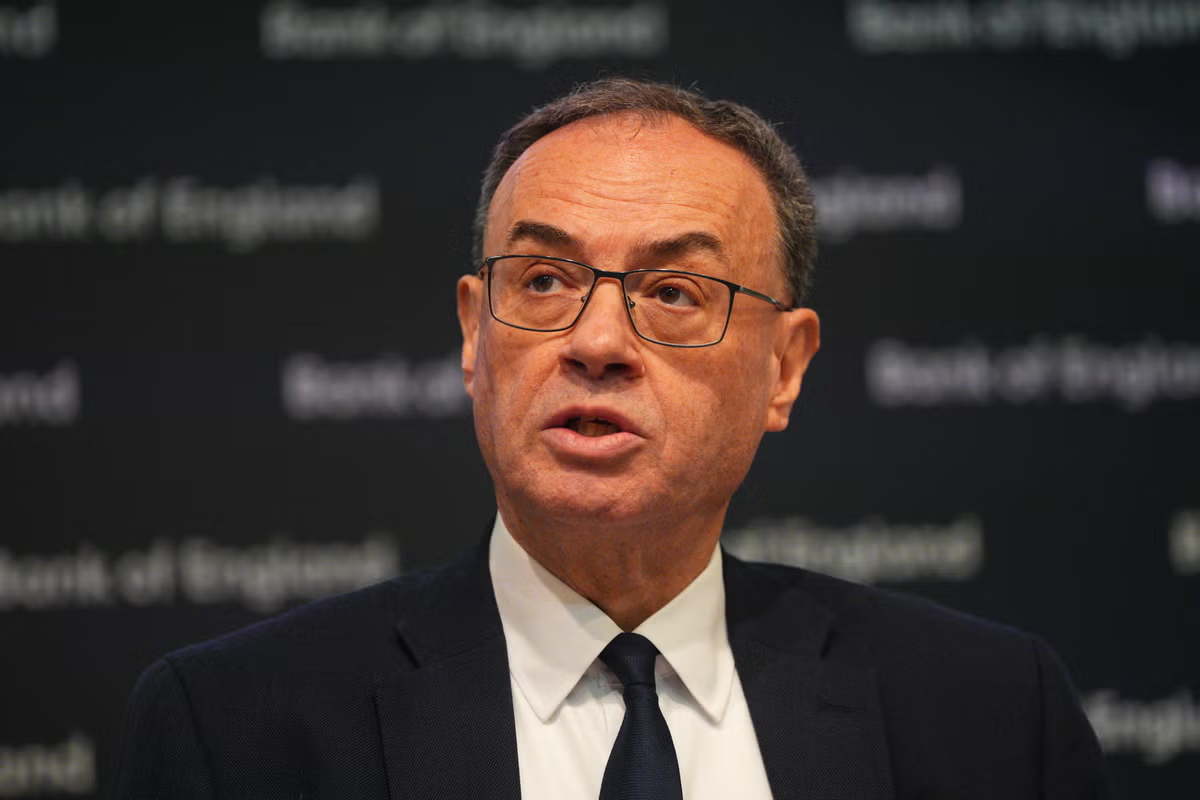
The conversation now moves to when the MPC will feel able to cut rates. Talk of future hikes to control inflation is starting to become redundant. But that is not to say the risks of a price surge have gone away. It is noteworthy that Huw Pill, the Bank’s chief economist, was one of the two dissenting voices who felt a hike to 4 per cent was needed.
Pill, and Megan Greene, the other dissenter, were not convinced that, even before the Iran crisis, there was enough disinflation in the economy to warrant taking the Bank’s foot off the monetary pedal. They shared a concern that a greater focus on inflation data from households and businesses alike meant the risk of second-round effects – where workers demand pay rises and firms hike prices in anticipation of stronger inflation – had increased.