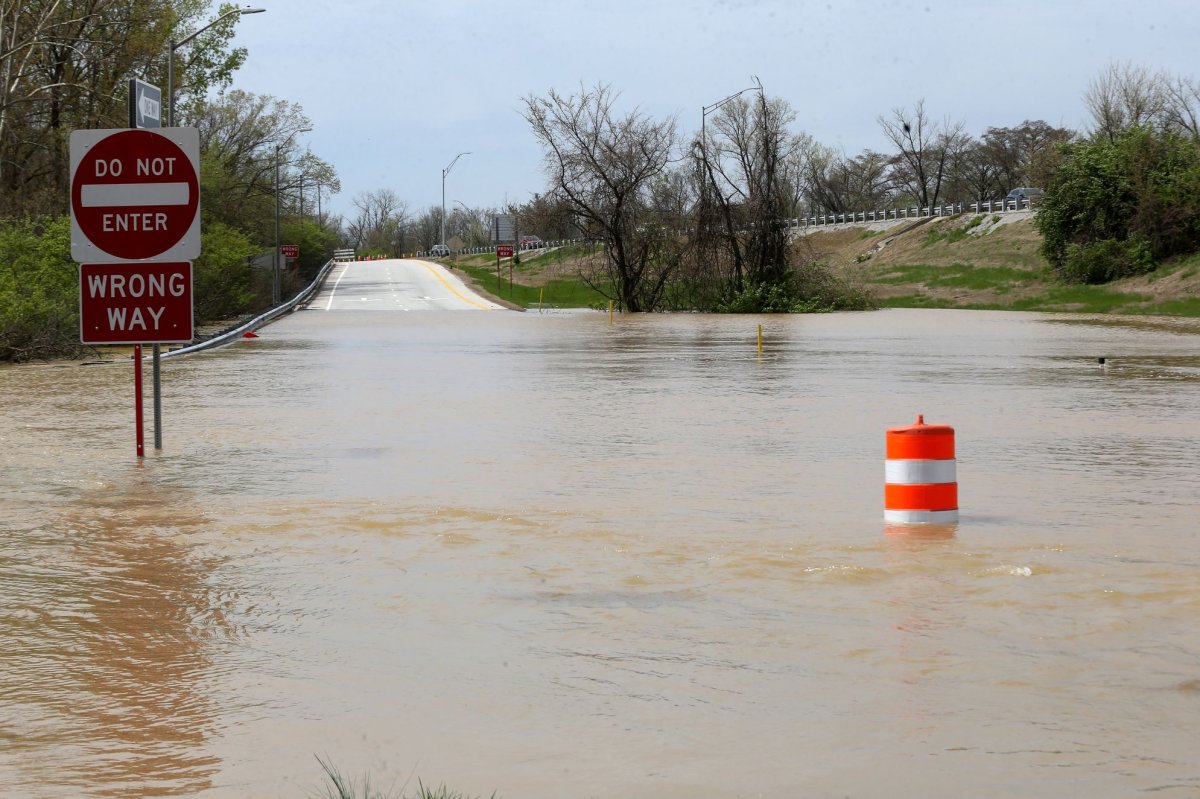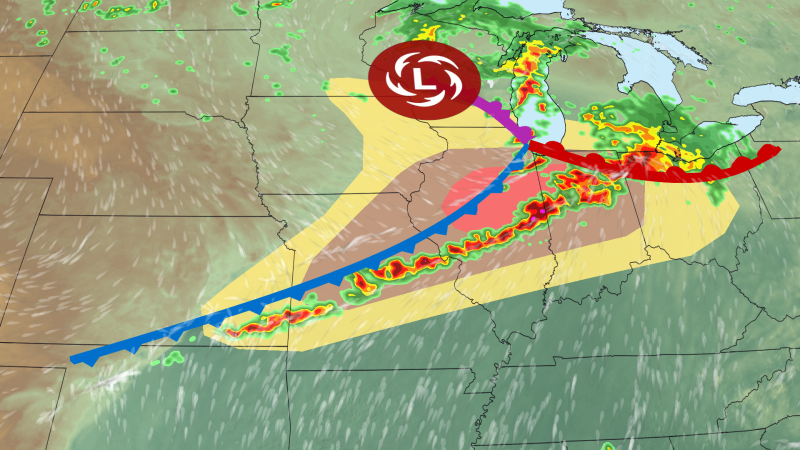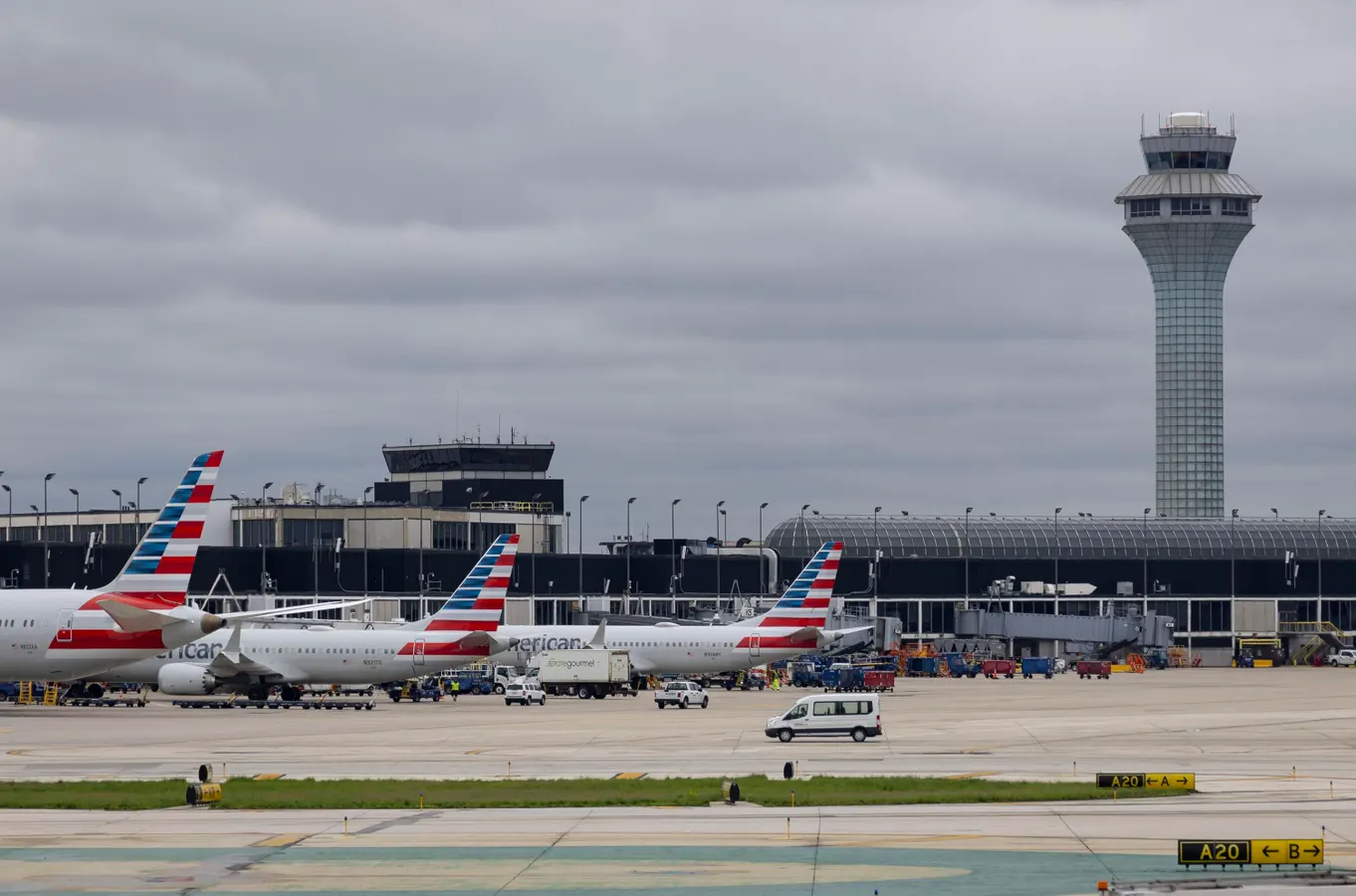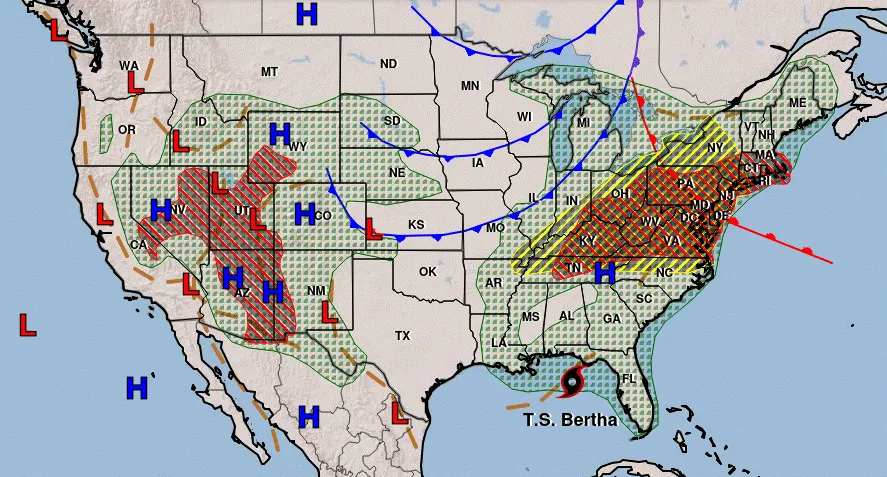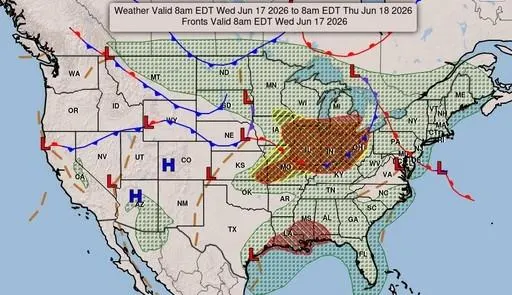
ToplineDue to severe weather in the Midwest and Southeast, major airlines are allowing passengers scheduled to fly Wednesday to change their plans without incurring change or cancellation fees.Rain and thunderstorms will blanket much of the country Wednesday, with severe weather in the Great Lakes and South.National Weather ServiceKey FactsTwo separate storm systems may impact travel on Wednesday: A potential tropical cyclone is moving across the Texas Gulf Coast while the Mid-Mississippi and Ohio Valleys expect severe thunderstorms with “a risk of large hail, damaging winds, and potentially intense tornadoes,” according to a National Weather Service (NWS) forecast.Delta Air Lines has a travel advisory covering 24 airports in the South and Southwest allowing travelers ticketed to fly Wednesday or Thursday to change travel plans without a fee. American Airlines has a travel alert covering 13 Midwest airports, including Chicago O’Hare, Detroit and St. Louis, offering waivers to passengers scheduled to fly Wednesday.United Airlines has two travel alerts: one for Houston’s George Bush Intercontinental airport and another covering 12 airports in the Midwest, including Chicago O’Hare, Milwaukee and St. Louis, waiving change fees for passengers with tickets to fly Wednesday.Southwest Airlines’ travel advisory allows passengers flying Wednesday in or out of three airports—Chicago Midway, Indianapolis and St. Louis—to rebook for free.Key BackgroundThe NWS is tracking a potential tropical cyclone as it moves northeastward near the Texas Gulf Coast. The storm is expected to make landfall over southwestern Louisiana Wednesday evening with tropical-storm-force winds near the coast and the potential to bring up to 20 inches of rain in some areas. In the Great Lakes states, the NWS expects the worst storms will concentrate in central Illinois and northwestern Indiana, where winds could reach up to 80 mph in some areas, with up to 2.5-inch hail and heavy rains that bring the possibility of scattered flash flooding.TangentMost flight disruptions in the U.S. are weather-related. Airlines are not required to provide accommodations, meals or monetary compensation if disruptions are caused by weather as it is beyond their control. Many travel insurance policies provide coverage if a trip is significantly impacted by winter weather, particularly for disruptions related to a weather-related flight cancellation or an extended delay. Benefits will be noted in the policy as trip cancellation, trip interruption, travel delay, extension of coverage or missed connection coverage. But note that in most cases the traveler must have purchased the policy before the storm was announced and forecasted to impact the trip.What To Watch For If Flying WednesdayTravelers ticketed to fly Wednesday may encounter flight delays and cancellations, even if they are not traveling through areas impacted by the storms. Flights in late afternoon are statistically more likely to be disrupted, as flight delays and cancellations in the morning tend to create a domino effect, causing a backlog that grows as the day wears on.Big Number68%. That’s the portion of U.S. travelers that say they factor extreme weather risks into destination planning, with nearly half (47%) worried weather-related disruptions could impact their trips, according to an Ipsos Public Affairs survey on behalf of Allianz Partners.Further ReadingHere’s Your Summer 2026 Digital Survival Kit For Flight Delays And Cancellations (Forbes)
These Airlines Are Issuing Travel Waivers Today—Ahead Of Severe Weather In Midwest and Southeast
Storms across much of the country may disrupt flights on Wednesday.
523 words~2 min read