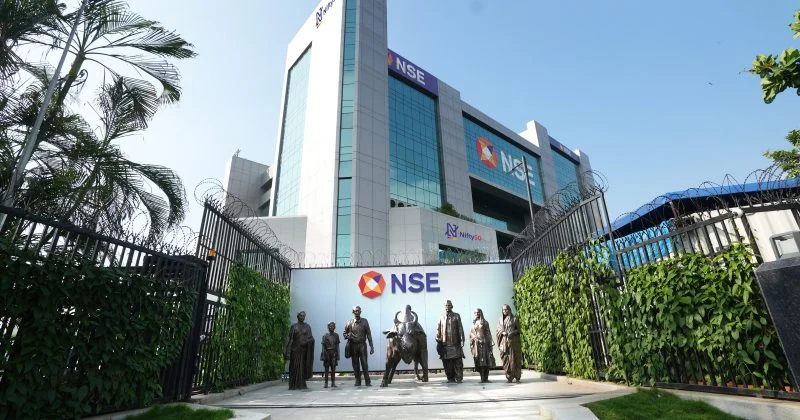
National Stock Exchange (NSE) has filed draft papers for a long-awaited listing, making it one of two mega IPOs likely to come to the country this year. Billionaire Mukesh Ambani’s Reliance Jio is the other.Here are the facts and numbers on NSE, India’s largest bourse.When and why was NSE founded?NSE was set up in 1992 after a number of stock market scams hit India. It was planned as a replacement for a fragmented network of regional exchanges. A group of Indian financial institutions including Life Insurance Corporation of India, IDBI and State Bank of India were the initial investors in NSE.How large is NSE today?NSE has more than 2,000 registered members and over 2,200 listed companies with a market capitalisation of about $5 trillion, according to exchange data as of June 17. In the cash equity markets, NSE has about 95 per cent market share and in equity derivatives its share is 75 per cent, according to NSE disclosures.NSE is also the world’s largest derivatives exchange by contracts traded, accounting for roughly 89 per cent of global stock index options volumes in 2025, data from World Federation of Exchanges showed, following a boom in options trading in India.How profitable is it?NSE reported a profit of ₹10,300 crore ($1.09 billion) in the fiscal year ending March 2026, down 15 per cent from a year earlier, according to NSE’s earnings presentation.The exchange’s revenue has more than doubled between April 2019 and April 2026 to about ₹18,700 crore, due to the explosive growth in options trading in India. The exchange’s revenues are heavily skewed towards transaction revenue, which accounts for over 80 per cent of total income. The bulk comes from derivatives transactions.The world’s largest exchanges typically derive only about 40 per cent of their income from transaction fees, with the rest coming from technology and data monetisation.Why has the exchange’s IPO been delayed?NSE first planned to go public in 2016 but did not receive clearance for its IPO because of pending regulatory investigations into whether the exchange failed to provide equitable access to all its trading members and other governance lapses.In 2019, the Securities and Exchange Board of India (SEBI) fined the bourse ₹1,100 crore ($116.43 million). Since then the exchange and SEBI have been fighting out the case in court.NSE has now proposed an out-of-court settlement by paying about $157 million, which is under the regulator’s review, NSE said in offer documents.Published on June 18, 2026
NSE set to list in one of country's largest IPOs
NSE first planned to go public in 2016 but did not receive clearance for its IPO because of pending regulatory investigations into whether the exchange failed to provide equitable access to all its trading members and other governance lapses
405 words~2 min read