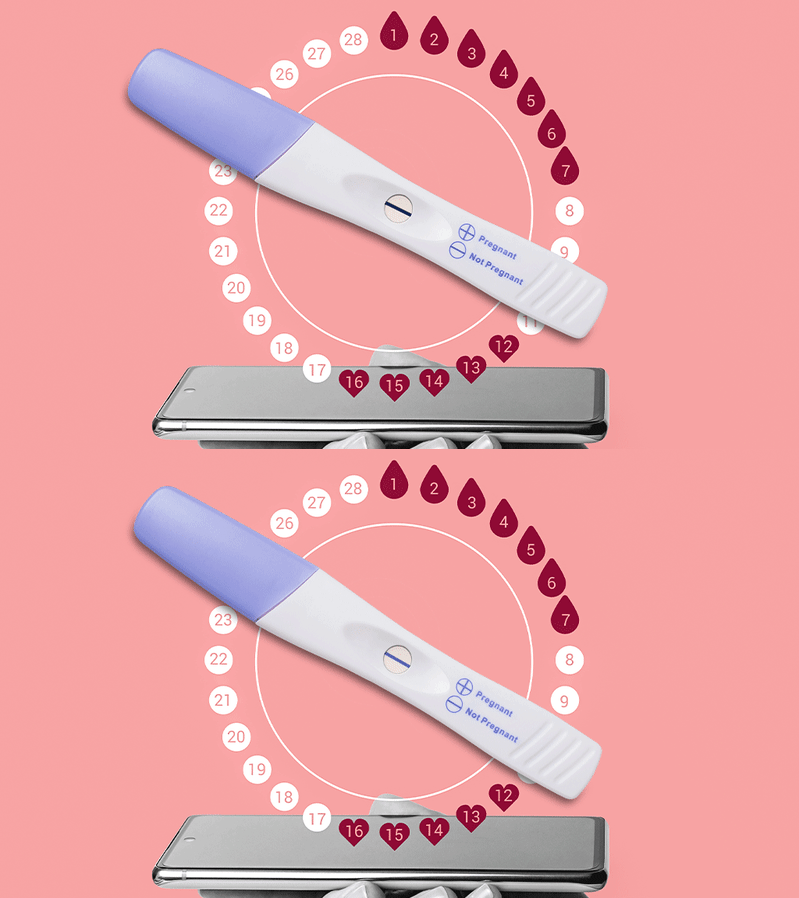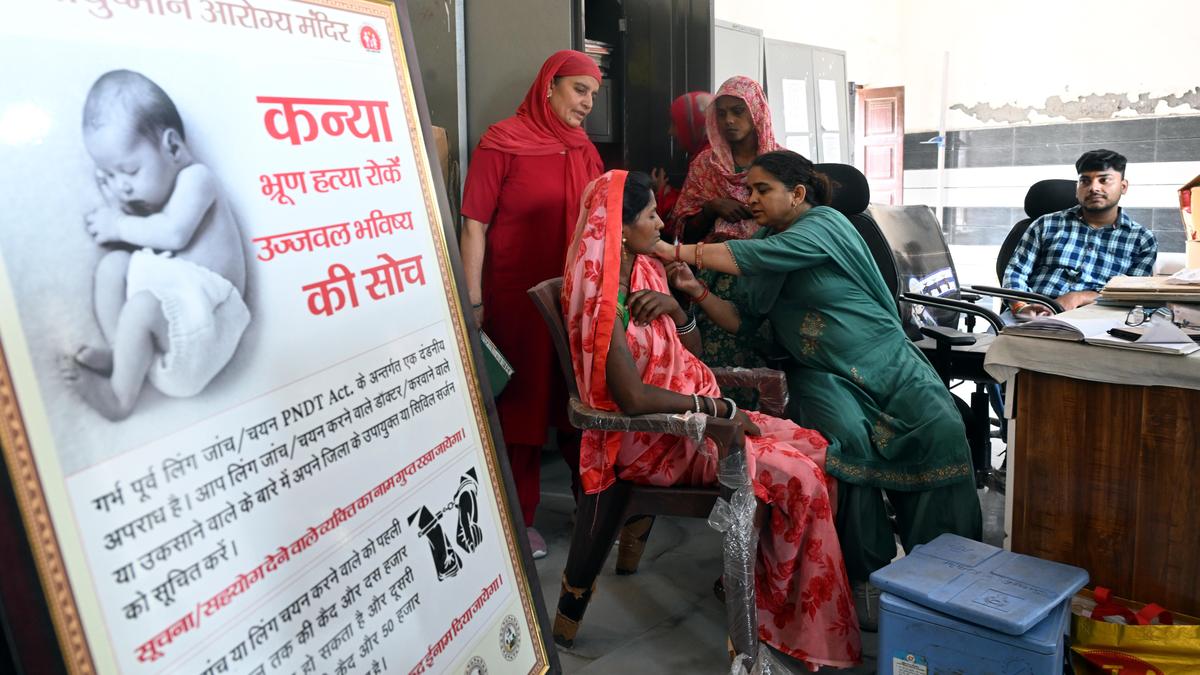
Google, friends or doctors? From sexual experiences and common myths to shared responsibility, young people and experts answer the questions that matter most. Where do young Indians learn about contraception—friends, social media, Google or doctors? HT Lifestyle spoke to doctors, professionals, and young Indians to explore the knowledge gaps, misconceptions, and most frequently asked questions around safe sex.Sex education should focus on understanding their own body, hormonal, physical, and behavioural changes happening. (Unsplash)Also read | Sex education programs that include sexual pleasure improve safe sex behaviour: StudyWhat kind of sex education or awareness is urgently needed today?Dr Surbhi Singh, a consultant gynaecologist, said, “If we talk about sex education, we cannot treat it as one single topic—it has to be stage-wise and age-appropriate, because every phase of life has different needs.” She highlighted that, in adolescence, sex education should focus on understanding their own body, hormonal, physical, and behavioural changes happening and how these are connected to their future life journey. It is about preparing them for their reproductive life cycle, because reproduction is a natural and important part of human existence. When we move to young adults (18+), there is a major gap.Dr Suman Sorout, director and HOD, department of OB-GYN, Atlas Hospital, Palwal, said, “Sex education regarding puberty, safe sex, teenage pregnancy, awareness about one's own body, good touch and bad touch is the need of the hour. Also, awareness about safe access to MTP (to prevent illegal abortion) is very essential.”Awareness about safe access to MTP (to prevent illegal abortion) is very essential. (Unsplash)What are the most common consequences of a lack of awareness?According to Dr Surbhi, the most common and immediate consequence is an unplanned pregnancy. Following that, we see abortions, sexually transmitted infections, incorrect and inconsistent use of contraception, significant anxiety, and panic-driven decisions.Are young people aware of emergency contraception and its correct use?Dr Surbhi highlighted that not only young people, even adults are not adequately aware of emergency contraception and its correct use. “What we commonly see is that most people rely on information from chemists,” said Dr Surbhi.How effective is sex education in India when it comes to practical knowledge like contraception?Dr Surbhi highlighted that, currently, sex education in India is inconsistent and largely ineffective in practical terms. The main issue is that the people providing information—family members, peers, or even teachers—often lack correct and complete knowledge and have significant hesitation in discussing the topic.Let’s hear from young India:Where did you first learn about contraception?Anwar Alam, male, 22 years old, said, “I heard about contraception from a rural child care centre,” while Rishabh, male, 28 years old, said, “I got to know about contraception through television advertisements.” Priyanshu Kumari, a 20-year-old female, said, “She got to know about contraception from the internet and friends.”How much did you know about contraception before your first sexual experience?Anwar mentioned that he just heard about the unwanted 72 pills that women consume, while Rishabh highlighted that he didn’t have any information about contraception during his first experience.Not only young people, even adults are not adequately aware of emergency contraception and its correct use (Pexel)Who usually takes responsibility for contraception — guy, girl, or both?Anwar said, “Mostly females take the responsibility of contraception." Priyanshu said, “Mostly females are burdened with the responsibility and are asked to take pills and injections to prevent pregnancy.”Common myths about contraception you've heardAnwar told HT Lifestyle, “Many people believe that contraception reduces pleasure, Copper-T can cause cancer, contraceptive injections disrupt menstruation, and sterilisation is only for women because men may become weak after the procedure.”Note to readers: This article is for informational purposes only and not a substitute for professional medical advice. Always seek the advice of your doctor with any questions about a medical condition.Anukriti Srivastava thrives at the intersection of words and voice, where journalism meets storytelling. A digital editor and journalist with over 5 years of experience, she has written across lifestyle, women issues, relationships, entertainment, fashion, and travel. She did her Masters in Broadcast Journalism and has published more than 500+ lifestyle content pieces across platforms.
Do people in the world's most populous country really understand contraception? Here's what doctors and youth revealed
Google, friends or doctors? From sexual experiences and common myths to shared responsibility, young people and experts answer the questions that matter most. | Health
873 words~4 min read