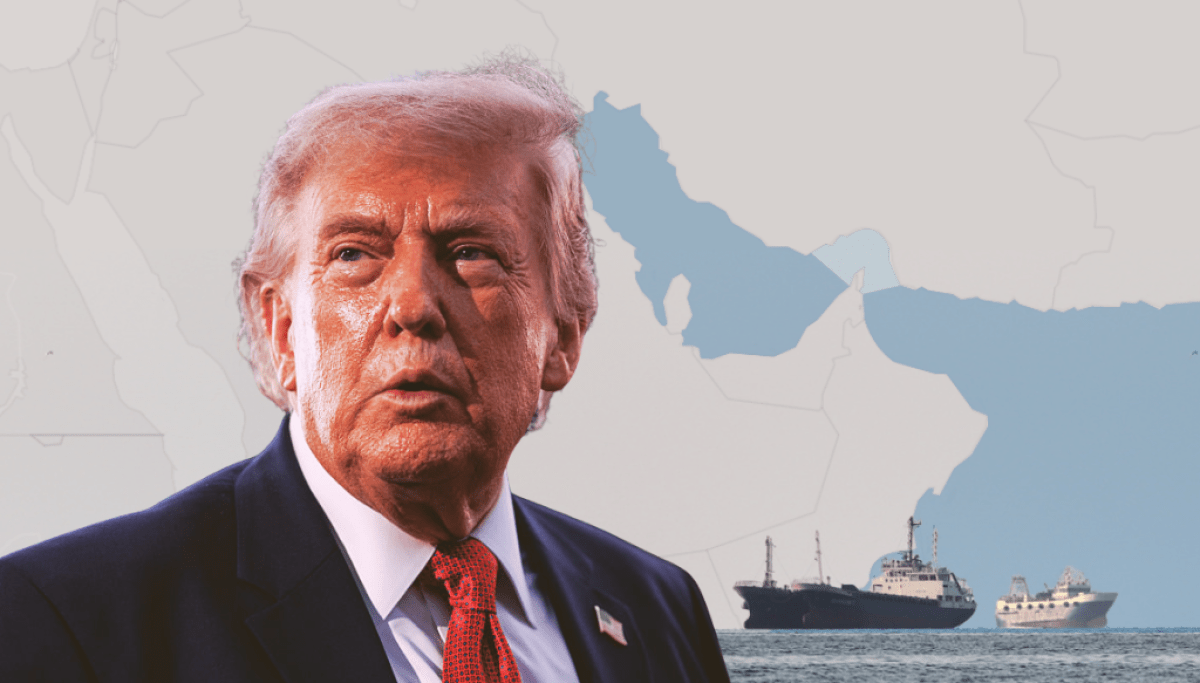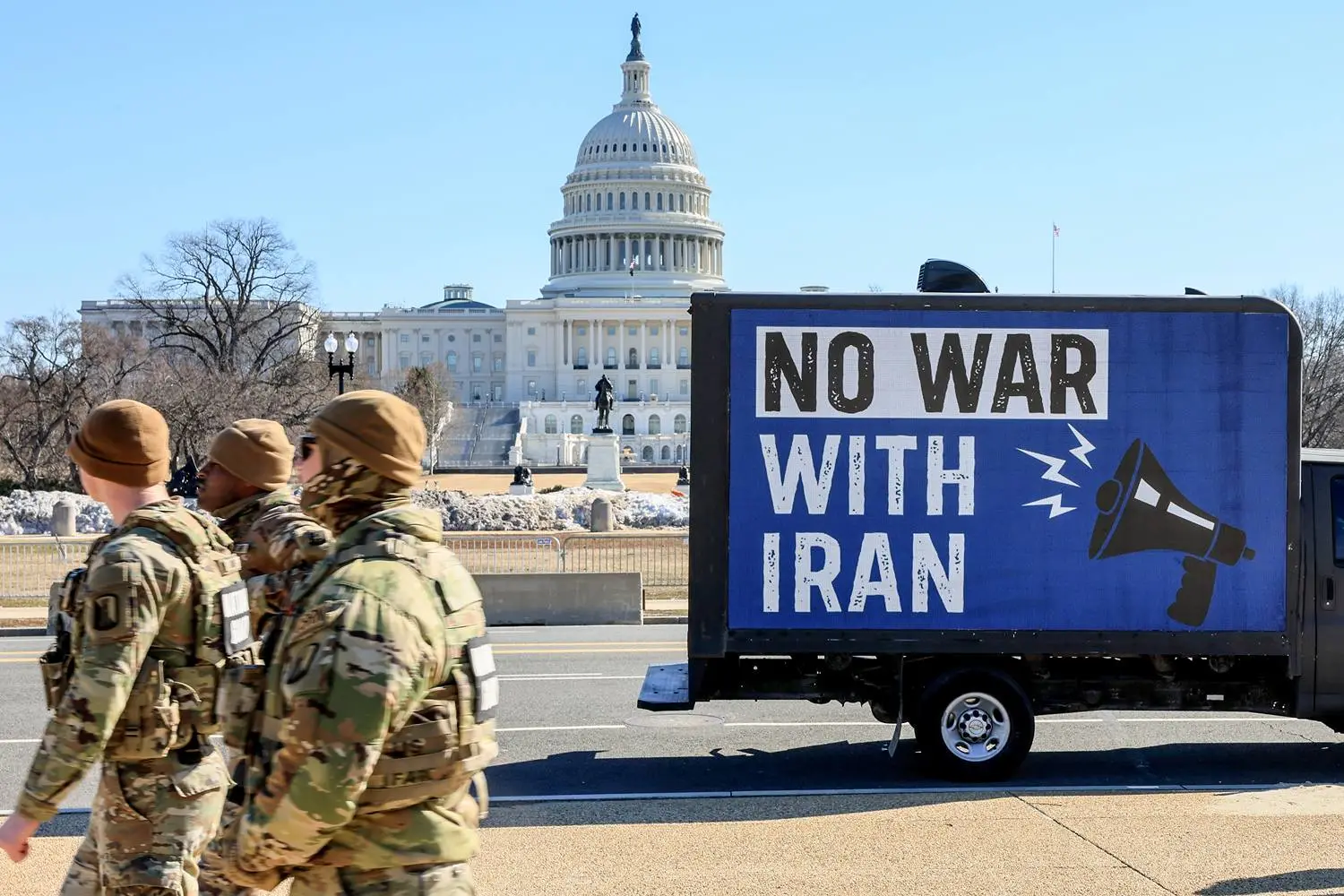
The conflict with Iran has come at a high political cost for U.S. President Donald Trump. With the Iranian regime not overthrown, Trump faces significant pressure both domestically and internationally. As debates continue within American politics over whether the war has been adequately justified to the public, the support of Republican lawmakers who have stood behind him so far is also eroding.
On June 3, the U.S. House of Representatives passed a war powers resolution aimed at halting Trump's further military action in Iran. The largely symbolic measure passed by a 215-208 vote, with four Republicans joining Democrats in a rare public rebuke of the administration's handling of the conflict that began in February.
This is another indication that Trump is facing pressure from within his own party. While a memorandum of understanding between the U.S. and Iran was announced and is set to be signed on June 19, it is just the beginning of complete peace negotiations, and the negotiation process will likely remain fragile. With the upcoming midterm elections and no final peace deal yet reached, Trump appears to be under pressure at home.
Considering intra-party politics, Trump is under double-edged pressure coming from two sides. On one hand, there is the Make America Great Again (MAGA) faction, which has criticized the Iran war from the beginning, and on the other hand, there is a faction that views efforts toward a deal with suspicion. This skeptical faction, often described as Iran hawks, could make it difficult for Trump to secure congressional support for any final nuclear agreement, particularly if it involves sanctions relief requiring congressional review.