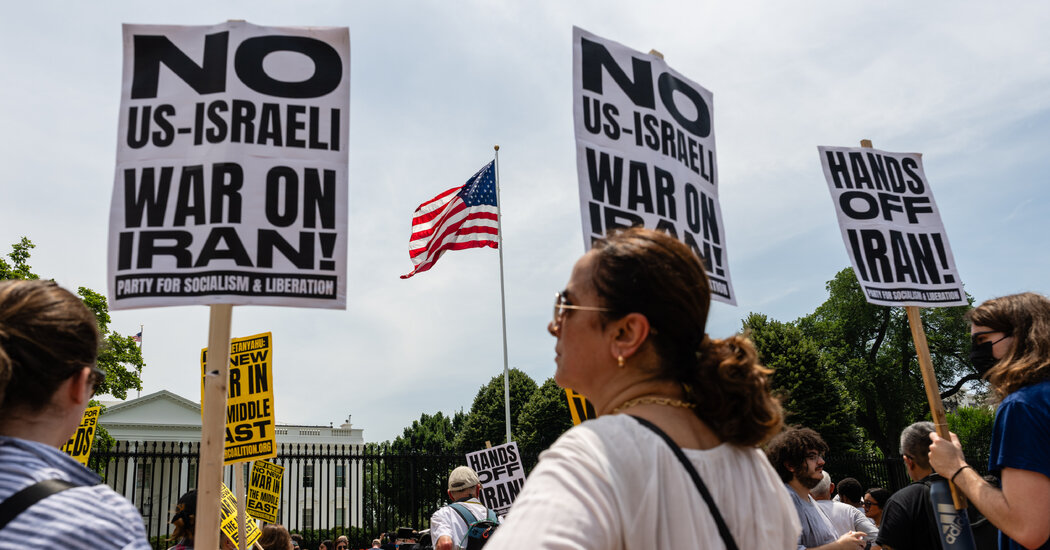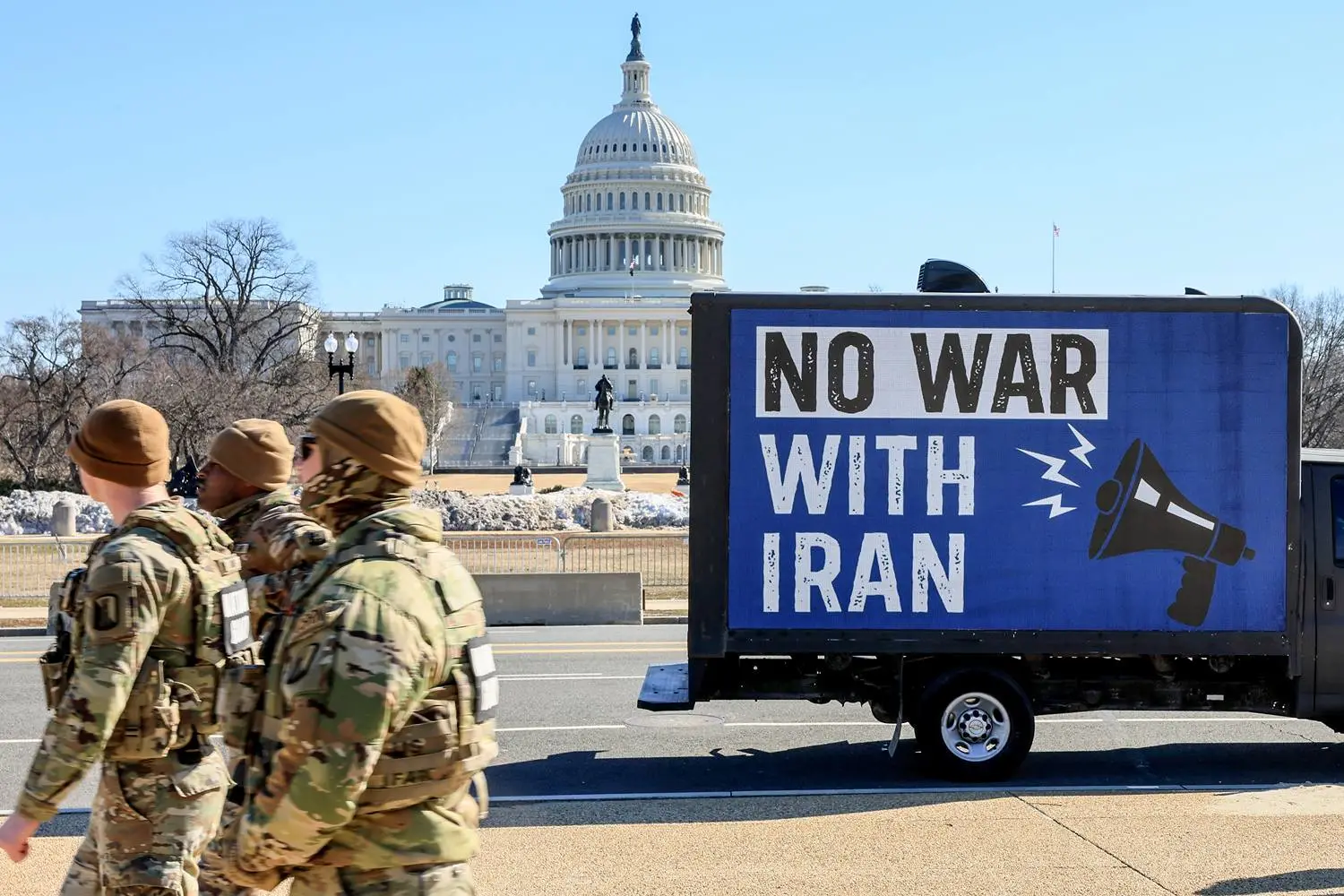
U.S. President Donald Trump’s ongoing war against Iran is increasingly expensive and unpopular. It is also unauthorized and illegal, experts say. Why, then, is Congress seemingly unable to stop him?
The answer is more complicated than one might immediately imagine. It’s not just about a majority of votes in the House or Senate, because the president still has veto power. Lawmakers might have the power of the purse, but even if they somehow mobilized to block funding, it wouldn’t have an immediate impact. And then there are the courts, which lack a clear case to intervene in part because of the precedent that they have already set. The reality is that decades of political polarization, executive overreach, court rulings, and the general acquiescence of lawmakers have collectively brought the United States to a moment where Congress can start wars but do little to end them.
U.S. President Donald Trump’s ongoing war against Iran is increasingly expensive and unpopular. It is also unauthorized and illegal, experts say. Why, then, is Congress seemingly unable to stop him?
The answer is more complicated than one might immediately imagine. It’s not just about a majority of votes in the House or Senate, because the president still has veto power. Lawmakers might have the power of the purse, but even if they somehow mobilized to block funding, it wouldn’t have an immediate impact. And then there are the courts, which lack a clear case to intervene in part because of the precedent that they have already set. The reality is that decades of political polarization, executive overreach, court rulings, and the general acquiescence of lawmakers have collectively brought the United States to a moment where Congress can start wars but do little to end them.