A logistics manager at a mid-size distributor spent three weeks trying to understand why their accounts payable process had become inconsistent. Their ERP - in place for eight years - approved a vendor invoice in under two seconds. Their new AI-powered automation platform flagged the same invoice as a potential duplicate. Both systems had access to the same data. Both vendors claimed high accuracy. The manager couldn't reconcile the two verdicts, so she escalated to her CFO, who spent half a day investigating an invoice that should have taken two seconds.
The systems weren't malfunctioning. They were working exactly as designed. The problem was that nobody had explained to the manager - or her CFO - what kind of software each one actually was.
What Rule-Based Software Actually Does
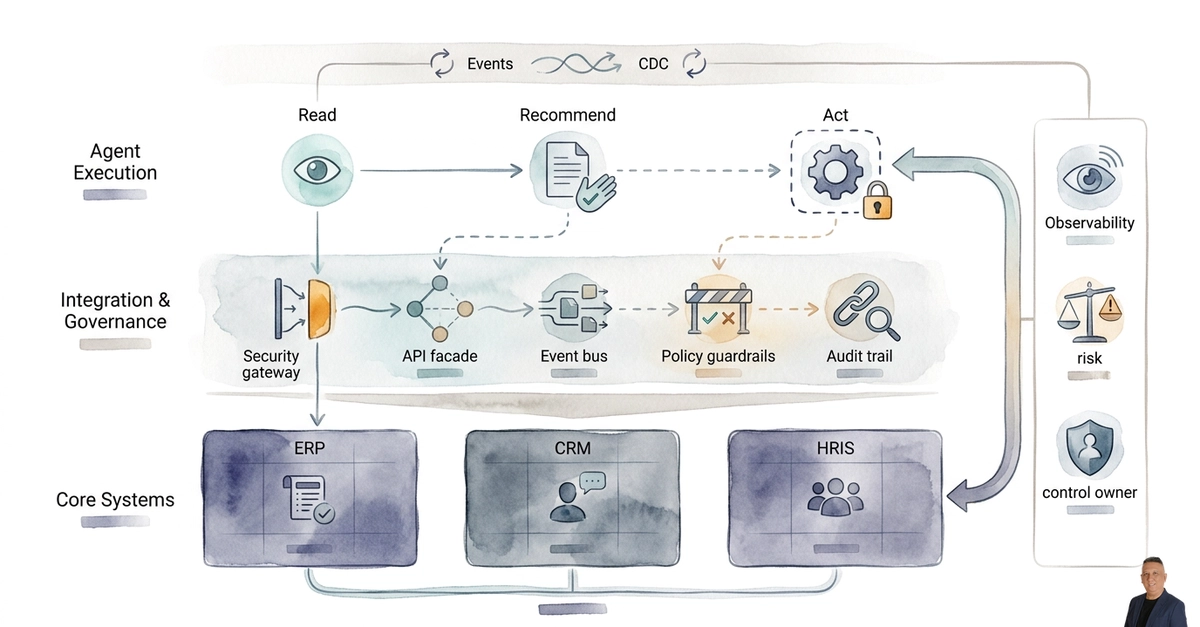
Legacy software - ERPs, CRMs, compliance checkers, billing systems - is built on explicit rules written by developers. Every decision traces back to a human-authored condition: if this, then that.
An accounts payable rule might look like: if the vendor is on the approved list AND the invoice amount is under the purchase order cap AND no matching invoice number exists in the last 90 days → approve. If any condition fails → flag for review.