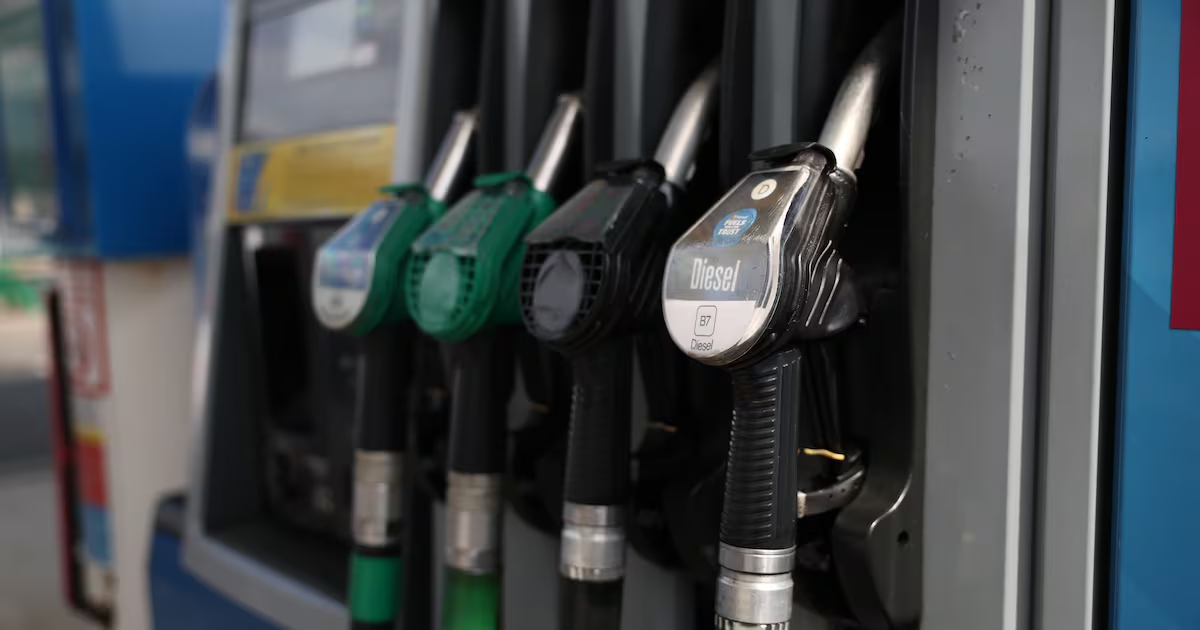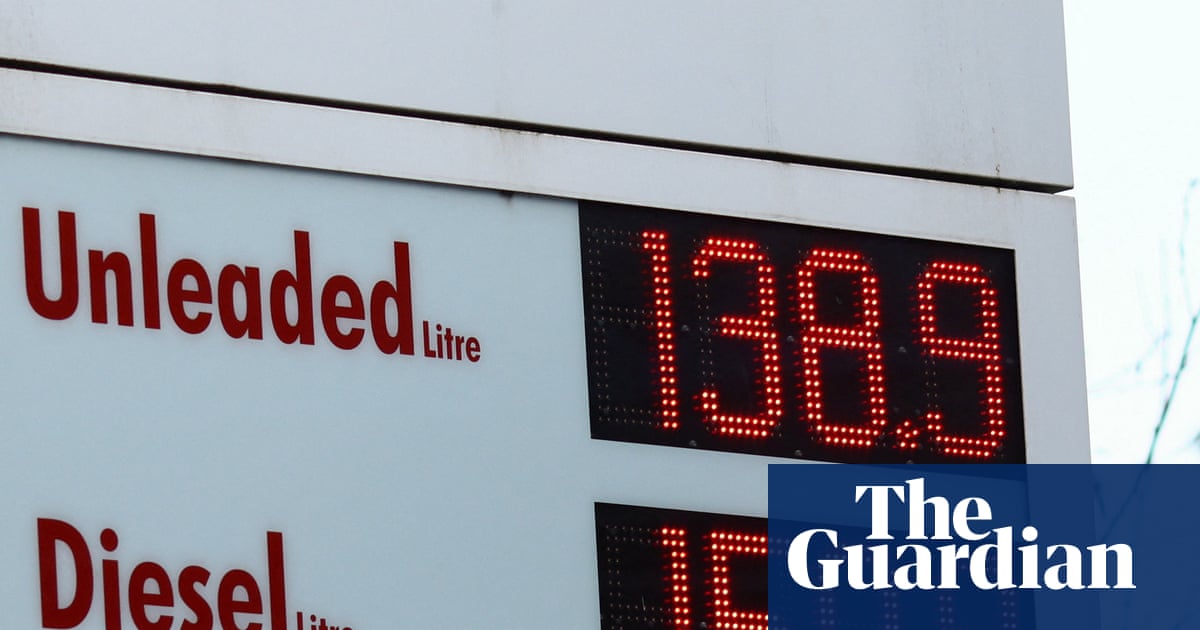
Surging energy prices from the US-Israeli war with Iran will lead to a spike in costs for Irish households, which will all but wipe out any wage increases this year, the Central Bank has said, even if the putative peace agreement reached last weekend leads to a lasting resolution of the conflict.The regulator, which published its second quarterly economic bulletin of the year this morning, has increased its expectations for headline inflation in the Irish economy in 2026 through to 2028. The Central Bank now believes global energy prices are unlikely to return to where they were before the initial US-Israeli strikes on the Islamic Republic in late February. “We’re now in the fourth month of conflict,” Robert Kelly, director of economics and statistics at the Central Bank, told reporters. “The reality is the outlook for energy prices is now higher than it was [in March], but also crucially longer ... gas and oil prices, they’re expected to remain elevated into 2027 and 2028.”Global energy prices, which have jumped due to the blockade of the Strait of Hormuz by Iran and the US, have already accelerated Irish consumer price inflation in recent months. This has been driven by what the Central Bank called a “strong surge” in liquid fuel prices since the beginning of the conflict. Kelly said there is some evidence that the spike in energy prices is also “spreading to other areas” of the basket of goods used to benchmark headline inflation, including food.Will a Middle East peace deal make any difference to inflation? Listen | 32:03The main effect of that is that consumers are expected to spend less money on goods and services this year. Kelly said that while personal consumption levels were quite high in the first three months of the year, “most of that would have occurred in advance of the conflict”. He said there is evidence that spending slowed in April. The Central Bank is now forecasting Irish wages to grow by an average of 4 per cent this year. Yet, consumer prices are now expected to rise by 3.5 per cent, meaning wages will grow by just 0.5 per cent in real terms, leaving little headroom for households. Real wages, accounting for inflation, grew by about 1.5 per cent last year by comparison.The burden of this will fall heaviest on the most vulnerable households, the Central Bank said, and there will be a need for targeted support in Budget 2027. Kelly declined to comment on the policy options available to the Government. However, he said the social welfare system may be the best way to reach those worst impacted by the erosion of purchasing power. “It’s set up to do that, and to implement targeted support to households that need it most.”In a more adverse scenario in which global oil and gas prices remain higher for longer due to a prolongation of the conflict, Irish inflation could rise by almost 5 per cent this year, the Central Bank said.Notwithstanding the effect of rising inflation on Irish households, the economy is still expected to grow strongly this year. The Central Bank said investment by multinational firms in artificial intelligence-related infrastructure and data centres has had “positive implications” for the headline economy. It is now forecasting the domestic economy to grow by 3.3 per cent this year, up 0.4 percentage points from its previous forecast in March.
Energy price shock to squeeze Irish wage growth this year, says Central Bank
Global oil and gas prices now unlikely to return to more normal levels despite putative Middle East peace deal
562 words~3 min read