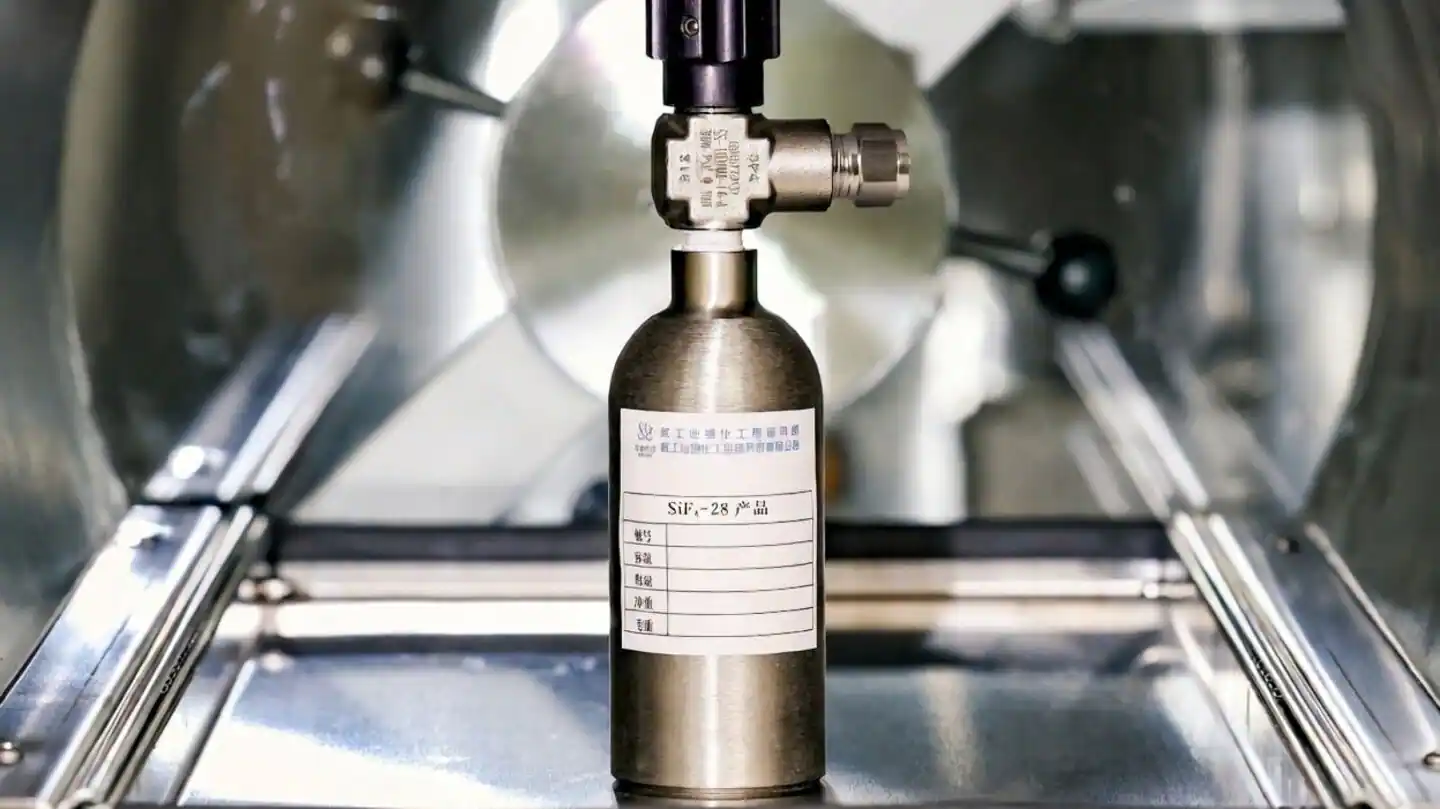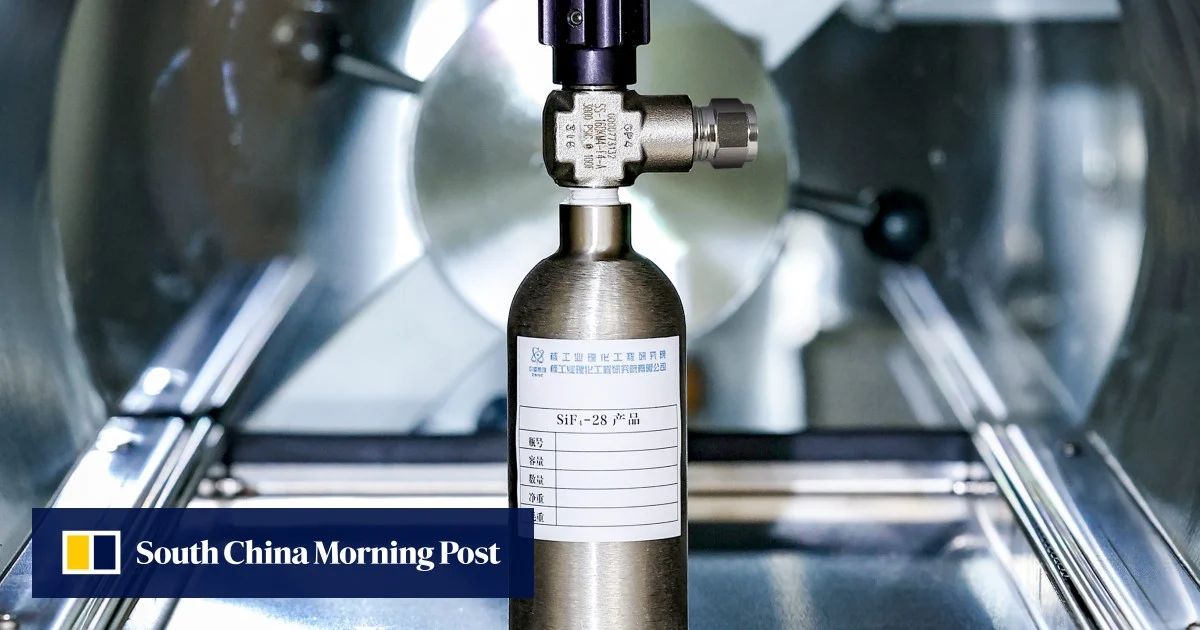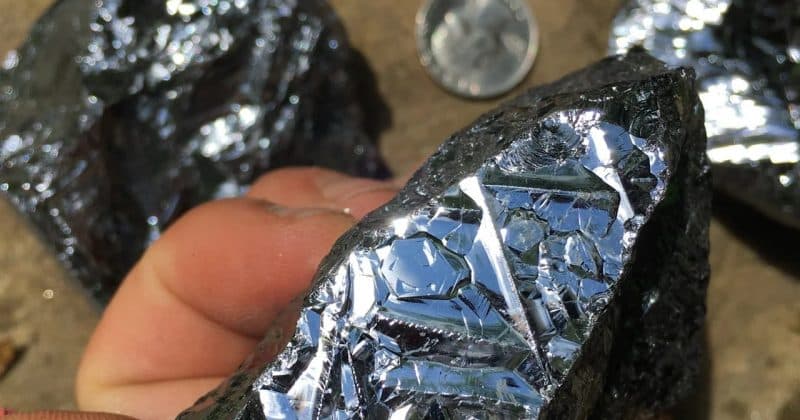
China just cleared one of the most stubborn bottlenecks in quantum computing hardware. The China National Nuclear Corporation (CNNC) announced the first successful independent mass production of silicon-28, an ultra-pure isotope with an isotopic abundance exceeding 99.99%, making it the foundational material needed for next-generation silicon-based quantum chips.
The breakthrough came from CNNC’s Research Institute of Physical and Chemical Engineering of Nuclear Industry, based in Tianjin. It represents years of focused R&D and fits neatly into Beijing’s broader strategy of technological self-reliance, particularly in sectors where dependence on foreign supply chains is viewed as a national security risk.
Why silicon-28 matters for quantum computing
Regular silicon contains a messy mix of isotopes, some of which have nuclear spin. That spin creates “noise” that interferes with qubits, the fundamental units of quantum computation. Silicon-28 has zero nuclear spin, which dramatically reduces that environmental interference.
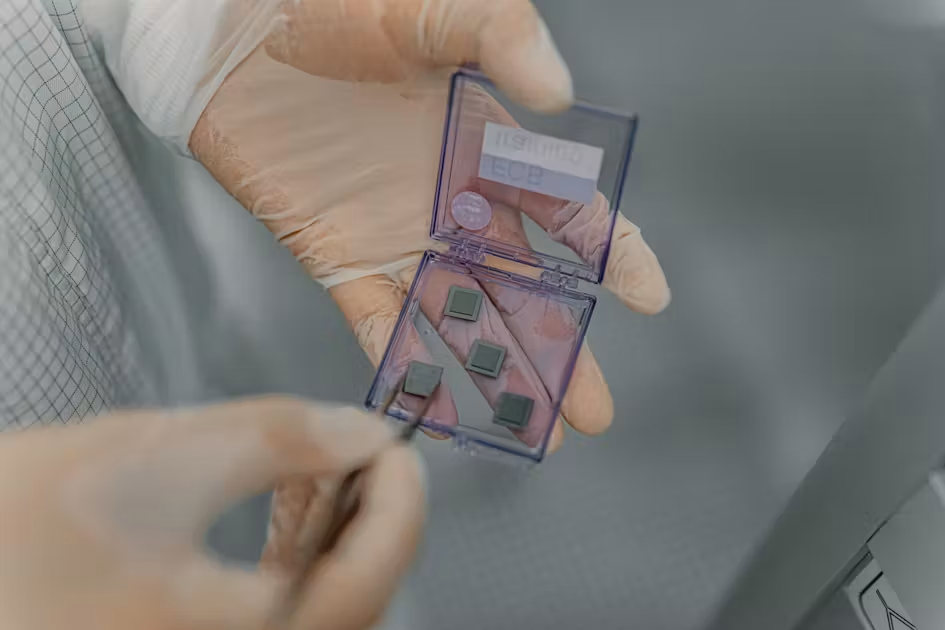
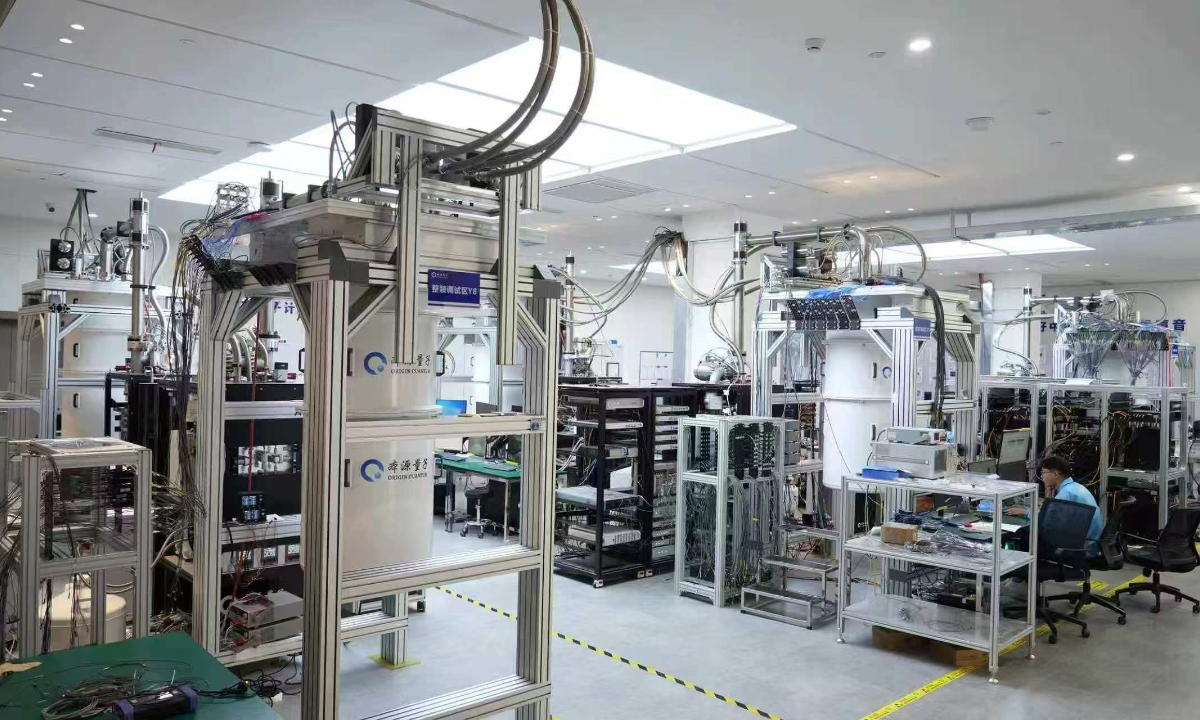
In practical terms, this means qubits built on silicon-28 substrates maintain their quantum states for longer periods. That property, called coherence time, is one of the most critical metrics in quantum computing. Longer coherence means more reliable calculations and better control precision.