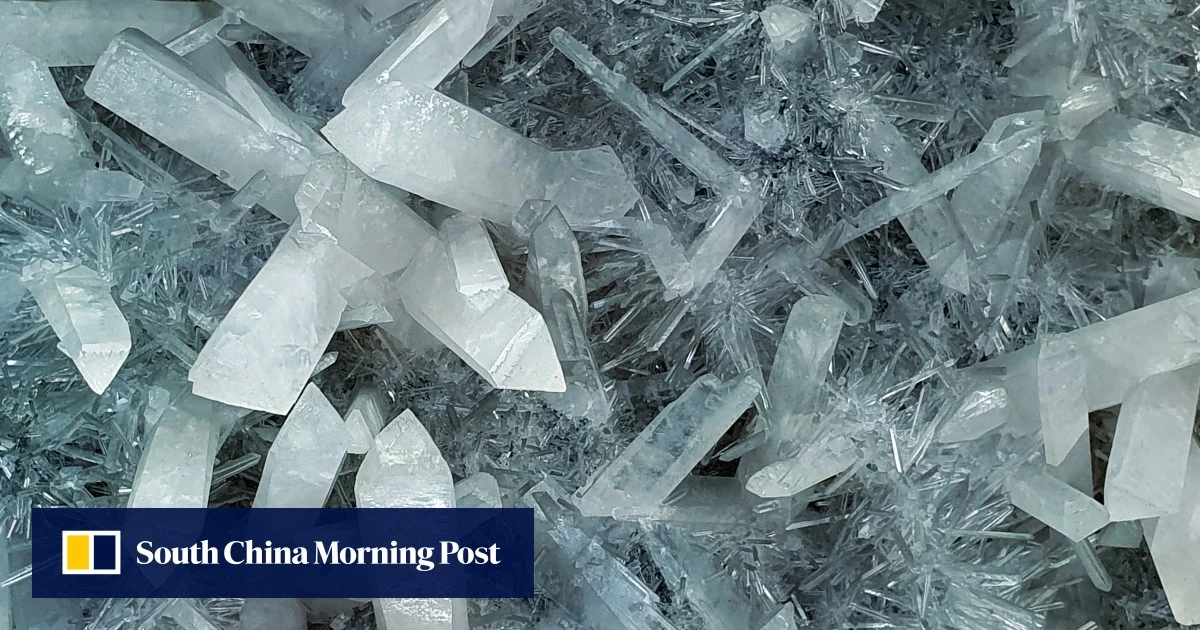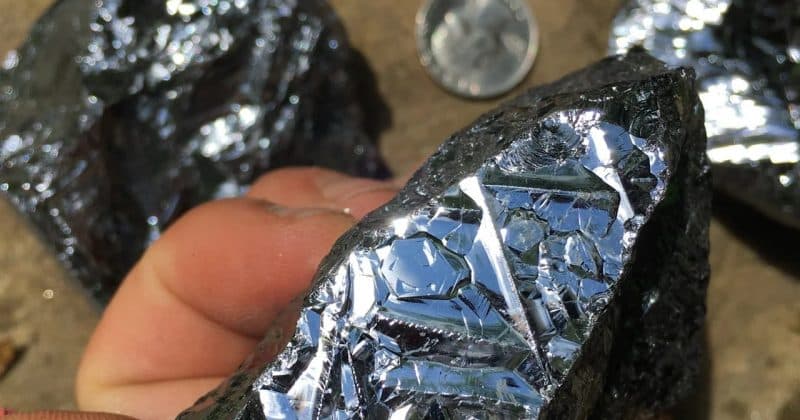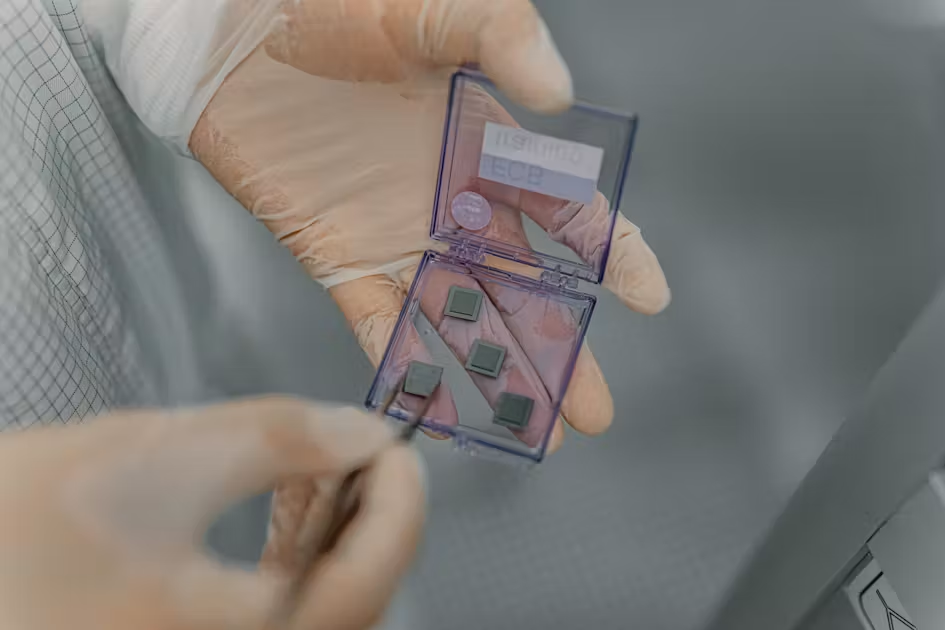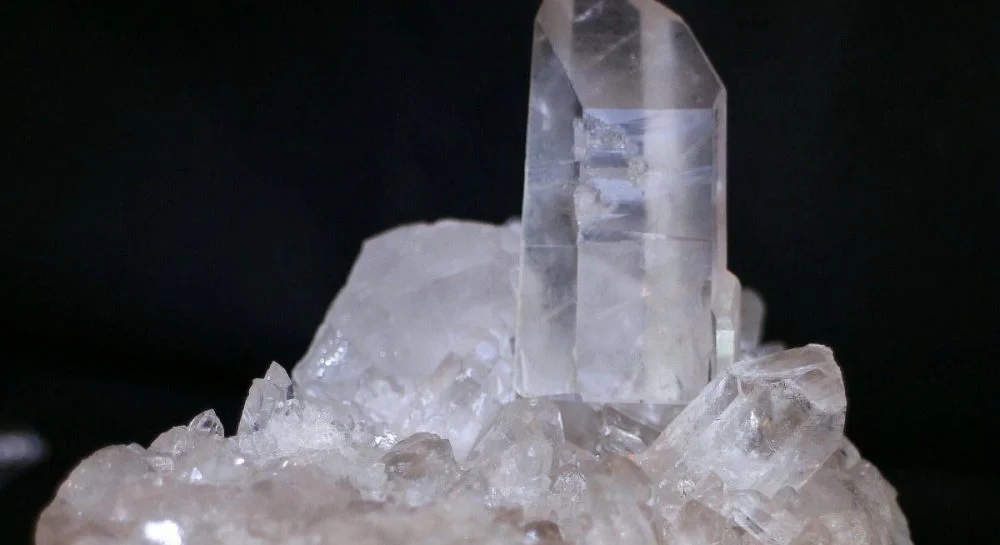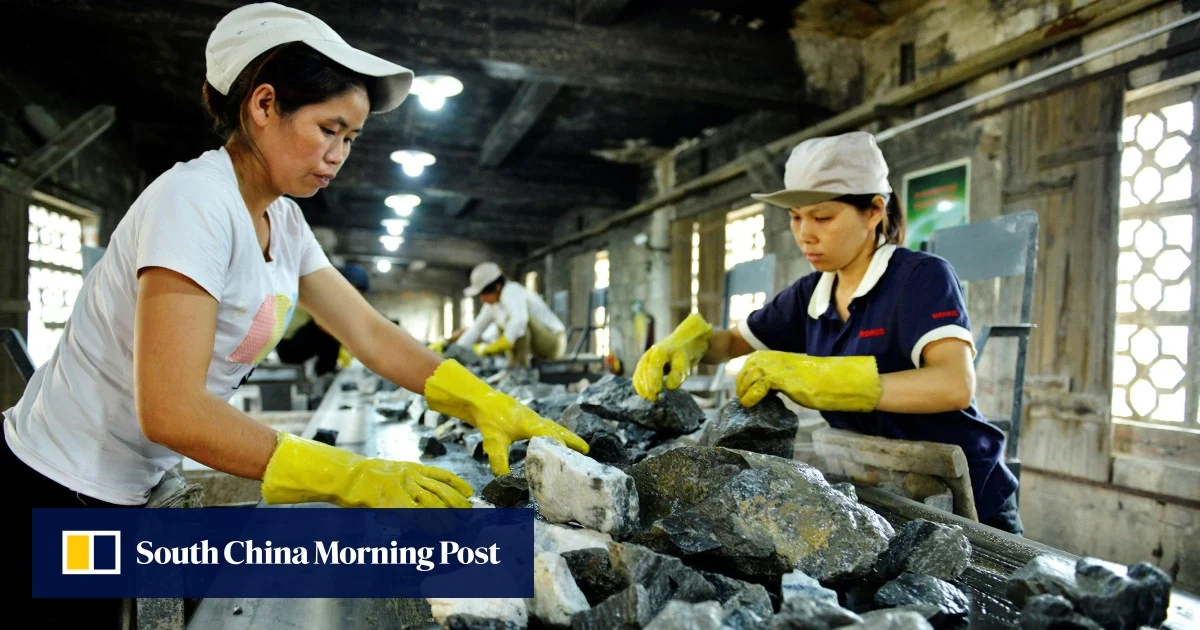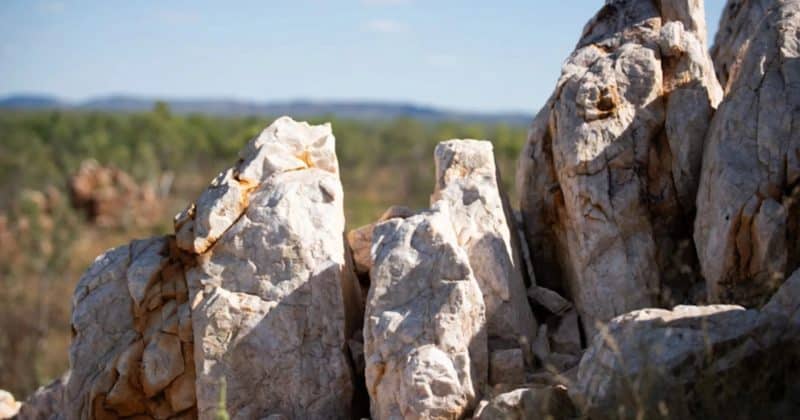
China may have just found the geological equivalent of a royal flush. Researchers have identified high-purity quartz deposits in Tibet’s Dinggye area that can yield silica with purity levels exceeding 99.995%, a grade suitable for semiconductor crucibles and solar panel manufacturing.
The finding, published in the European Journal of Mineralogy in April 2026 by teams from the University of Science and Technology of China and the China Geological Survey, targets one of Beijing’s most glaring supply chain vulnerabilities. China is the world’s largest importer of high-purity quartz, and it has historically sourced significant quantities from the United States, particularly the legendary Spruce Pine deposits in North Carolina.
Why high-purity quartz matters more than you think
High-purity quartz, or HPQ, is essential for producing the crucibles used to grow silicon ingots, which are then sliced into the wafers that power virtually every semiconductor on the planet.
The global supply of this material has been concentrated in a remarkably small number of sources. Spruce Pine, a small town in the Appalachian Mountains, has long been the dominant supplier of the world’s highest-grade quartz. When Hurricane Helene damaged operations in the region in late 2024, semiconductor analysts briefly panicked about potential supply disruptions.