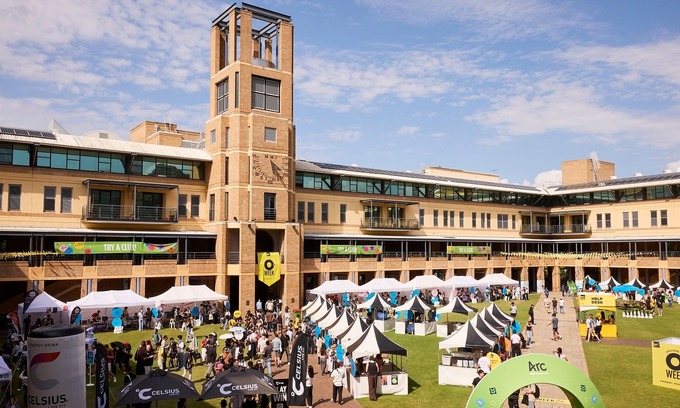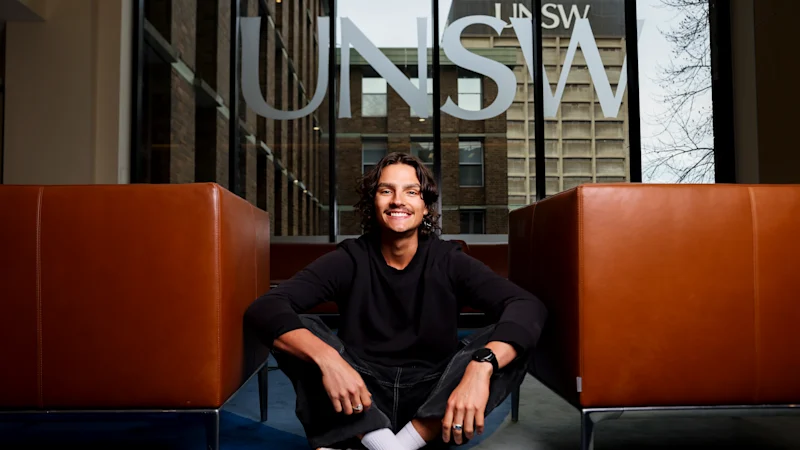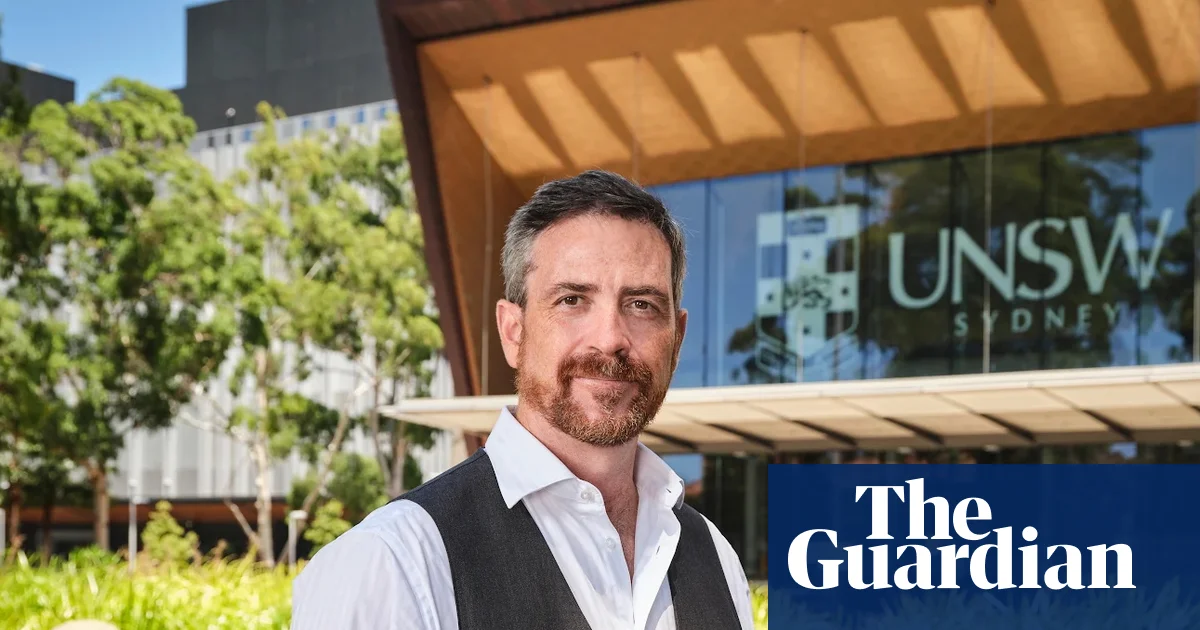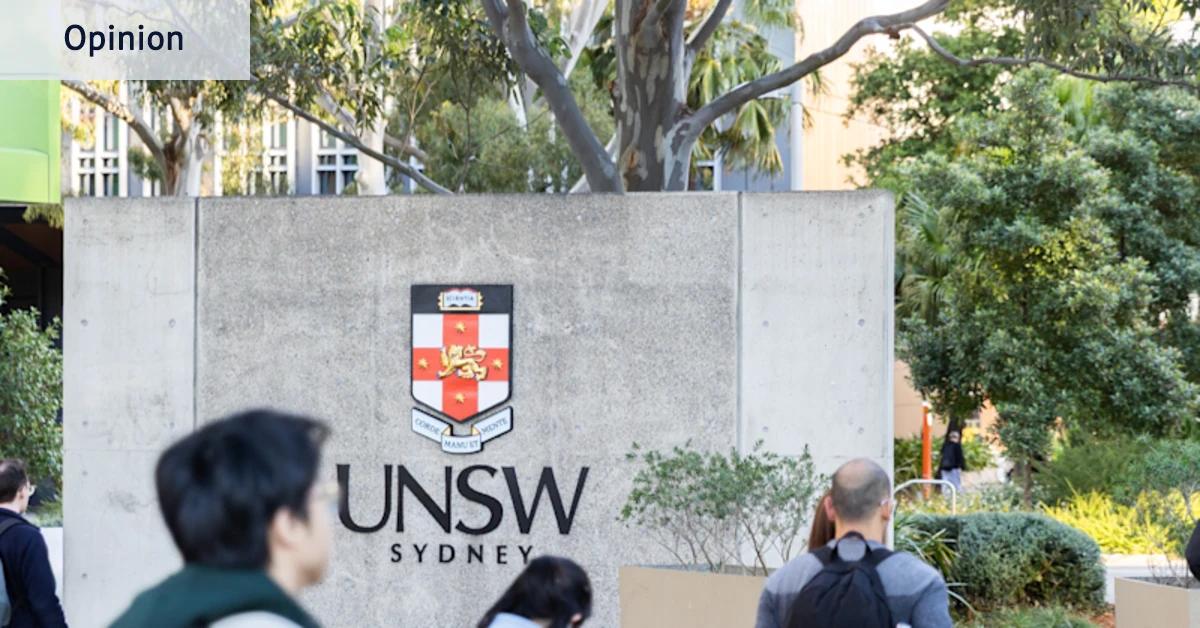
OpinionJune 18, 2026 — 11:30amAmid so much negative commentary dogging Australia’s tertiary institutions, it is gratifying news that we have nine universities in the top 100 of the latest global rankings – more than almost any other country. UNSW, where I am vice chancellor, now leads in Australia and has climbed 30 places since 2017 to rank 19th in the world among almost 9000 universities assessed in 106 countries and territories for the 2027 QS World University Rankings.Top of the Australian rankings and 19th in the world: the University of NSW. And yet universities in Australia, like those in the United States, the United Kingdom and Europe, face unprecedented hostility from populist leaders and others with agendas. Far from being celebrated alongside our international sporting prowess or booming corporate sectors such as mining, anti-intellectualism – dressed up as “common sense” – has drifted from the fringes to the mainstream.Universities are not blameless for the lack of celebration of their success. They and their students are still recovering from the disruption caused by the COVID pandemic. Complacency, misprioritisation and the challenges of rapid evolution have resulted in problems, including governance mistakes.There are also societal scourges such as racism and gender-based violence where universities, as public institutions, have a greater responsibility than most to tackle properly.At times, a lack of agility has exposed vulnerabilities that Australian universities need to address. These challenges are exacerbated by the pressure of decades of declining per-student and research funding. For every Australian undergraduate at UNSW, the student’s fees and the government’s teaching subsidy together fall about $2400 short each year of what it actually costs to educate them – a gap we must make up from other sources such as international student fees and philanthropy.Despite all this, Australia’s universities are genuinely world-leading. Most sit higher in the rankings now than they did a decade ago, despite fierce international competition and the declining government funding.The time has come to talk up our world-class staff and students rather than talk them down. To stop confusing expertise and excellence with elitism. Too often the hard-won judgment of researchers has curdled into a broader distrust of anyone who knows their subject deeply. When a virologist, economist or an engineer is treated as just another voice with an opinion, we are throwing away the very knowledge that keeps us safe, healthy and prosperous.The QS results are the latest in a sustained trend of all Australian universities punching well above their weight. All of our universities are in the top few hundred globally. We regularly have two or three in the top 20. The nine that are in the world’s current top 100 educate more than 30 per cent of domestic students in Australia. Only about 3.5 per cent of domestic students in the US study at a top 100 university. Almost 60 per cent of Australian students study at a university in the global top 250.Australian universities also produce research that ranks among the most impactful in the world. UNSW alone generated more than 56,000 research papers over the past five years. Ninety per cent of the world’s solar cells are based on UNSW technology; the University of New England has been quietly transforming agriculture through its world-leading animal genetics and BREEDPLAN systems, ensuring safe, high-quality food for all Australians while contributing billions to our livestock industry; cervical and uterine cancer were leading causes of cancer-related deaths for women until the University of Queensland enabled the Gardasil vaccine.Our university communities educate the nurses, doctors and allied health professionals and engineers that make society function. The teachers sparking the imagination of the next generation, the humanities graduates who drive conversations about what our society is, or should be.Society’s needs from higher education, however, are rapidly evolving. Technological changes, including artificial intelligence, are reshaping not just how education is delivered but transforming the requirements of how graduates are prepared and the scale of reskilling required for the workforce. This demands that universities rapidly change while still delivering the day-to-day social impact that is, and should, be taken for granted.Universities are among Australia’s most effective drivers of social mobility, broad-based prosperity creation, community wellbeing and national resilience. The evidence is stark: young Australians with a university-educated parent are more than four times as likely to attend university themselves – which is precisely why widening access is one of the most powerful levers we have to break cycles of disadvantage.The challenge is how we keep doing this. Meeting the changing requirements of our students and our community in a time of turbulence, cost-of-living challenges and resource constraints is complex. The federal government’s Universities Accord, if implemented and funded properly, will assure and broaden the benefits felt by all Australians. If not, the damage will not be reflected in polling numbers but will show up a decade from now in lost medical breakthroughs, in foregone productivity and prosperity, and in vanishing sovereign capability. Intellectual capital, once lost, is exceptionally hard to rebuild.The QS results are a reminder that Australians have built something rare and valuable in their universities. Today, more than ever, we must work to lift people out of disadvantage and boost the next generation’s standard of living.Professor Attila Brungs is the vice chancellor of the University of NSW.From our partners
We keep talking down our world-leading universities. Now we can talk them up
Australia has nine universities in the top 100 of the latest global rankings. Let’s cherish this success.
876 words~4 min read