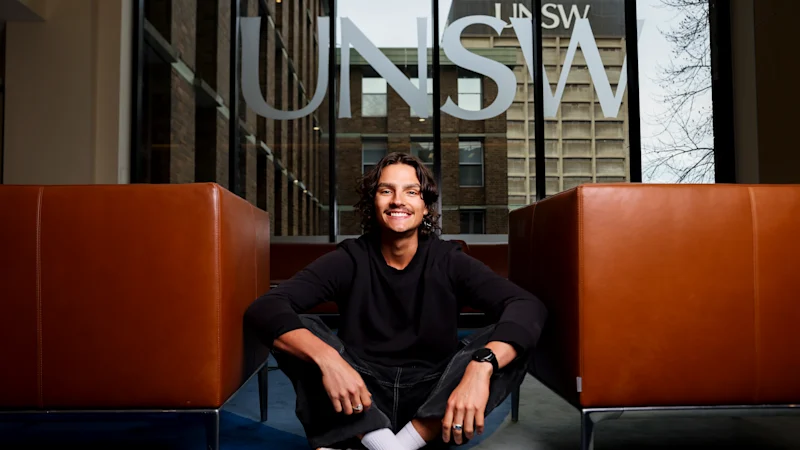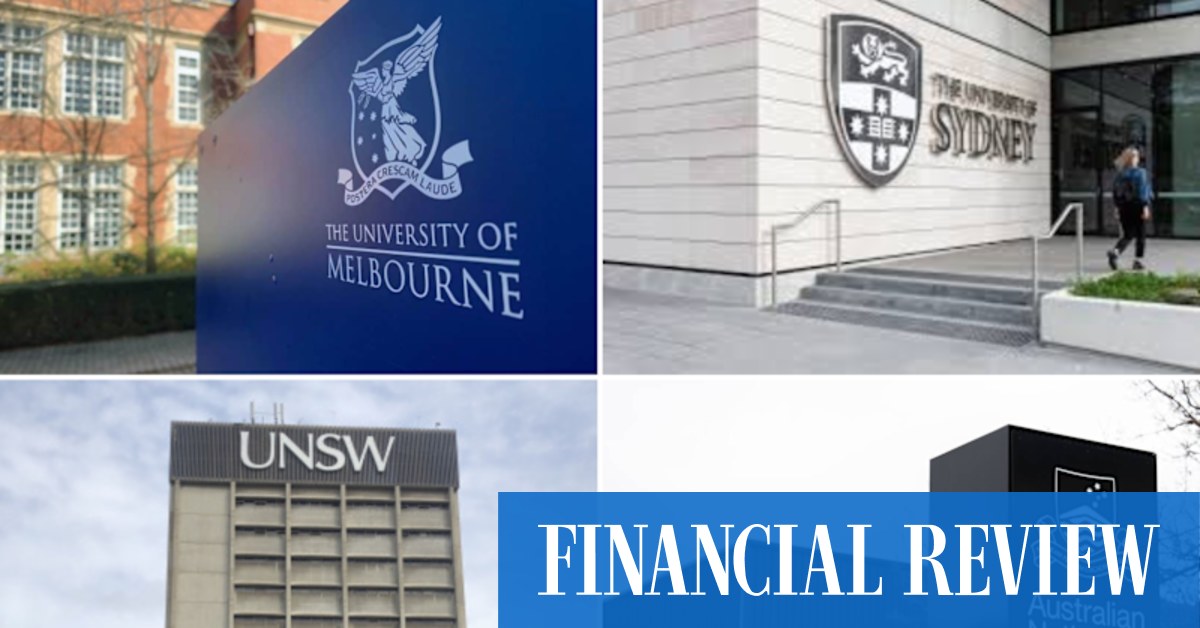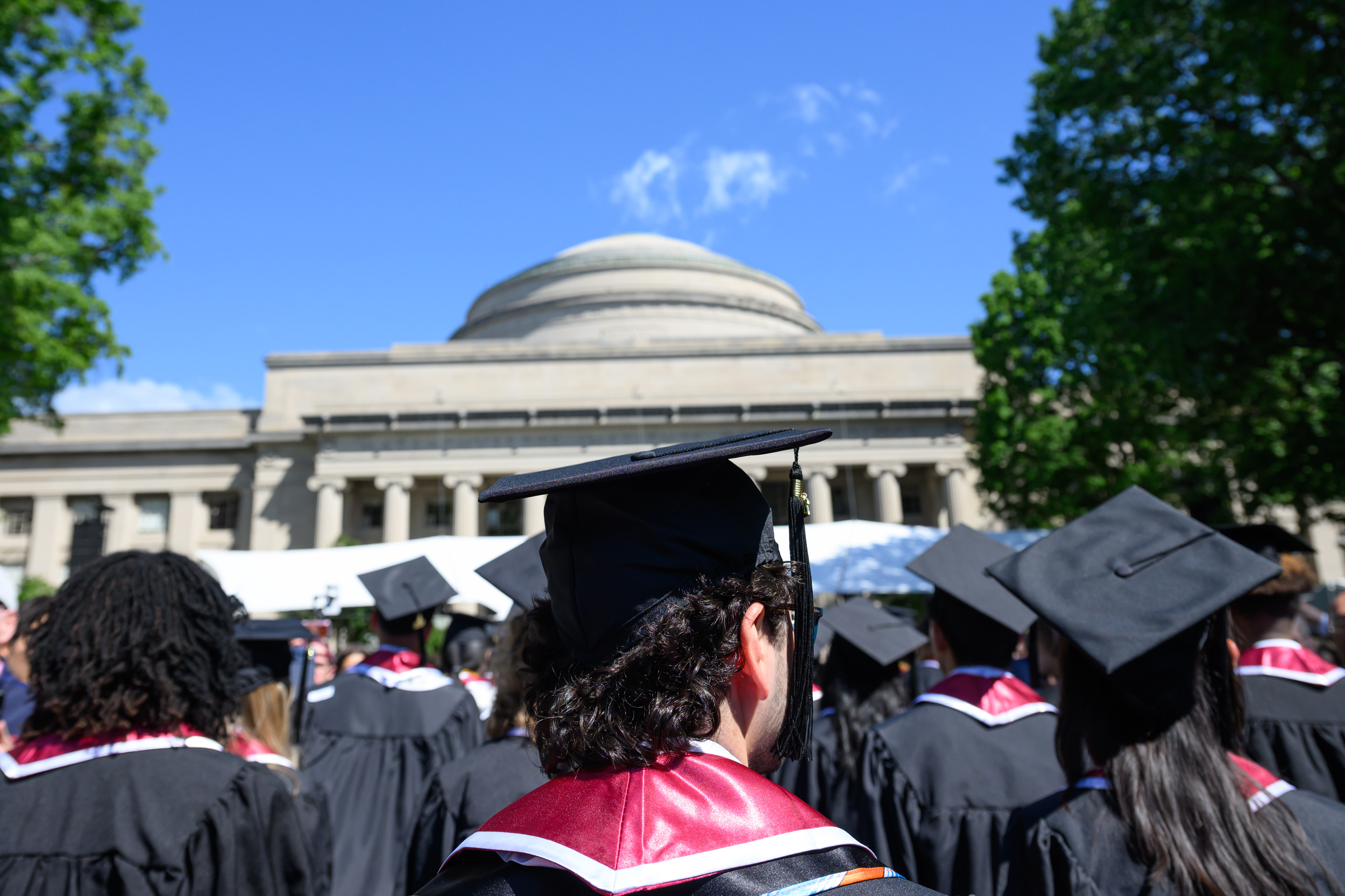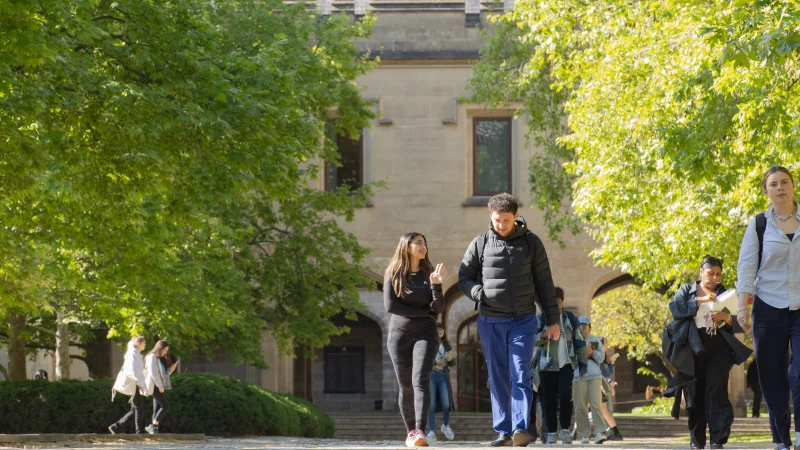
June 18, 2026 — 9:00amThe University of Melbourne has lost its spot as Australia’s top-rated university on one of the major global tertiary rankings, amid warnings the nation’s reputation as a world-class study destination could be at risk.On Thursday, the University of New South Wales (UNSW) claimed the No.1 spot among Australian institutions in the QS World University Rankings 2027 for the first time, ascending to 19th globally ahead of the University of Melbourne at 22nd.University of Melbourne interim vice chancellor Glyn Davis said they were pleased to maintain a position ranked among the world’s top 25 institutions, having placed 19th last year.The University of Melbourne has been toppled from top spot.Simon SchluterDavis, who was appointed to the interim position in January following the death of Emma Johnston, said the university remained focused on its work.“As we prepare for the arrival of our next vice chancellor, Professor Carolyn Evans, we remain focused on strengthening our global partnerships, advancing excellence in teaching and research, and ensuring our students are equipped to thrive in a rapidly changing world,” Davis said.The University of Melbourne was among 11 Australian universities to slip down QS’s 2027 list; four local institutions held steady while 21 improved their position.QS Quacquarelli Symonds, which produces the globally recognised annual ranking, cautioned Australia’s historically high-performing tertiary sector against complacency.Cuts to student migration and threats of visa price hikes risked tainting Australia’s reputation as a top study destination, according to the analytics agency, which warned federal migration policy could cause local players to lose ground to global rivals.QS chief executive officer Jessica Turner said Australia also performed less strongly on teaching capacity and graduate outcomes compared to its international peers.“Sustained investment in the student experience, skills development and employability will be essential if Australia is to maintain its competitive edge in an increasingly AI-driven economy,” Turner said.“At a time when international education is more competitive than ever, maintaining this momentum will also depend on ensuring Australia remains an accessible and welcoming destination for international students and researchers.”UNSW has ascended the QS ranking rapidly over the past decade, climbing 30 places since 2017.Monash University climbed from 65th to 31st over the same period. However, the steepest improvement among Victorian universities came from RMIT, which climbed from 252 in 2017 to 119 in the 2027 ranking.UNSW vice chancellor Attila Brungs said he was proud of his university’s result, as he acknowledged the entire sector’s contribution to the country’s future competitiveness.“The results also demonstrate that Australia continues to punch above our weight on the global stage,” Brungs said.The embattled Australian National University, which is facing a reckoning after 18 months of mismanagement and bad governance, dropped from 22nd globally and the top spot in Australia in 2017 to 29th internationally and fourth domestically in the 2027 ranking.Massachusetts Institute of Technology retained the top position globally for a 15th year, followed by Imperial College London and Stanford University, which tied for second.China had the most newcomers to the list of 1500 universities, with 13 debutants among the 85 universities on the rankings from the emerging superpower.The Communist Party of China published a national education action plan last year, focused on making China’s education system among the best in the world by 2035.Under the plan, China is expected to grow its university sector and prioritise science and technology. Of the 85 Chinese universities included in the QS rankings, 52 improved their position in 2027.The QS rankings are determined by an institution’s scores across nine key indicators.Australian universities typically score strongly in citations per faculty and in academic and employer reputation. The Australian sector continued to trail comparable education systems in faculty-to-student ratio and employment outcomes, according to QS.RMIT University Director of Strategic Insights Angela Calderon said the results highlighted the efforts Australian universities had made to improve following several years of mixed performance.“It is encouraging to see most Australian universities strengthening their performance on both reputation measures following several years of volatility, but most particularly on the employer reputation, which adversely impacted universities for many years,” Calderon said.“The continued improvement on citations per faculty, along with rising reputation, demonstrates that Australia as a system has top-quality universities that are leading producers of knowledge and impactful research.”Start the day with a summary of the day’s most important and interesting stories, analysis and insights. Sign up for our Morning Edition newsletter.From our partners
University of Melbourne toppled from top spot in global rankings
The prestigious university has been outranked by a Sydney rival for the first time, amid mixed performance across Australia’s historically high-performing tertiary sector.
725 words~3 min read