20 Jun 2026
issue 20 June 2026
Comments
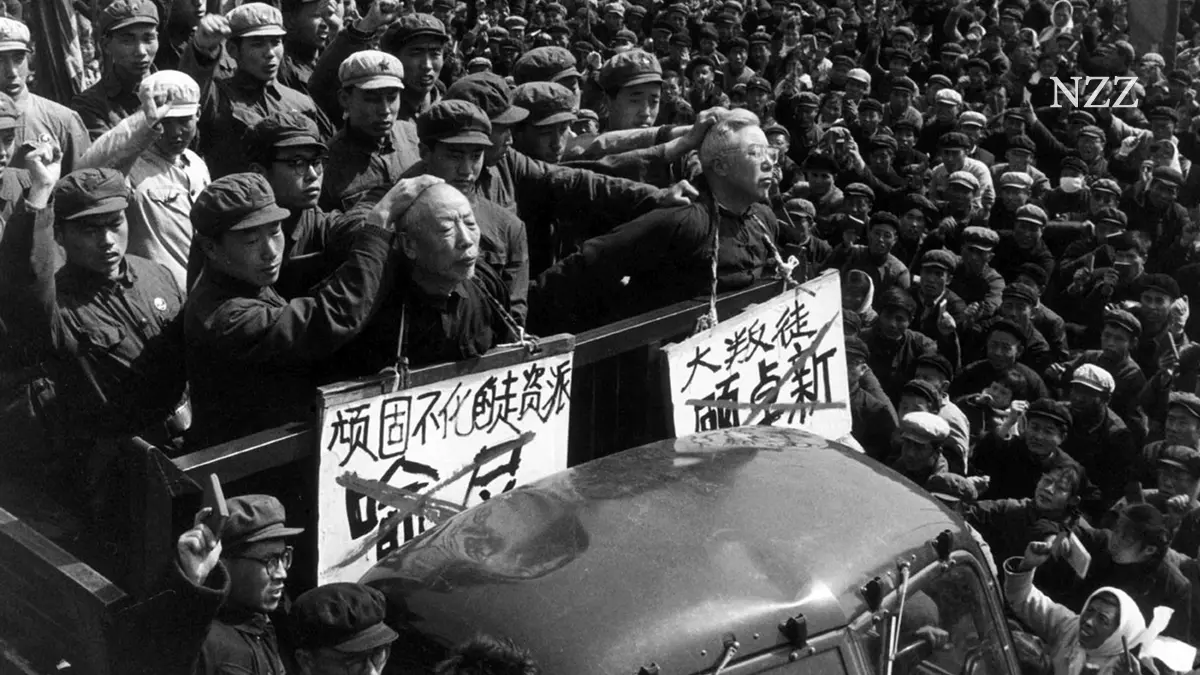
At first glance, Tie Ning’s The Passage of Roses appears to be yet another Chinese novel set during the Cultural Revolution in which bourgeois families and pre-1949 intellectuals are purged and banished. But the unnerving characters of Si Yiwen and her granddaughter Mei, whom Si cares for, influences and later harms, soon promise something different.
Born into wealth in Old China, Si survives under the new regime as a marginal housewife, insignificant enough to avoid persecution. Yet it is precisely this insignificance that piques her desire for recognition. From an early age, she was denied love with a young revolutionary and was then ignored by her husband and in-laws. Now she finds herself drawn to the political fervour like a moth to a flame. She invites revolutionaries to dig up her family treasure and later to occupy her house: she even witnesses their subsequent murder of her sister-in-law and provides information that jeopardises her own sister – all in return for greater visibility in the community propaganda group. Her ruthlessness is not imposed by ideology but is a desperate attempt to assert a long-repressed sense of self-worth.