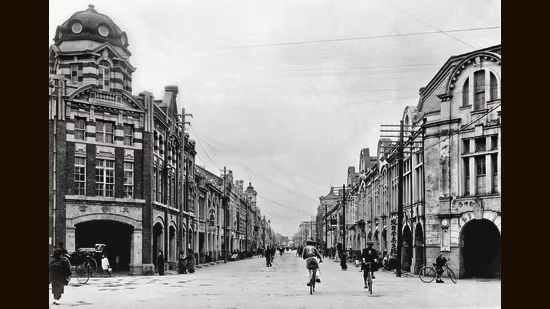
The story is set in 1938, in a Taiwan ruled by the Japanese government.
| Photo Credit: Getty Images
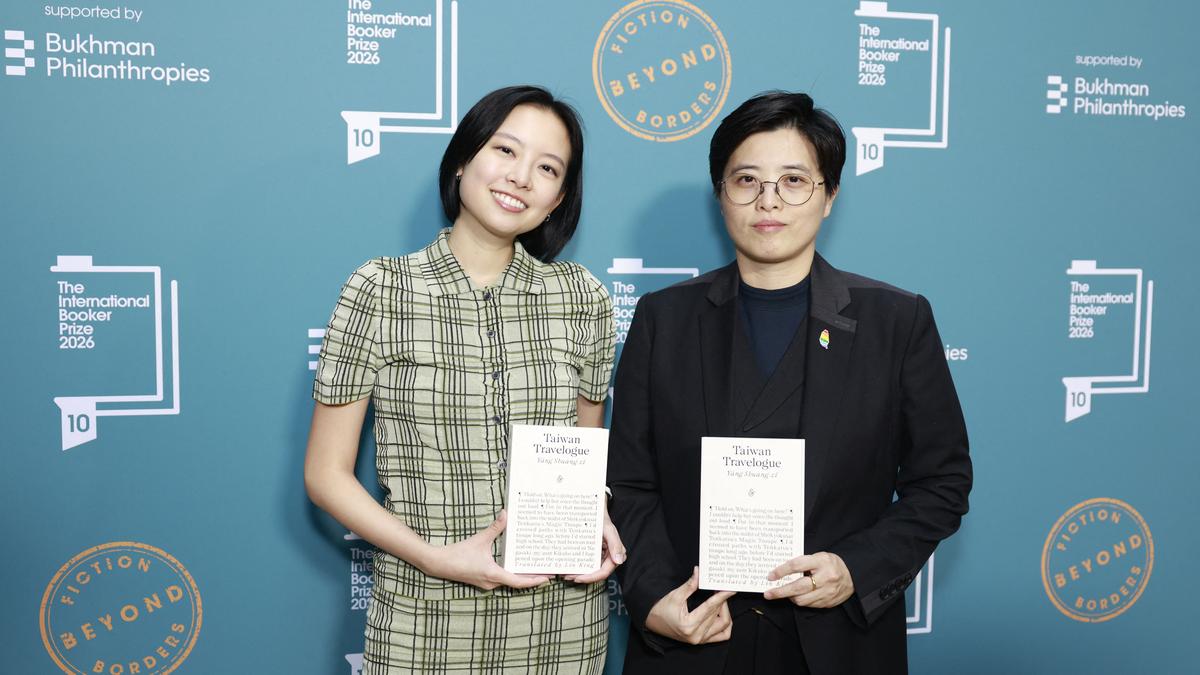
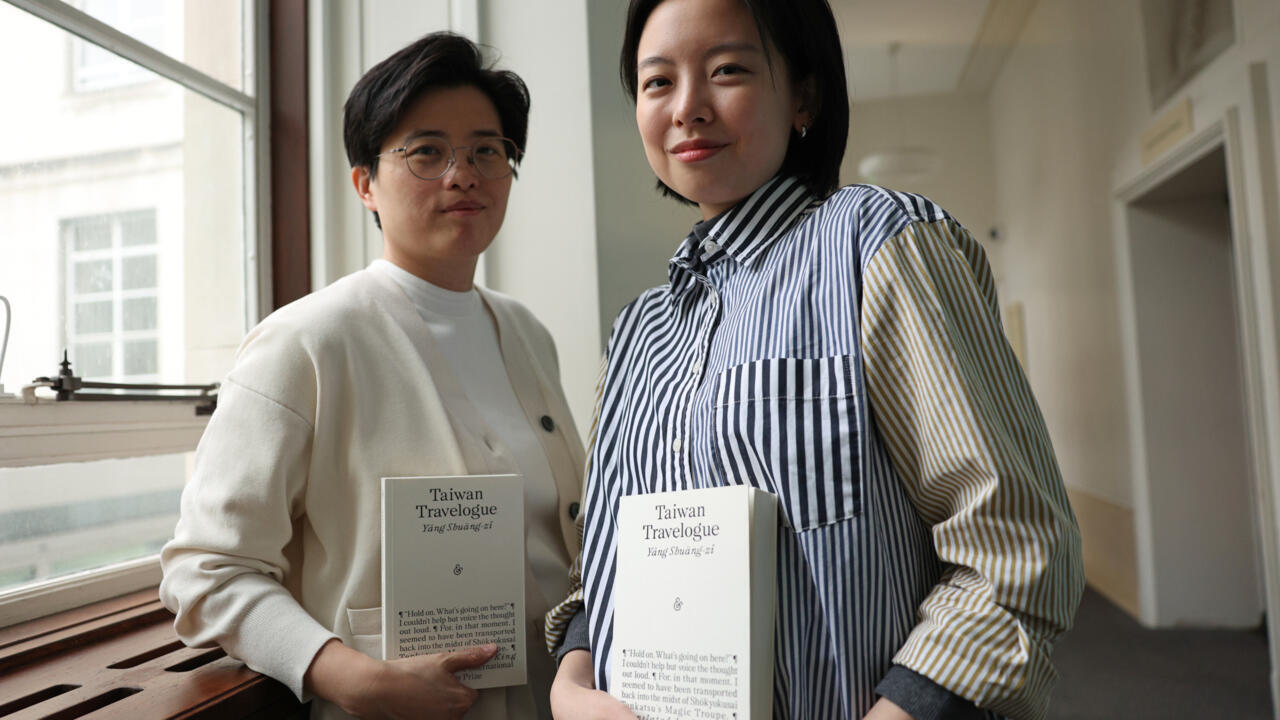
“A flower whose name I didn’t know had bloomed in the cottage garden.” Sentences like these, which argue that inexplicable feelings deserve to exist and be documented, are what make Yang Shuang-zi’s Taiwan Travelogue a revelatory read.The novel, translated from the Mandarin original by Lin King, has garnered a spot on the 2026 International Booker Prize shortlist.
Yang Shuang-zi won the International Booker Prize on May 19, 2026.
The island of Taiwan is located a strait away from China, and is often viewed alongside Japan’s Southwest Islands, forming a barrier between the East and South China Seas. The island has endured its fair share of colonisers. Taiwan Travelogue is a document of the island in its usual state of cultural osmosis, and how colonialism can permeate every interaction with your environment.The story is set in 1938, in a Taiwan ruled by the Japanese government, a few years before the island is placed under China’s administrative control again. Shuang-zi initially posits her Japanese protagonist, Aoyama Chizuko, as an assertive but excitable tourist with an unending passion for food. She has channeled her inquisitive nature into a career as a novelist, which lands her an invitation from the Japanese government to write about the island. The novel is in the form of a travelogue written by this fictional novelist, with footnotes by fictional translators and publishers, as well as King herself.Speaker vs. listenerChizuko is seemingly aware of her status as a Japanese ‘mainlander’ in a colony inhabited by Taiwanese ‘islanders’, and perceives her love for Taiwanese culture as generosity and openness on her part. She proudly refuses to write propaganda pieces for the Japanese government, and believes her duty as a novelist is to preserve her observations of the island before it is changed forever.She feels she has found her perfect match in Oh Chizuru, the interpreter hired for her by the Japanese government. The two share their first name, but are opposites in many ways — Chizuru is the prudence to Chizuko’s folly, the listener to her monologuing speaker, the employee to her employer, the islander to her mainlander.Chizuru allows for all of Chizuko’s whims to be fulfiled, specifically those involving travel and food. The meals she prepares are described in breathtaking detail, rarely accompanied by descriptions of the effort she puts in to create these experiences. She speaks perfect Japanese, is eager to quell Chizuko’s curiosities about every place and dish they encounter, so that Chizuko can experience the island at exactly the pace she prefers, and says yes to everything she asks — all but one question: “Could this really be called a friendship?”A majority of the book details Chizuru performing these services for Chizuko, and the latter’s perceived romantic tension in their interactions.Rare chemistryShuang-zi’s prose has a way of capturing what she refers to as Chizuko’s ‘blind spot’ — every observation reflects a foreigner’s fascination, an inability to see her surroundings as moulded by horrific circumstances. She asks Chizuru to see sakura blossoms with her, and only upon receiving no response does Chizuko say, “It’s brutish, isn’t it, to transplant Mainland sakura and force them upon the Island’s soil? You think so, too, don’t you?”Her superficial love for the island can also be observed in her interactions with Taiwanese people. “Is there some shopping area nearby where the Taiwanese go?” she asks a local ticket collector. Chizuru’s poise never betrays the fact that she can see through Chizuko’s colonial gaze.Despite these complications and unreliable narrations, the two women do share a rare chemistry. Conversations between them on train rides and in restaurants and tearooms are about as delectable as their menus.Their dynamic poses intriguing questions — can a Mainlander and an Islander be friends? Can you love someone whose stature and upbringing forbid them from viewing you as an equal? Do they only love the virtuosity their kindness reflects on them? Taiwan Travelogue does not set out to answer these questions, but rather to reveal them, while paying homage to Taiwan’s ever-growing cultural amalgam.Is it the first International Booker winner originally written in Mandarin Chinese and the first by a Taiwanese writer? A major moment for Taiwanese literature in the world stage.nitika.evangeline@thehindu.co.in