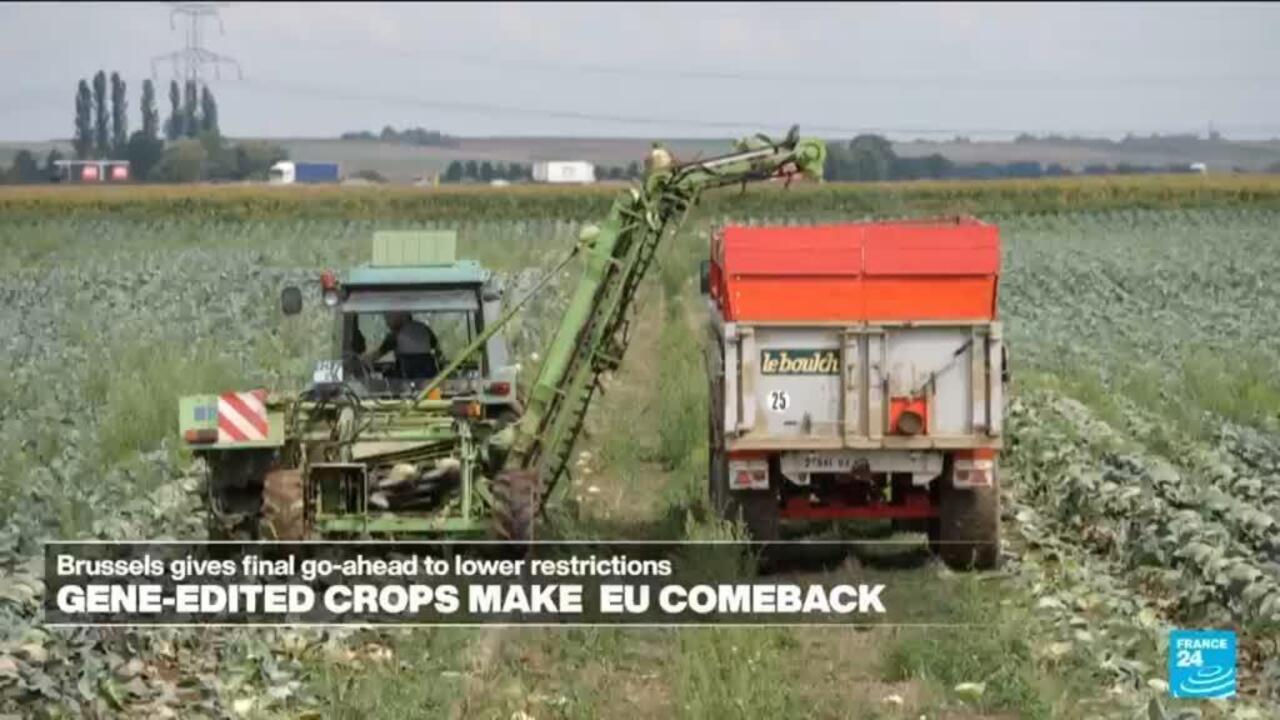
Around the turn of the century, the world embarked on an experiment. The Americas embraced the genetic modification of crops; Europe rejected it and stuck with the old ways of generating new plant varieties – bombarding seeds with gamma rays, mostly. The results are clear. Both economically and ecologically, the Americas won: more productive farmers, reduced use of pesticides, more investment in innovation, fewer emissions.
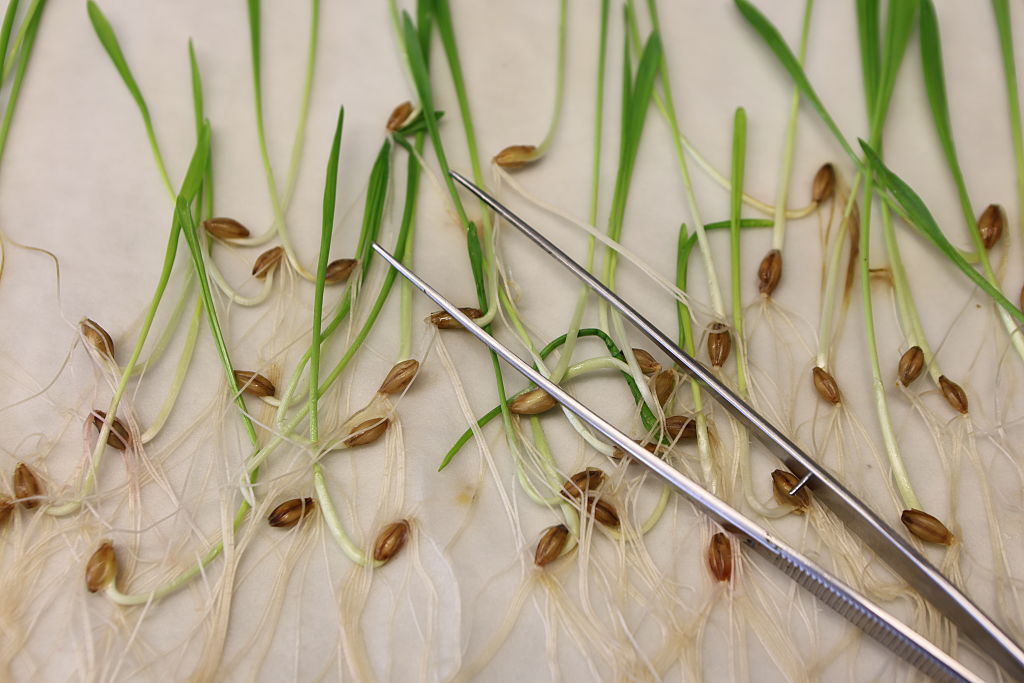
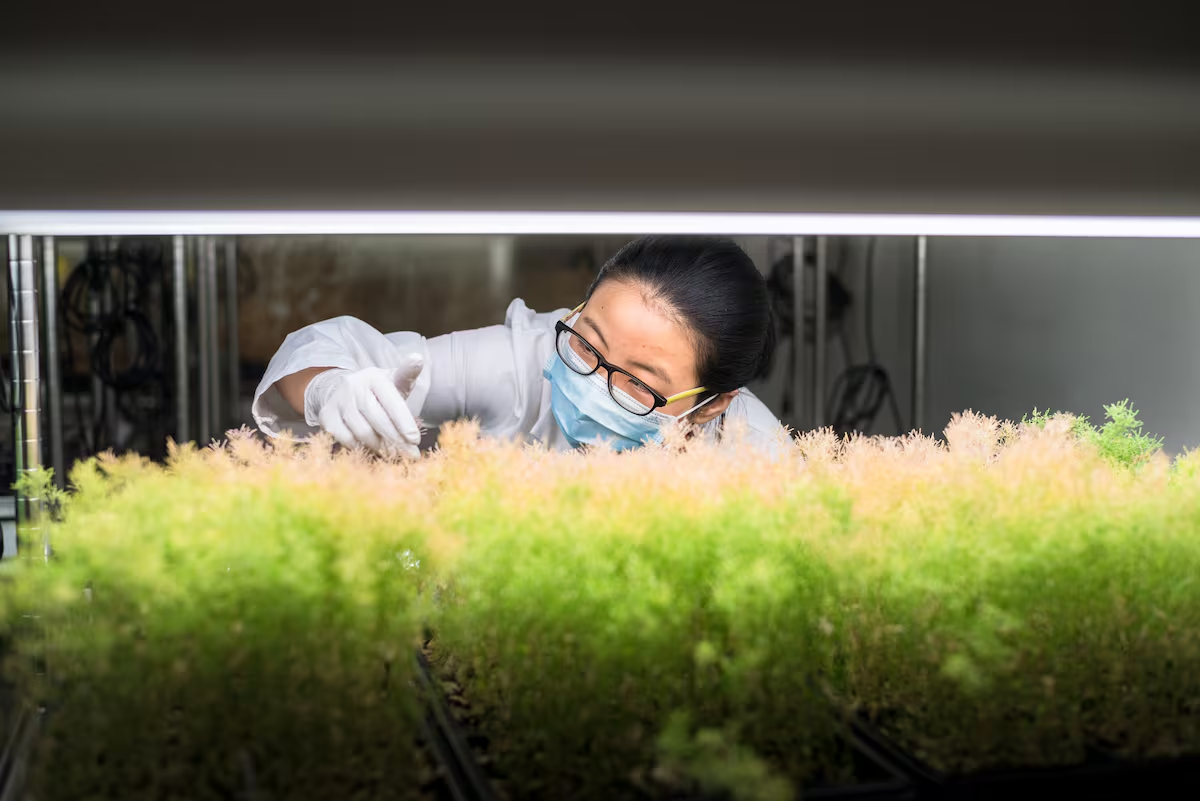
By the time of the Brexit vote in 2016, polls showed the British people were no longer against genetic modification of crops. Protests by boiler-suited eco-toffs had fizzled out. But European red tape made changing our policy impossible. Meanwhile, a new and even safer technology was becoming available: gene editing, or precision breeding, whereby scientists make tiny, precise changes to existing genes rather than introduce whole genes from other species. This is what they aim to do through traditional plant breeding anyway, just much, much faster and with fewer unintended consequences.
Precision breeding is the best way of achieving environmentally friendly goals such as minimal-spray growing
Almost nobody was against this new practice but the EU, in its inimitable way, insisted that member states ‘hold back on giving the all-clear on gene editing while it considered its options’, in the words of Nature magazine. Meanwhile, a referral of the issue by France to the European Court of Justice meandered towards a decision.