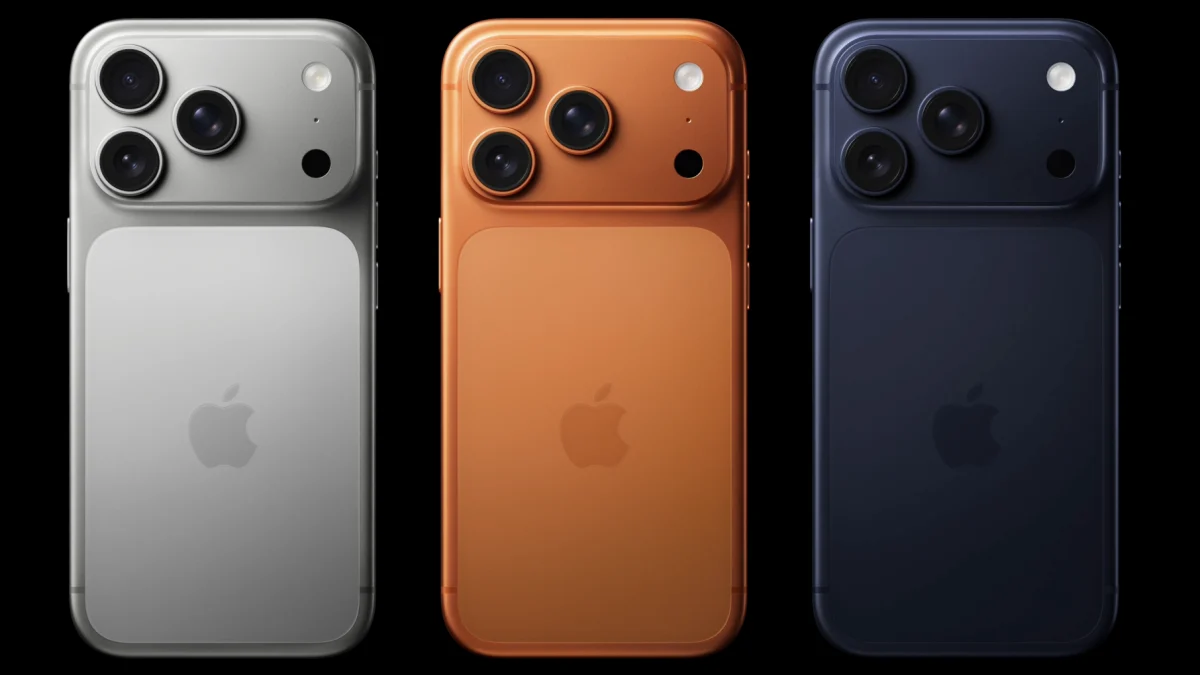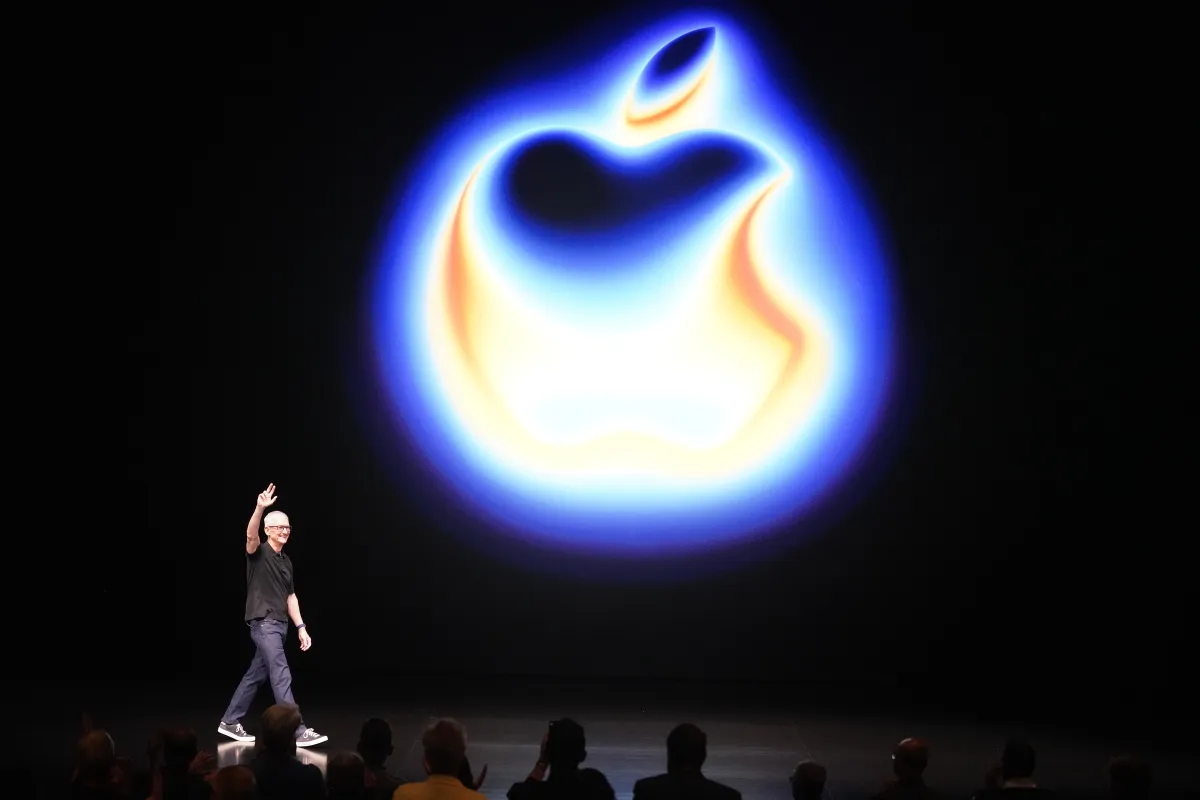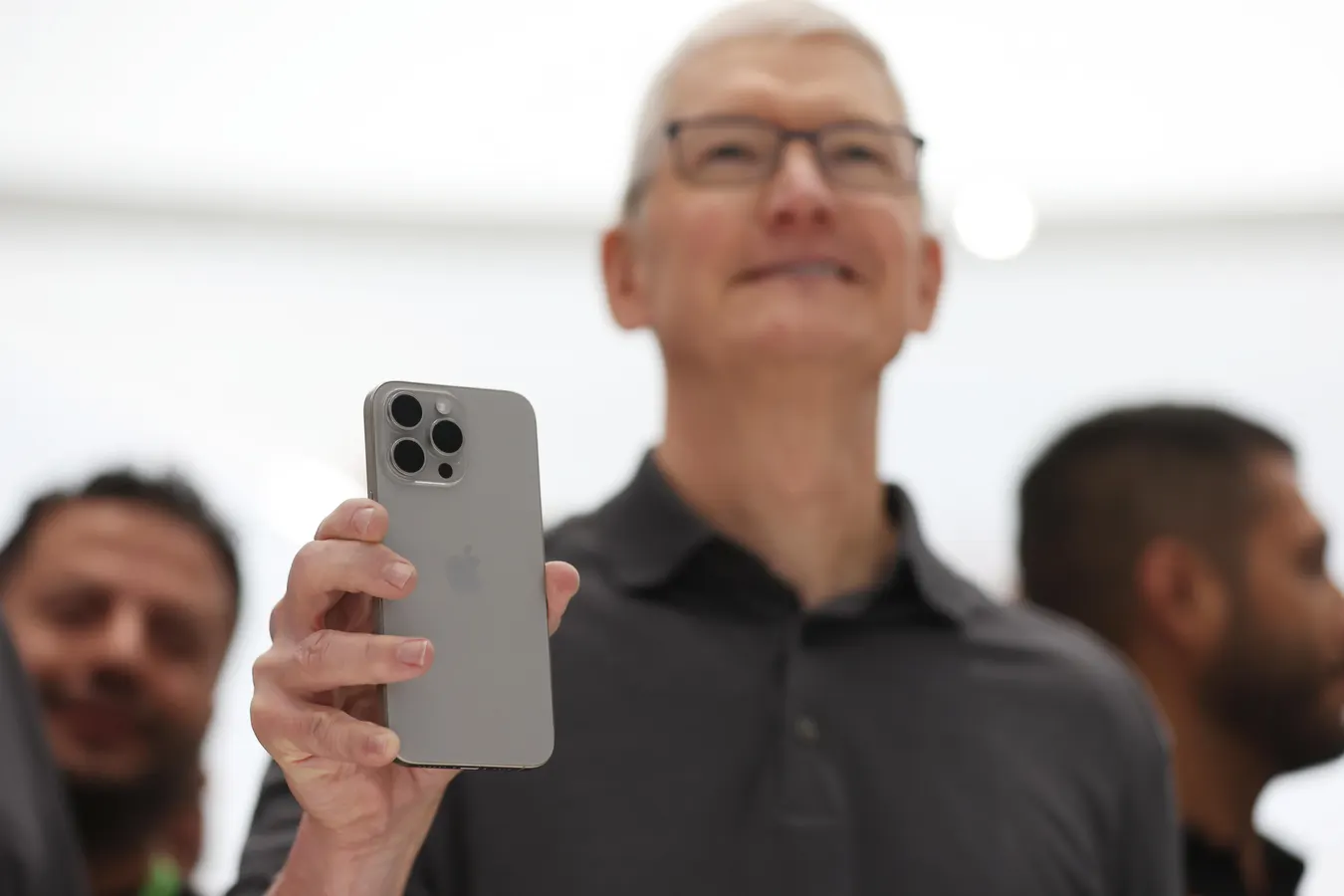
Apple CEO Tim Cook holds up a new iPhone during an Apple event in Cupertino, California (Photo by Justin Sullivan/Getty Images)Getty ImagesApple is ready to raise prices due to the increasingly expensive cost of memory and storage, due to the server capacity needed to deliver artificial intelligence services around the world. Some changes could arrive over the summer months, but many are looking at the iPhone 18 Pro launch in September and the potential sticker shock for consumers.Apple Silicon Costs Will Impact iPhone 18 PricingApple is prepared to increase retail pricing for upcoming hardware releases due to rising component costs associated with the demand for AI servers.Speaking to the Wall Street Journal, Apple’s outgoing CEO Tim Cook addressed the rising cost of consumer electronics: "We're doing our best to mitigate the huge increases that are being passed to us, and we've been trying to shield our customers from the increases, but the situation has become unsustainable."Apple is not alone in making this decision. Manufactuers across the board are raising prices on existing hardware and making conservative financial decisions when launching new hardware. That could include removing the lower tier of storage, so the next step up in the portfolio with the higher retail price is seen as the base model. Apple Will Need Price Inflation Across The iPhone Portfolio And BeyondThe removal of entry-level pricing tiers across the Mac Mini ecosystem serves as an example of the price mechanism Apple can use to offset rising silicon costs.MORE FOR YOUWhile Cook’s comments point to upcoming price rises, there are no indications of when they will be implemented or on which devices. Until now, the expectation around the iPhone 18 family is that the 18 Pro and 18 Pro Max would be priced similarly to the iPhone 17 Pro and 17 Pro Max, with the foldable iPhone Ultra carrying a luxury price tag to balance the portfolio.The iPhone may be the most prolific Apple product, but it's not the only product affected by the higher prices of silicon. The $599 Mac Mini has already been stripped from the portfolio, leaving the $799 model as the entry-level model and an effective $200 price increase for consumers. It’s safe to assume each line will have to carry some of the load that the higher bill of materials will place on Apple.iPhone 18 Pro Tiers Will Need To Be RepricedApple's operational management is mitigating macroeconomic supply chain pressures by eliminating lower-capacity memory and storage configurations across its portfolio.The iPhone has traditionally operated with a healthy margin, which sets up a simple question. How much of that margin, if any, will you trade away to keep the price acceptable to the public and the purse strings? That’s a decision that Cook will no doubt take in consultation with John Ternus, who takes over the CEO role on September 1st.Apple’s lean approach to memory and storage, enabled by the efficient marriage of hardware and software, will struggle to accommodate the new Apple Intelligence features promised for iOS 27. These will need a significant mobile footprint of storage for the large language models and more memory to process the generated data.The Impact of AI On The iPhone 18 ProThe financial cross-section of smartphone hardware manufacturing and local generative computing models is forcing manufacturers to compress margins or pass expenditures directly to consumers.The rise of artificial intelligence has set off a domino effect on silicon supply that is being felt across many ecosystems. That smartphone manufactuers are feeling pressured to add their own AI features, while the addition of AI is driving up the price of hardware, is a cruel slice of irony.The pressure is on Apple to get this generation of AI approach right and bring the iPhone, if not to par with Android, at least within reach of it. That means the silicon spend is non-negotiable, and neither is the price increase.
Apple CEO Tim Cook Warns Your Next iPhone Could Be More Expensive
Apple is facing rising silicon costs as the world rushes towards AI. That’s going to force price rises across the board, including the upcoming iPhone 18 Pro.
645 words~3 min read