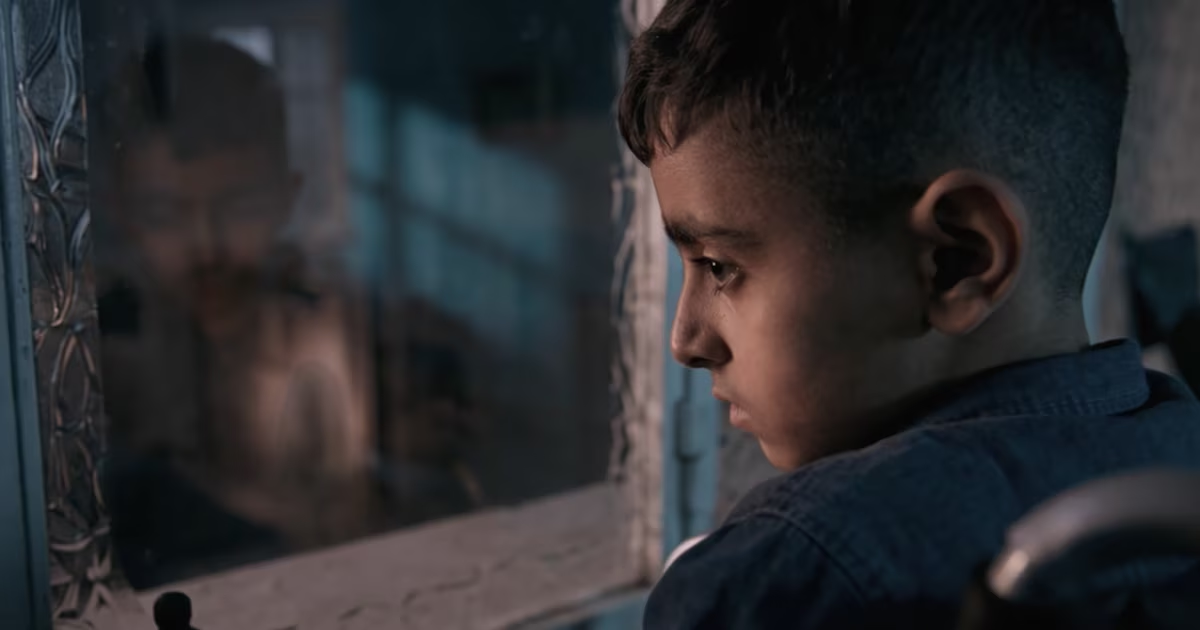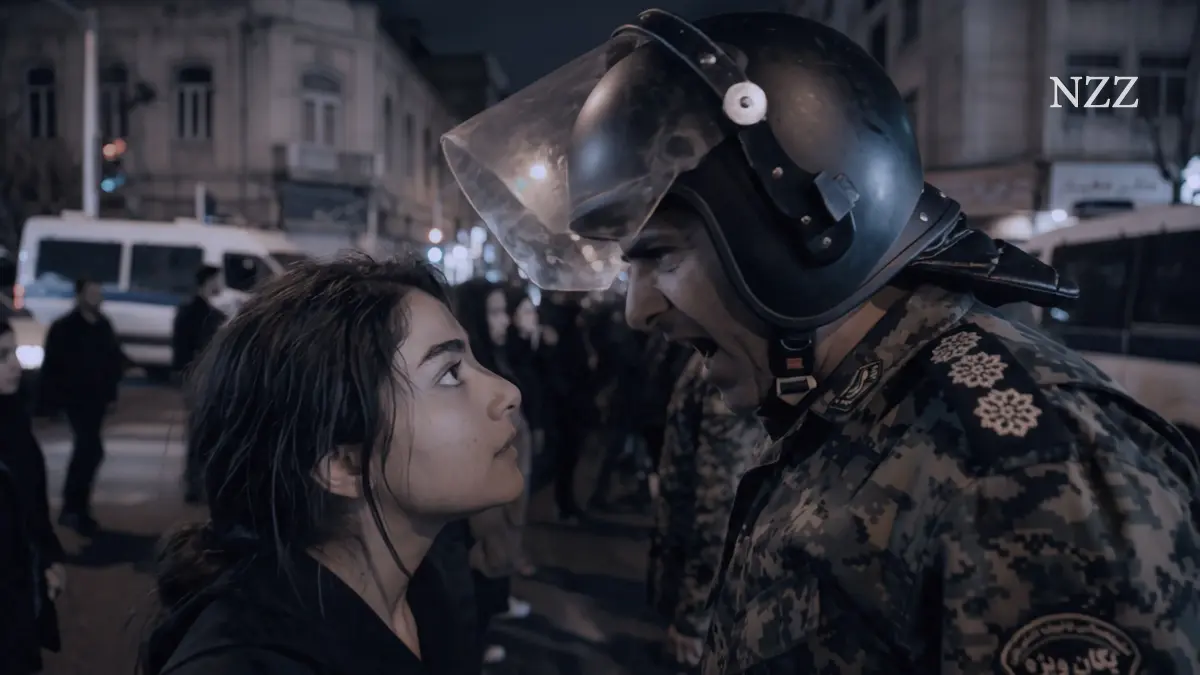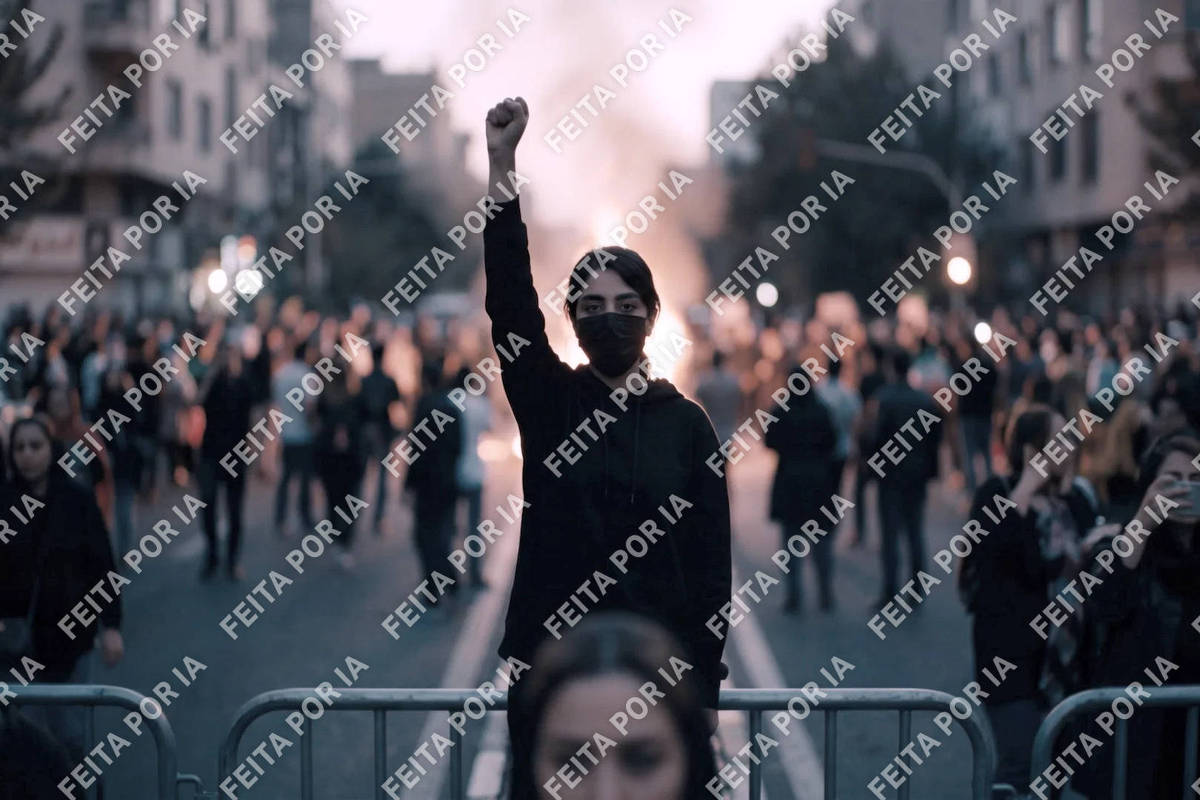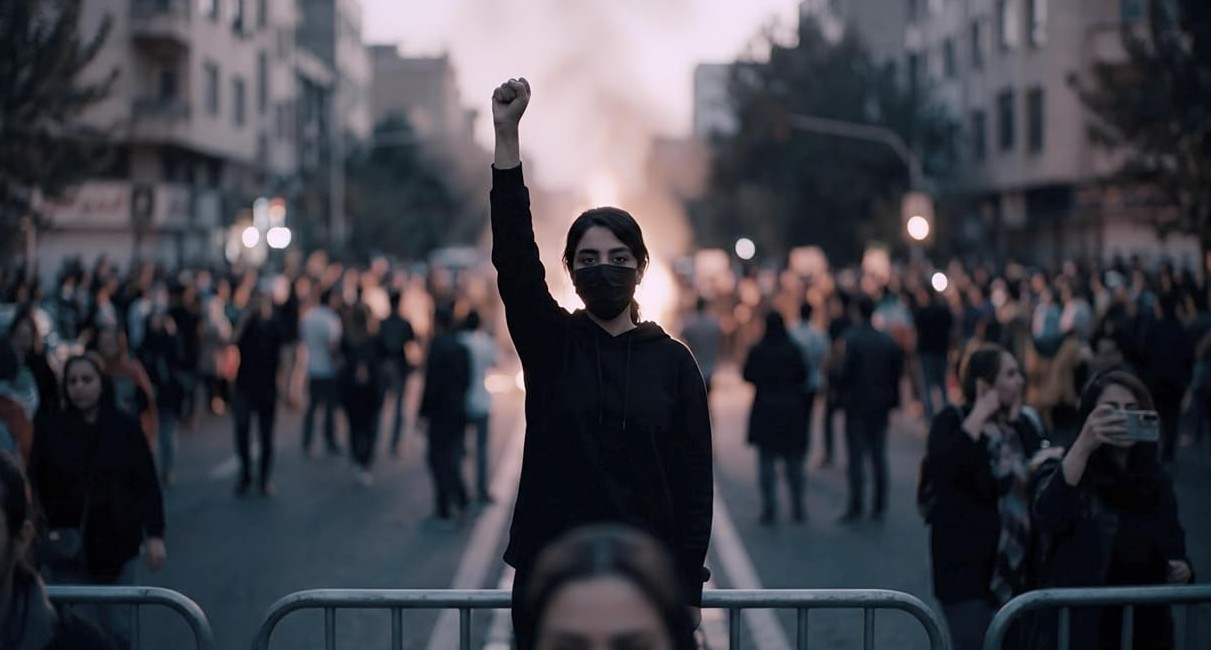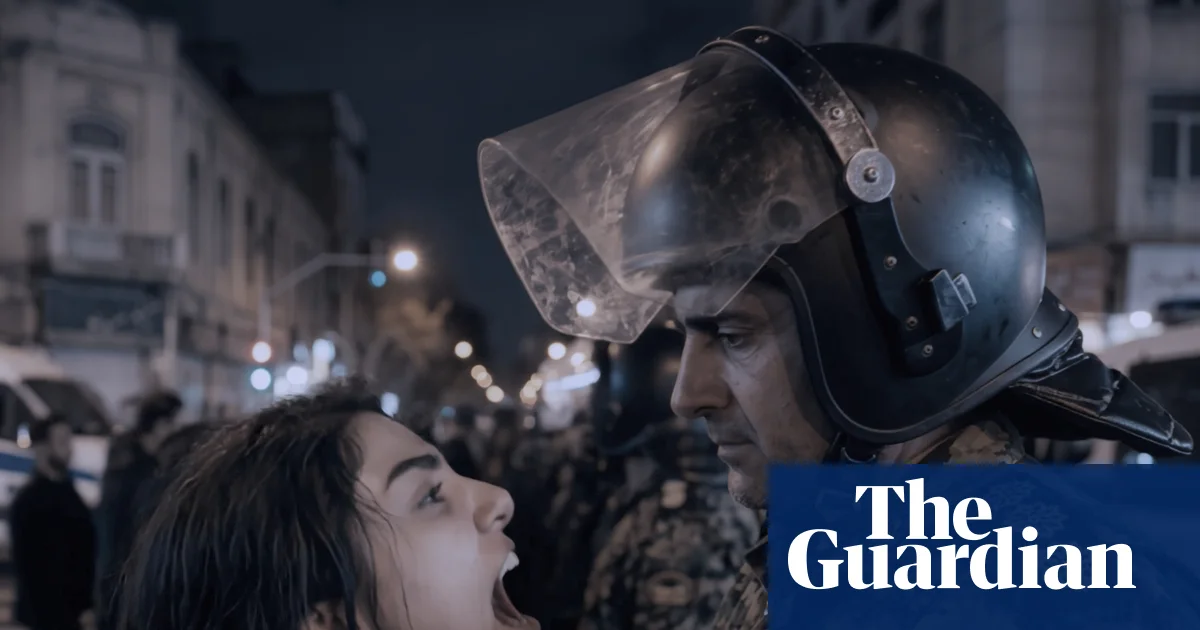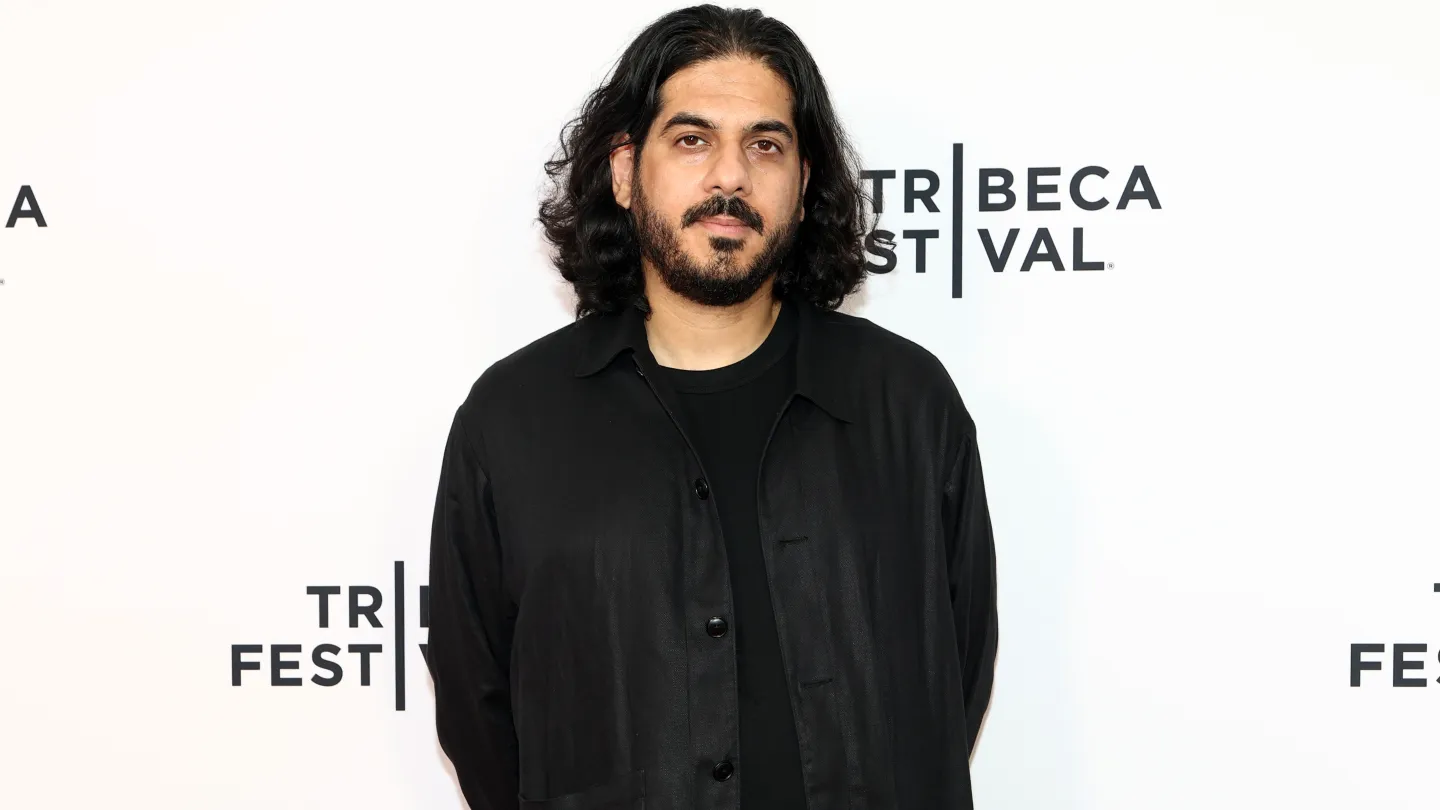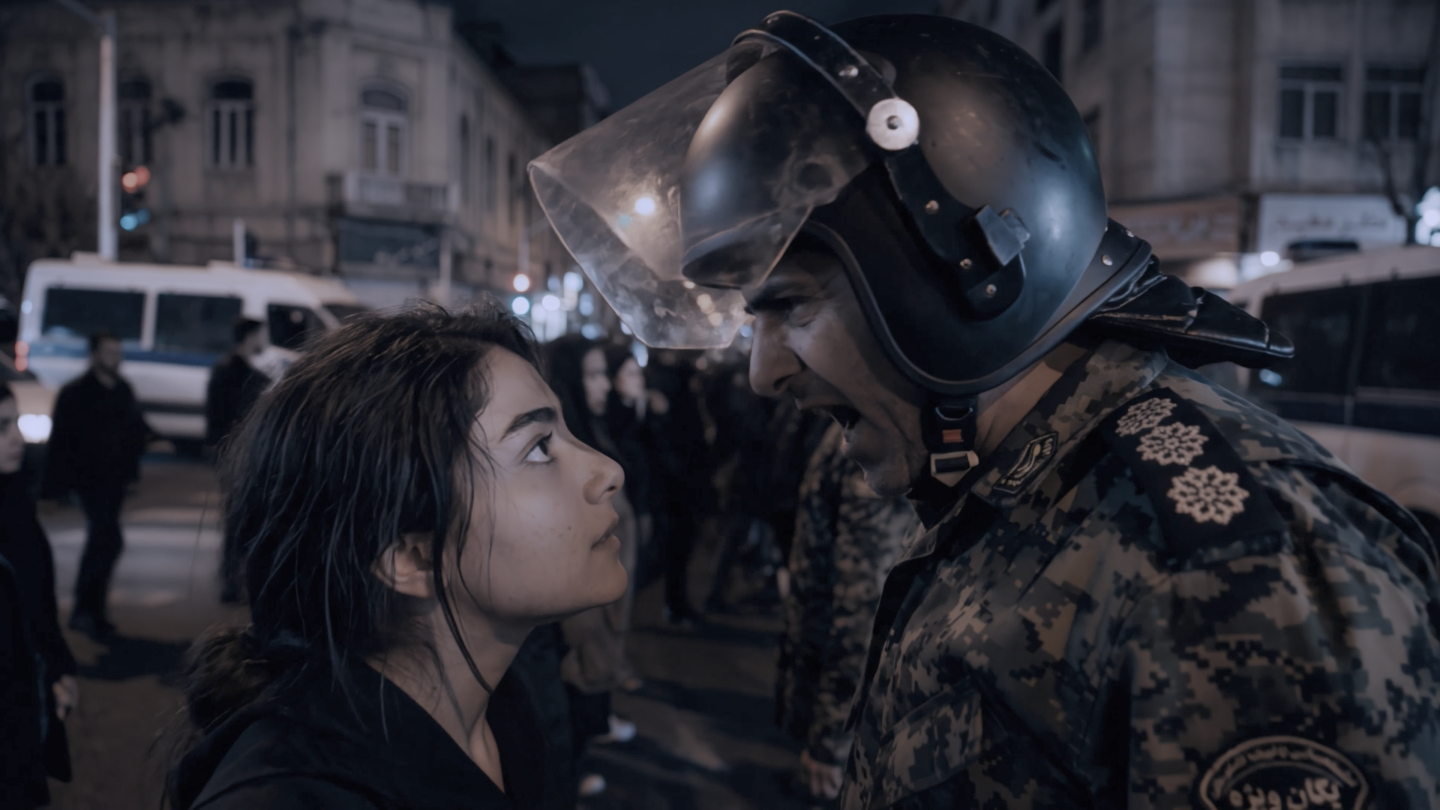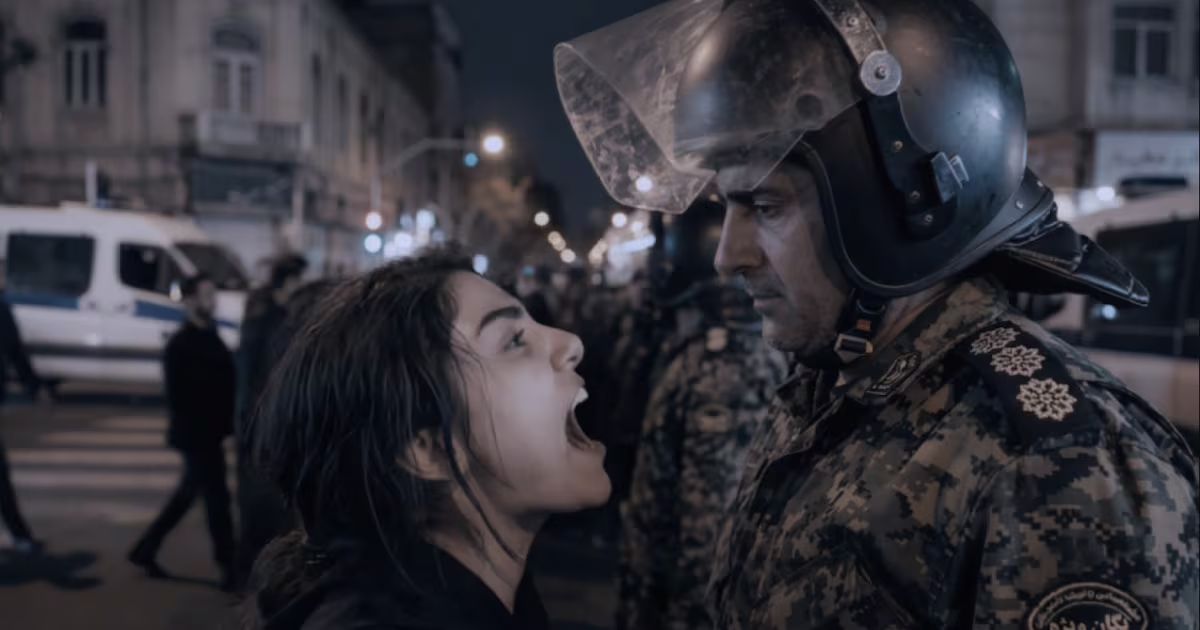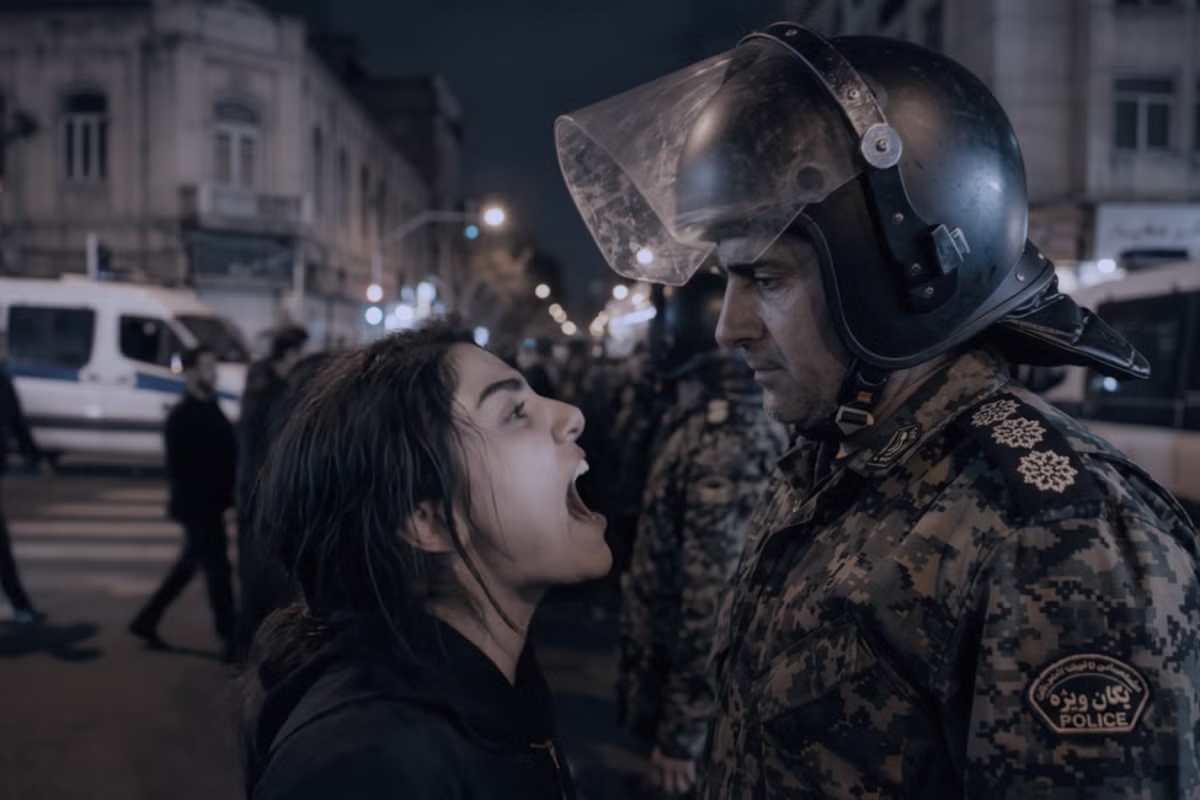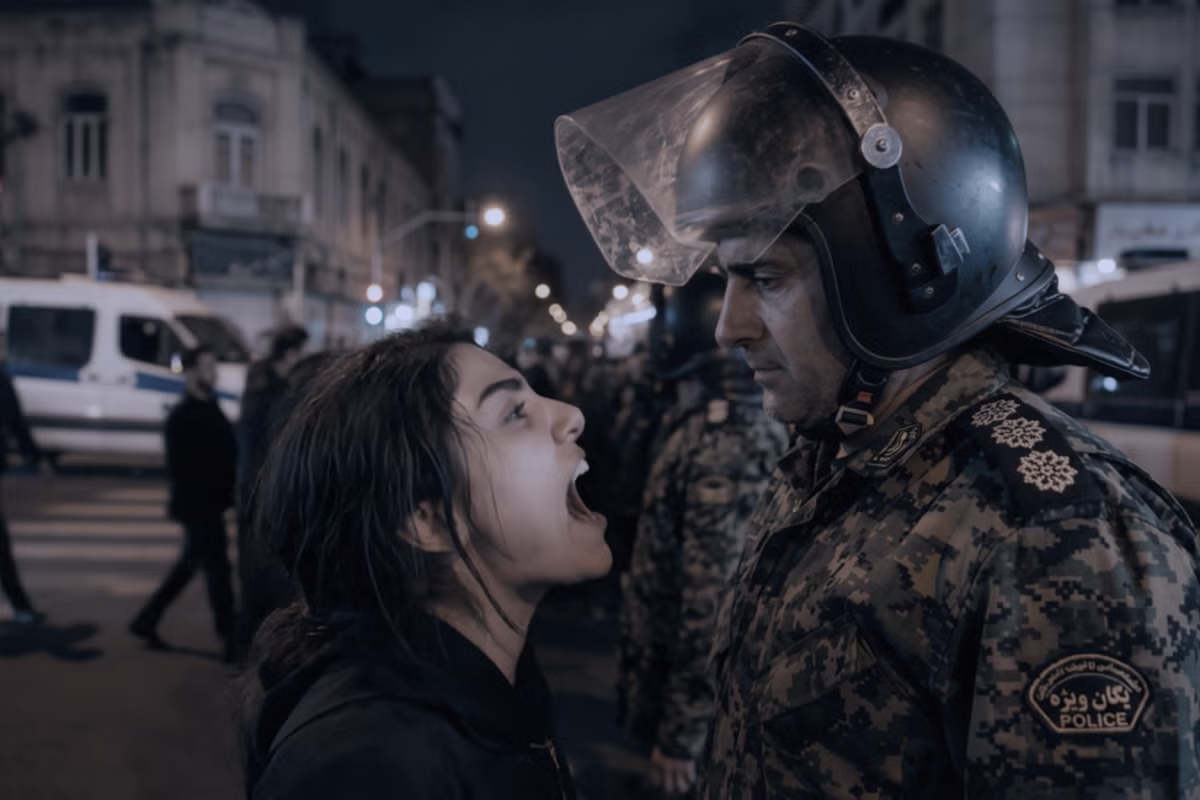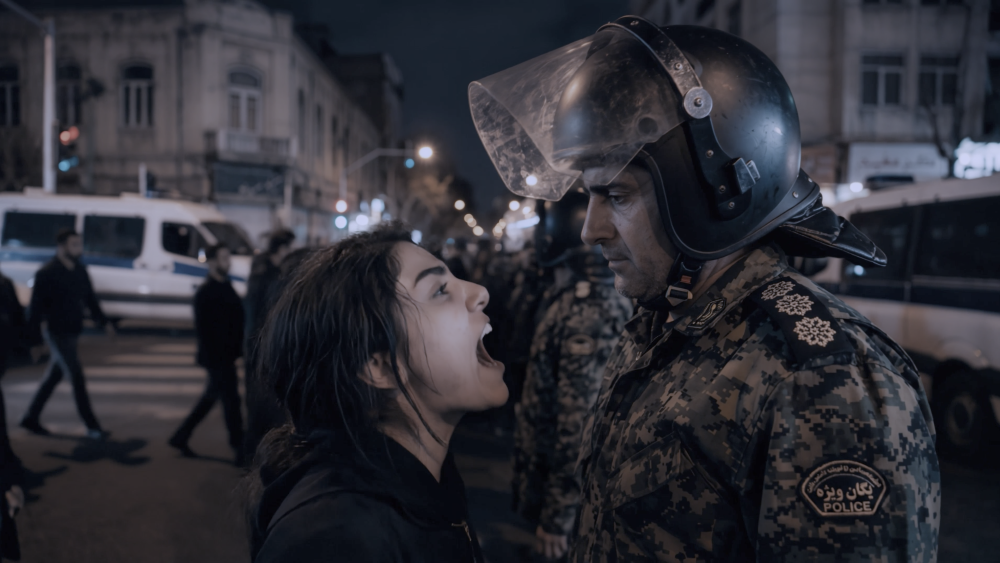
“Dreams of Violets,” which premiered last week at the Tribeca Festival, is the first movie generated entirely by AI to be programmed at a major film festival — and it’s also the first movie generated entirely by AI that I’ve seen. As such, those of us at the premiere were really watching — and evaluating — two films at once. The first is a drama, set in Tehran, written and directed by the expatriate Iranian Ash Koosha (who is now a London-based tech entrepreneur), that depicts the days of protest and crackdown and state-sanctioned killing that took place five months ago, in January, as waves of Iranian citizens poured into the streets to register their anger at the country’s theocratic regime. I didn’t find that movie to be particularly effective. In fact, after a while I thought it was stultifying.
But the other movie, which is far more interesting and significant, is the one that demonstrates, simply by virtue of its existence, what some of the possibilities might be for the use of AI within the world of feature filmmaking. This is a delicate and dicey subject to even bring up, since the industry right now is in the grip of multiple perceptions and anxieties about what AI portends for the future of entertainment. And all of this is changing by the week. Just look at how quickly we went from Steven Soderbergh, in April, ruffling feathers for admitting that he used AI to craft fantasy sequences for his documentary “John Lennon: The Last Interview” to Martin Scorsese — as moral and respected a voice as there is in the industry — signing on, at the beginning of June, to partner with the German generative-AI firm Black Forest Labs in order to speed up the storyboarding process. Darren Aronofsky has now crossed the AI barrier as well, using it to make a series of web videos about the Revolutionary War.