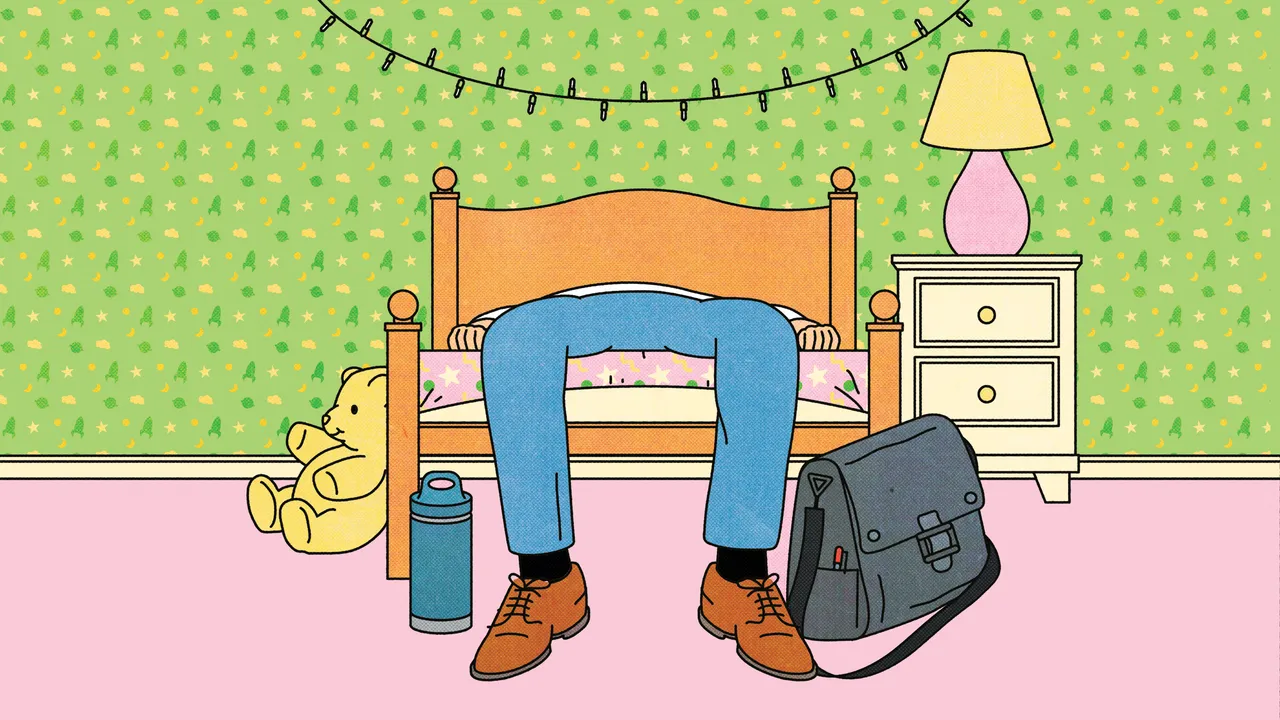
Over the past few years, fewer people in the U.S. have been moving out of family homes or other group living situations and forming new households. In 2021, about 2 million new households formed. In 2025, it was just over a million, according to a new report from Harvard’s Joint Center for Housing Studies.The major reason so many more young people are living at home with their parents or sharing apartments with roommates these days is falling housing affordability.Laurie Goodman, an institute fellow at the Urban Institute’s Housing Finance Policy Center, said in the years since the pandemic hit, housing costs have risen much faster than wages. “Not only the costs of buying a home, but also rental costs have accelerated much faster than wages,” she said.More recently, it’s also gotten harder to find a job.“Household growth follows job growth, and I think the trend in job growth of the last few years … has been slowing,” said Daniel McCue, senior research associate at Harvard’s Joint Center for Housing Studies. If you can’t find a job, or you’re not confident the job you have is solid, you’re less likely to want to sign a lease or buy a house and move out on your own. Especially if the cost of everything else is rising, too.“Right now a lot of the forces are negative, they're working against housing demand, whether it's rising unemployment, slowing job growth, inflation, the return of student loan payments,” McCue said.But it’s not just young people living at home or with roommates who are keeping household growth down.In the last year or so since President Trump returned to office, immigration has also slowed way down. “We're expecting that drop in immigration to translate into a further drop in households,” McCue said.All of these factors add up to less demand for housing. Less demand tends to lead to less new construction, said Rob Warnock, lead economic researcher at Apartment List.“The housing market is kind of cyclical in that way, right? Like, supply chases demand, demand chases supply,” he said.Warnock said he’ll be keeping an eye on if new home construction slows down too much.“When things inevitably do turn around, and when housing demand and household formation does come back positive, we run the risk of not having homes for that new formation to move into,” he said. And that could just push housing prices up even higher.
Fewer Americans are forming new households. That could make housing even more expensive.
When the price of housing is high, moving out of a family home or other group living situation to live on one’s own is less attractive.
399 words~2 min read