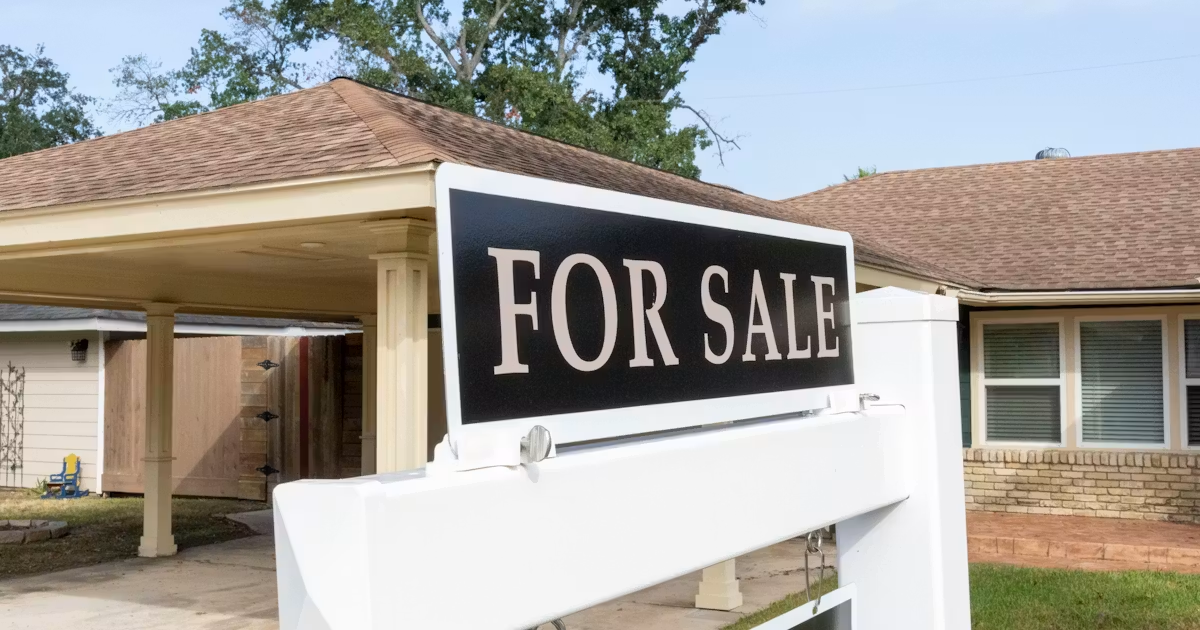
US houses are sitting vacant while many Americans can't afford to move.
Grace Cary/Getty Images
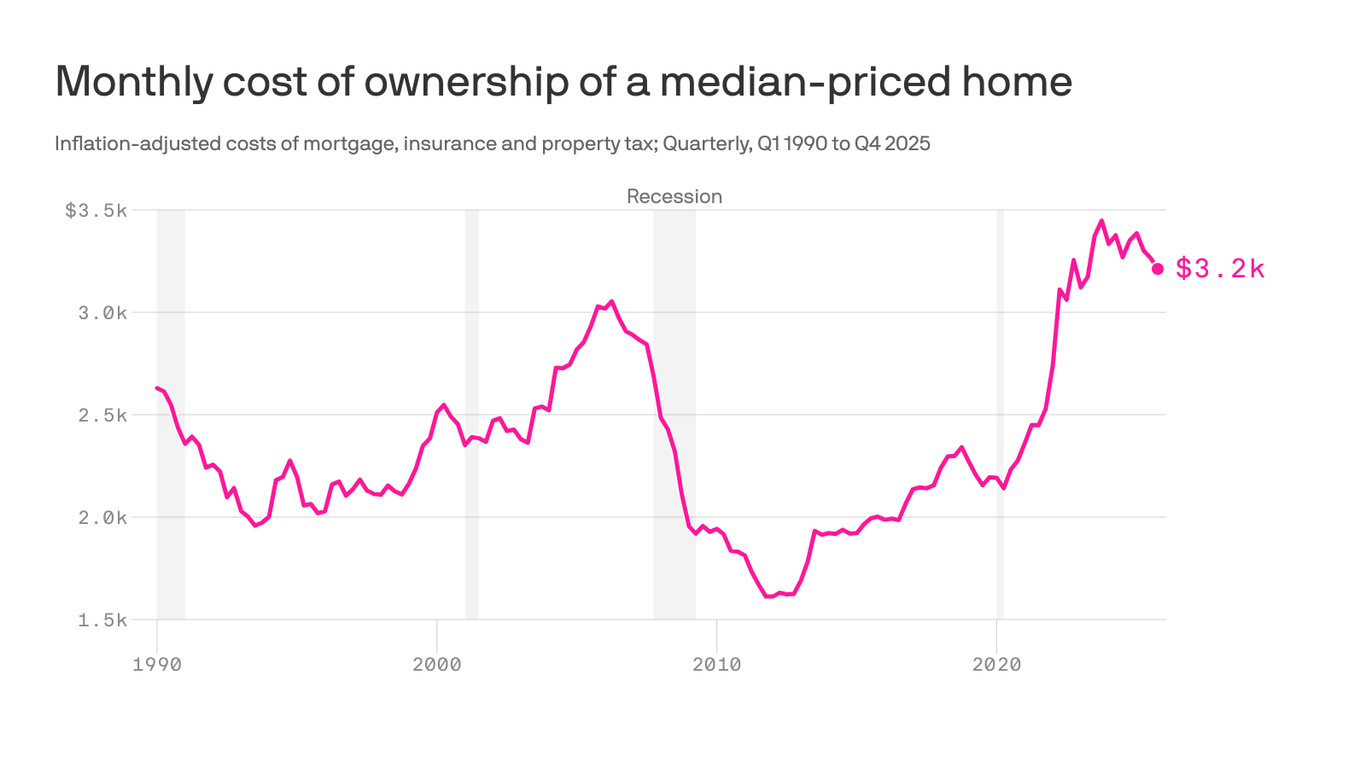
America's homebuyers are staying put.As home prices and the cost of essentials climb across the country, households are struggling to keep up — and increasingly looking to their local governments for help. That's according to Harvard University's Joint Center for Housing Studies 2026 State of the Nation's Housing report. The findings, released June 17, detailed trends and challenges in the US housing market in recent years.From a wave of vacant residences to a shortage of affordable housing, here are Business Insider's biggest takeaways.Americans are paying more for housing while demand weakensHomeowners in particular are experiencing rising non-mortgage costs from line items like taxes and insurance. Between 2019 and 2025, average national property taxes rose 31%, and average monthly insurance premiums increased 72%. With many first-time homebuyers already straining to come up with a down payment, the data indicates that the long-term cost of owning a home is growing, too.Meanwhile, homeowners are locked in place, with the share of households that relocated at a record low of 11.2% in 2024. Mortgage rates have also remained stubbornly high, as steep inflation keeps interest rates elevated.Renters are also facing steep costs. In 2024, about half of renter households were cost-burdened, meaning they spent at least 30% of their income on housing. Twenty-six percent of those renters were severly cost burdened, meaning they spent more than half their income on housing. The pandemic-era construction boom helped bridge some of the US' supply gaps, but with increasingly steep rents, people cannot afford to move. Lower-income households are disproportionately affected, as 83% of renters who earn less than $30,000 are cost-burdened.The broader economic picture is also driving down housing demand: The last couple years have been defined by a low-hire, low-fire job market and stubborn inflation, while a key marker of consumer sentiment hit historic lows earlier this year. With stretched wallets, people are making fewer major financial decisions, like buying a new home.