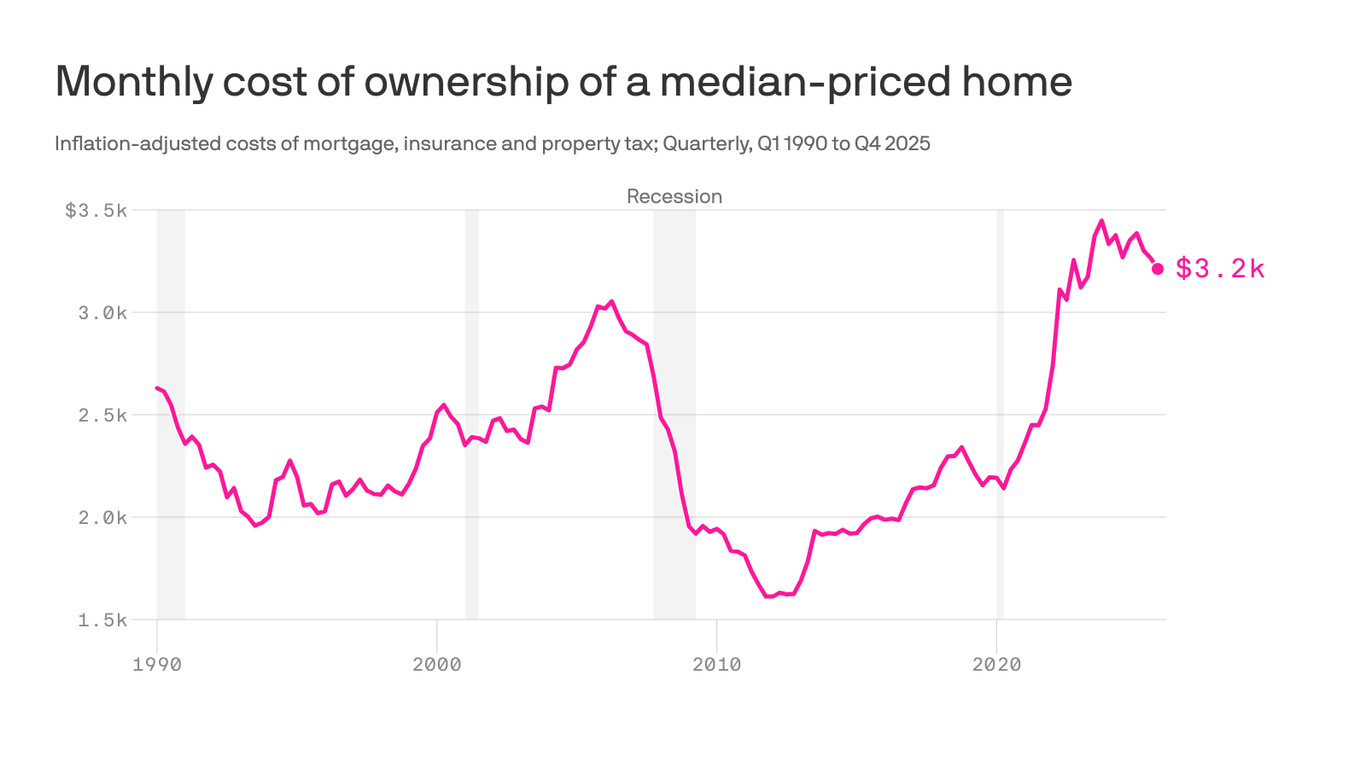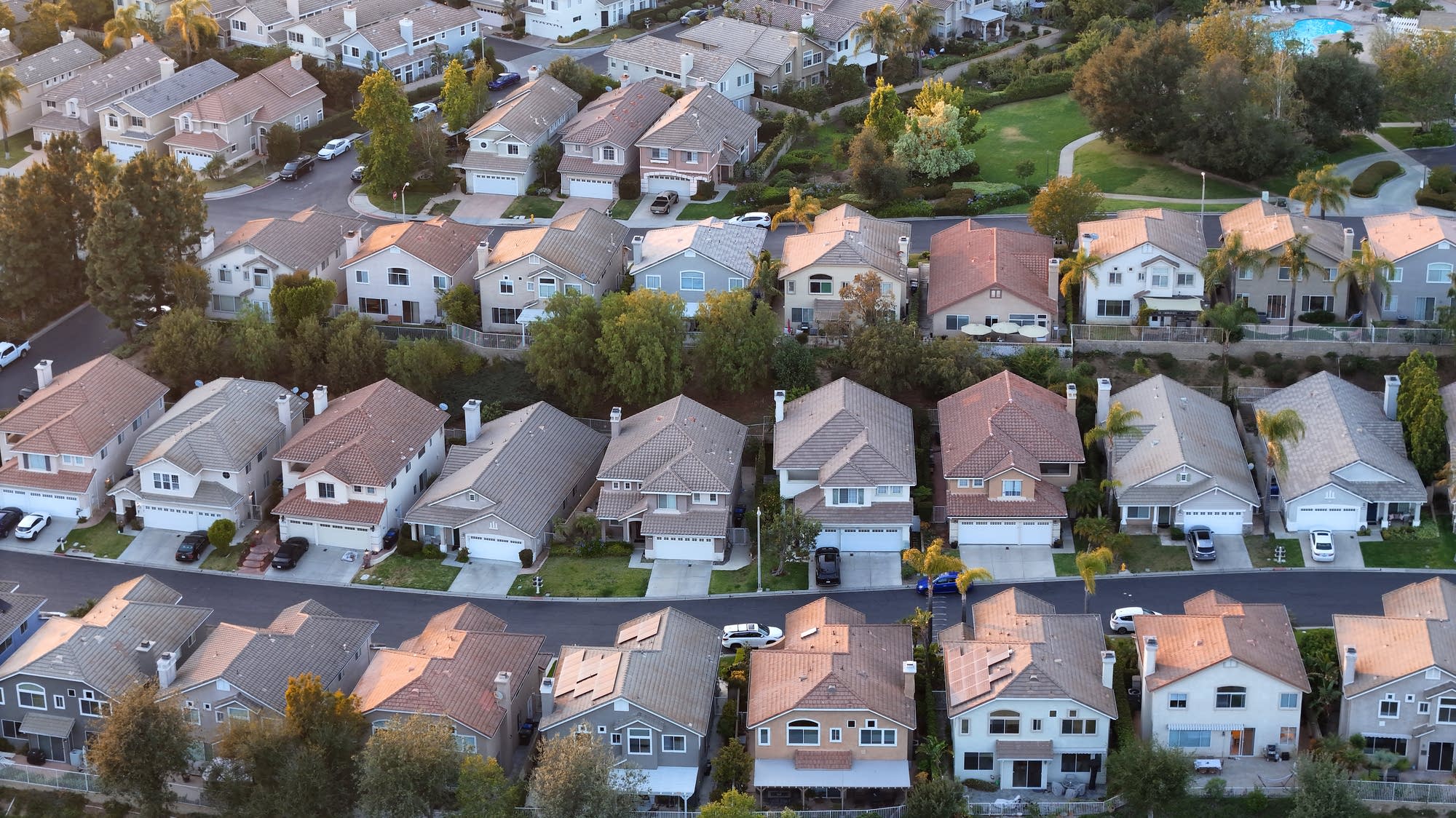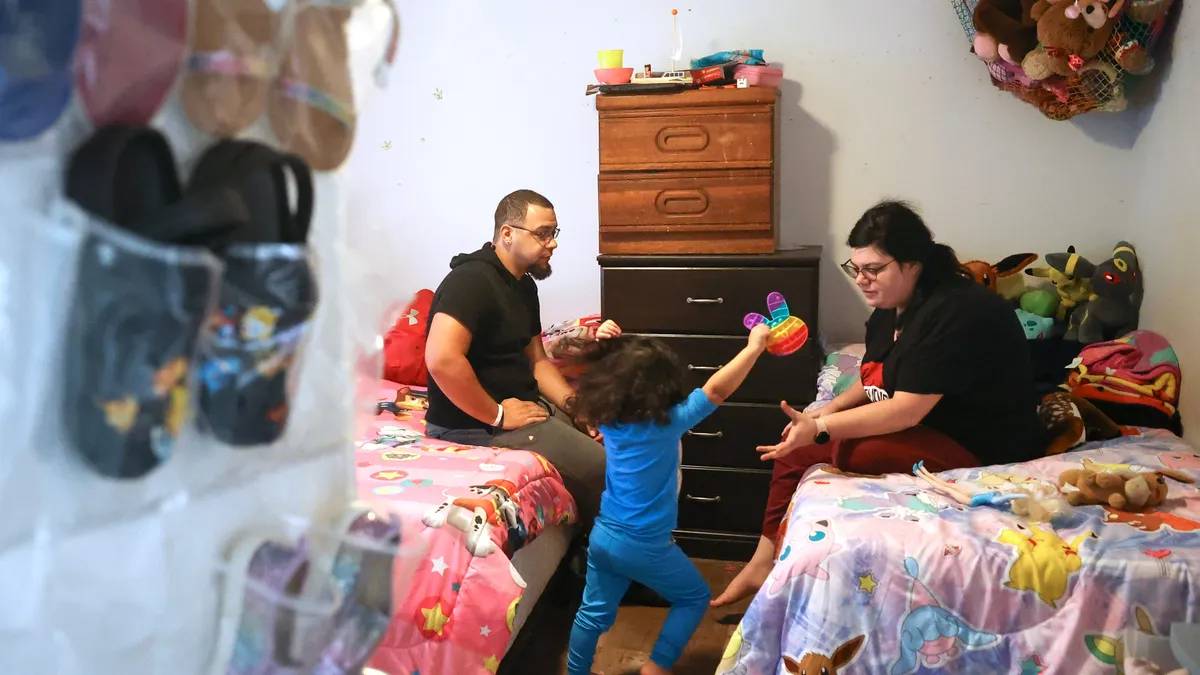
Housing is fundamental. We all need a roof over our heads. We all need someplace to raise our families, cook our meals, escape from the world.So it’s a cruel state of affairs that we seem to be getting it so wrong.That’s the idea at the heart of the "State of the Nation’s Housing," a report produced every year by Harvard University’s Joint Center for Housing Studies. The 2026 edition, out June 17, is sobering.“Persistent affordability challenges and rising economic uncertainty are hurting housing markets," the report says bluntly. "Weakening labor markets and plummeting immigration have dampened household growth and mobility. Sales of existing homes sit at three-decade lows and inventories are rising in the face of high homebuying costs.”What does that mean in reality?Only 1.1 million new households were formed in 2025 – a number roughly in line with the depths of the Great Recession over a decade ago – as student debt, a weaker job market, and anemic consumer sentiment made Americans wary of striking out on their own.Similarly, only 11.2% of Americans relocated in 2024, an all-time low.As of 2024, 20.7 million homeowner households (24% of the total) spent more than 30% of their income on housing expenses; 9.6 million spent more than half their income.Renters may have it worse: roughly half of all households that rent, or 22.7 million, were cost burdened as of 2024, including 12.1 million that were severely burdened.What does the housing market look like?Beneath the bullet points, the story of a housing market deeply under-supplied and over-crowded resonates. The graphics below illustrate those points.In 2024, 11 million American households had “extremely low incomes,” which means they earned up to 30% of the area median. But there were only 3.8 million rental units that were both affordable and available, meeting the needs of only 35% of those households.Among American renters of all income levels, 49% are moderately cost-burdened, which means they spent 30% or more of their income on housing, while a whopping 26% spend at least half their income on housing costs. Both measures are up sharply since 2019.Homeownership is becoming more costlyTo get housing, it takes more – and Americans often wind up with less. As the report explains, owner-occupied homes are a median 42 years old, while homes occupied by renters are 43. That’s important because the older a home gets, the more expensive it is to maintain and improve.As of 2023, the report says, “owners living in homes built before 1940 spent an average of $6,700 per year on improvements and repairs, about 50% more than those occupying homes built in 2010 or later.”The housing crisis doesn't discriminateHousing is out of reach for people across America: renters and owners, young and old, from coast to coast and in between, the report makes clear. Renters have it hardest in Florida and Nevada, while California and Hawaii are among the priciest places to own.Still, the crisis is hardest for America's most vulnerable. "The most serious and intractable housing shortage involves units affordable to households with low and moderate incomes," the report notes. In 2024, 11 million households with extremely low incomes competed for just 3.8 million affordable and available rental units.People of color are also disproportionately impacted. Among homeowner households headed by a Black person, 32% are cost burdened, and among those headed by someone of Hispanic heritage, 29% are cost burdened. That compares to 22% of households headed by White owners.
Why so many Americans can’t afford housing anymore
The cost and toll of America's housing crisis is displayed in charts and statistics.
573 words~3 min read